The Colosseum is one of the most famous monuments in the world, often associated with gladiator battles and dramatic spectacles. While these events are part of its history, they represent only a small portion of what this structure truly was.
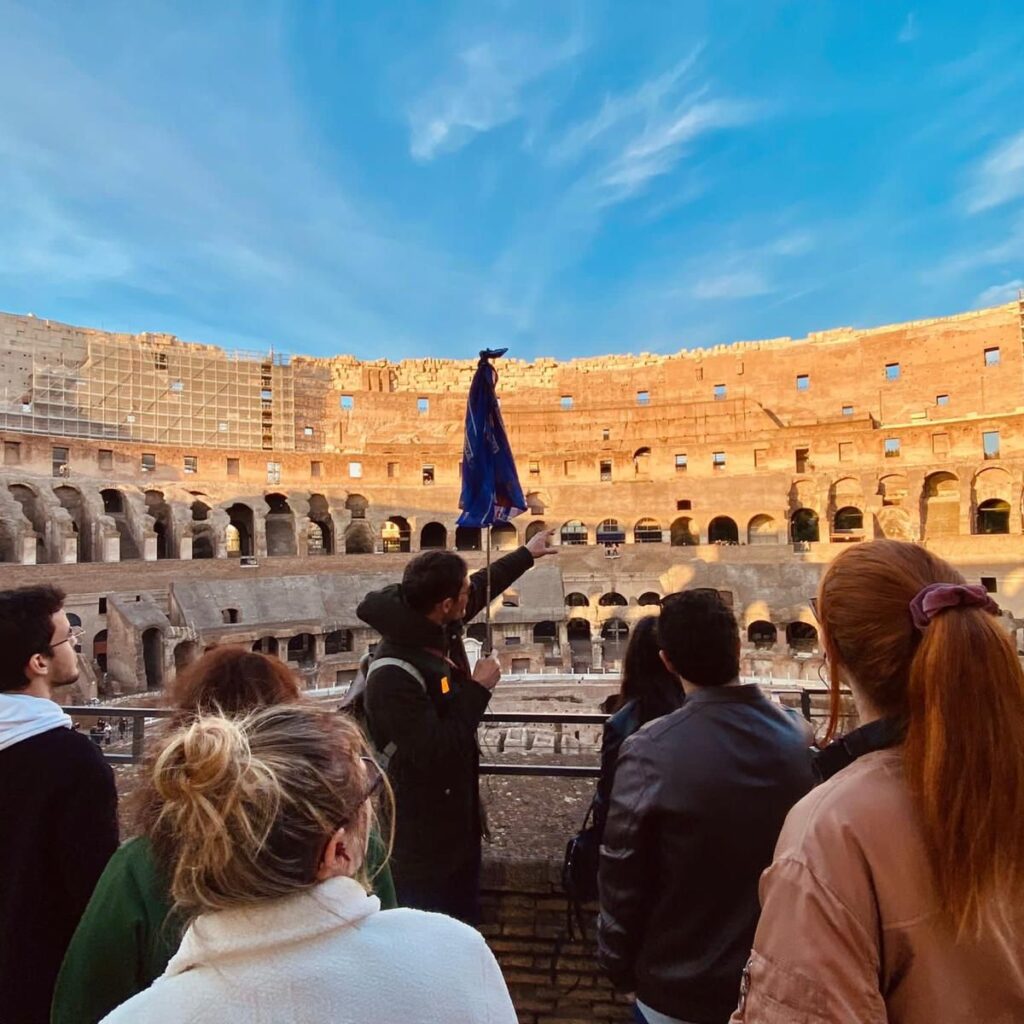
For first-time visitors, understanding the Colosseum beyond its surface can completely change the experience. This is why many travelers explore it through Rome guided tours, where the hidden functions, stories, and engineering details become much clearer.
The Colosseum Was More Than an Arena
Most people imagine the Colosseum as a place for combat, but it was actually a multifunctional entertainment complex.
In addition to gladiator fights, it hosted:
- animal hunts known as venationes
- public executions
- staged mythological performances
- large-scale spectacles designed to impress the population
It was a place where entertainment, politics, and power were closely connected.
A Tool of Political Control
The Colosseum was not built only for entertainment. It was also a way for emperors to gain popularity and maintain control over the population.
By offering free events, leaders could:
- distract citizens from political issues
- reinforce their image as generous rulers
- maintain social stability
This concept is often summarized as “bread and games,” a strategy that shaped Roman society.
The Underground World Few Visitors Imagine
Beneath the arena floor lies the hypogeum, a complex system of corridors, cages, and mechanical devices.
This hidden area allowed organizers to:
- move animals and fighters unseen
- create surprise entrances during shows
- manage complex stage effects
The Colosseum functioned almost like a theatrical machine, carefully designed to impress and shock the audience.
Not All Seats Were Equal
The seating arrangement reflected Roman social hierarchy. Where you sat depended on your status in society.
- the emperor had the best view
- senators sat close to the arena
- ordinary citizens sat higher up
- women and lower classes were placed at the top
The Colosseum was not just a place of entertainment, but a mirror of Roman social structure.
The Colosseum Could Be Covered
Many visitors are surprised to learn that the Colosseum had a massive retractable awning called the velarium.
This system:
- provided shade for spectators
- was operated by trained sailors
- required complex coordination
It shows how advanced Roman engineering was, even in comfort and crowd management.
A Monument That Changed Purpose Over Time
After the fall of the Roman Empire, the Colosseum was no longer used for entertainment. Over the centuries, it served many different purposes:
- a fortress
- a quarry for building materials
- a religious site
Its meaning evolved from a symbol of power to a historical and cultural landmark.
Details Most Visitors Never Notice
Even when walking through the Colosseum, many details go unnoticed:
- the numbering system used to manage crowds
- the entrances designed for efficient movement
- the architectural techniques that allowed rapid construction
These elements reveal how the Colosseum was designed for organization as much as spectacle.
Why Understanding the Colosseum Changes Your Visit
Seeing the Colosseum without context can feel impressive but incomplete. Once you understand its deeper functions, it becomes much more than a ruin.
You begin to see it as:
- a political tool
- an engineering masterpiece
- a reflection of Roman society
Final Thoughts
The Colosseum is often reduced to the image of gladiators fighting in the arena, but its true story is far more complex. It was a place of power, control, innovation, and spectacle all at once.
By looking beyond the obvious, you can experience the Colosseum in a completely different way and understand why it remains one of the most fascinating monuments in the world.