
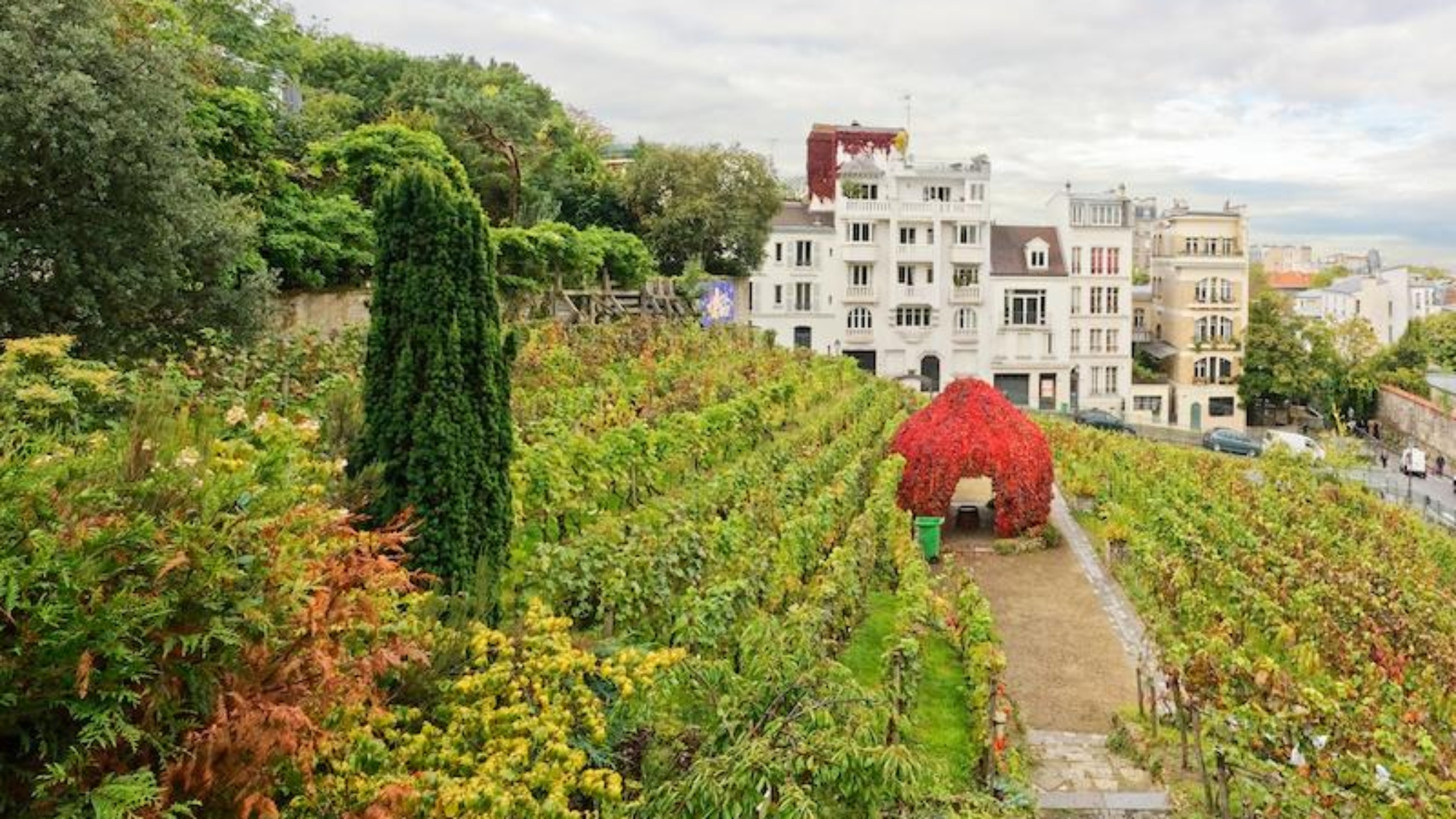
Festival des Vendanges de Montmartre

The Festival des Vendanges de Montmartre: Paris’s Urban Harvest Celebration

Every October, the picturesque neighborhood of Montmartre celebrates a tradition unlike any other in Paris: the Festival des Vendanges, the grape harvest festival of the city’s only vineyard. This colorful event blends wine, folklore, and community, attracting Parisians eager to honor their local heritage. For visitors, it’s a chance to witness a genuine Parisian festivity beyond the tourist postcard.

To live the experience in depth, you can also join one of our Paris cultural tours, which include exclusive stops at Montmartre’s vineyard and the festival’s highlights.

The Vineyard of Clos Montmartre

Hidden behind Sacré-Cœur, the Clos Montmartre vineyard has existed since the Middle Ages. Restored in the 1930s, it now produces a small but symbolic quantity of wine each year. The grapes harvested here are transformed into limited bottles, whose proceeds support local community projects.

Walking by the vineyard during the festival, you’ll see it at its most festive, decorated with banners and filled with the buzz of celebration.

Parades and Street Festivities

The Festival des Vendanges is not just about wine—it’s a cultural and social celebration. The streets of Montmartre host parades with musicians, dancers, and costumed participants representing different regions of France.

  • Street performances fill the squares and alleys.
  • Food stalls serve specialties from across France, from cheeses to charcuterie.
  • Local schools and associations take part in processions, reinforcing the sense of community.

The parade culminates in a lively atmosphere where music and laughter echo through Montmartre’s winding streets.

Wine and Food Tastings

The beating heart of the festival lies in the wine and food tastings.

  • Stalls offer wines from French regions and local producers.
  • Dishes inspired by autumn flavors—sausages, roasted chestnuts, cheeses—create a true feast for the senses.
  • The highlight is the opportunity to taste the Clos Montmartre wine, though its rarity makes it more symbolic than commercial.

Cultural Events and Exhibitions

Throughout the week of the festival, Montmartre becomes a stage for art, theater, and music:

  • Photography and art exhibitions celebrating wine and Montmartre’s history.
  • Concerts in local squares and community spaces.
  • Educational workshops on winemaking and the history of the vineyard.

These activities make the event more than a fair—it’s a cultural immersion.

Fireworks and Festive Atmosphere

The Festival des Vendanges traditionally ends with a fireworks display above Sacré-Cœur, illuminating the Paris skyline. It’s one of the most magical moments of the celebration, where thousands gather to admire the lights over Montmartre’s iconic hill.

Tips for Experiencing the Festival

  • Check the program: Events span several days in October, each with unique activities.
  • Arrive early: Montmartre can become crowded, especially during the weekend.
  • Explore side streets: Beyond the main square, small alleys host intimate concerts and tastings.
  • Bring cash: Many food and wine stalls are run by local associations.

Final Thoughts

The Festival des Vendanges de Montmartre is more than a harvest—it’s a celebration of community, tradition, and Paris’s enduring connection to wine. Amid parades, tastings, and fireworks, visitors discover a Paris rarely seen: festive, authentic, and proudly local. Experiencing it means embracing the city’s joyful heart at the peak of autumn.
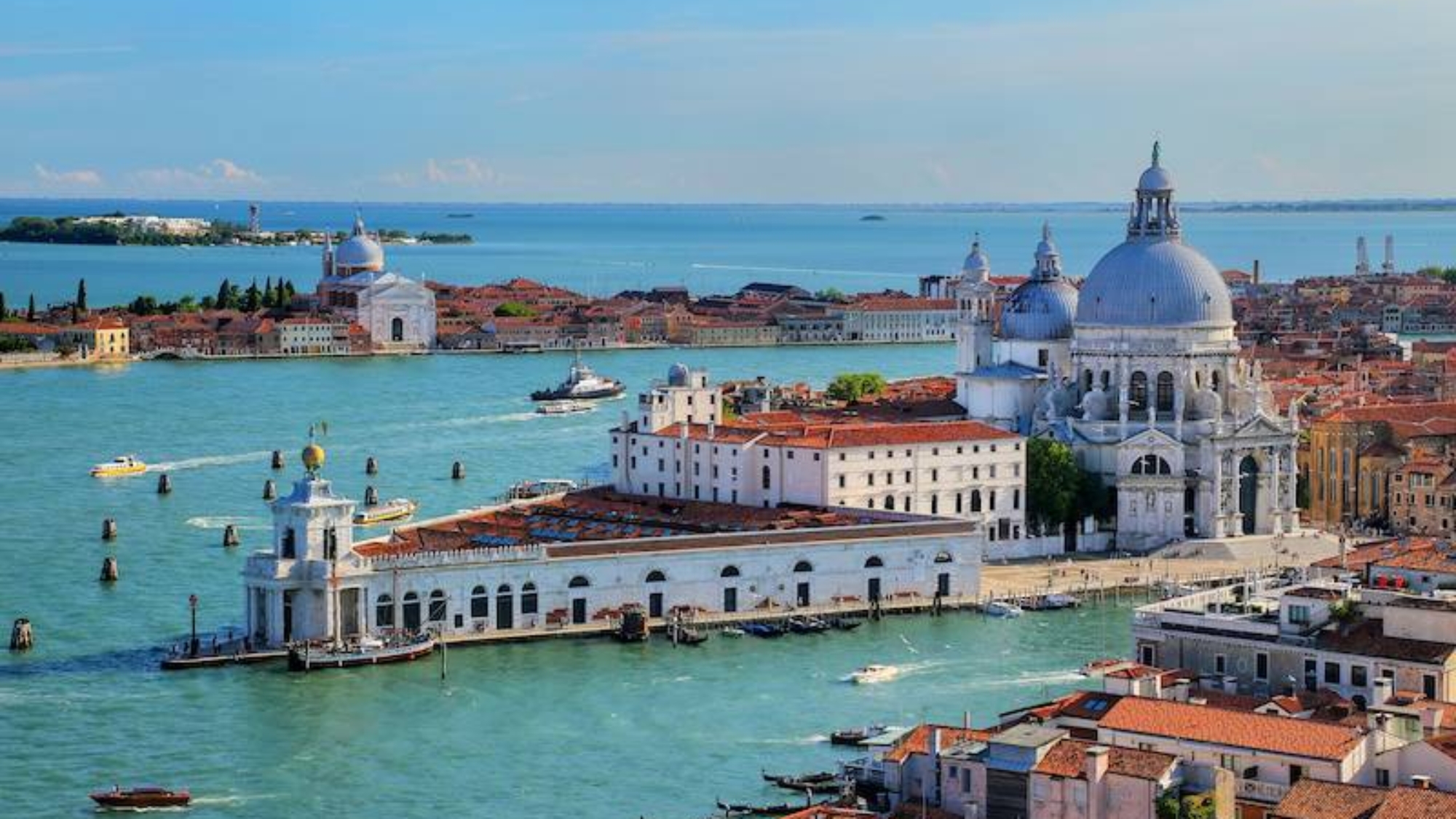
punta-della-dogana-venice

Autumn Traditions of Venice: Life, Fishing, and the Sea

Venice has always been inseparable from the sea. While tourists admire its canals and palaces, the city’s lifeblood has long been its maritime traditions. Autumn, in particular, is a season when these customs become visible through food, festivals, and rituals tied to fishing and lagoon life. Exploring them offers a deeper understanding of the authentic Venice, far from gondolas and postcards. To experience these rituals with local experts, explore our Venice guided tours and discover curated lagoon experiences.

Seasonal Fishing in the Lagoon

With the arrival of autumn, fishermen turn to seasonal catches that have been part of Venetian cuisine for centuries.

  • Moeche: Small green crabs fished in October and November, prized when they shed their shells. They are fried and eaten whole, considered one of Venice’s rarest delicacies.
  • Eel and lagoon fish: Autumn was traditionally the time to prepare anguilla (eel), marinated or grilled, a staple for families in the lagoon islands.
  • Sepia (cuttlefish): Another seasonal specialty, often used in risotto nero, with its characteristic black ink.

These ingredients shaped the menus of osterie and family tables, connecting the city’s rhythm to the lagoon’s cycles.

Festa di San Martino and Fishermen’s Celebrations

In November, Venetians celebrate San Martino, a festival where children parade with paper crowns and locals eat sweets shaped like knights on horseback. In fishing communities, the day also marked the end of the working year and a time to share food and wine after the harvest and fishing season.

Along the lagoon, this became a moment of rest and thanksgiving for fishermen, who gathered in local confraternities to honor their patron saints.

Island Traditions: Burano and Pellestrina

The fishing islands of the lagoon preserved the strongest autumn rituals.

  • Burano: Known for its colorful houses, it was also a hub for fishing families. In autumn, community feasts celebrated the end of intense fishing months with dishes like risotto di gò (made with goby fish).
  • Pellestrina: Famous for mussels and clams, the island hosted small community events in October where the sea was both honored and thanked for its bounty.

These traditions combined work, faith, and food, reinforcing the close bond between Venetians and their environment.

Maritime Folklore and Superstitions

Autumn was also the time when fishermen prepared for harsher winter months. This period gave rise to superstitions and rituals:

  • Offering a portion of the catch at local churches to ensure protection at sea.
  • Using charms or prayers to guard against autumn storms.
  • Passing down oral traditions about the lagoon’s dangerous currents and safe routes.

These customs remain a subtle but enduring part of Venetian identity.

Tips for Experiencing Autumn Maritime Traditions

  • Visit Rialto Market: In autumn, you can see seasonal catches like moeche and cuttlefish fresh from the lagoon.
  • Eat in lagoon osterie: Restaurants in Burano, Torcello, or Pellestrina serve authentic seasonal dishes tied to fishing traditions.
  • Look for local feasts: Small islands often host autumn celebrations that blend food, folklore, and music.

Final Thoughts

The autumn traditions of Venice remind us that the city is not only an open-air museum but a community shaped by the sea and its resources. From the delicacy of moeche to the fishermen’s gatherings on the islands, these customs reveal the deep connection between Venetians and the lagoon. Experiencing them is a way to see Venice not just as a place of art and history, but as a living culture tied to the rhythms of nature.