florence-december-festivities

Florence’s December Neighborhood Festivities: Celebrations Only Locals Know

Long before Christmas lights appear on the main streets, Florence’s neighborhoods—its rioni—begin to celebrate winter with small festivals, parish gatherings, street fairs, and artisan events that rarely make it into tourist guides. These celebrations are intimate, deeply rooted in community identity, and filled with old Florentine warmth.

While visitors flock to the major markets and shopping streets, locals gather in piazzas, parish courtyards, and neighborhood streets to enjoy winter traditions that have survived for decades, sometimes centuries.

To experience these authentic winter rituals, our Florence tours can guide travelers through the neighborhoods where these celebrations still flourish.

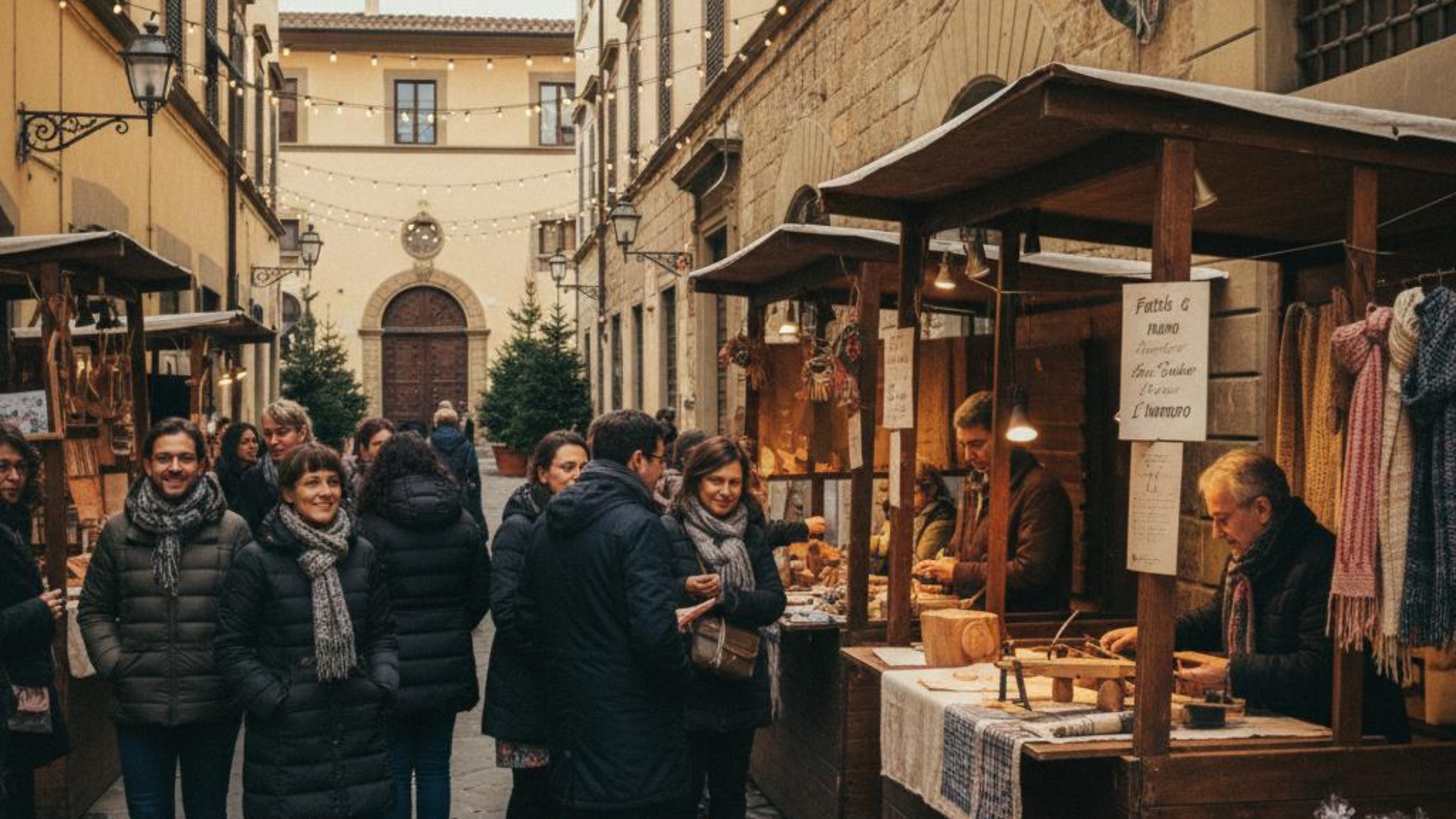
Sant’Ambrogio: The Festival of Lights and Winter Markets

In early December, the district of Sant’Ambrogio comes alive with a mix of street food, small artisan stalls, and light displays. It’s a lively, down-to-earth celebration where locals wander through the market buying:

  • handmade wool accessories

  • seasonal sweets

  • local produce for holiday meals

Music performances often fill the piazza, creating a warm, bustling winter atmosphere that feels entirely Florentine.

San Frediano & the Oltrarno: Artisan Open Houses

In the Oltrarno, December is synonymous with botteghe aperte—artisans opening their workshops to the public. Streets around Via Romana, Via dei Serragli, and Santo Spirito become intimate cultural hubs filled with:

  • goldsmiths displaying handcrafted jewelry

  • leatherworkers offering small gifts made on the spot

  • woodworkers and restorers showcasing holiday creations

It’s not a tourist event—it’s a neighborhood celebration where artisans greet clients like old friends.

Le Cure: A Family-Friendly Winter Fair

The district of Le Cure hosts one of the most beloved local December festivals. The square becomes a cheerful gathering spot with:

  • charity stalls

  • homemade cakes

  • children’s shows

  • folk music

It’s the kind of event where families meet every year, where kids run from one stand to another, and where the atmosphere feels like a small Tuscan village inside the city.

Campo di Marte: Choirs and Community Evenings

Around Campo di Marte, early December brings small evening festivals with:

  • school choirs performing Advent songs

  • stalls serving sweet breads and hot drinks

  • neighborhood groups decorating trees and balconies

It’s a simpler, quieter form of festivity—far from the crowds, rich in community spirit.

Santo Spirito: The Artisan Piazza in Winter

Piazza Santo Spirito is known for its monthly market, but in December it gains a distinct winter charm. Stalls fill the square with:

  • handcrafted ornaments

  • vintage objects

  • natural soaps, candles, and pottery

Locals gather here to purchase unique gifts while enjoying roasted chestnuts and the winter sun.

Why These December Celebrations Matter

These neighborhood events show Florence at its most intimate and authentic. They reveal:

  • the city’s communal heart

  • its artisan heritage

  • its seasonal food traditions

  • its deep connection to parish life

Most importantly, they offer visitors a chance to step into the real Florence, where traditions are preserved and celebrated far from the grand monuments.

Final Thoughts

December in Florence is a mosaic of small, meaningful rituals—festive gatherings, artisan workshops, community fairs, and joyful neighborhood traditions. These celebrations, known mostly only to locals, bring warmth to winter days and reveal the city’s soul more than any postcard-perfect square ever could.

Experiencing them means discovering a more intimate, authentic, and human Florence—one celebration at a time.
christmas-roman-sweets

Traditional Roman Christmas Sweets: Popular Recipes and Where to Taste Them

Rome’s Christmas season is a feast of aromas, family traditions, and ancient recipes that have survived for centuries. While many Italian regions boast famous festive pastries, Rome has its own set of authentic holiday sweets, rooted in Jewish-Roman heritage, Renaissance kitchens, and the city’s rural countryside.

To explore these flavors through the eyes of locals, our guided Rome tours include seasonal stops in historic bakeries and pastry shops where these recipes are still prepared as they were generations ago.

Pangiallo: The Golden Sun of Winter

Pangiallo is Rome’s most iconic Christmas sweet, dating back to imperial times. The name means “yellow bread,” inspired by its golden color—once achieved with saffron.

Traditional recipe elements:

  • Honey

  • Dried figs and raisins

  • Nuts (almonds, pine nuts, walnuts)

  • Candied citrus

  • Spices

It symbolizes the return of the sun after the winter solstice.

Where to taste it:

Historic Roman bakeries and forni in traditional neighborhoods like Trastevere and Testaccio prepare artisanal pangiallo with closely guarded recipes.

Panpepato: The Spiced Relative

A close cousin of pangiallo, panpepato is darker, richer, and more intensely spiced. It reflects centuries of Roman connections with the East through the spice routes.

Flavor notes:

  • Dark chocolate or cocoa

  • Pepper and warm spices

  • Almonds and hazelnuts

  • Candied orange

  • Sometimes a hint of wine in the dough

Where to try it:

Jewish-Roman bakeries and small pasticcerie often make superb versions, especially in early December.

Ricotta Strudel: A Sweet Borrowed and Reinvented

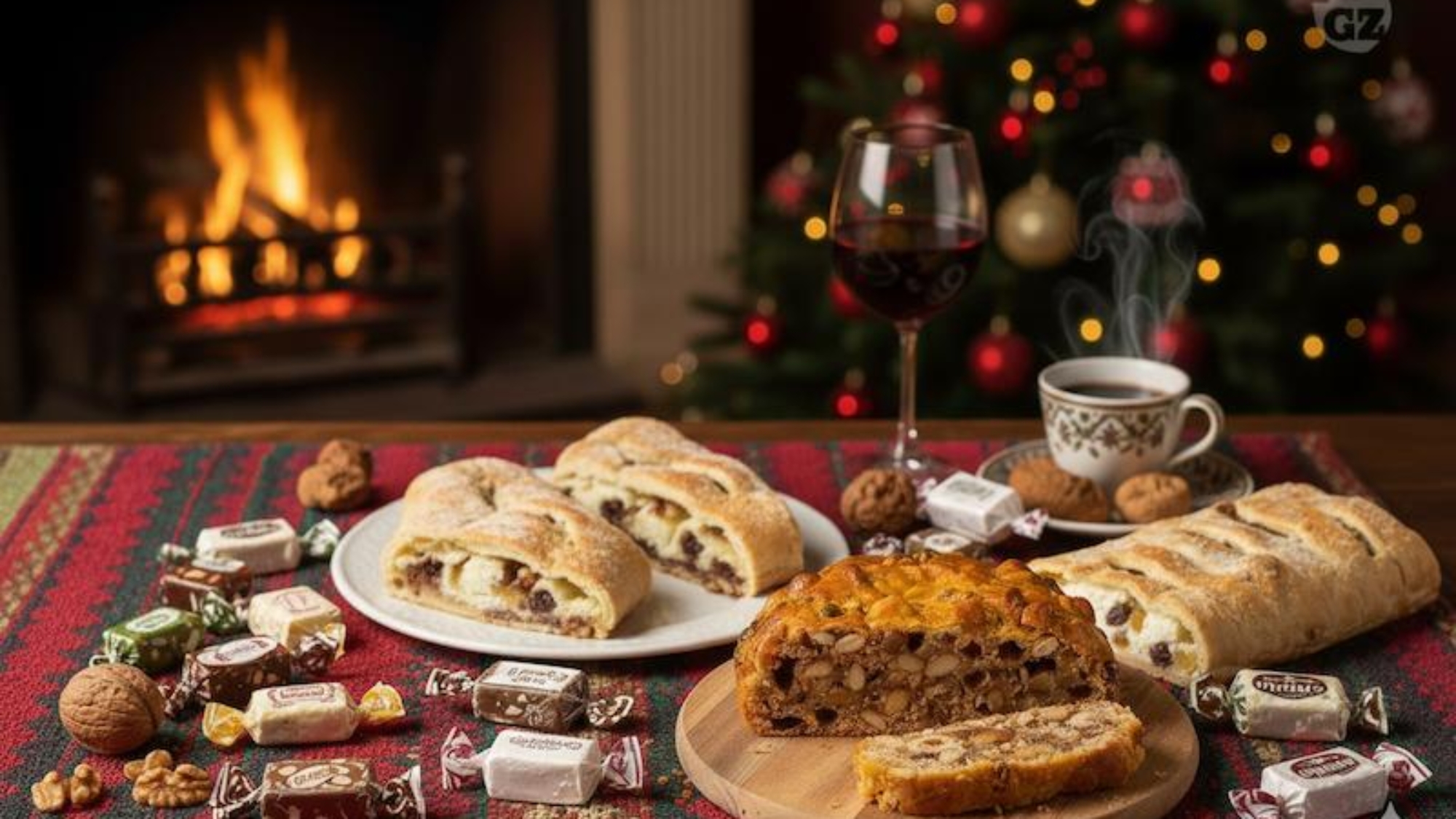
A lesser-known but beloved holiday dessert, ricotta strudel reveals the city’s historic mix of cultures. Influenced by Central European traditions, Romans adopted and reshaped it.

What makes the Roman version distinct:

  • Sweet ricotta with orange zest

  • Chocolate chips

  • Raisins

  • A thin, delicate pastry crust

Where to enjoy it:

Local pastry shops in the Ghetto and Prati often prepare strudel fresh throughout December.

Pizza Ebraica di Beridde: The Sweet Soul of the Ghetto

One of Rome’s most authentic Christmas sweets is Pizza Ebraica, a dense fruit-and-nut cake cherished by the Jewish community. It is traditionally eaten during festive winter celebrations.

Ingredients full of symbolism:

  • Almonds

  • Pine nuts

  • Raisins

  • Candied fruit

  • Anise

  • Honey

Its flavor is rustic, intense, and unmistakably Roman.

Where to taste it:

The historic bakeries of the Jewish Ghetto remain the best places to experience this treat in its purest form.

Mostaccioli: Ancient and Aromatic

Roman mostaccioli date back to antiquity and were once made with grape must (mosto), hence the name.

What characterizes them:

  • Dense, slightly chewy texture

  • Spices such as cinnamon and cloves

  • Sometimes a chocolate glaze

They are perfect with a glass of sweet wine on cold December evenings.

Where to try them:

Small family-run forni in outer Roman neighborhoods often make the most authentic versions.

Torroncini Romani: A Festive Classic

Although torrone is common throughout Italy, Rome has its own beloved torroncini—bite-sized nougat pieces sold in small winter cones at bakeries and Christmas stalls.

Why locals love them:

  • Crunchy almond or hazelnut centers

  • Variants with chocolate coatings

  • Light honey aroma

Where to taste them:

The markets of Piazza Navona traditionally offer delicious handmade torroncini in December.

Final Thoughts

Roman Christmas sweets are a journey into the city’s layered history—ancient rituals, Jewish heritage, Renaissance spices, and family kitchens that keep these flavors alive. Tasting them means experiencing Rome’s winter soul, warm and generous, shaped by centuries of tradition.

Whether you wander through historic bakeries or join a guided tasting, these desserts offer a delicious way to discover the Eternal City during the holidays.

christmas in paris

Christmas in Parisian Neighborhoods: The Authentic Traditions Street by Street

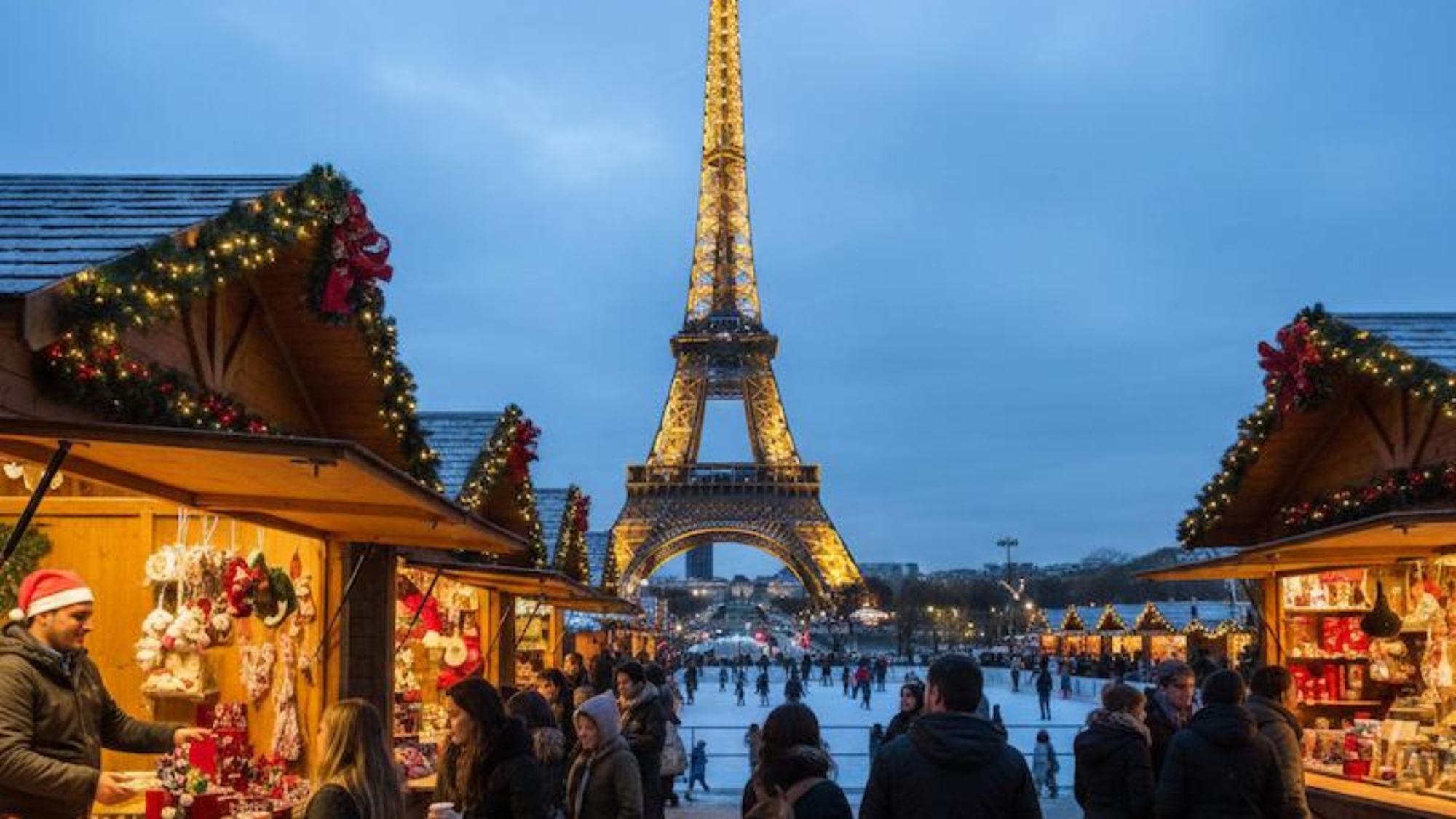
Paris at Christmas is more than grand boulevards and famous lights. Beyond the Champs-Élysées and department-store windows lies a quieter, more intimate celebration—the Christmas lived by Parisians themselves, street by street, in small traditions passed down through neighborhoods, bakeries, cafés, and local artisans.

To experience this authentic side of the city, our Paris guided tours reveal the festive rituals of its districts, guiding travelers through lesser-known streets where Christmas still feels local, warm, and sincere.

Le Marais: Candles, Bakeries, and the Scent of Winter

In Le Marais, Christmas is a blend of elegance and neighborhood charm.

  • The Jewish bakeries prepare winter pastries and traditional sweets.

  • Boutique windows glow with handmade decorations and artisanal gifts.

  • Rue des Rosiers fills with the warm aromas of spices, citrus, and fresh bread.

Locals stroll through quiet courtyards and hidden passages like Cour de Venise and Hôtel de Sully, where decorations are discreet but full of atmosphere—simple, intimate, absolutely Parisian.

Montmartre: Christmas on the Hilltop

The narrow streets of Montmartre turn into a village scene during December.

  • Rue des Abbesses is lined with small markets selling cheese, vin chaud, and handmade ornaments.

  • Musicians play old French melodies in front of cafés warmed by glowing lamps.

  • Residents gather near Place du Tertre for neighborhood festivities, far gentler and quieter than the tourist bustle of summer.

The church of Saint-Pierre de Montmartre hosts candlelit services, while side streets like Rue Cortot offer magical views of Paris under winter lights.

Saint-Germain-des-Prés: Literary Christmas Traditions

Christmas here feels warm, cultured, and beautifully understated.

  • Historic cafés like Le Procope and Les Deux Magots become cozy winter refuges.

  • Bookshops decorate their windows with classics wrapped in festive paper.

  • The church of Saint-Germain-des-Prés hosts intimate concerts with ancient Christmas music.

And along Rue Bonaparte, small chocolatiers create limited-edition seasonal treats cherished by locals for generations.

Belleville and Ménilmontant: A Multicultural Festive Tapestry

In these creative districts, Christmas blends traditions from all over the world.

  • Asian pastry shops offer winter specialties and warm buns.

  • North African bakeries prepare semolina cakes and honey pastries enjoyed during family gatherings.

  • Street art takes on winter themes, with seasonal murals decorating alleyways.

It’s one of the most authentic places to feel Paris’s true cultural soul during the holidays.

Canal Saint-Martin: A Quiet, Artistic Christmas

Locals come here to escape the chaos of the city center.

  • Independent stores on Rue de Marseille and Rue Beaurepaire display handmade crafts, ceramics, and eco-friendly gifts.

  • Cafés along the canal serve hot chocolate and tea from small Parisian roasteries.

  • Bridges reflect soft lights on the water, creating one of the most atmospheric winter scenes in the city.

Christmas here is slow, aesthetic, and perfect for contemplative walks.

Latin Quarter: Old Traditions in Ancient Streets

In the historic streets around Place de la Contrescarpe, Christmas feels like stepping into old Paris.

  • Small churches host nativity scenes crafted by local artists.

  • Old taverns and wine bars offer seasonal dishes like cheese fondue, winter soups, and mulled wine.

  • Street musicians play festive songs near Rue Mouffetard’s market, where locals buy ingredients for Christmas Eve dinner.

It’s cheerful, lively, and full of neighborhood warmth.

Local Christmas Foods You’ll Find Only in Parisian Districts

  • Bûches de Noël from artisan pâtisseries with unique, district-specific flavors.

  • Pain d’épices made with local honey and winter spices.

  • Foie gras and terrines from small producers at neighborhood markets.

  • Oysters and seafood stands that appear outside local cafés in December.

Each neighborhood shapes its own edible Christmas traditions, revealing a small piece of Parisian identity.

Final Thoughts

Christmas in Paris is not only lights and grand boulevards—it’s the glow of candles in hidden courtyards, the scent of winter pastries in small bakeries, the laughter from a neighborhood market, the quiet concerts in ancient churches, and the delicate decorations hanging from balconies in forgotten streets.

Exploring Paris district by district during December means experiencing the city’s most intimate and authentic holiday season, where traditions are lived—not staged—and where every corner reveals its own winter charm.

courtyards-venice

The Courtyards of Venice: Medieval Micro-Districts Frozen in Time

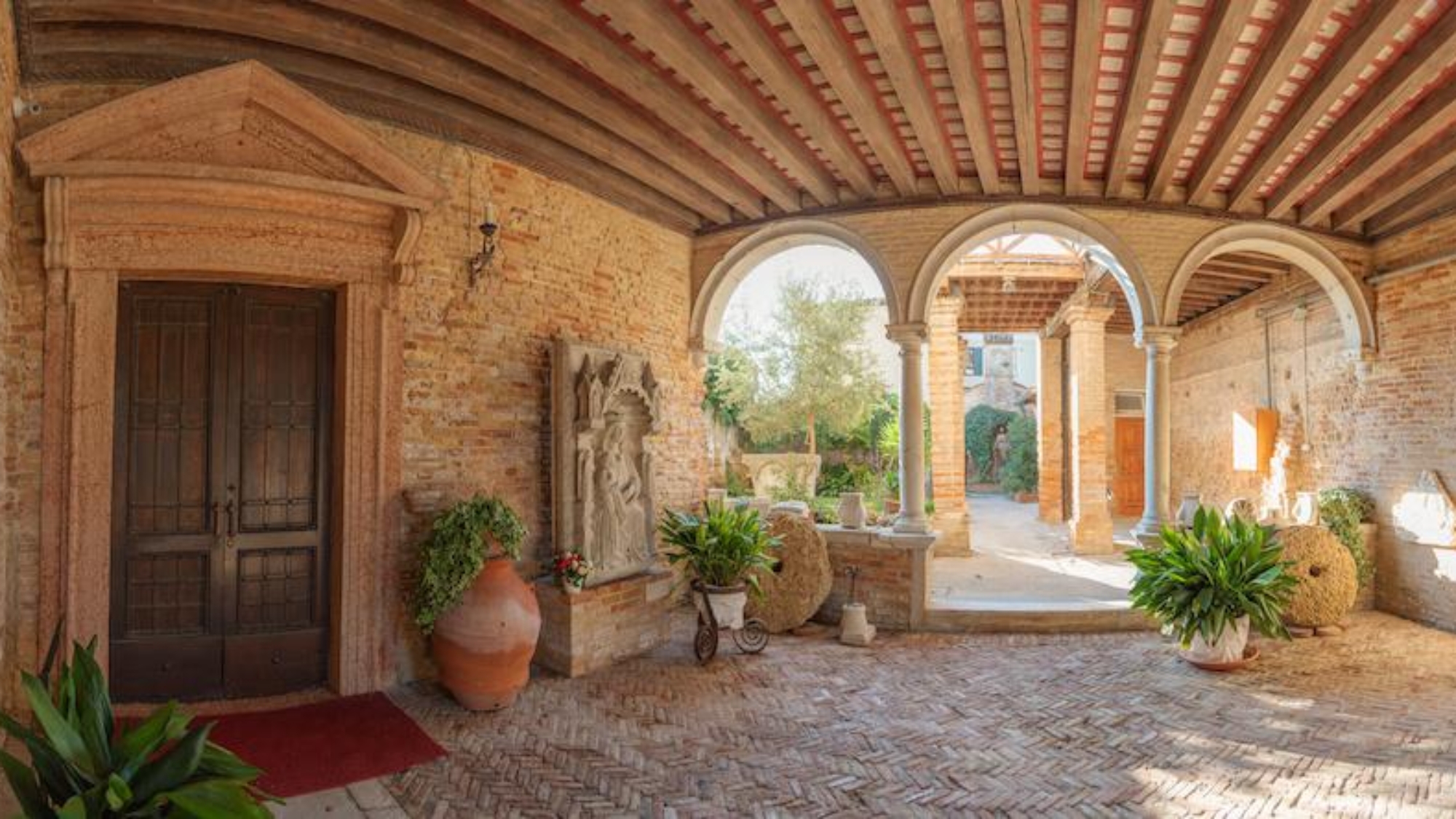
Beyond the crowded calli and iconic canals, Venice hides a network of corti—tiny medieval courtyards that once formed the beating heart of neighborhood life. These small enclosed spaces were true micro-districts, where families shared wells, stories, and daily routines. Today, many of these corti remain wonderfully intact, offering a rare glimpse into a Venice that has barely changed for centuries.

To discover these hidden corners with local experts, our Venice tours include walking routes through secret corti and ancient micro-neighborhoods rarely visited by tourists.

What Are the Corti of Venice?

A corte is a small, enclosed courtyard accessible through narrow passages called sotoporteghi. In the Middle Ages, Venice was divided into clusters of homes built around shared spaces, wells, and meeting points. Each corte formed a world of its own—part social hub, part protective enclave.

Stepping into one today feels like unlocking a door to the Venetian past.

Corte del Milion: Marco Polo’s Neighborhood

Near the Rialto district lies Corte del Milion, where Marco Polo is believed to have lived. Surrounded by ancient walls and marked by inscriptions and carved stones, it retains the atmosphere of a medieval merchant quarter. Walking here, you can almost imagine Polo returning from his travels with stories from far-off lands.

Corte Botera: Echoes of Old Crafts

Named after ancient artisans, Corte Botera preserves the memory of medieval craftsmanship. The area once hosted workshops for bottai, or barrel makers, essential to Venice’s wine trade. Today it remains a quiet refuge with stone facades and intimate corners where time seems suspended.

Corte Nova: A Sanctuary in Castello

In the Castello district, Corte Nova is known for its devotional altars and protective symbols painted on walls—charms once used to ward off plague and misfortune. This corte is a perfect example of how Venetians blended spirituality and everyday life, creating a shared sanctuary within their micro-community.

Corte Tron: Noble Echoes

Corte Tron, near San Stae, belonged to one of Venice’s influential patrician families. Its elegant stone archways and decorative elements reveal how corti could also be prestigious spaces attached to noble residences. It is one of the most atmospheric courtyards in the city, best visited in the soft light of late afternoon.

Corte Barbaro: The Intimacy of Dorsoduro

In Dorsoduro, Corte Barbaro is a quiet pocket surrounded by historic buildings and small gardens. Its peaceful atmosphere makes it ideal for travelers seeking an authentic moment away from the main routes. Here, the sense of community that defined medieval Venice is still palpable.

Why Visit Venice’s Corti in November

  • Silence and mist enhance their mysterious charm.

  • Fewer visitors allow for slow, immersive exploration.

  • Perfect photography: light and humidity reveal every texture of stone and brick.

  • Atmospheric storytelling: many corti are linked to legends, ghosts, or ancient trades.

Tips for Exploring the Corti

  • Look for sotoporteghi: dark passageways usually lead to hidden corti.

  • Respect the residents: many corti are still inhabited by local families.

  • Go early or at dusk for a more intimate experience.

  • Join a Venice tour to learn about the symbols, wells, and stories behind each courtyard.

Final Thoughts

The corti of Venice are more than architectural features—they are living fragments of medieval life, preserved in stone and silence. Exploring them means discovering a Venice beyond its postcards: intimate, secretive, deeply human. In these quiet micro-districts, the city reveals its oldest soul, waiting patiently for curious travelers to step inside.

chianti-hills

Autumn Weekend in Chianti: Exploring Villages and Wineries Among the Hills

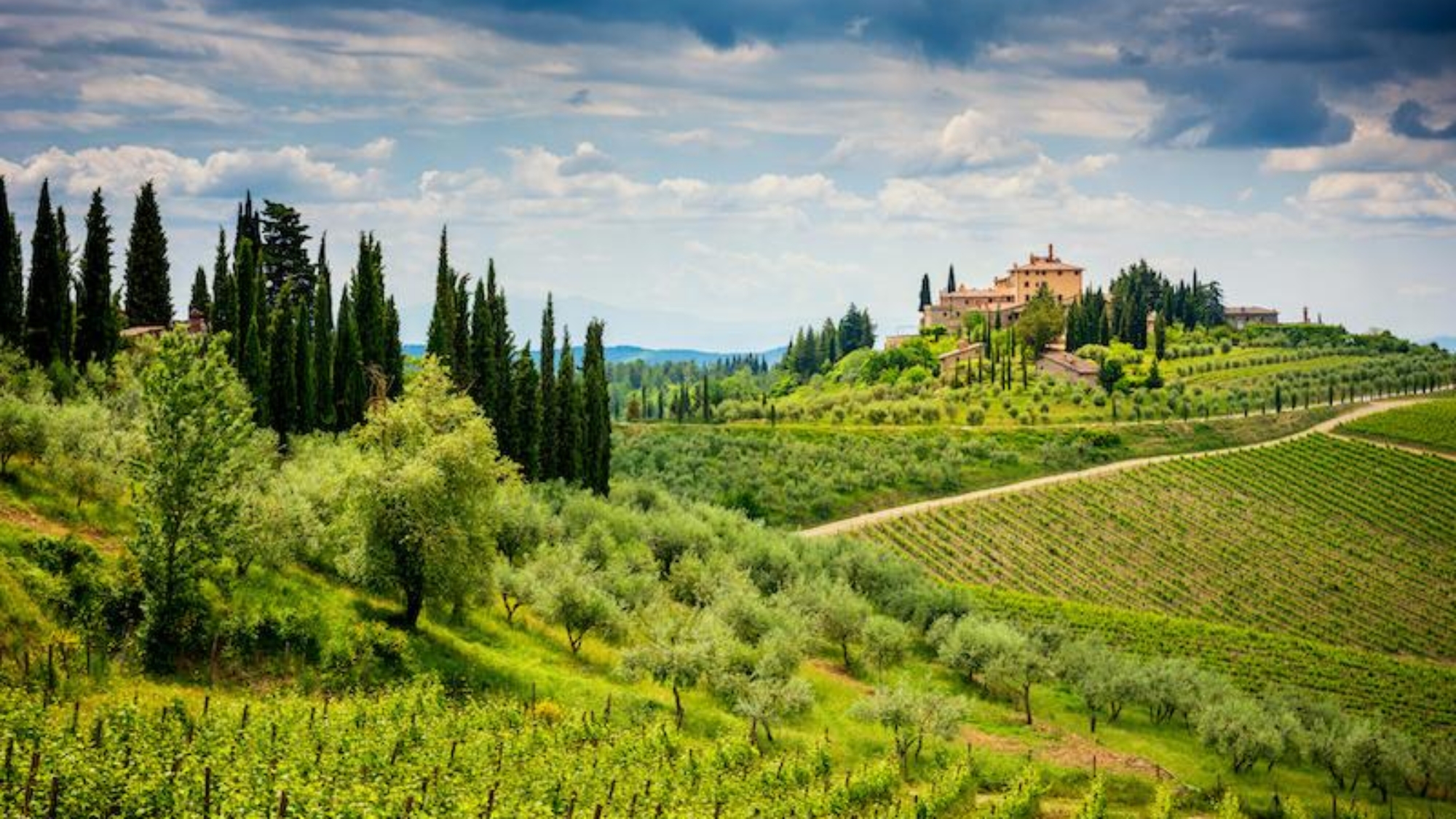
Few places capture the essence of Tuscany in autumn like Chianti, where rolling vineyards and medieval villages glow under golden light. Between September and November, the landscape transforms into a palette of amber, red, and green, making it the perfect season for slow travel among wine, history, and tradition.

For those wishing to explore this enchanting region in depth, our Florence tours include curated itineraries through the Chianti hills, combining wine tastings, local gastronomy, and visits to some of Tuscany’s most beautiful villages.

The Essence of Chianti in Autumn

Autumn in Chianti is harvest season—a celebration of wine, olive oil, and community. The air smells of crushed grapes, and locals gather in cantinas to toast the new vintage. It’s a time when visitors can experience the region’s authenticity, with smaller crowds and a warmer, more intimate atmosphere.

Greve in Chianti: The Gateway to the Hills

Just south of Florence, Greve in Chianti is considered the heart of the region. Its triangular piazza hosts the Saturday market, where local producers sell cheeses, salumi, and bottles of ruby-red Chianti Classico. Stop by the Enoteca Falorni, a historic wine cellar offering tastings from over 100 local vineyards—an unmissable experience for wine lovers.

Castellina, Radda, and Gaiole: The Chianti Triangle

These three medieval villages form the soul of Chianti Classico.

  • Castellina in Chianti enchants visitors with its cobbled alleys and the Via delle Volte, a covered passage beneath ancient stone walls.

  • Radda in Chianti offers sweeping views of vineyards and olive groves, ideal for a scenic afternoon walk.

  • Gaiole in Chianti, surrounded by castles and wine estates, is home to the famous Castello di Brolio, where the Ricasoli family created the original Chianti recipe in the 19th century.

Each village tells its own story of artisans, noble families, and farmers united by the land.

Wine Cellars and Tastings

No visit to Chianti is complete without stepping inside one of its historic cantinas. Many are housed in centuries-old estates where tradition meets innovation. Visitors can tour the cellars, learn about winemaking, and taste the region’s most iconic labels, from Chianti Classico DOCG to small organic vintages. Pairing these wines with local dishes—wild boar stew, ribollita, or pecorino drizzled with honey—creates an unforgettable sensory journey.

Autumn Traditions and Events

  • Cantine Aperte in Vendemmia: during the grape harvest, wineries open their doors for guided tours and tastings.

  • Sagre d’autunno: local festivals celebrate mushrooms, truffles, and chestnuts.

  • Olive Oil Tastings: in late October and November, the first pressing of new oil—olio nuovo—offers a bright, peppery flavor unique to the season.

Tips for a Perfect Autumn Weekend

  • Base yourself in Greve or Radda, ideal starting points for exploring the region by car.

  • Book tastings in advance, especially on weekends.

  • Visit early in the morning for the best light and quieter roads.

  • Bring layers—Chianti mornings can be cool, but afternoons remain pleasantly warm.

Final Thoughts

An autumn weekend in Chianti is a feast for the senses—colors, scents, and flavors blending into one timeless experience. Among its vineyards, stone villages, and warm-hearted people, visitors discover the true rhythm of Tuscany: slow, generous, and rooted in the land.

jewish-ghetto-trattoria

Walks Through Rome’s Jewish Ghetto: History, Flavor, and Tradition

Few places in Rome hold as much history and emotion as the Jewish Ghetto, located between the Tiber River and the ancient Teatro di Marcello. Established in 1555, it is one of the oldest Jewish quarters in the world and remains a living symbol of resilience, community, and cultural fusion. Every street here tells stories of faith, struggle, and an unbroken bond with the Eternal City.

To experience this fascinating district with expert guides, our Rome tours include walking itineraries through the Jewish Ghetto, exploring its landmarks, culinary traditions, and centuries-old history.

A District with Deep Roots

The Ghetto was created when Pope Paul IV ordered that all Jews in Rome reside in a confined area, walled off and flooded each winter by the Tiber. Despite hardship, the Jewish community preserved its traditions and contributed immensely to the city’s culture—from language to cuisine.

When the walls were finally torn down in the 19th century, the Ghetto emerged as one of Rome’s most characterful neighborhoods—a place where memory and daily life intertwine.

Historical Highlights

  • The Great Synagogue of Rome: Built in 1904, it stands as a majestic symbol of freedom and endurance. Its square dome dominates the skyline and houses the Jewish Museum of Rome, which documents over two millennia of Jewish presence in the city.

  • Portico d’Ottavia: The remains of this ancient Roman structure frame one of the Ghetto’s most atmospheric corners, where history meets the rhythm of local life.

  • The Turtle Fountain (Fontana delle Tartarughe): A Renaissance masterpiece in Piazza Mattei, known for its delicate bronze turtles and graceful harmony.

A Culinary Legacy Like No Other

The Roman-Jewish cuisine, or Cucina Ebraica Romana, is among the most distinctive in Italy. Influenced by centuries of tradition and adaptation, it offers dishes both simple and rich in meaning.

Don’t miss:

  • Carciofi alla Giudia: deep-fried artichokes, crisp and golden, a true symbol of the Ghetto.

  • Filetti di baccalà: fried cod served hot and flaky.

  • Pizza Ebraica di Beridde: a dense, sweet pastry filled with nuts, raisins, and candied fruit.

Daily Life and Atmosphere

Strolling through Via del Portico d’Ottavia, you’ll find small kosher bakeries, family-run trattorias, and the quiet hum of Roman life. The Ghetto is not just a historical site—it’s a vibrant neighborhood, home to locals who carry on the customs of generations past.

Why Visit in Autumn or Winter

In the quieter months, the Jewish Ghetto reveals a more reflective side. The golden afternoon light on the Tiber, the scent of roasted artichokes, and the sound of footsteps on cobblestones create an intimate and authentic atmosphere—perfect for those seeking a deeper connection to the city.

Final Thoughts

A walk through Rome’s Jewish Ghetto is an encounter with history, memory, and life itself. From its ancient ruins to its living traditions, the district embodies the soul of the city—resilient, warm, and deeply human. It’s one of those rare places where the past is not just remembered, but still lived, every single day.

autumn-markets-paris

Autumn Markets and the First Flavors of Winter in Paris

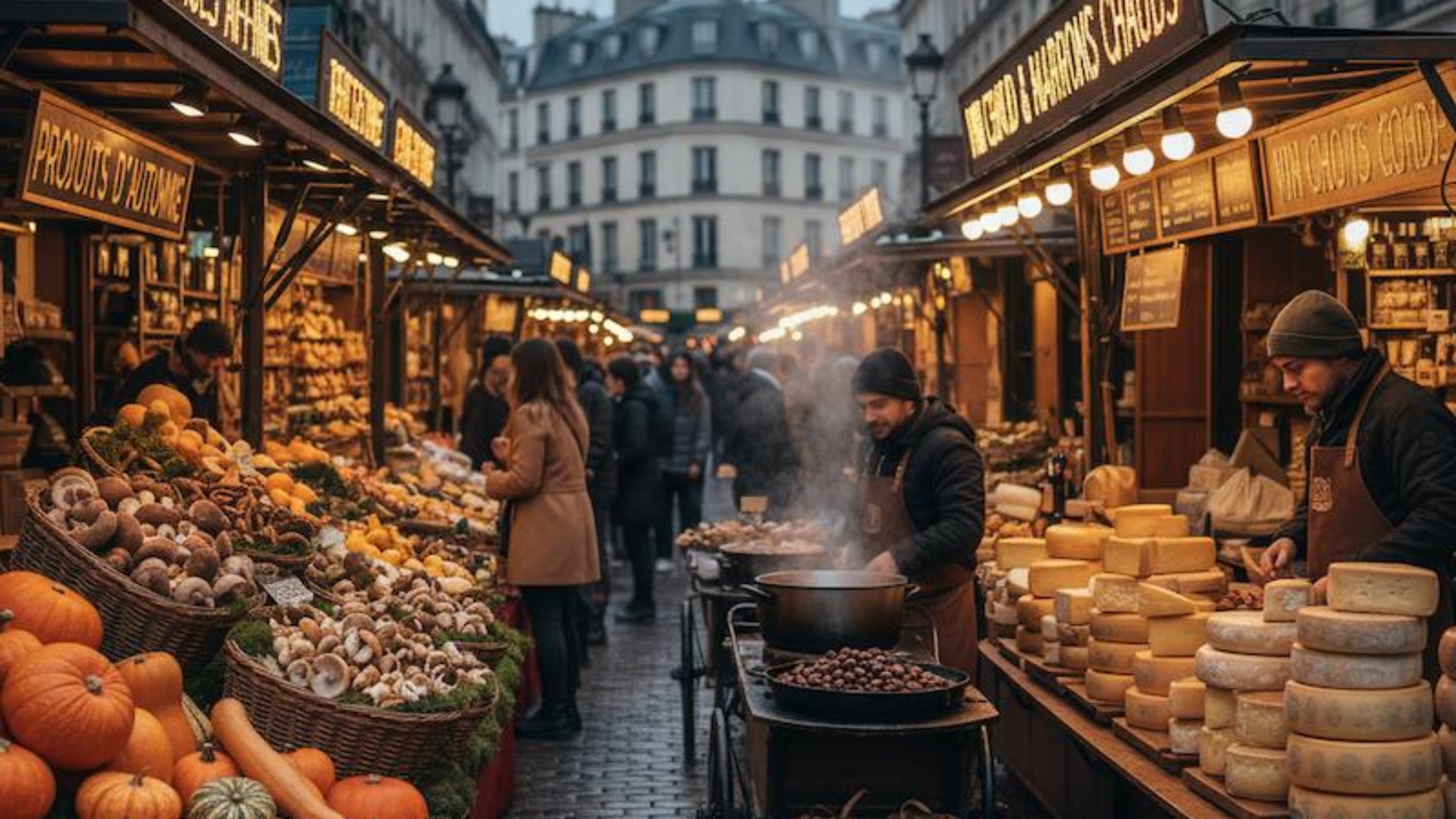
As autumn fades and the days grow shorter, Paris transforms into a city of warm colors, cozy aromas, and seasonal flavors. The markets fill with the bounty of the harvest—pumpkins, mushrooms, and chestnuts—while stalls slowly introduce the first delights of winter: truffles, cheeses, and mulled wine.

To experience this authentic side of the city, our Paris tours include visits to traditional markets and artisan boutiques, where locals shop for the finest seasonal products and regional specialties.

The Charm of Autumn Markets

Autumn is one of the most atmospheric times to visit Paris’s open-air markets. The crisp air and golden light create the perfect backdrop for exploring the city’s culinary culture.

  • Marché d’Aligre (12th arrondissement): A lively market where locals gather for fresh produce, cheeses, and wine. In autumn, the stalls overflow with pumpkins, apples, and wild mushrooms.

  • Marché des Enfants Rouges (Marais): The city’s oldest covered market, offering both traditional products and multicultural dishes. It’s the perfect place to taste seasonal soups and warm pastries.

  • Marché Saxe-Breteuil (7th arrondissement): Framed by the Eiffel Tower, this market showcases the elegance of Parisian gastronomy, from artisanal bread to mountain cheeses.

The Flavors of Late Autumn

The transition between autumn and winter in Paris brings a mix of earthy and comforting tastes:

  • Mushrooms: From chanterelles to porcini, they star in risottos and savory tarts.

  • Chestnuts: Roasted on street corners, they fill the air with an unmistakable seasonal scent.

  • Pumpkins and root vegetables: Found in velvety soups, served with crème fraîche or melted cheese.

  • Game meat and truffles: The first signs of winter indulgence on bistro menus.

Every bite reflects the changing rhythm of the seasons—a balance of freshness and warmth.

Cheeses, Wine, and the Coming of Winter

As the temperature drops, Parisians turn to hearty cheeses and red wines that embody the spirit of winter.

  • Mont d’Or: A creamy cheese baked in its wooden box and shared at the table.

  • Raclette and fondue: Popular in cozy brasseries and Alpine-style restaurants.

  • Vino novello and Beaujolais nouveau: Celebrated in November, these young wines accompany the season’s first festive gatherings.

Wine shops and markets mark this time with tastings and small events that celebrate conviviality and French terroir.

The First Christmas Stalls

By late November, Paris’s first Christmas markets begin to appear, adding lights and scents of cinnamon to the atmosphere.

  • Tuileries Garden Market: A blend of food stalls, crafts, and seasonal treats.

  • La Défense Christmas Village: One of the largest in the city, showcasing regional specialties and winter comfort food.

  • Montmartre Market: A charming mix of local artisans and festive delicacies beneath the glow of Sacré-Cœur.

These early markets bridge autumn and winter, combining the rustic flavors of the harvest with the sweetness of the holiday season.

Tips for Exploring Paris’s Autumn Markets

  • Go early in the morning: Markets are freshest before noon.

  • Taste as you explore: Vendors often offer samples—especially of cheese and charcuterie.

  • Bring cash and a reusable bag: Many stalls remain delightfully traditional.

  • Follow the seasons: Ask vendors about their favorite autumn or early winter recipes.

Final Thoughts

From the last chestnuts of autumn to the first hints of mulled wine, Paris’s markets tell the story of the city through taste and tradition. Visiting them in November means witnessing a moment of transformation—when the harvest gives way to winter comfort and the streets fill with aromas that warm both heart and spirit.

cicchetti venice

The Historic Osterias of Venice: Where Only Locals Go

Behind the elegant façades and tourist-filled canals, Venice hides a more intimate world made of ancient osterias, old taverns, and bacari where locals meet after work, share a glass of wine, and exchange stories. These places, often centuries old, preserve the soul of the lagoon through their recipes and rituals.

If you want to experience this side of the city, our Venice tours include visits to authentic bacari and osterias, guided by locals who reveal the real taste of Venetian life.

The Spirit of the Venetian Osteria

The osteria is much more than a restaurant—it’s a social institution. Born in the 13th century as simple taverns serving wine and small bites, they evolved into the heart of Venetian conviviality. The walls of many still bear the marks of centuries of laughter, politics, and poetry.

Here, menus are short, ingredients seasonal, and hospitality straightforward. The atmosphere is warm and lively, often accompanied by the clinking of glasses and the scent of the day’s dishes.

Osteria alla Vedova – Cannaregio’s Timeless Charm

Hidden in a narrow calle near Ca’ d’Oro, Osteria alla Vedova dates back to the 18th century. Its wooden interiors, old photos, and wrought-iron lamps create a nostalgic atmosphere.

Locals come here for its famous polpette—crispy fried meatballs served with a glass of house wine. It’s a quintessential Venetian experience, where conversations flow as easily as the vino della casa.

Cantina Do Mori – The Oldest Bacaro in Venice

Near the Rialto Bridge lies Cantina Do Mori, founded in 1462, and considered the oldest bacaro in the city. Its low ceiling, copper pots hanging from wooden beams, and dim lighting make you feel as though you’ve stepped into the past.

Legend has it that Casanova himself was a regular here, meeting lovers over ombre (small glasses of wine). Venetians still come for traditional cicchetti like sarde in saor, baccalà mantecato, and crostini with anchovies.

Osteria da Codroma – Dorsoduro’s Local Favorite

Far from the main tourist routes, Osteria da Codroma near Piazzale Roma is one of the most authentic addresses in the city. With a clientele made mostly of locals, it offers a true Venetian atmosphere where dialect and laughter fill the air.

Dishes like bigoli in salsa and fegato alla veneziana are prepared according to traditional recipes. It’s a place where time seems to slow down, and every meal becomes a conversation.

Al Bottegon (Cantinone Gia Schiavi) – Wine and Cicchetti with a View

In Dorsoduro, overlooking the Rio San Trovaso, Al Bottegon is a must for anyone who wants to enjoy cicchetti by the canal. Locals stop here on their way home for a quick glass of wine and a bite of something delicious.

Its counter is lined with dozens of colorful small toasts topped with seafood, cheese, or vegetables—a feast for the eyes as much as for the palate.

Osteria ai Pugni – Tradition in Motion

Located near Campo Santa Margherita, Ai Pugni (named after the nearby “Bridge of Fists”) is one of the few osterias where the historic Venetian spirit still thrives. The interior is simple, the food authentic, and the clientele almost entirely local.

Try the baccalà crostini and a glass of red from the Veneto region while observing the everyday life of students, workers, and artisans who keep the neighborhood alive.

Tips for Experiencing Venice Like a Local

  • Order cicchetti, not full meals: Venetians prefer to eat little and often, moving from one bacaro to another.

  • Ask for an “ombra”: That’s how locals order a small glass of wine—literally “a shadow.”

  • Avoid peak dining hours: Go around 6–8 PM for the authentic evening ritual.

  • Follow the locals: If you hear Venetian dialect and laughter, you’ve found the right spot.

Final Thoughts

The historic osterias of Venice are the beating heart of the city’s tradition—a place where stories are told, recipes are preserved, and life moves at the rhythm of conversation and clinking glasses. Visiting them means entering the real Venice, where time stands still and every glass of wine carries a piece of history.

florence-view-pixabay

Literary Walks in Florence: Following the Footsteps of Dante and Boccaccio

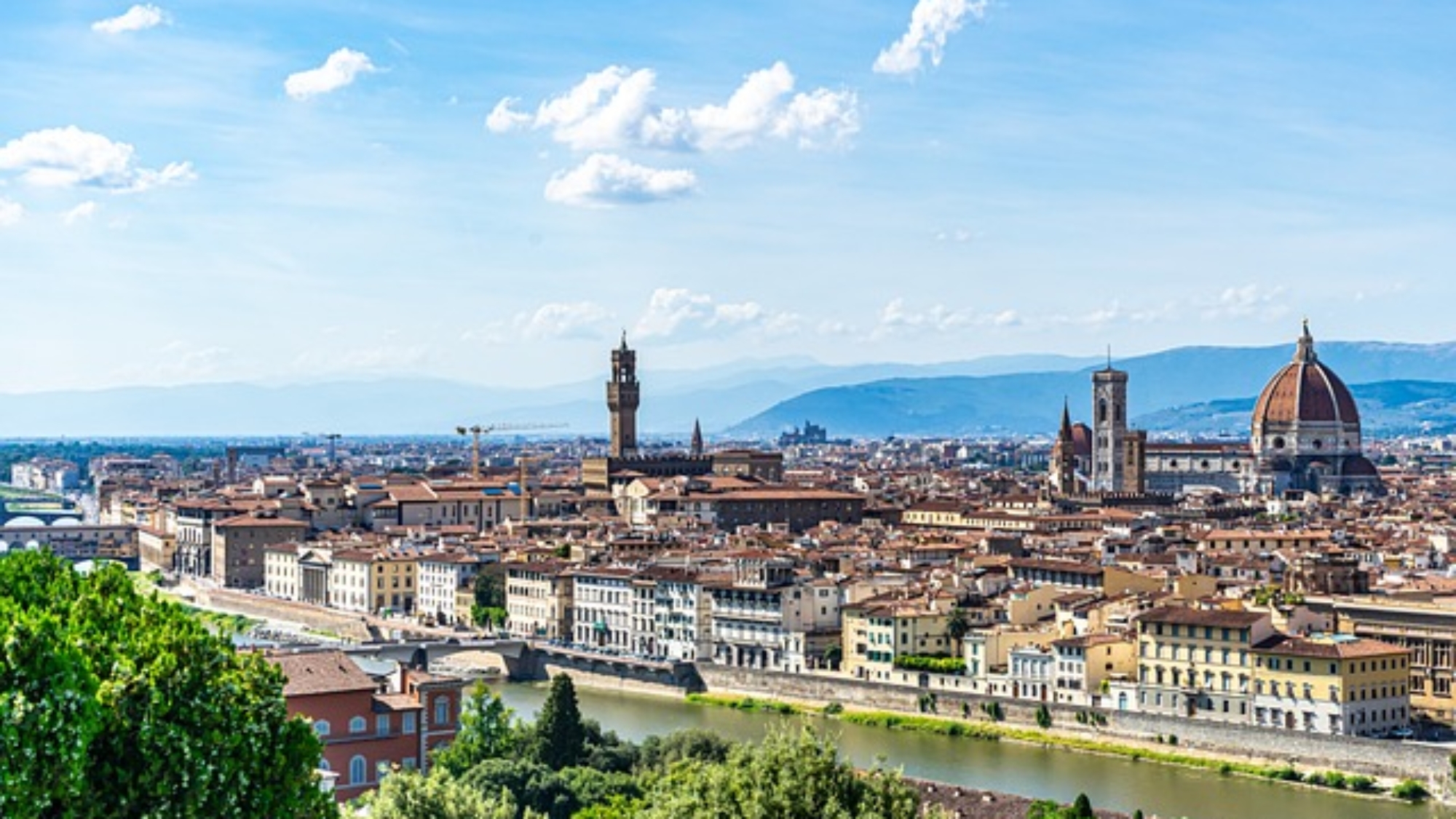
Florence is not only the cradle of the Renaissance but also the birthplace of Italian literature. Its medieval streets echo with the words of Dante Alighieri and Giovanni Boccaccio, two writers who transformed the Italian language and immortalized the city in their works. Walking through their neighborhoods, you can still sense the world that inspired their verses and stories.

To explore this side of the city with expert guides, our Florence tours include literary-themed walks that retrace the paths of Dante, Boccaccio, and the origins of the Italian language.

Dante’s Florence: The Poet’s City

Dante was born in 1265 in Florence, in what was then a bustling medieval commune. Many of the streets he knew still exist, their narrow alleys and stone houses retaining the atmosphere of the time.

Casa di Dante

In the heart of the old city, near Via Santa Margherita, stands the Casa di Dante, a museum dedicated to the poet’s life and works. It reconstructs the medieval environment and preserves manuscripts, maps, and relics connected to the Divine Comedy.

Chiesa di Santa Margherita dei Cerchi

Just a few steps away, this small church is associated with Beatrice Portinari, the woman Dante loved and celebrated in his poetry. Tradition says that visitors can leave messages of devotion here, following Dante’s timeless expression of love.

Piazza della Signoria and the Guilds

Dante was deeply involved in the political life of Florence. A walk through Piazza della Signoria and the surrounding streets reveals the power struggles of his time—conflicts between Guelphs and Ghibellines that ultimately led to his exile.

Boccaccio’s Florence: Stories of Everyday Life

A century later, Giovanni Boccaccio captured a different side of Florence—its humor, humanity, and complexity—through his masterpiece, the Decameron.

Santa Maria Novella

According to tradition, this is where the ten young protagonists of the Decameron met before fleeing to the countryside to escape the plague. The basilica’s cloisters still evoke the atmosphere of reflection and storytelling that shaped Boccaccio’s narrative.

Certaldo: The Writer’s Retreat

Just outside Florence lies Certaldo, Boccaccio’s birthplace and final home. The medieval village, perfectly preserved, offers an intimate look into his life. His house, now a museum, holds manuscripts and editions of his works. Visiting it feels like stepping into the quiet world of a 14th-century humanist.

Literary Florence Beyond the Monuments

Beyond specific sites, the entire historic center of Florence can be read as a living manuscript.

  • The narrow lanes around Via del Corso still recall the atmosphere of medieval storytelling.

  • The Biblioteca Nazionale Centrale preserves some of the oldest manuscripts of Dante and Boccaccio.

  • Small plaques around the city quote verses from the Divine Comedy, transforming Florence itself into a poem in stone.

Tips for a Literary Walk in Florence

  • Start early morning: The streets are quieter, allowing you to imagine medieval Florence more vividly.

  • Bring a copy of Dante or Boccaccio: Reading passages in the very places they describe adds depth to the experience.

  • Combine art and literature: Many frescoes in Florentine churches depict scenes inspired by Dante’s Inferno and Paradiso.

Final Thoughts

Following in the footsteps of Dante and Boccaccio means walking through the soul of Florence itself—a city where art, faith, and words blend into a timeless narrative. Each street, tower, and square recalls verses that shaped the Italian language and continue to inspire visitors centuries later.

Secret Rome: Hidden Undergrounds Beneath Baroque Churches

Rome’s baroque churches dazzle with frescoes, gilded altars, and dramatic architecture. Yet beneath their luminous facades lies another Rome—a hidden world of crypts, catacombs, and secret passages that whisper stories of faith, power, and mystery. Exploring these underground spaces is like peeling back centuries, uncovering the city’s layered history.

To dive deeper into these mysteries with expert guidance, our Rome tours include itineraries that reveal crypts, hidden chambers, and subterranean treasures far from the tourist crowds.

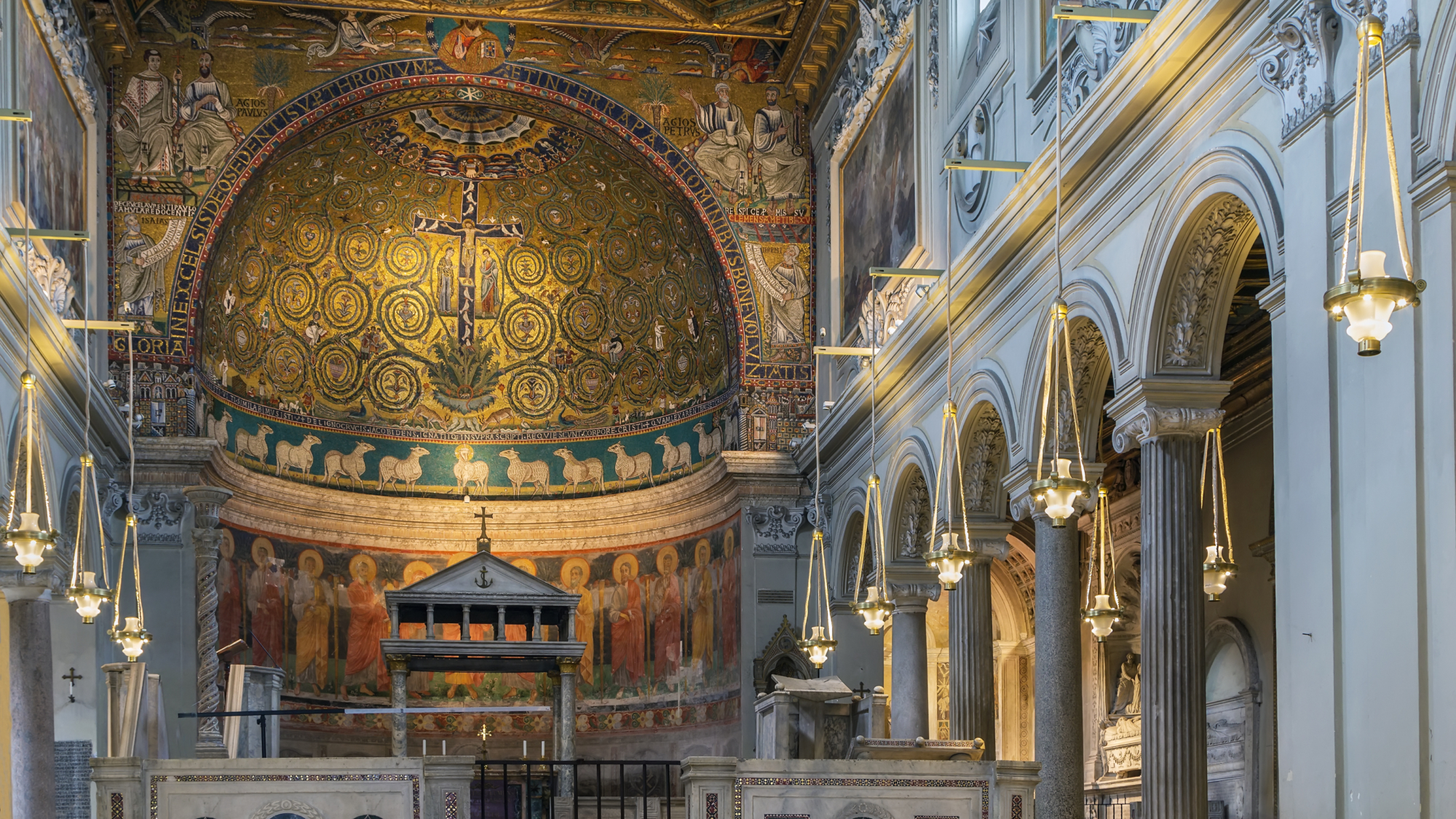
Basilica di San Clemente: A Journey Through Time

Perhaps the most famous example of Rome’s underground layers, the Basilica di San Clemente near the Colosseum offers a journey through history:

  • The baroque church on top dazzles with 17th-century frescoes and mosaics.
  • Below lies a 4th-century basilica filled with early Christian art.
  • Descend further to find a 1st-century Roman house and a Mithraic temple.

It is a perfect illustration of Rome’s eternal layers, stacked one on top of the other.

Santa Maria della Concezione dei Cappuccini

Known as the Capuchin Crypt, this church on Via Veneto holds one of Rome’s most macabre yet fascinating undergrounds. The chapels are decorated with the bones of over 3,000 friars, arranged in artistic patterns.

Far from being morbid, the crypt conveys a powerful message about the passage of time, with the inscription: “What you are now, we once were; what we are now, you shall be.”

Gesù e Maria al Corso: Hidden Crypts

Along Via del Corso, the church of Gesù e Maria hides crypts that are rarely visited. Beneath the ornate baroque interior, you’ll find burial chambers of noble families and clergy. These spaces reflect the close link between spirituality, art, and power in 17th-century Rome.

Santi Giovanni e Paolo al Celio

On the Celio Hill, beneath the baroque church of Santi Giovanni e Paolo, lies a labyrinth of Roman houses decorated with frescoes dating back to the 3rd century. Rediscovered in the 19th century, these underground rooms reveal pagan, Christian, and domestic life coexisting beneath a baroque sanctuary.

Santa Maria in Vallicella (Chiesa Nuova)

Built by Saint Philip Neri and the Oratorians, Chiesa Nuova conceals crypts and small chapels where early members of the congregation are buried. Though less famous than other sites, these spaces reflect the intimate spiritual life of Rome’s baroque era.

Why Explore Rome’s Underground Churches?

  • Multiple histories in one place: Baroque churches often stand on top of early Christian or even Roman sites.
  • Mystical atmosphere: Crypts and hidden passages carry an aura of silence and timelessness.
  • Unique stories: From pagan temples to Christian martyrs, these undergrounds are where legends and history intersect.

Tips for Visiting

  • Book guided tours: Some crypts and subterranean levels are only accessible with a guide.
  • Dress appropriately: Many of these sites are still places of worship.
  • Bring curiosity: Look for inscriptions, frescoes, and symbols often overlooked by casual visitors.

Final Thoughts

The undergrounds beneath Rome’s baroque churches are more than hidden chambers—they are time capsules where the city’s layered history reveals itself. From crypts lined with bones to ancient Roman houses preserved under sanctuaries, these subterranean worlds offer a journey into the forgotten depths of the Eternal City.