Why the Croissant Is One of Paris’ Most Famous Symbols
Few foods are as closely associated with Paris as the French croissant. Freshly baked every morning in thousands of bakeries across the city, the croissant has become an essential part of French breakfast culture and one of the first culinary experiences many visitors look forward to.
Its flaky layers, buttery aroma, and delicate texture have made it one of the world’s most beloved pastries.
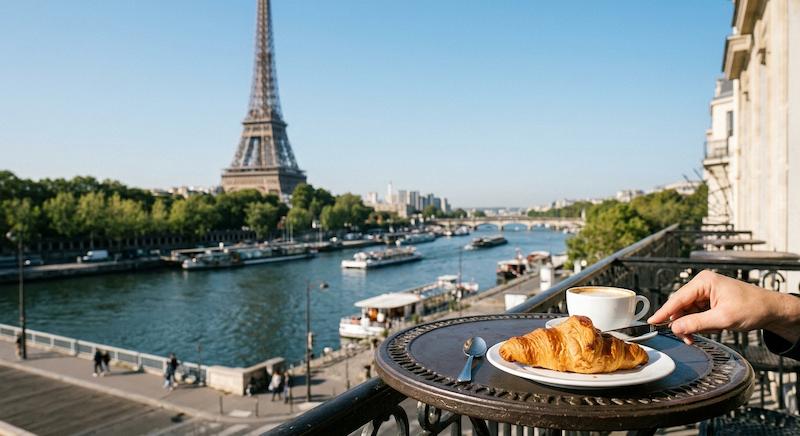
Many travelers begin their morning with a warm croissant before joining an Eiffel Tower guided tour or spending the day exploring the city’s historic neighborhoods and famous landmarks.
Was the Croissant Really Invented in France?
Surprisingly, the croissant did not originally come from France.
Its earliest ancestor was the kipferl, a crescent-shaped pastry that appeared in Austria centuries before the croissant became famous in Paris.
According to one of the most popular legends, Viennese bakers created the pastry to celebrate the defeat of the Ottoman army during the Siege of Vienna in 1683.
Although historians still debate this story, it helped establish the crescent shape that later inspired the French version.
How the Croissant Became a Parisian Icon
The modern French croissant was perfected in Paris during the nineteenth century.
French bakers transformed the original Austrian pastry by introducing laminated dough made with generous amounts of butter, creating the light, crispy texture that defines today’s croissant.
Over time, the croissant became one of the symbols of Parisian cafés, neighborhood bakeries, and the city’s relaxed breakfast culture.
Today, enjoying a fresh croissant at a local boulangerie is considered one of the most authentic experiences in Paris.
Visitors interested in experiencing authentic Paris beyond the major attractions often discover that neighborhood bakeries reveal just as much about the city as its famous monuments.
What Makes a Real French Croissant Different?
Not every croissant is created equal.
Traditional French croissants are made using high-quality butter and carefully laminated dough that creates dozens of delicate layers.
A genuine French butter croissant should have:
- A crisp golden exterior
- Light and airy layers
- A rich buttery aroma
- A soft interior with a honeycomb texture
Many artisan bakeries continue to prepare croissants by hand every morning using traditional methods passed down through generations.
Where to Try the Best Croissants in Paris
Paris is home to thousands of bakeries, but a few have earned international recognition for the quality of their pastries.
Du Pain et des Idées
Widely considered one of the city’s finest bakeries, this historic establishment is famous for its perfectly laminated croissants and beautiful Belle Époque interior.
Stohrer
Founded in 1730, Stohrer is the oldest pastry shop in Paris and an excellent place to experience traditional French baking.
Maison d’Isabelle
Located near the Latin Quarter, Maison d’Isabelle has won awards for its exceptional butter croissants and artisanal craftsmanship.
Blé Sucré
A favorite among locals, Blé Sucré is renowned for producing some of the flakiest croissants in the city.
Exploring these bakeries is a wonderful way to experience Paris like a local, especially before visiting the city’s iconic attractions.
How French People Eat Croissants
Unlike many international breakfast traditions, the French usually enjoy croissants in a simple way.
A typical Parisian breakfast may include:
- A butter croissant
- Coffee or café au lait
- Fresh orange juice
Some people like to dip their croissant into coffee, while others enjoy it plain to appreciate the quality of the pastry.
Contrary to popular belief, croissants are rarely eaten as sandwiches in France.
Croissant Myths and Interesting Facts
Are All Croissants Made with Butter?
No.
Some commercial bakeries use margarine instead of butter.
Look for the words “croissant au beurre” if you want the traditional version.
Why Are French Croissants So Flaky?
The answer lies in the process of laminating the dough.
Alternating layers of butter and dough create the delicate texture that distinguishes authentic French croissants.
Do French People Eat Croissants Every Day?
Not necessarily.
Although croissants are extremely popular, many French people reserve them for weekends or special breakfasts.
Best Places to Enjoy a Croissant with a View
One of the pleasures of visiting Paris is combining great food with unforgettable scenery.
Some visitors enjoy breakfast before exploring the Eiffel Tower, while others prefer a quiet café overlooking the Seine River or a hidden square in Le Marais.
A morning spent discovering local bakeries before joining a Paris Eiffel Tower tour offers the perfect balance between authentic local culture and world-famous attractions.
Photography Tips for Food Lovers
If you enjoy photographing food during your travels, Paris offers endless inspiration.
For the best results:
- Visit bakeries early in the morning.
- Use natural window light.
- Photograph pastries before the breakfast rush.
- Capture the atmosphere of traditional boulangeries as well as the food itself.
Many photographers also enjoy combining Parisian food experiences with visits to the city’s most atmospheric streets at night, creating a complete visual story of Paris.
Frequently Asked Questions About French Croissants
Are croissants originally French?
No. Their origins are linked to Austria, but the modern croissant was perfected in France.
What is the difference between a croissant and a kipferl?
The kipferl is denser and less buttery, while the French croissant uses laminated dough to create its famous flaky texture.
What is the best time to buy croissants?
Early morning is usually the best time, when bakeries have just finished baking.
What does “croissant au beurre” mean?
It indicates that the croissant has been made with butter rather than margarine.
Where can you find the best croissants in Paris?
Many travelers recommend artisan bakeries such as Du Pain et des Idées, Maison d’Isabelle, Stohrer, and Blé Sucré.
Final Thoughts
The French croissant is much more than a pastry—it is a symbol of Parisian culture, craftsmanship, and everyday life.
Whether you enjoy one in a neighborhood bakery, a historic café, or before beginning an Eiffel Tower guided experience, tasting an authentic croissant is one of the simplest and most rewarding ways to experience Paris.
Combined with walks through historic neighborhoods, hidden courtyards, and the city’s iconic landmarks, this timeless pastry offers another delicious reason to fall in love with the French capital.