One of the first things visitors notice in Rome is the constant presence of water. Fountains appear in grand piazzas, hidden streets, and quiet neighborhoods. Small public water sources flow continuously across the city, offering fresh drinking water to anyone passing by.
This is not accidental decoration. Water has shaped Rome for more than two thousand years and remains one of the most important elements of the city’s identity.
Many travelers discover these hidden details through Rome guided tours, where guides explain how fountains, aqueducts, and public water systems helped define everyday life in the Eternal City.
Ancient Rome Was Built Around Water
The Romans were extraordinary engineers, especially when it came to water management.
Ancient aqueducts transported water from distant sources directly into the city, allowing Rome to support a massive population long before modern infrastructure existed.
This water was used for:
- public baths
- fountains
- drinking water
- private homes
- sanitation systems
The abundance of water became a symbol of Roman power and sophistication.
Fountains Were Functional Before They Became Decorative
Today many fountains are admired for their beauty, but originally their main purpose was practical.
Public fountains allowed residents to:
- collect drinking water daily
- access clean water near their homes
- cool down during hot summers
Even small fountains in narrow streets once played an essential role in daily survival.
The “Nasoni” Still Provide Free Drinking Water
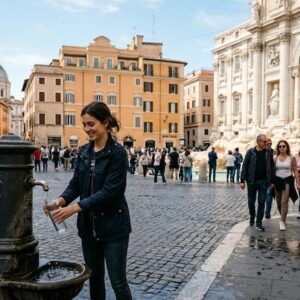
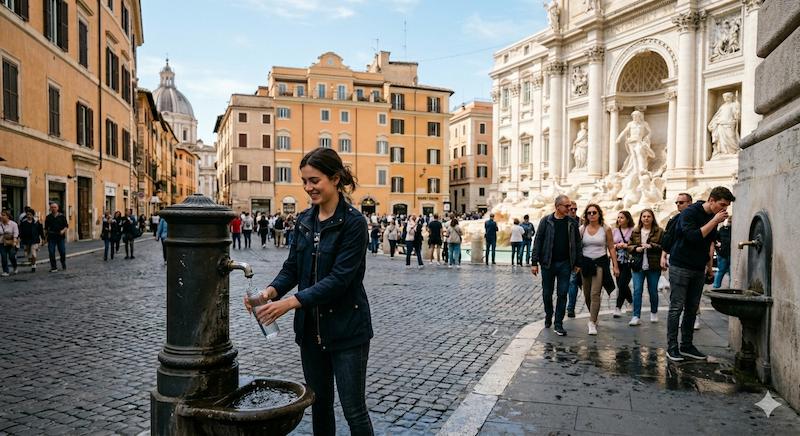
Across Rome you will notice small cast-iron fountains called nasoni, named after their curved spouts that resemble noses.
These fountains continuously provide free drinking water and are still widely used by locals and visitors.
They represent one of the oldest traditions still functioning in the modern city.
Water Was Also a Symbol of Prestige
As Rome became more powerful, fountains evolved into displays of wealth and political influence.
Large monuments such as the Trevi Fountain were designed not only to provide water, but also to:
- celebrate engineering achievements
- impress the public
- demonstrate the generosity of rulers and popes
Water became both practical and symbolic.
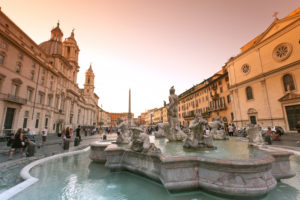
Why There Are So Many Fountains in Piazza and Streets
Rome’s urban design developed around water distribution points.
This is why fountains appear almost everywhere:
- major squares
- crossroads
- residential districts
- near churches and markets
The city was planned so that water would always remain accessible.
Fountains Help Rome Feel Cooler in Summer
Beyond history, fountains still influence the atmosphere of Rome today.
The sound and movement of water help:
- create cooler public spaces
- soften traffic noise
- make piazzas feel more relaxing
This is one reason Rome feels so alive during spring and summer evenings.
The Connection Between Water and Roman Identity
For centuries, access to water represented civilization, comfort, and power. Rome embraced this idea more than almost any other city in Europe.
Its fountains are not isolated monuments. Together, they form a network that reflects the city’s history, engineering, and daily rhythms.
Final Thoughts
Rome’s fountains are far more than beautiful decorations. They are the visible result of an ancient system that shaped how the city functioned for centuries.
Understanding this changes the way you see Rome. Every fountain, from monumental masterpieces to small street corners, becomes part of a much larger story about engineering, public life, and the identity of the Eternal City.