redentore festival venice

Venice’s Redentore Festival: Origins, Traditions, and How to Experience It

Among Venice’s many traditions, the Festa del Redentore stands out as a powerful blend of religious devotion, communal spirit, and spectacular celebration. Held every third weekend of July, it’s a deeply rooted event that commemorates the end of a devastating plague, while bringing the city together in a vibrant and moving summer ritual.
For a front-row seat to the festivities, consider one of our Venice tours.

Origins: A Plague, a Promise, and a Church

The Festa del Redentore dates back to 1577, when Venice was emerging from a terrible outbreak of the plague that had killed over 50,000 people—nearly a third of the city’s population.

To thank God for deliverance, the Venetian Senate commissioned the construction of a church dedicated to the Redeemer (Il Redentore), designed by Andrea Palladio, one of the great architects of the Renaissance. The basilica was built on Giudecca Island, and every year since, the city has honored that vow with a celebration of faith and remembrance.

The Floating Bridge: A Temporary Pilgrimage

One of the most iconic elements of the Festa del Redentore is the construction of a floating bridge made of barges that connects the Zattere area of the city to the Church of the Redentore on Giudecca Island.

The bridge is built specifically for the weekend of the festival and is open to the public from Saturday evening until Sunday night. Walking across it is a symbolic act of thanksgiving, and many locals make the crossing as a form of personal or communal devotion.

Saturday Night: Dinner on the Water and Fireworks

The highlight of the celebration is Saturday night, when Venetians gather on boats in the Bacino di San Marco and along the canals for a festive dinner under the stars.

Families and friends decorate their boats with lanterns, flowers, and flags, enjoying traditional dishes like sarde in saor, baccalà mantecato, and bigoli in salsa, accompanied by wine and music.

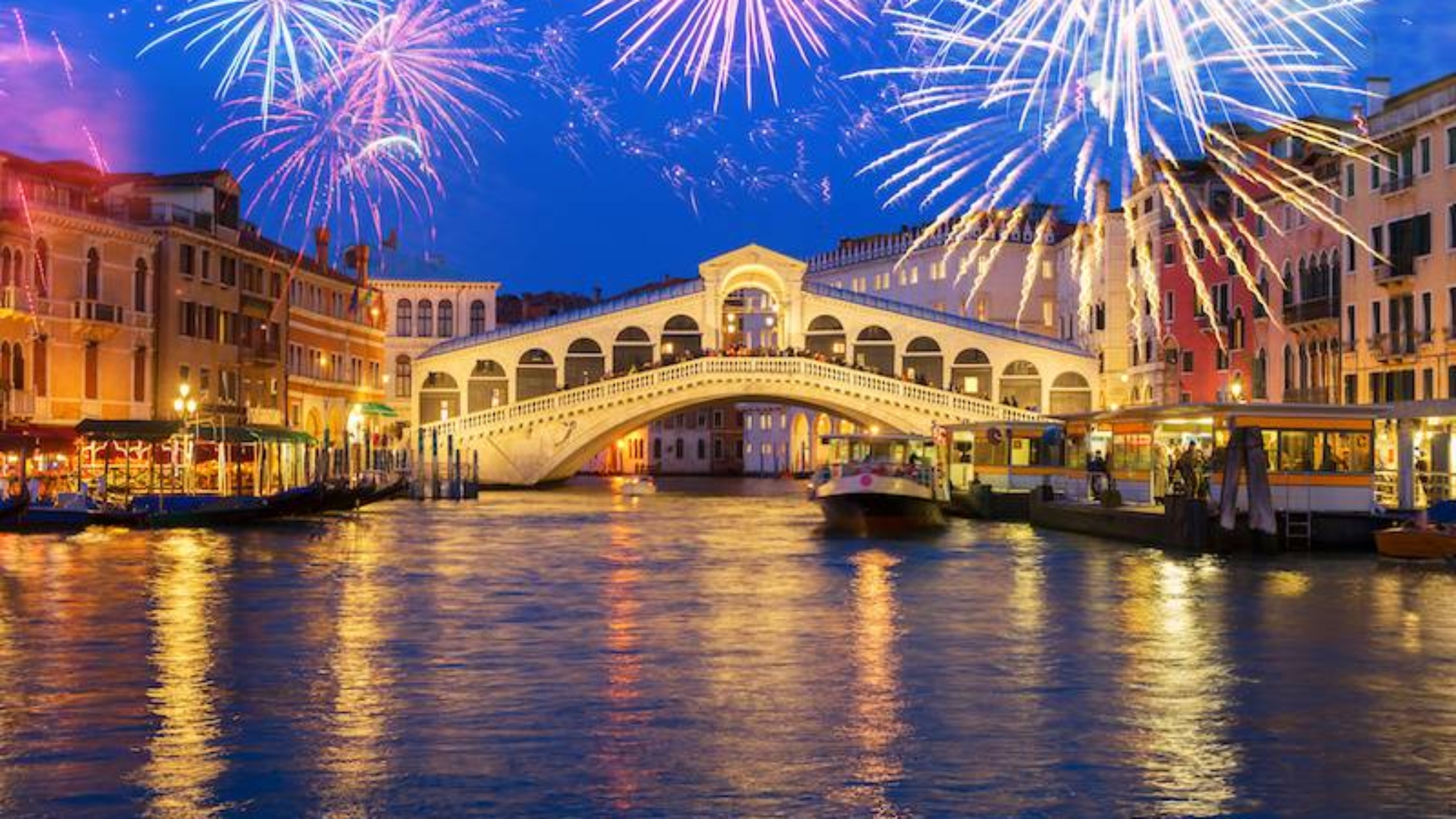
At 11:30 p.m., a spectacular fireworks show begins, lighting up the lagoon and skyline with color. The reflection of the fireworks over the water, with the domes and bell towers in silhouette, creates one of the most unforgettable scenes of the Venetian summer.

Sunday: Mass and Rowing Regattas

On Sunday, the focus shifts back to religious observance. A solemn mass is held at the Church of the Redentore, often attended by both city officials and pilgrims.

Later in the day, traditional regattas take place on the Giudecca Canal, featuring different types of Venetian rowing boats and showcasing local skill and heritage. The races are accompanied by cheering crowds and commentary echoing along the canal, adding to the festive atmosphere.

How to Experience the Festa del Redentore as a Visitor

  • Book in advance: If you want to dine on a boat or from a rooftop with a lagoon view, reservations should be made weeks ahead.
  • Join a guided experience: Several local operators offer Festa del Redentore tours that include boat access, guided history, and VIP seating.
  • Walk the bridge: Even if you don’t attend the main events, walking the floating bridge on Sunday is a powerful and symbolic way to take part in the tradition.
  • Stay late: Public transportation is extended on the night of the festival, so you can enjoy the fireworks and return safely.

Final Thoughts

The Festa del Redentore is more than a party—it’s a living tradition that blends Venice’s history, spirituality, and joy into one extraordinary weekend. For locals, it’s a time of remembrance and community. For visitors, it’s a rare opportunity to witness the city at its most heartfelt and authentic. If you’re in Venice in July, don’t just watch it—be part of it.
rome summer events

July Events in Rome: Festivals, Music, and Open-Air Performances

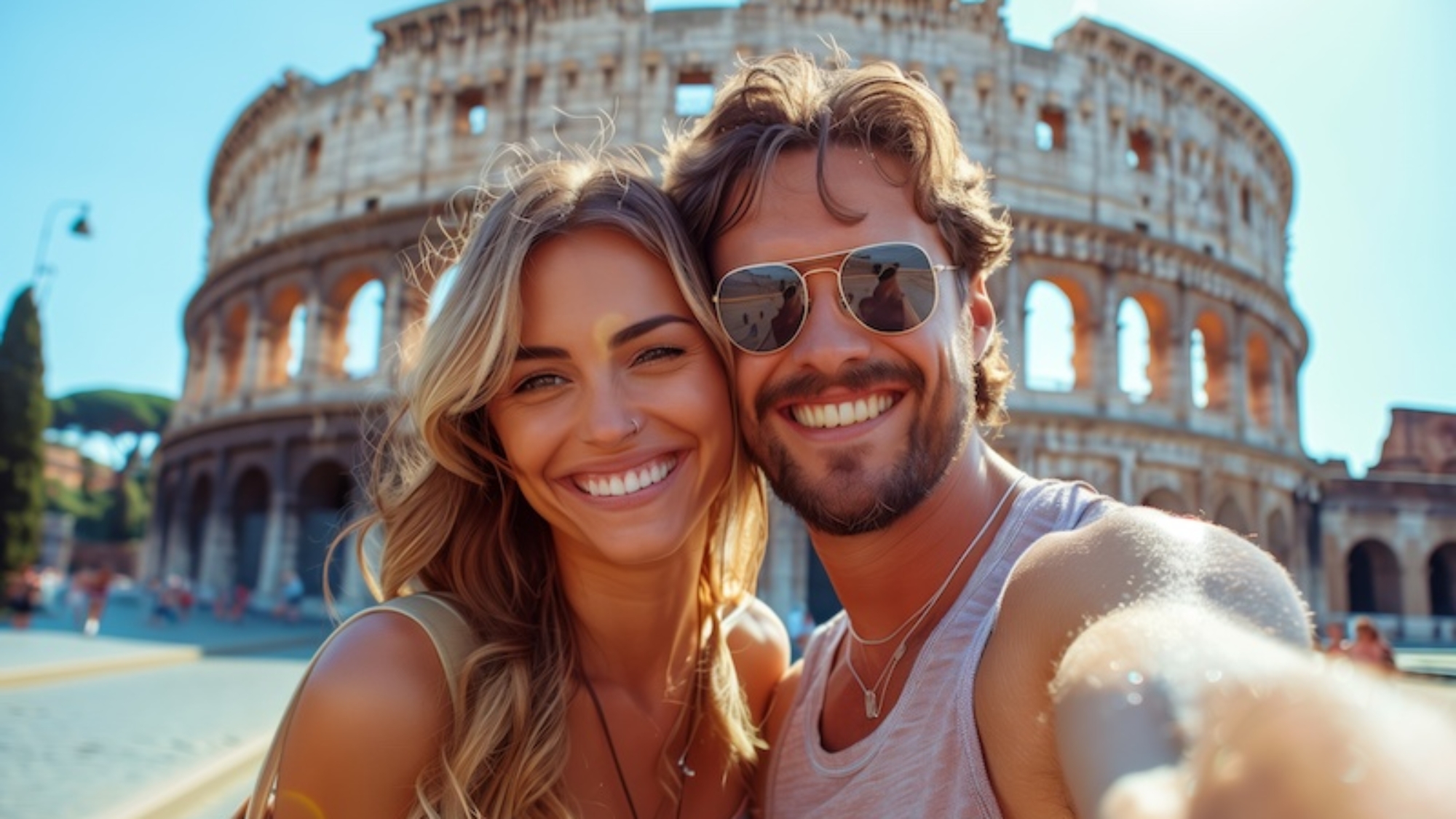
July in Rome is a celebration of summer—long evenings, warm nights, and a cultural calendar packed with music, theater, and open-air events. The Eternal City transforms into a stage, where history meets performance and art comes alive under the stars. Whether you’re a first-time visitor or returning to explore more, the Roman summer offers a rich variety of experiences.
For an unforgettable stay, pair these events with our curated Rome tours, designed to show you the city’s most iconic sites and seasonal highlights.

Roma Summer Fest at Auditorium Parco della Musica

The Roma Summer Fest is one of the city’s most important music festivals, held at the Cavea—an impressive open-air concert space inside the Auditorium Parco della Musica.

The lineup includes international stars and Italian legends in genres ranging from classical and jazz to indie rock and pop. Past performers have included artists like Sting, Paolo Conte, and Ludovico Einaudi.

The venue’s acoustics and architecture make every show memorable, especially under the Roman night sky.

Estate Romana: A City-Wide Cultural Celebration

Since the 1970s, the Estate Romana has been Rome’s signature summer program, featuring hundreds of cultural events spread across the city.

Expect:

  • Outdoor cinema nights in historic courtyards and parks
  • Contemporary theater and poetry readings along the Tiber
  • Concerts in gardens, piazzas, and Roman ruins
  • Art installations and immersive exhibitions

The full calendar includes both free and ticketed events, giving every visitor a chance to experience Rome like a local.

Trastevere and Local Neighborhood Festivals

July is also the time for rioni (neighborhoods) to celebrate with their own sagre and street festivals. In Trastevere, the Festa de’ Noantri begins in the second half of the month and continues into early August.

This centuries-old celebration includes:

  • A religious procession honoring Our Lady of Mount Carmel
  • Live music in the streets
  • Traditional Roman food stalls
  • Fireworks and riverside celebrations

It’s a fantastic way to immerse yourself in Rome’s folk traditions while enjoying a festive summer atmosphere.

Cinema in Piazza: Free Films Under the Stars

Every July, Il Cinema in Piazza screens classic and contemporary films in open-air settings across the city, including:

  • Piazza San Cosimato in Trastevere
  • Porto Turistico di Ostia
  • Parco della Cervelletta in the eastern suburbs

The screenings are free, often in original language with Italian subtitles, and include director talks and special appearances. Bring a blanket and enjoy cinema under the Roman sky.

Theatre and Opera at Ancient Sites

Rome’s ancient ruins become stages in summer. Don’t miss:

  • Opera at the Baths of Caracalla: A stunning setting for opera and ballet, organized by the Teatro dell’Opera di Roma.
  • Classical theatre at Teatro di Ostia Antica: Ancient drama and contemporary performances in a perfectly preserved Roman amphitheater.

These unique venues create unforgettable experiences where culture and archaeology merge.

Night Openings and Special Exhibitions

Several major sites and museums offer extended evening hours or special events in July:

  • Colosseum by night tours with atmospheric lighting and fewer crowds
  • Vatican Museums Friday night openings, featuring music and guided visits
  • Temporary art exhibitions in spaces like Chiostro del Bramante and Palazzo delle Esposizioni

These are ideal for those who want to escape the heat and explore Rome’s cultural scene in the cooler evening hours.

Final Thoughts

July is one of the most dynamic times to visit Rome. The city opens up to the night with a cultural energy that blends ancient backdrops and modern performances. Whether you’re drawn to music, film, food, or tradition, Rome offers a summer experience that’s both unforgettable and uniquely Roman. Plan ahead, follow the sounds of the city, and let its timeless magic guide your summer evenings.

florentine authentic handicrafts

Florentine Handicrafts: Where to Find Authentic Artisan Products in Florence

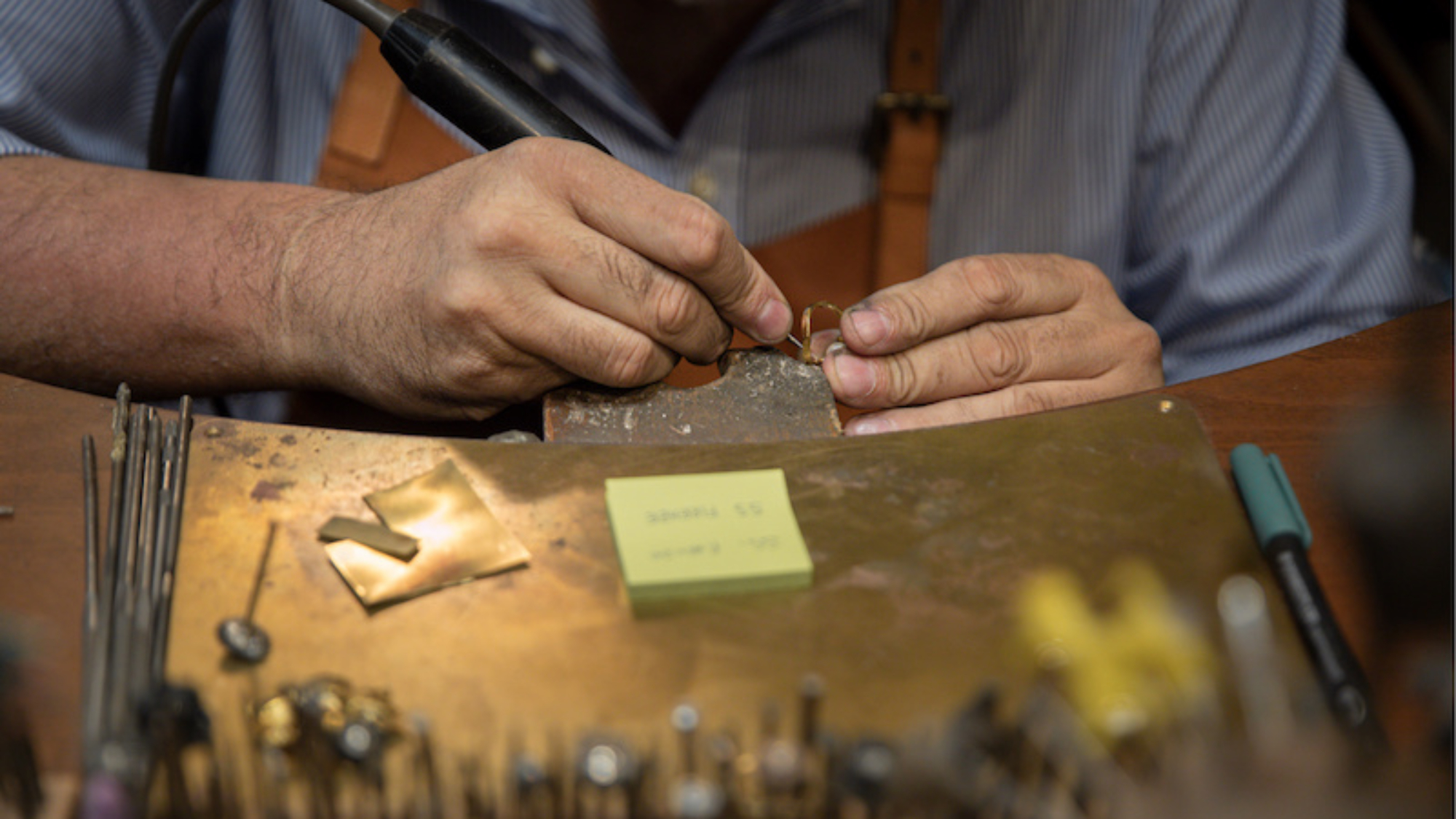
Florence is not only the cradle of the Renaissance but also a city where centuries-old artisan traditions are still alive. From leather workshops to goldsmiths, marbled paper makers to ceramics, authentic Florentine craftsmanship reflects the city’s history, elegance, and attention to detail.
For a deeper experience of Florence’s, explore our range of Florence tours, where local experts guide you through workshops and hidden ateliers.

Florentine Leather: Santa Croce and Oltrarno Districts

Florence is renowned worldwide for its high-quality leather goods, and the best place to find them is in the Santa Croce area. Here, small boutiques and family-run workshops produce everything from handmade bags to wallets, belts, and jackets.

Many of these workshops still use traditional tanning techniques and source leather locally. Look for shops offering certificates of authenticity, ensuring you purchase genuine Florentine craftsmanship.

In Oltrarno, across the Arno River, you’ll also find master artisans crafting leather goods away from the tourist crowds. This district is ideal for discovering more exclusive, bespoke pieces.

Gold and Jewelry on the Ponte Vecchio

The Ponte Vecchio has been home to goldsmiths and jewelers since the 16th century. Today, it remains the go-to place for handcrafted gold jewelry, from delicate earrings to intricate necklaces and rings.

While prices can vary, many workshops along the bridge and nearby streets still produce custom, handmade pieces that reflect the city’s artistic legacy.

For a more exclusive experience, visit small goldsmith ateliers in Borgo Santi Apostoli or Via dei Neri, where tradition meets fine Italian design.

Marbled Paper and Stationery

Florence is famous for its marbled paper, an art form dating back to the Renaissance. Using floating paints and delicate techniques, artisans create unique patterns on paper used for notebooks, albums, and decorative items.

Shops like Il Papiro offer high-quality marbled paper, along with calligraphy sets, wax seals, and handmade stationery, ideal for authentic souvenirs or gifts.

Handmade Ceramics and Pottery

Tuscan ceramics are known for their beauty and craftsmanship, and Florence offers plenty of places to find authentic, hand-painted pieces.

In the Oltrarno area and near Piazza Santo Spirito, you’ll find workshops producing ceramic plates, vases, and decorative items with traditional Florentine or Tuscan motifs.

These pieces often feature vibrant colors, Renaissance-inspired patterns, and meticulous attention to detail—perfect for bringing a piece of Florence home.

Artisan Markets: Where Tradition Meets Everyday Life

To discover a wide variety of handmade products in one place, visit Florence’s artisan markets:

  • Mercato di Sant’Ambrogio: A mix of food, vintage items, and handmade crafts in a lively, local atmosphere.
  • Piazza Santo Spirito Market: Held monthly, this market features ceramics, jewelry, clothing, and unique artisan goods.
  • Mercato delle Pulci (Flea Market): Located near Piazza dei Ciompi, ideal for vintage finds and occasional handcrafted pieces.

Markets provide an excellent opportunity to meet artisans, learn about their work, and purchase one-of-a-kind items.

Final Thoughts

Florentine craftsmanship is more than just souvenirs—it’s a living tradition that embodies the city’s artistic soul. Whether you’re shopping for leather, jewelry, paper goods, or ceramics, choosing authentic, handmade products means supporting the heritage of Florence and bringing home a piece of its history. Take your time to explore workshops, talk to artisans, and discover the enduring beauty of true Florentine artistry.

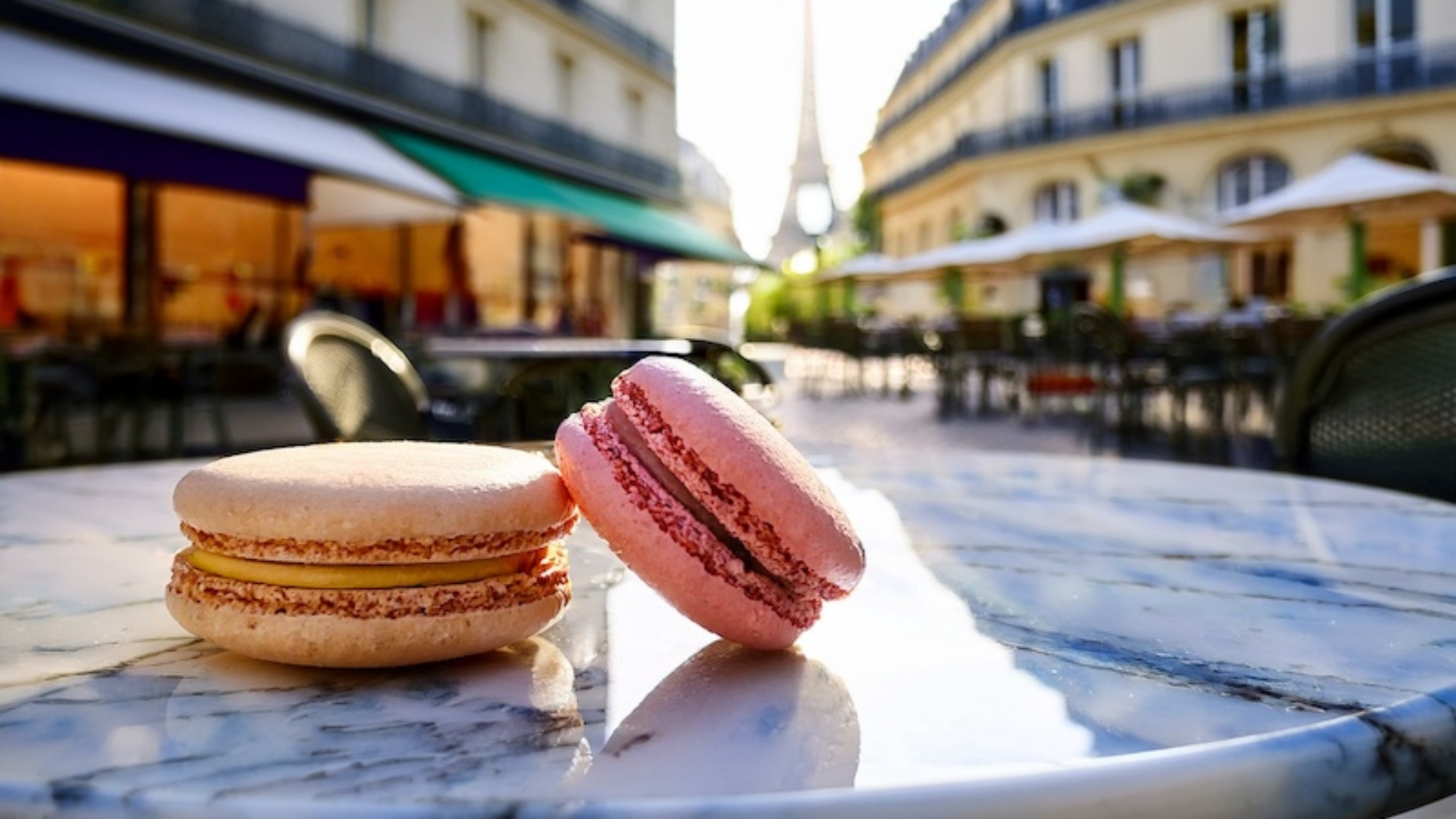
best macarons paris

The Best Pastry Shops in Paris: Where to Taste Authentic Macarons

Macarons are more than just a sweet treat—they’re a symbol of Parisian elegance and craftsmanship. These delicate, colorful confections, made from almond meringue and filled with ganache or buttercream, have become a must-try experience for anyone visiting Paris. But not all macarons are created equal. To taste the real thing, you need to know where to go.
For those seeking the full Parisian experience, consider combining a tasting tour with one of our guided Paris culture tours, designed to showcase the city’s iconic flavors and hidden patisserie gems.

Ladurée: The Icon of Parisian Macarons

When it comes to macarons, Ladurée is often the first name that comes to mind. Founded in 1862, this legendary patisserie has set the global standard for macarons, offering a wide selection of flavors in its elegantly designed boutiques.

The Champs-Élysées location is the most famous, with its gilded interiors and tea salon, but Ladurée has several stores across Paris, each offering its signature pastel-colored boxes and perfectly crafted macarons.

Classic flavors include vanilla, pistachio, salted caramel, and seasonal limited editions that reflect Parisian creativity.

Pierre Hermé: Haute-Couture Macarons

Known as the “Picasso of Pastry,” Pierre Hermé elevates macarons to an art form. His innovative flavor combinations and meticulous attention to detail have earned international acclaim.

Expect bold pairings like rose and lychee, olive oil and mandarin, or Mogador, a blend of milk chocolate and passion fruit. The texture, balance, and originality make Pierre Hermé a must-visit for macaron lovers seeking something beyond the traditional.

Boutiques can be found throughout Paris, with the Rue Bonaparte location in Saint-Germain-des-Prés offering an especially chic atmosphere.

Maison Cyril Lignac: Modern Craftsmanship

Celebrity chef Cyril Lignac has made a name for himself in the world of French patisserie, and his macarons reflect a contemporary yet refined approach.

While known for his exquisite pastries and chocolates, Lignac’s macarons impress with their intense flavors, rich fillings, and perfect texture. Popular options include chocolate, raspberry, and praline, crafted with high-quality ingredients and modern flair.

The shops are often less crowded than other famous patisseries, making them ideal for a relaxed, authentic experience.

Carette: Tradition with a View

Carette combines classic Parisian café culture with high-quality patisserie. Its Place du Trocadéro location offers breathtaking views of the Eiffel Tower, making it the perfect spot to enjoy macarons with coffee or tea.

Carette’s macarons are known for their light, airy shells and balanced fillings, with traditional flavors such as coffee, lemon, and vanilla always available.

This is a great option for combining sightseeing with a refined sweet break in one of the city’s most picturesque spots.

Stohrer: The Oldest Patisserie in Paris

Founded in 1730, Stohrer is the oldest patisserie in Paris, located in the heart of Rue Montorgueil. Known for its historic ambiance and legendary pastries, Stohrer also offers a delightful selection of macarons crafted with traditional techniques.

The raspberry and pistachio macarons are particularly popular, but the real charm lies in experiencing the patisserie’s centuries-old legacy while indulging in one of France’s most iconic sweets.

Tips for Enjoying Macarons in Paris

  • Buy fresh: Macarons are best enjoyed within 48 hours of purchase. Avoid storing them for long.
  • Try seasonal flavors: Many patisseries offer limited-edition macarons reflecting the seasons or special events.
  • Combine with tea or coffee: Many locations, especially Ladurée and Carette, offer tea salons for a complete tasting experience.
  • Avoid tourist traps: Not all macarons in Paris live up to the name. Stick to reputable patisseries for the authentic taste.

Final Thoughts

Tasting macarons in Paris is more than a culinary experience—it’s a journey through French history, innovation, and craftsmanship. Whether you prefer classic flavors or daring new combinations, the city’s best patisseries offer unforgettable bites of sweetness. Take your time, explore different neighborhoods, and let the authentic taste of Parisian macarons be a highlight of your trip.

cicchetti venice

Cicchetti Veneziani: Best Places to Eat Like a Local in Venice

When visiting Venice for the first time, it’s easy to get swept up in the beauty of gondolas, canals, and Piazza San Marco. But to truly experience the soul of the city, you must dive into its food culture—starting with cicchetti. These small, flavorful bites are the Venetian answer to tapas, and they’ve been enjoyed in traditional bacari (Venetian wine bars) for centuries. Eating cicchetti is more than a snack—it’s a ritual, a social affair, and a chance to live like a local.

In this guide, we’ll uncover what cicchetti are, how to order them, and most importantly, where to find the best spots in Venice to enjoy them like a true Venetian.

If you’re planning your first trip to the Floating City, don’t miss the chance to explore its most iconic landmark on this St. Mark’s Basilica express small group tour, ideal for discovering its golden mosaics and centuries of history without the long lines.

What Are Cicchetti?

Cicchetti (pronounced “chee-KEH-tee”) are small dishes typically served at local bars alongside a glass of wine or spritz. They can be simple, like crostini topped with baccalà mantecato (creamy salted cod), or more elaborate, like grilled seafood skewers or mini meatballs.

They are meant to be eaten standing at the counter or casually perched on a stool, encouraging conversation and spontaneity. Prices usually range from 1 to 3 euros per piece, making it an affordable way to sample a wide range of Venetian flavors.

How to Eat Cicchetti Like a Local

Locals don’t sit for long meals when it comes to cicchetti. Instead, they bacaro-hop, moving from one bar to the next, grabbing a couple of bites and a small glass of wine (called an ombra, meaning “shade”) at each stop.

Here’s how to blend in:

  • Go early: Most bacari are bustling around 6-8 PM.
  • Eat standing up: Don’t expect table service.
  • Order at the bar: Point to what looks good if you don’t speak Italian.
  • Pair with wine: A local ombra or spritz is a must.

Top Places to Eat Cicchetti in Venice

1. All’Arco

A small, family-run bar near the Rialto Market, All’Arco is beloved for its authenticity. Expect locals crowded around the entrance munching on crostini with toppings like sarde in saor (sweet and sour sardines).

Address: Calle Arco, San Polo
Tip: Try the mortadella and truffle crostini.

2. Cantina Do Mori

This is one of the oldest bacari in Venice, dating back to 1462. Its dark wood interior and hanging copper pots make for a unique atmosphere. The menu changes daily, but the quality is consistently high.

Address: Sestiere San Polo, 429
Don’t Miss: Fried meatballs and artichoke hearts.

3. Osteria al Squero

Located right across from a gondola repair yard (squero), this charming spot offers excellent cicchetti and spritz with a canal view. It’s a favorite for both locals and visitors.

Address: Dorsoduro, 943-944
Try: Baccalà mantecato and prosciutto with gorgonzola.

4. Bacareto da Lele

Cheap, fast, and authentic. Just steps away from the university district, this bacaro offers mini sandwiches and wine for under 2 euros. It’s perfect for a quick snack in between sightseeing.

Address: Campo dei Tolentini, Santa Croce
Local Secret: Get a panino with salami and pecorino.

5. Al Merca

Tiny but always crowded, Al Merca near the Rialto Bridge is famous for its bite-sized sandwiches and standing-only vibe. It’s a great first stop on your cicchetti tour.

Address: Campo Bella Vienna, San Polo
Best Pairing: Prosecco and tartare crostini.

Tips for Your Cicchetti Experience

  • Cash is king: Many bacari don’t accept cards.
  • Mind the hours: Most are closed mid-afternoon and open again before dinner.
  • Try new things: The menus change often based on the day’s market catch.
  • Follow the locals: If a place is packed with Venetians, it’s a good sign.

Why Cicchetti Are More Than Just Food

Eating cicchetti isn’t just about satisfying hunger—it’s about connection. It’s where you see Venetians decompress after work, share stories, and enjoy the art of slowing down. Even in a city filled with tourists, a bacaro remains a slice of authentic Venice.


Frequently Asked Questions

What does “cicchetti” mean in English?
Cicchetti translates loosely to “small snacks” or “small plates,” similar to Spanish tapas.

Are cicchetti vegetarian-friendly?
Yes, many bacari offer vegetarian options like grilled vegetables, cheese crostini, or marinated artichokes.

Can I make a meal from cicchetti?
Absolutely. Combine 4–6 different pieces for a complete, satisfying meal.

Are cicchetti bars open for lunch?
Some are, especially near the Rialto Market, but many open mainly in the evening from 5–8 PM.

Is tipping expected at bacari?
Tipping is not mandatory, but leaving small change is appreciated.

Can I get gluten-free cicchetti?
It’s less common, but some places now offer gluten-free options. Ask before ordering.

stpeters-rome-at-night

Evening Walks in Rome: Romantic and Scenic Itineraries

When the sun sets over Rome, the Eternal City transforms into a glowing open-air museum, rich with shadows, golden domes, and reflections on the Tiber River. A romantic walk through its streets at night reveals another side of the city—quieter, more mysterious, and deeply intimate.

From the Spanish Steps to the Pincian Terrace

Begin your walk in Piazza di Spagna, where the Spanish Steps are softly illuminated and the atmosphere is calmer than during the day. Climb the steps to Trinità dei Monti, then continue into Villa Borghese Park for a peaceful stroll under the trees.

Head toward the Pincian Terrace (Terrazza del Pincio), a perfect spot to watch the sunset over Piazza del Popolo with St. Peter’s Basilica in the distant skyline. It’s one of the most photogenic viewpoints in Rome, especially during golden hour.

The Trevi Fountain and Piazza della Rotonda

From the Pincio, walk down Via del Corso and make your way to the Trevi Fountain, which glows beautifully at night. The crowds thin out after sunset, making it easier to enjoy the baroque masterpiece and toss a coin for good luck.

Continue to Piazza della Rotonda, where the Pantheon stands proudly lit against the night sky. The piazza is lively but not hectic, with outdoor cafés and street musicians adding to the romantic setting.

Campo de’ Fiori to Piazza Navona

Stroll through the cobbled lanes of the historic center to reach Campo de’ Fiori, once a marketplace and now a vibrant social spot. From there, head to Piazza Navona, one of Rome’s most elegant squares, known for its fountains, baroque architecture, and artists’ stalls.

In the evening, the square’s energy shifts to something more relaxed and charming, ideal for a quiet gelato or a glass of wine.

The Tiber River and Ponte Sant’Angelo

Make your way toward the Tiber River, whose banks offer a flat, peaceful walking path that runs alongside the city’s most iconic views. Cross over to Ponte Sant’Angelo, one of the most romantic bridges in Rome, lined with angel sculptures and leading to Castel Sant’Angelo.

The view from the bridge at night, with the castle and St. Peter’s dome lit up in the background, is nothing short of cinematic.

To elevate this experience, consider booking the Vatican Museums and Sistine Chapel Private Tour—an exclusive evening tour that combines skip‑the‑line access, private access to masterpieces, and a guided stroll along the riverbanks under Rome’s night sky.

Aventine Hill and the Garden of Oranges

For a quieter, more intimate route, head to Aventine Hill, one of Rome’s most peaceful and upscale residential areas. Climb to the Giardino degli Aranci (Orange Garden) for a breathtaking panoramic view over the Tiber, Trastevere, and St. Peter’s Basilica.

Just a few steps away, you’ll find the famous Keyhole of the Knights of Malta, where a perfectly framed view of St. Peter’s dome awaits those who peek through. In the evening, this hidden gem becomes even more magical.

Trastevere by Night

End your evening in Trastevere, the bohemian heart of Rome. Its narrow streets are lit by lanterns and lined with ivy-covered buildings, traditional trattorias, and artisan shops. Walk along Via della Lungaretta or explore the quieter alleys around Piazza Santa Maria in Trastevere.

The vibe is relaxed and romantic, making it the perfect place to enjoy dinner or a nightcap before heading back to your hotel.

Final Thoughts

Rome at night is a city of soft lights, whispered histories, and hidden romance. With its mix of panoramic terraces, quiet river walks, and beautifully lit piazzas, it offers endless possibilities for unforgettable evening strolls. Take your time, follow the rhythm of the city, and let Rome’s nocturnal beauty unfold one step at a time.

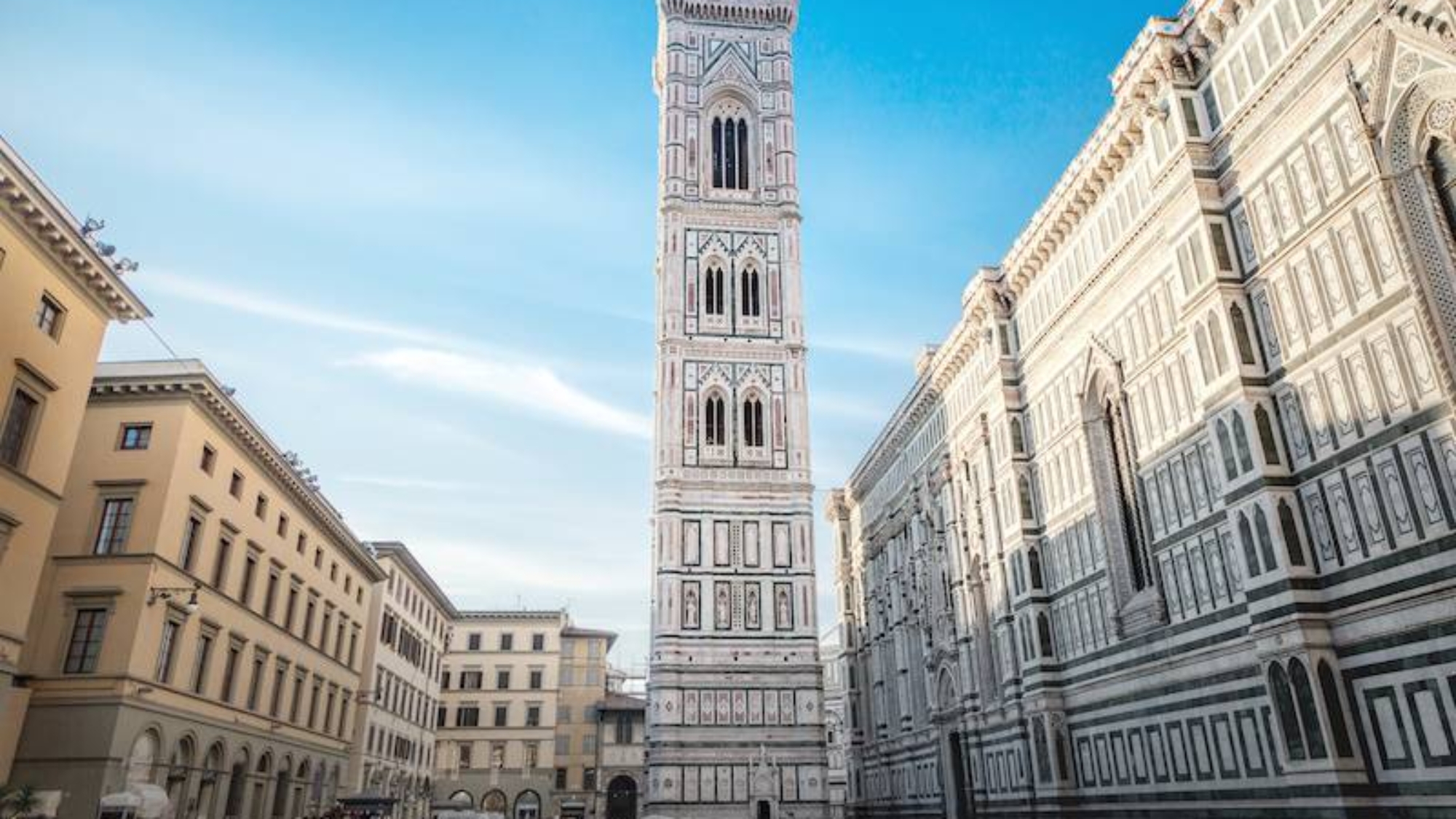
giotto-bell-tower-florence

How to Skip the Lines at Florence’s Museums: Tips and Tricks

Florence is a city overflowing with masterpieces, and naturally, its museums attract millions of visitors every year. From the Uffizi Gallery to the Accademia and the Palazzo Pitti, lines can be long—especially in the summer. But with the right strategies, you can bypass the crowds and enjoy your visit in comfort.
To make your experience even smoother, explore our range of Florence tours with skip-the-line access and expert guides.

Book Your Tickets Online in Advance

The simplest way to avoid long waits is to book your museum tickets online ahead of time. Most major museums offer timed entry slots, which let you bypass the general line.

You can reserve directly on official museum websites or through trusted third-party vendors—just make sure to verify the source and print or download your ticket confirmation.

Choose the Right Time of Day

Museums tend to be busiest between 10:00 a.m. and 1:00 p.m. For a quieter experience, try to arrive right when the museum opens or later in the afternoon, typically after 4:00 p.m. Midweek visits also tend to be less crowded than weekends.

Consider a Guided Tour with Priority Access

Many visitors don’t realize that guided tours often include priority entrance, allowing you to skip the regular queue. These tours also offer the added value of expert commentary, helping you appreciate the context and history of the artworks.

If you’re short on time and want a curated experience, a guided tour is one of the best investments you can make.

Explore Lesser-Known Museums

Florence is famous for the Uffizi and Accademia, but it also hosts hidden gems that are less crowded yet rich in history and art. Consider visiting:

  • Museo di San Marco, home to works by Fra Angelico
  • Museo Horne, a small but elegant Renaissance museum
  • Museo Stefano Bardini, with an eclectic collection in a beautiful setting

These places often have no line at all and offer a more relaxed atmosphere.

Check for Free Days—but Arrive Early

Some museums offer free entrance days, typically the first Sunday of each month. While tempting, these days attract large crowds. If you plan to visit during a free day, arrive before opening time to stand a chance of entering quickly.

Use the Firenze Card

The Firenze Card provides access to over 50 museums and includes skip-the-line privileges at several major sites. It’s valid for 72 hours and can be a time-saving option if you’re planning to visit multiple museums during your stay.

Final Thoughts

With a bit of planning and the right tools, you can avoid wasting hours in line and enjoy Florence’s cultural treasures at your own pace. Whether it’s booking in advance, visiting at off-peak hours, or joining a tour, these tips will help you make the most of your artistic journey through the cradle of the Renaissance.

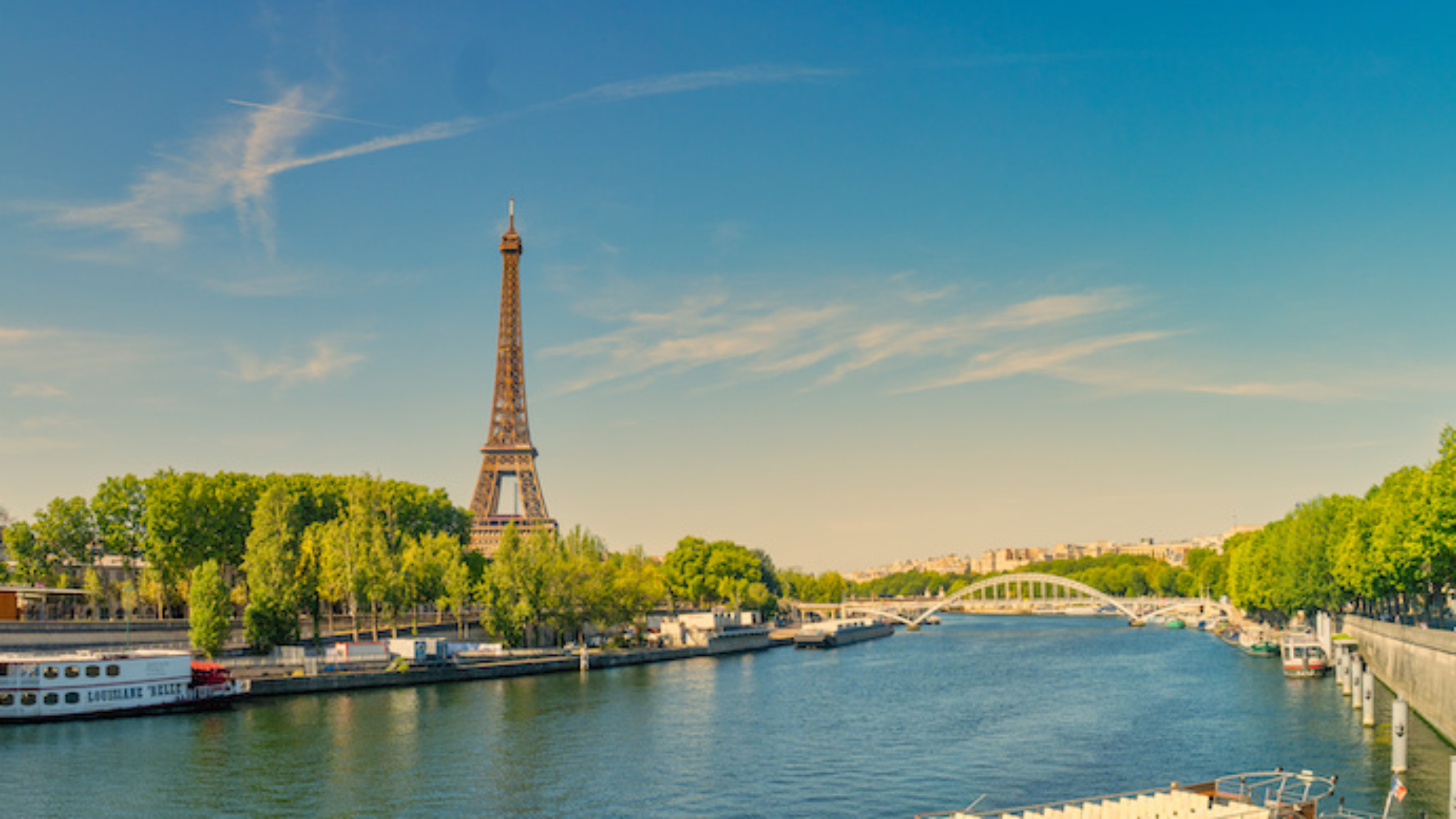
Tour Eiffel vista dalla Senna

Walking Along the Seine: What to See by the River in Paris

A walk along the Seine is one of the most captivating ways to experience Paris. The river gently winds through the heart of the city, bordered by historic bridges, tree-lined quays, and some of the most iconic landmarks in the world. Whether you’re exploring on your own or joining a local tour, the banks of the Seine offer an immersive journey through centuries of Parisian life.

Notre-Dame Cathedral and Île de la Cité

Start your walk near Île de la Cité, one of Paris’s oldest and most storied areas. Here stands the Notre-Dame Cathedral, a masterpiece of Gothic architecture and a symbol of resilience after the 2019 fire.

Wander the perimeter of the island to enjoy peaceful riverside views and stop at Square Jean XXIII, behind the cathedral, for a quiet green space ideal for photos.

The Iconic Bridges: Pont Neuf to Pont Alexandre III

Paris is known for its picturesque bridges. Begin with the Pont Neuf, the oldest bridge in the city, despite its name meaning “new bridge.” It connects the Right and Left Banks and offers one of the best views of the river and surrounding architecture.

Continue west toward Pont des Arts, a pedestrian bridge known for its romantic setting and former love locks. Then reach Pont Alexandre III, an opulent bridge adorned with golden statues and Art Nouveau lamps—perfect for a sunset photo.

The Louvre and Musée d’Orsay

Both banks of the Seine are lined with world-class museums. On the Right Bank, you’ll pass the Louvre Museum, home to the Mona Lisa and countless other masterpieces. Even if you don’t go inside, the view of the Louvre from the Pont Royal or Jardin des Tuileries is unforgettable.

Cross the river to visit the Musée d’Orsay, located in a former train station. Its collection of Impressionist and Post-Impressionist works is among the best in the world.

The Booksellers of the Left Bank

As you continue, explore the bouquinistes—green metal stalls along the Left Bank selling vintage books, posters, and postcards. This open-air book market is a UNESCO-recognized tradition and a must-see for anyone who loves literature or quirky souvenirs.

Stop for a coffee or snack at a nearby riverside café, where you can watch boats pass by while soaking up the city’s timeless charm.

The Eiffel Tower and Champ de Mars

Toward the western end of your walk, the Seine leads you directly to one of the world’s most famous landmarks: the Eiffel Tower. Walk along Quai Branly or Port de la Bourdonnais to enjoy panoramic views of the tower reflected in the water.

Spend some time in the Champ de Mars, the park beneath the tower, to rest or enjoy a riverside picnic. This area is especially magical in the evening, when the Eiffel Tower lights sparkle on the hour.

To elevate your experience, don’t miss the chance to book an Eiffel Tower tour with skip-the-line access and expert commentary.

Tips for a Perfect Seine River Walk

  • Wear comfortable shoes: The riverbanks stretch for kilometers and offer many detours worth exploring.
  • Start early or late: Mornings and evenings are less crowded and offer softer lighting for photography.
  • Consider a picnic: Pick up a baguette, cheese, and fruit at a local market and stop for lunch along the way.
  • Watch for events: In summer, you might find pop-up beaches, music festivals, or art installations along the quays.

Final Thoughts

A walk along the Seine is more than just sightseeing—it’s a way to experience Paris through its rhythm, beauty, and history. With every step, you’ll discover new angles of the city, from Gothic towers to Impressionist museums and riverside life. Take your time, follow the current, and let the Seine show you the true essence of Paris.

biennale venezia 2025

Venice Biennale 2025 Guide: What to See This Summer at the World’s Top Architecture Festival

Every two years, Venice becomes the global capital of architecture and creativity during the Venice Architecture Biennale. From May to November, artists, architects, and visionaries from across the world gather to showcase groundbreaking ideas and innovative designs. The 2025 edition, curated by Carlo Ratti, explores the powerful intersection of natural, artificial, and collective intelligence under the theme “Intelligens.”

Whether you’re a passionate design lover or simply a curious traveler visiting Venice in the summer, the Biennale offers a spectacular mix of art, technology, sustainability, and urban storytelling. Here’s your full guide to what to see, where to go, and how to experience the Biennale this summer.

Key Locations: Where the Biennale Comes to Life

Giardini della Biennale

Set in a leafy eastern district of Venice, the Giardini hosts several permanent national pavilions, each featuring a different country’s curated exhibition. It’s one of the most scenic and historically rich areas of the event.

Arsenale

The massive and atmospheric Arsenale, once a hub of Venice’s naval power, now becomes the Biennale’s main exhibition space. It showcases the central international exhibition curated by Ratti, alongside special projects and country pavilions.

Forte Marghera

Located in mainland Mestre, Forte Marghera offers additional installations and workshops, often highlighting experimental and immersive experiences.

Pavilions You Shouldn’t Miss in 2025

Denmark

Denmark’s pavilion emphasizes reuse and sustainable architecture, reconstructing a functional building using entirely local and salvaged materials. It’s a thoughtful response to global ecological challenges.

Japan

Japan’s installation features interactive AI-driven architecture, blending technology with human experience in unexpected ways. It invites visitors to reflect on the evolving relationship between space and intelligence.

Mexico

Mexico presents a living chinampa — a floating agricultural system inspired by pre-Columbian methods and adapted to the Venetian lagoon. It’s both beautiful and meaningful in the age of climate crisis and food sustainability.

Special Events and Public Programs

Throughout the summer, the Biennale also hosts:

  • Talks and conferences with leading architects and scientists
  • Workshops for students and design professionals
  • Temporary exhibitions and collaborative events across the city

This year’s programming focuses on climate resilience, AI innovation, and community-driven urbanism, making the Biennale a platform not just for display, but for debate.

Dates, Hours, and Tickets

  • Dates: May 10 – November 23, 2025 (Preview days May 8–9)
  • Hours:
    • May to September: 11:00 – 19:00
    • September to November: 10:00 – 18:00
  • Closed on Mondays (except on select dates: May 12, June 2, July 21, September 1, October 20, November 17)
  • Tickets: Available online via the official Biennale website, with options for single-day, multi-day, or student passes

Why Visit the Biennale This Summer?

  • It’s one of the world’s most important cultural events, blending architecture, innovation, and global dialogue
  • Set in Venice’s most iconic and historic spaces, it offers a unique sensory experience
  • Visitors walk away with a new understanding of how design shapes our present and future

Whether you’re an architecture aficionado or a curious traveler, the Venice Biennale 2025 is an unforgettable reason to explore the city this summer.

Conclusion: A Journey Into the Future of Architecture

The Venice Biennale 2025 is not just an exhibition — it’s an invitation to think about how we live, build, and adapt in a world shaped by rapid change. From floating gardens to AI-powered design, this year’s edition offers a bold, hopeful, and intelligent vision of tomorrow.

If you’re visiting Venice between May and July, don’t miss the chance to experience the cutting edge of global creativity, in one of the world’s most timeless cities.

rome with kids in summer

Rome with Kids in Summer: 12 Fun and Family-Friendly Ways to Enjoy the Eternal City

Rome may be known for its history, ruins, and Renaissance art — but it’s also a surprisingly fun and rewarding city to visit with children, especially during the summer months. From ancient gladiators to creamy gelato and lush parks, there’s something for kids of every age to enjoy.

Of course, the summer sun in Rome can be intense, so planning your days around shade, water, and breaks is essential. Here’s a guide to making the most of Rome with kids during the hot season, mixing education, adventure, and plenty of cool-down opportunities.

1. Visit the Colosseum with a Gladiator Twist

Turn history into adventure with a Colosseum tour designed for families, often including skip-the-line entry and child-friendly explanations. Some tours even offer gladiator school experiences, where kids can dress up and learn how to “fight” like ancient warriors.

Make your visit unforgettable with a Colosseum family tour designed especially for kids — click here to discover the full experience.

2. Take Breaks in Rome’s Shady Parks

Rome is full of green spaces where kids can run, play, or simply take a break.

Best Parks for Families:

  • Villa Borghese: Includes bike rentals, gardens, playgrounds, and a zoo.
  • Gianicolo Hill: Great views, puppet shows, and a daily cannon fire at noon.
  • Villa Doria Pamphili: Less crowded, wide open spaces for picnics and soccer.

3. Cool Down with the Best Gelato in Town

No family visit to Rome is complete without daily gelato breaks.

Kid-Favorite Gelato Shops:

  • Giolitti (near the Pantheon) – traditional and famous.
  • Fatamorgana – creative flavors and allergy-friendly.
  • La Romana – known for rich textures and quality ingredients.

Let the kids choose new flavors each time — and don’t forget to try gelato-filled brioche buns!

4. Explore the Vatican with a Shorter Tour

The Vatican can be overwhelming for kids, but some agencies offer short, interactive tours tailored for families.

Tips:

  • Focus on highlights like the Sistine Chapel and St. Peter’s Basilica.
  • Avoid peak midday hours — mornings or late afternoons are cooler.
  • Bring water, snacks, and perhaps a fun scavenger hunt.

5. Splash and Play at Piazza del Popolo’s Fountains

Kids love Rome’s fountains. While swimming is prohibited, many children enjoy splashing hands or feet in the water (where allowed). Piazza del Popolo has open spaces and cool shade, perfect for resting or playing safely.

6. Watch a Puppet Show on Gianicolo Hill

Every afternoon, traditional puppet shows entertain children on Gianicolo Hill, telling stories of classic Roman characters like Pulcinella.

It’s a great cultural moment that doesn’t require language fluency to enjoy — laughter is universal.

7. Ride a Pedal Boat or Bike in Villa Borghese

Villa Borghese is like Rome’s version of Central Park. You can rent pedal boats, go-karts, or four-person bikes — a favorite among families.

Nearby is the Borghese Zoo (Bioparco), home to animals from all over the world and perfect for younger kids.

8. Take a Family Cooking Class

Let your kids learn how to make real Italian pizza or pasta in a relaxed cooking class.

Many family-run classes welcome kids and include take-home recipes — plus, you eat what you cook!

9. Explore Castel Sant’Angelo Like a Fortress

This round castle near the Vatican feels like something out of a fairy tale. Its spiraling paths, rooftop cannons, and secret rooms fascinate young minds.

Plus, it offers incredible panoramic views of Rome.

10. Enjoy Evening Walks and Pizza Al Fresco

Evenings are cooler and ideal for strolls. Head to Trastevere, Rome’s most charming neighborhood, where streets are lively, traffic is limited, and the pizza is kid-approved.

Many restaurants offer outdoor seating, allowing parents to relax while kids stay entertained.

11. Learn and Laugh at Explora — The Children’s Museum of Rome

Explora is a hands-on science and activity museum designed for children ages 3–12. Interactive exhibits cover topics like recycling, energy, food, and transportation.

It’s air-conditioned and a great escape on a hot afternoon.

12. Discover Rome from the Tiber River

Take a short river cruise on the Tiber to see Rome from a new perspective. It’s relaxing, breezy, and a fun break from walking.

Look out for floating bookshops and gelato kiosks along the banks.

Final Tips for Summer Travel with Kids in Rome

  • Stay hydrated: Always carry a refillable bottle — Rome’s fountains have drinkable water.
  • Wear hats and sunscreen: Summer sun can be harsh.
  • Use public transport or short taxi rides: When it’s too hot to walk.
  • Plan early mornings and late afternoons: Use midday for rest or indoor activities.

Conclusion: Rome Through a Child’s Eyes

Visiting Rome with children in summer is not only possible — it can be one of the most joyful and enriching family vacations. The Eternal City offers the perfect balance of history, culture, and kid-friendly fun.

With a little planning and the right pacing, your Roman holiday will be filled with memories for everyone — especially your youngest travelers.