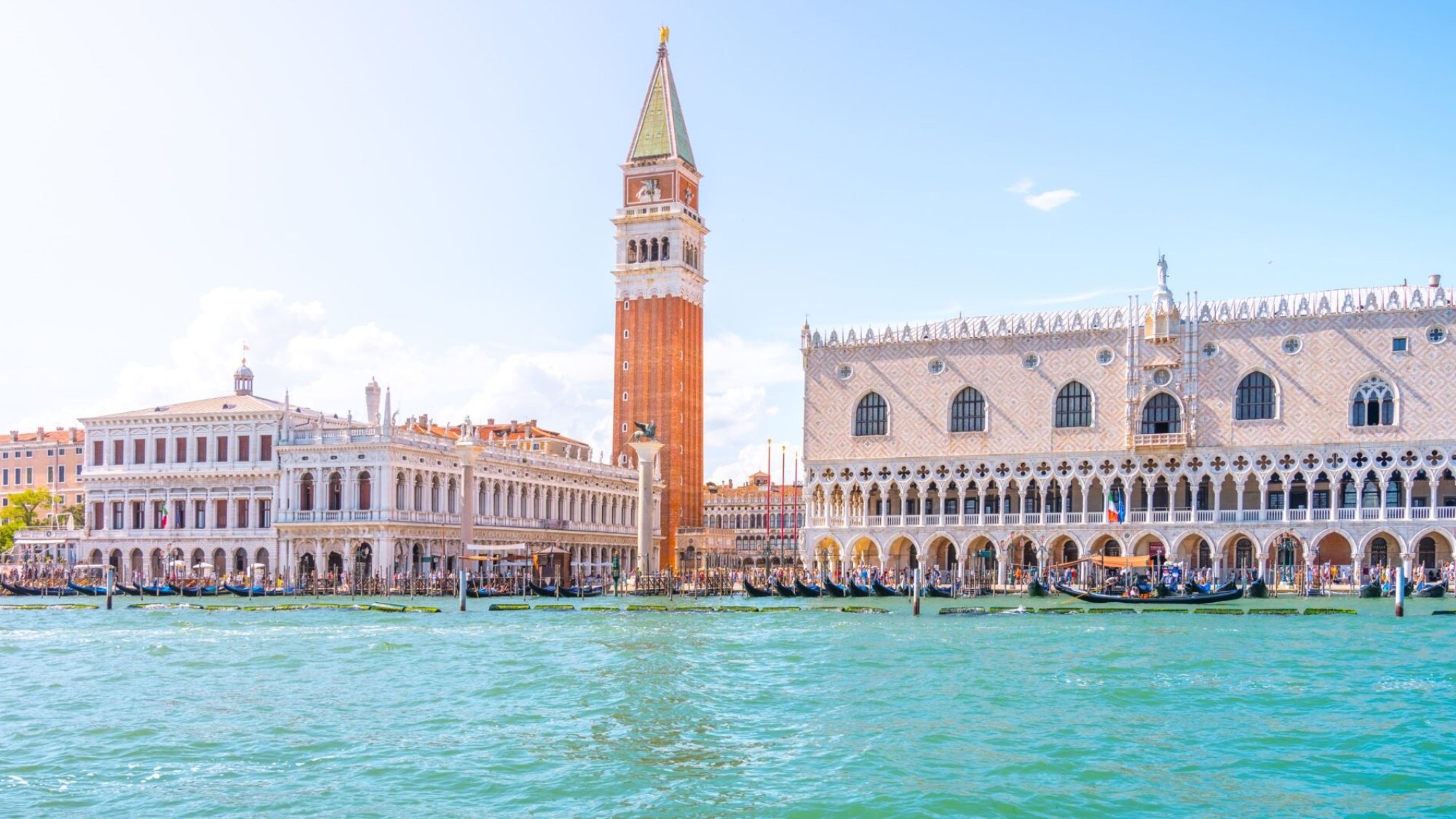
venice tours

Best Things to Do in Venice for First-Time Visitors

Why Venice Is One of the World’s Most Unique Cities

There is no place quite like Venice.

Built across more than one hundred small islands connected by canals and bridges, the city has fascinated travelers for centuries with its architecture, history, and timeless atmosphere.

For first-time visitors, deciding what to see can feel overwhelming. Beyond the famous gondolas and Saint Mark’s Square, Venice offers hidden neighborhoods, local traditions, incredible food, and unique cultural experiences.

This guide explores the best things to do in Venice, helping you experience both the city’s iconic landmarks and its lesser-known treasures.


Quick Travel Tips for Venice

  • Best time to visit: April to June and September to October
  • Recommended stay: 2–4 days
  • Best neighborhoods: San Marco, Dorsoduro, Cannaregio, Castello
  • Main arrival points: Santa Lucia Station and Venice Airport
  • Local tip: Explore Venice early in the morning before day-trippers arrive

The Best Things to Do in Venice

Visit St. Mark’s Basilica

The magnificent St. Mark’s Basilica is one of the most recognizable landmarks in Venice.

Its golden mosaics, Byzantine architecture, and rich history make it one of the most extraordinary churches in Europe.

Visitors interested in Venetian history should also explore the secrets of St. Mark’s Basilica and its hidden treasures.


Explore the Grand Canal

The Grand Canal is Venice’s main waterway and one of the city’s most iconic attractions.

The best way to experience it is by vaporetto, which allows visitors to admire centuries-old palaces lining the canal.

Travelers who want to discover more can explore the hidden stories and best viewpoints along the Grand Canal.


Walk Across the Rialto Bridge

The Rialto Bridge has connected the two sides of Venice for centuries and remains one of the city’s most photographed landmarks.

Nearby, visitors can experience local markets and traditional Venetian food culture, far from the tourist crowds.


Discover Hidden Venice

Some of Venice’s most memorable experiences happen away from the main attractions.

Exploring hidden places in Venice most tourists never see allows travelers to experience a quieter and more authentic side of the city.


Visit Murano Island

Famous for its centuries-old glassmaking tradition, Murano Island offers visitors a fascinating glimpse into Venetian craftsmanship.

Many travelers enjoy discovering the timeless art of Murano glassmaking while visiting local workshops and museums.


Explore the Jewish Ghetto

Located in the Cannaregio district, the Jewish Ghetto of Venice is one of the most historically significant areas of the city.

Visitors can discover centuries of history while exploring one of Venice’s most authentic neighborhoods.


Experience Venice Through Its Food

Food is an essential part of Venetian culture.

Traditional dishes, seafood specialties, and local wine bars provide an authentic taste of the city.

Travelers interested in local traditions should explore Venetian bacari and traditional cicchetti culture, one of the best ways to eat like a local.


Take a Gondola Ride

A gondola ride remains one of Venice’s most iconic experiences.

Beyond its romantic reputation, the gondola played a fundamental role in the city’s daily life for centuries.

Visitors curious about local traditions may enjoy learning the history and myths behind Venice’s gondolas.


Explore the Castello District

While many visitors remain concentrated around Saint Mark’s Square, the Castello district offers a quieter and more authentic experience.

Its residential atmosphere, hidden churches, and local cafés reveal another side of Venice.

Those seeking less crowded neighborhoods in Venice often find Castello to be one of the city’s most rewarding areas.


Experience Venice at Sunset

As the crowds begin to leave, Venice transforms.

The city’s canals reflect golden light, creating some of the most beautiful views in Italy.

Travelers searching for unforgettable moments should explore the best sunset spots and panoramic views in Venice.


Frequently Asked Questions About Venice

How many days do you need in Venice?

Most first-time visitors should spend at least two or three days exploring Venice.

What is the best month to visit Venice?

May, June, September, and October generally offer the best combination of weather and manageable crowds.

Is Venice expensive?

Venice can accommodate different budgets, although accommodation prices tend to increase during peak season.

Should you take a gondola ride?

A gondola ride is not essential, but it remains one of the city’s most unique and memorable experiences.

What should you book in advance?

Visitors should reserve major attractions, guided tours, and special experiences in advance, particularly during high season.


Final Thoughts

Venice is much more than its famous landmarks.

Beyond Saint Mark’s Basilica and the Grand Canal, the city reveals its true beauty through hidden neighborhoods, centuries-old traditions, local food culture, and unforgettable moments along its canals.

Whether it is your first visit or your fifth, Venice always offers something new to discover.
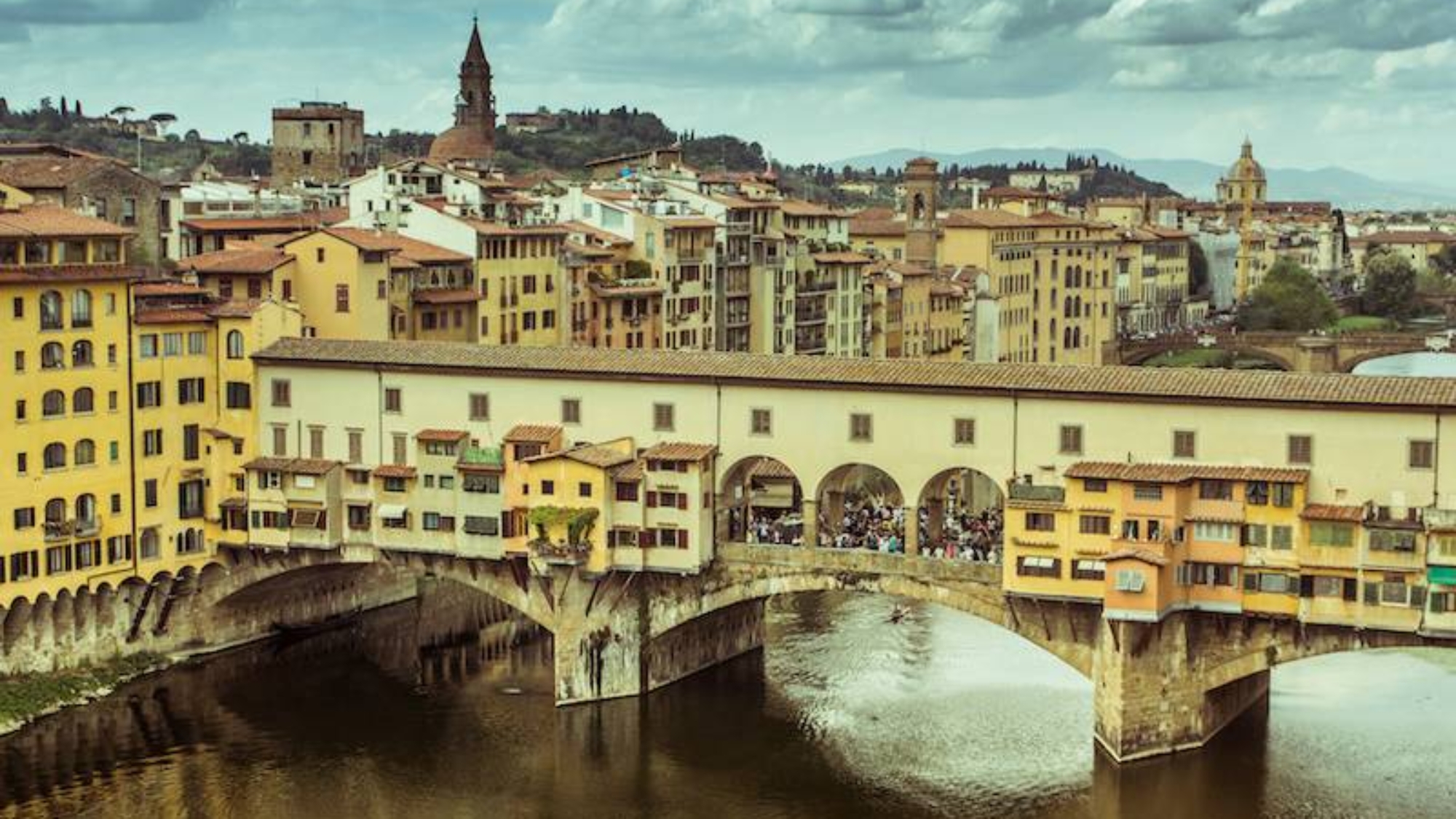
ponte vecchio florence

Ponte Vecchio Guide: History, Shops and Best Photo Spots

Why Ponte Vecchio Is the Most Famous Bridge in Florence

Few landmarks are as closely associated with Florence as Ponte Vecchio.

Stretching across the Arno River, this medieval bridge has connected the two sides of the city for centuries and remains one of the most photographed attractions in Italy.

For first-time visitors, Ponte Vecchio is much more than a beautiful bridge. It represents the history, commerce, and artistic heritage that helped shape Renaissance Florence.

Many travelers discover Ponte Vecchio while exploring the historic center of Florence on a guided walking tour, one of the best ways to understand the city’s fascinating past.


The Fascinating History of Ponte Vecchio

The Oldest Bridge in Florence

Although several bridges have crossed the Arno River over the centuries, Ponte Vecchio is the oldest surviving bridge in Florence.

The current structure dates back to 1345 and remarkably survived floods, wars, and centuries of urban transformation.

Why Is It Called Ponte Vecchio?

The name simply means “Old Bridge.”

At the time of its construction, it was already considered one of Florence’s most important commercial centers.

The Bridge That Survived World War II

One of the most remarkable chapters in its history occurred during World War II.

While retreating from Florence, German forces destroyed most bridges across the Arno River. Ponte Vecchio was the only bridge left standing.

Today, visitors can still admire many of the original architectural features that have survived for nearly seven centuries.

Travelers interested in Renaissance Florence often combine a visit here with the magnificent Florence Duomo and Brunelleschi’s Dome, two of the city’s most iconic landmarks.


The Story Behind the Jewelry Shops

Why Are There Shops on Ponte Vecchio?

One of the bridge’s most distinctive features is the collection of small shops built directly above the river.

Originally, these spaces were occupied by butchers, fishmongers, and leather merchants.

The Medici Family’s Influence

In the sixteenth century, the powerful Medici family decided that these businesses produced unpleasant odors near their official route through the city.

As a result, butchers were replaced by goldsmiths and jewelers.

This decision transformed Ponte Vecchio into one of the world’s most famous destinations for luxury jewelry.

Today, visitors can browse dozens of elegant jewelry shops on Ponte Vecchio, many of which continue centuries-old traditions.


The Secret of the Vasari Corridor

One of the most fascinating hidden features of Florence runs directly above Ponte Vecchio.

What Is the Vasari Corridor?

Commissioned by Cosimo I de’ Medici in 1565, the Vasari Corridor was designed to allow the ruling family to move safely through the city without mingling with the public.

The elevated passage connects Palazzo Vecchio to Palazzo Pitti, crossing the Arno River above the shops of Ponte Vecchio.

Why Was It Built?

The corridor allowed the Medici family to travel between their residence and government offices while remaining protected.

Today, it remains one of Florence’s most fascinating architectural achievements.

Visitors interested in Medici history often continue their exploration through Florence’s Renaissance masterpieces and the Uffizi Gallery, where many stories of the dynasty come to life.


Hidden Details Most Visitors Miss

While millions of tourists walk across Ponte Vecchio every year, few notice some of its most interesting details.

The Bust of Benvenuto Cellini

Near the center of the bridge stands a monument dedicated to Benvenuto Cellini, one of Florence’s most celebrated goldsmiths.

The Ancient Sundial

Many visitors walk past the bridge’s historic sundial without realizing its significance.

The Small Windows Above the Shops

Looking upward reveals details connected to the Vasari Corridor and centuries of modifications to the bridge.

Travelers who enjoy discovering hidden gems in Florence beyond the main attractions often find these overlooked details among the most rewarding parts of a visit.


Best Photo Spots Around Ponte Vecchio

Ponte Santa Trinita

For many photographers, this is the best location to capture the entire bridge.

The perspective is particularly beautiful during sunset.

Lungarno degli Archibusieri

This riverside promenade offers excellent opportunities to photograph Ponte Vecchio without the crowds.

Uffizi Gallery Terrace

Some of the most unique views of the bridge can be enjoyed from elevated viewpoints near the Uffizi complex.

Visitors looking for the best photography locations in Florence often include these viewpoints in their itinerary.


How to Photograph Ponte Vecchio at Sunset

Sunset transforms Ponte Vecchio into one of the most romantic locations in Florence.

The warm golden light reflects on the Arno River and illuminates the historic buildings surrounding the bridge.

Best Time for Sunset Photography

The ideal period is generally:

  • One hour before sunset
  • During golden hour
  • Shortly after sunset during blue hour

Photography Tips

  • Arrive early to secure a good position.
  • Use both riverbanks for different perspectives.
  • Stay after sunset for dramatic reflections.

What to See Near Ponte Vecchio

One of the advantages of visiting Ponte Vecchio is its location in the heart of Florence.

Several major attractions are only a short walk away.

Uffizi Gallery

One of the world’s greatest art museums and home to masterpieces by Botticelli, Leonardo da Vinci, and Michelangelo.

Many visitors choose to join a guided tour of the Uffizi Gallery to better appreciate the museum’s extraordinary collection.

Palazzo Pitti

Former residence of the Medici family and one of Florence’s most important Renaissance palaces.

Boboli Gardens

A beautiful green space offering panoramic views and elegant sculptures.

Oltrarno District

Crossing Ponte Vecchio leads directly into the authentic Oltrarno neighborhood, famous for artisan workshops, local restaurants, and a more authentic side of Florence.


Frequently Asked Questions About Ponte Vecchio

Is Ponte Vecchio worth visiting?

Absolutely. It is one of Florence’s most iconic landmarks and an essential stop for first-time visitors.

Can you enter the shops on Ponte Vecchio?

Yes. Most jewelry stores and boutiques are open to visitors.

What is the best time to visit Ponte Vecchio?

Early morning and sunset generally offer the most enjoyable experience.

Is the Vasari Corridor open to visitors?

Access policies may vary, so visitors should verify current information before planning a visit.

How much time should you spend at Ponte Vecchio?

Most travelers spend between 30 minutes and 1 hour exploring the bridge and surrounding area.


Final Thoughts

The Ponte Vecchio is much more than a bridge. It is a symbol of Florence’s history, artistic heritage, and enduring beauty.

From its fascinating connection to the Medici family and the hidden Vasari Corridor to its famous jewelry shops and spectacular sunset views, every visit reveals another layer of the city’s story.

Whether you are exploring Florence independently or joining a Florence guided tour, Ponte Vecchio remains one of the most memorable experiences in Tuscany.

pantheon-rome

Pantheon Rome Guide: History, Tickets and Visitor Tips

Why the Pantheon Is One of Rome’s Greatest Monuments

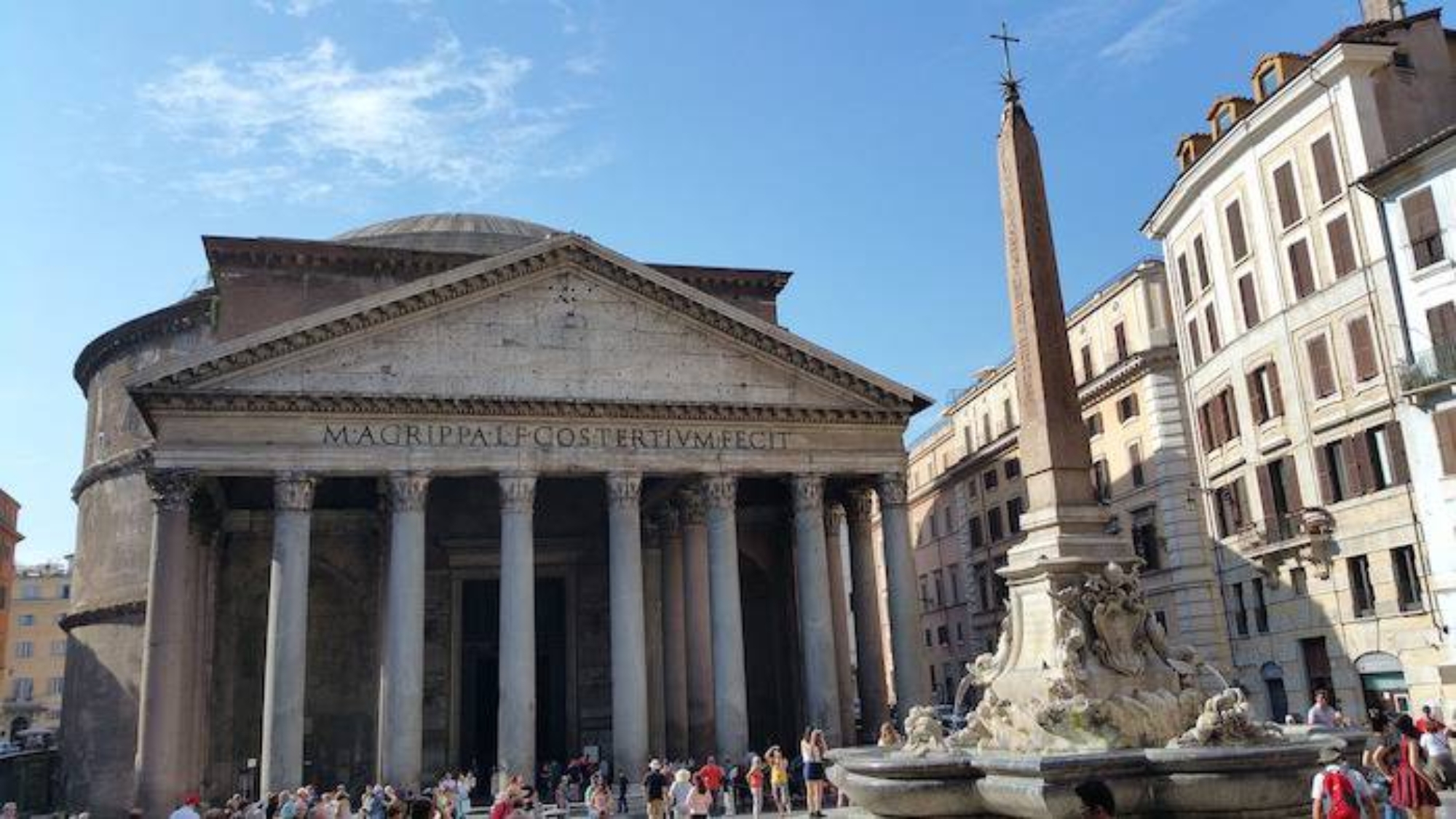
Among the countless landmarks that define the Eternal City, few are as impressive as the Pantheon Rome. Located in the heart of the historic center, this extraordinary monument has survived nearly two thousand years and remains one of the best-preserved buildings of Ancient Rome.

Originally built as a temple dedicated to the Roman gods, the Pantheon continues to amaze visitors with its perfect proportions, engineering innovations, and remarkable history.

Today, it is one of the most visited attractions in Rome and an essential stop for anyone exploring the city’s rich cultural heritage.


The Fascinating History of the Pantheon

Who Built the Pantheon?

The original Pantheon was commissioned by Marcus Agrippa during the reign of Augustus around 27 BC.

However, the structure visible today was rebuilt by Emperor Hadrian between 118 and 125 AD after the original building was damaged by fire.

Despite the reconstruction, Hadrian chose to preserve the original inscription on the façade:

“M·AGRIPPA·L·F·COS·TERTIVM·FECIT”

which translates as:

“Marcus Agrippa, son of Lucius, built this during his third consulship.”

Why Was the Pantheon Built?

The name “Pantheon” derives from Greek and means “temple of all gods.”

Although historians still debate its exact religious function, the building likely served as an important ceremonial space connected to imperial power and Roman religion.

How Did the Pantheon Survive?

Unlike many ancient monuments, the Pantheon was converted into a Christian church in the 7th century.

This transformation helped preserve the structure while many other Roman temples fell into ruin.


What Makes the Pantheon So Extraordinary?

The Largest Unreinforced Concrete Dome in the World

The Pantheon is famous for its massive dome, which remains the largest unreinforced concrete dome ever built.

Nearly 2,000 years after its construction, engineers still study its design.

The Perfect Sphere

One of the building’s most remarkable features is its geometry.

The diameter of the dome and the height of the interior are almost identical, creating a perfect sphere that could theoretically fit inside the structure.

The Oculus

At the center of the dome lies the famous oculus, a circular opening measuring approximately 9 meters across.

The oculus serves as the building’s primary source of natural light and creates spectacular lighting effects throughout the day.

Visitors interested in unusual architectural details may also enjoy learning why the Pantheon has a hole in the roof, one of the monument’s most fascinating features.


Pantheon Rome Tickets Explained

Do You Need Tickets to Enter the Pantheon?

Since 2023, visitors are generally required to purchase a ticket to enter the Pantheon.

Ticket policies may change, so it is always advisable to verify current information before your visit.

Should You Book in Advance?

Booking in advance is strongly recommended during:

  • Spring
  • Summer
  • Public holidays
  • Long weekends

Advance reservations can significantly reduce waiting times.

Guided Tours vs Independent Visits

A Rome guided tour can help visitors better understand:

  • The building’s history
  • Architectural innovations
  • Religious significance
  • Hidden details often overlooked by tourists

Best Time to Visit the Pantheon

Early Morning Visits

The quietest time to visit is usually shortly after opening.

Benefits include:

  • Smaller crowds
  • Better photographs
  • More peaceful atmosphere

Visiting During Rain

Many visitors hope to experience the famous effect of rain entering through the oculus.

Although rain falls directly into the building, the floor’s drainage system quickly removes water.

The Most Magical Day of the Year

One of the most extraordinary moments occurs around April 21st, traditionally celebrated as Rome’s birthday.

On this day, sunlight entering through the oculus creates a remarkable visual effect inside the monument.


Hidden Details Most Visitors Miss

Raphael’s Tomb

The Pantheon serves as the final resting place of several important historical figures, including the Renaissance artist Raphael.

His tomb remains one of the building’s most visited features.

The Ancient Bronze Doors

The massive entrance doors are among the oldest surviving bronze doors still in use today.

The Floor Design

Many visitors focus exclusively on the dome and overlook the intricate marble floor beneath their feet.

The floor incorporates subtle slopes that direct rainwater toward hidden drainage channels.

The Light Show Created by the Oculus

Throughout the day, sunlight moves across the interior like a giant sundial, transforming the atmosphere of the building hour by hour.


Photography Tips for Visiting the Pantheon

Best Time for Photos

The best photography conditions generally occur:

  • Early morning
  • Late afternoon

Photographing the Dome

To capture the dome:

  • Use a wide-angle lens if available
  • Stand near the center of the building
  • Look for natural light effects created by the oculus

Best Exterior Views

Excellent exterior photo opportunities can be found in:

  • Piazza della Rotonda
  • Side streets surrounding the Pantheon
  • Nearby rooftops and terraces

What to See Near the Pantheon

One of the advantages of visiting the Pantheon is its central location.

Several of Rome’s most famous attractions are within walking distance.

Trevi Fountain

One of Rome’s most iconic landmarks, famous for its Baroque design and coin-throwing tradition.

Piazza Navona

A beautiful square featuring fountains, cafés, and some of the finest examples of Baroque architecture.

Campo de’ Fiori

A lively market square popular with both locals and visitors.

The Jewish Ghetto

One of Rome’s most fascinating historic districts, known for its rich history and exceptional food culture.


Frequently Asked Questions About the Pantheon

How long does it take to visit the Pantheon?

Most visitors spend between 30 minutes and 1 hour exploring the monument.

Is the Pantheon worth visiting?

Absolutely. The Pantheon is one of the most important and best-preserved monuments of Ancient Rome.

Can you visit the Pantheon for free?

Ticket policies may vary, so visitors should verify current regulations before arrival.

What is the best time to visit?

Early morning generally offers the best experience with fewer crowds.

Why is there a hole in the roof?

The oculus provides natural light, reduces structural weight, and contributes to the building’s unique architectural design.


Final Thoughts

The Pantheon Rome is much more than an ancient temple. It is a masterpiece of engineering, a symbol of Rome’s enduring legacy, and one of the most extraordinary buildings ever constructed.

Whether you are fascinated by Roman history, architecture, photography, or simply exploring the city’s historic center, a visit to the Pantheon remains one of the most rewarding experiences in Rome.

wine tasting tuscany

Half-Day Wine Tastings from Florence: Discover Tuscany’s Vineyards

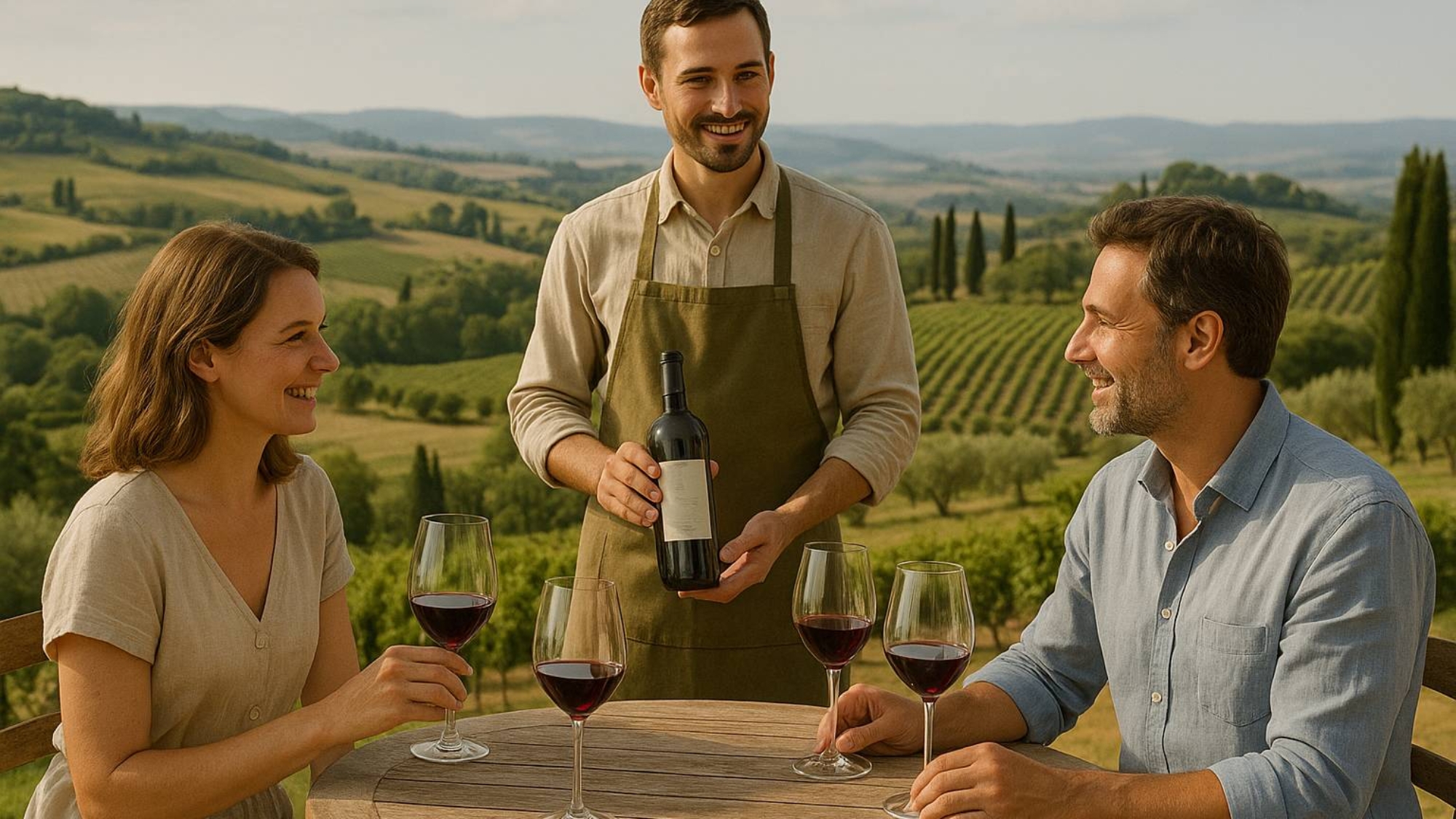
Florence is surrounded by one of the most celebrated wine regions in the world—Tuscany, home to centuries-old vineyards, rolling hills, and some of Italy’s most iconic wines. You don’t need a full day to enjoy the magic of this landscape: with half-day wine tours, you can escape the city, taste local varietals, and return in time for dinner.
Enhance your Tuscan experience by booking one of our Florence Tours.

Chianti Classico: The Quintessential Tuscan Wine Tour

Just 30–40 minutes from Florence, the Chianti Classico region is the most popular choice for a half-day wine excursion. Its scenic roads, medieval villages, and prestigious wineries make it ideal for both beginners and connoisseurs.

What to expect:

  • Visits to family-owned vineyards or larger estates with centuries of winemaking history
  • Tastings of Chianti Classico DOCG, often paired with pecorino cheese, salumi, and bruschetta
  • Stops in picturesque villages like Greve in Chianti or Panzano

Most tours include round-trip transport, cellar tours, and small-group formats to ensure a personal experience.

Fiesole and the Hills North of Florence

If you’re short on time but still want a vineyard experience, head to the hills just north of Florence, around Fiesole and Settignano.

These areas offer:

  • Small-scale wineries producing Chianti Colli Fiorentini and other Tuscan reds
  • Beautiful views over the Florence skyline
  • Less-traveled routes for a more intimate, countryside feel

Some wineries in this area offer sunset tastings or early afternoon experiences, perfect for combining with a morning museum visit.

Carmignano: A Hidden Gem for Wine Lovers

West of Florence, about 45 minutes away, lies the Carmignano wine region—less famous than Chianti, but historically significant (it was mentioned in Medici documents as early as the 18th century).

Highlights include:

  • Unique blends of Sangiovese and Cabernet Sauvignon, grown in mineral-rich soil
  • Visits to historic estates often passed down through generations
  • Peaceful, uncrowded tastings in authentic Tuscan settings

This is a great option for visitors looking for something off the beaten path.

Wine and Olive Oil Tastings in the Tuscan Hills

Many half-day tours from Florence combine wine tasting with extra virgin olive oil sampling, giving a broader sense of Tuscan agricultural tradition.

Expect:

  • Guided walks through vineyards and olive groves
  • Cellar tours explaining traditional vs. modern methods
  • Tastings of olio nuovo (new harvest oil) on fresh bread, along with selected wines

These tours are usually hosted by agriturismi or boutique estates, ideal for travelers seeking authenticity and scenic tranquility.

Tips for Choosing the Right Wine Tour

  • Check departure times: Morning and afternoon options are available; late-afternoon tours often include golden-hour views.
  • Opt for small groups: Look for tours capped at 8–12 people for a more personalized experience.
  • Ask about food pairings: Many include local snacks or light lunches.
  • Dress appropriately: Casual, comfortable clothing and closed shoes are best—vineyards can be rocky or uneven.
  • Book early in August and September: These are peak months for wine tourism and harvest activities.

Final Thoughts

You don’t need a full-day commitment to experience the essence of Tuscan wine culture. These half-day wine tours from Florence are perfect for travelers looking to balance city exploration with a taste of the countryside. Whether you’re sipping Chianti under a pergola or sampling bold reds in a historic villa, each experience offers a sensory journey through one of Italy’s most beloved traditions.

evening-walks-in-rome

Night Walks in Rome’s Lesser-Known Districts: Monti and Testaccio

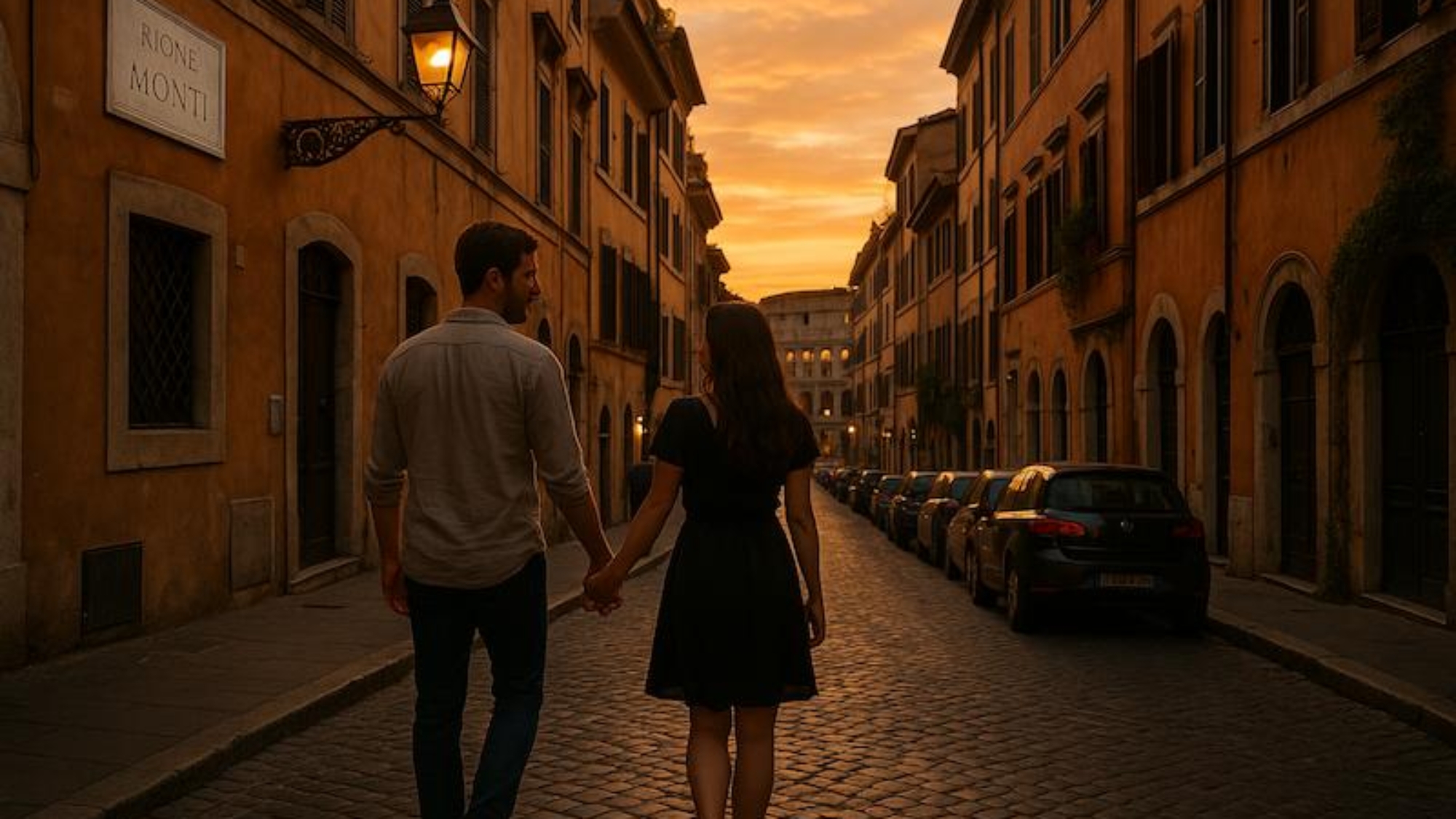
Rome after dark has a magic of its own. While crowds gather around the Colosseum or Piazza Navona, the true Roman soul can be found in its less touristy neighborhoods. Two districts in particular, Monti and Testaccio, offer the perfect atmosphere for night walks that combine authenticity, history, and local life.

For those who wish to explore them with expert guidance, our Rome evening tours include off-the-beaten-path itineraries where the Eternal City reveals its most genuine side.

Monti: Bohemian Charm by Night

Nestled between the Colosseum and Via Nazionale, Monti is one of Rome’s oldest districts, yet it feels like a world apart.

Piazza della Madonna dei Monti

This small square is the beating heart of the neighborhood. By evening, locals gather around the central fountain, chatting with friends or sipping wine bought from nearby bars. The lively but relaxed atmosphere makes it the perfect place to start a stroll.

Narrow Streets and Artisan Shops

Walking through Monti’s cobbled alleys, you’ll discover independent boutiques, small galleries, and artisan workshops. At night, many shopfronts glow warmly, and the streets are filled with locals enjoying an aperitivo.

Bars and Wine Cellars

Monti is famous for its eclectic nightlife, with everything from traditional osterie serving Roman cuisine to trendy cocktail bars. A walk here is an immersion into a Roman evening lived by residents rather than tourists.

Testaccio: The True Roman Spirit

South of the Aventine Hill lies Testaccio, a district deeply tied to Rome’s working-class traditions and culinary culture.

Monte dei Cocci

The neighborhood takes its name from a hill made of broken amphorae dating back to Ancient Rome. Walking past it at night, you’ll feel the weight of history in an otherwise lively quarter.

Piazza Testaccio

This square becomes vibrant in the evening, with families strolling and locals gathering in cafés. Around the piazza, you’ll find trattorias serving classic Roman dishes like cacio e pepe and carbonara.

Street Art and Music

Testaccio is also known for its street art, visible along Via Galvani and other streets. By night, the murals take on a new character under the glow of street lamps. The district is home to live music venues and clubs, making it ideal for those who want to end their walk with entertainment.

Tips for Evening Walks in Monti and Testaccio

  • Start around sunset: This is when the neighborhoods come alive, with piazzas filling up.
  • Take it slow: These are areas to wander without a fixed plan, following the flow of life.
  • Stop for an aperitivo or gelato: The charm of these walks lies in experiencing the district like a local.
  • Bring curiosity: Look out for small details, from street art to hidden courtyards.

Final Thoughts

Monti and Testaccio are living examples of Rome beyond the postcards. By night, they reveal their truest character—Monti with its bohemian energy, Testaccio with its working-class heart and culinary traditions. Walking here after dark means stepping into the everyday life of the city, where history, culture, and community blend under the Roman night sky.

san-miniato-florence

Esoteric Symbols of Florence: A Mysterious Itinerary Through Churches and Palaces

Florence is famous as the cradle of the Renaissance, but behind its harmonious facades and elegant palaces lies a more enigmatic story: one of esoteric symbols, mystical inscriptions, and hidden codes left in plain sight. These symbols are scattered across churches, monuments, and streets, offering an intriguing itinerary for visitors curious to explore the city’s secret side.
To uncover these layers of mystery with expert guidance, consider joining one of our Florence tours, where history and legend intertwine.

Palazzo Vecchio: Alchemy and Secret Codes

The seat of Florence’s political power, Palazzo Vecchio, hides more than official history. On its facade and interiors, you’ll find symbols linked to alchemy, astrology, and secret societies.

  • The sun and moon motifs: carved to represent cosmic balance.
  • The labyrinth symbol engraved on the courtyard, evoking spiritual journeys.
  • Secret passages inside the palace once used by the Medici, associated with power and hidden knowledge.

A walk through Palazzo Vecchio reveals how politics and esotericism often went hand in hand during the Renaissance.

Santa Maria Novella: Geometric Perfection

The facade of Santa Maria Novella, designed by Leon Battista Alberti, is a masterpiece of mathematical harmony. But beyond beauty lies deeper symbolism:

  • Geometric proportions reflect cosmic order and harmony between man and the divine.
  • The Dominican rose window, associated with divine wisdom, channels light in symbolic patterns during specific times of the year.
  • Ancient symbols of the sun and zodiac appear in the church’s details, linking theology with astronomy.

The Dome of Santa Maria del Fiore: Astrology in Stone

Brunelleschi’s dome is a symbol of Renaissance genius, but also of esoteric knowledge.

  • The zodiac frescoes painted inside represent celestial influence over human destiny.
  • The dome itself, with its octagonal shape, recalls sacred numerology and cosmic order.
  • Brunelleschi was rumored to have been fascinated by geometry and mystical proportions, embedding hidden meanings in his architecture.

Piazza della Signoria: Pagan Echoes in a Christian City

The political heart of Florence, Piazza della Signoria, is also an open-air museum of symbols.

  • The statues of Neptune and Hercules carry pagan echoes tied to strength, fertility, and elemental forces.
  • Hidden marks on the stone walls recall ancient esoteric societies that operated discreetly during the Renaissance.
  • Even the positioning of fountains and statues reflects a symbolic mapping of power.

San Miniato al Monte: A Temple of Esotericism

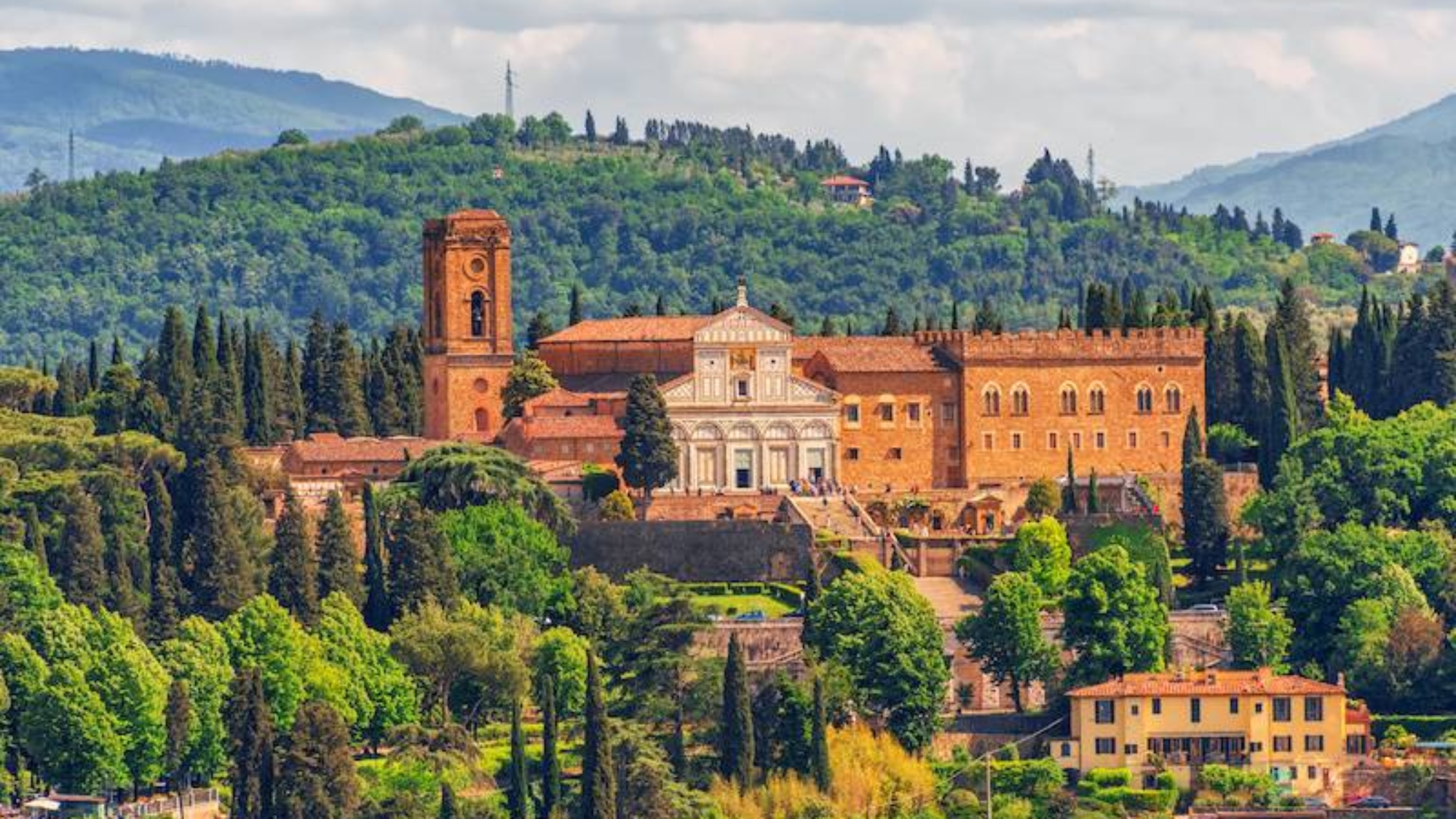
Overlooking the city, San Miniato al Monte is perhaps Florence’s most symbolic site.

  • The black-and-white marble facade recalls duality: life and death, light and shadow.
  • The zodiac wheel inside the church links worship with cosmic rhythms.
  • The crypt, dimly lit and mysterious, was considered a place of spiritual transformation.

Street Symbols and Lesser-Known Curiosities

Walking through Florence, you’ll notice:

  • Etchings of strange symbols on walls, especially around the medieval towers.
  • Alchemical graffiti carved by stonemasons or hidden on side streets.
  • Small, mysterious bronze plaques placed in corners, marking ancient rituals or forgotten guilds.

These details often go unnoticed, but together they reveal Florence’s mystical past.

Tips for Exploring Florence’s Esoteric Side

  • Walk slowly and look up—symbols are often carved high on facades or hidden in corners.
  • Visit at different times of day: light and shadow reveal hidden patterns in architecture.
  • Bring a guidebook or join a tour: some meanings require context from history, philosophy, or alchemy.

Final Thoughts

Florence is not only a city of art but also a city of secrets. Its churches, palaces, and piazzas are coded with esoteric messages, blending mathematics, religion, and mysticism into stone. Exploring this hidden layer of the city means experiencing Florence not just with your eyes, but with curiosity and imagination—where every detail whispers of a deeper truth.

bird market paris

The Bird Market on Île de la Cité: A Timeless Parisian Tradition

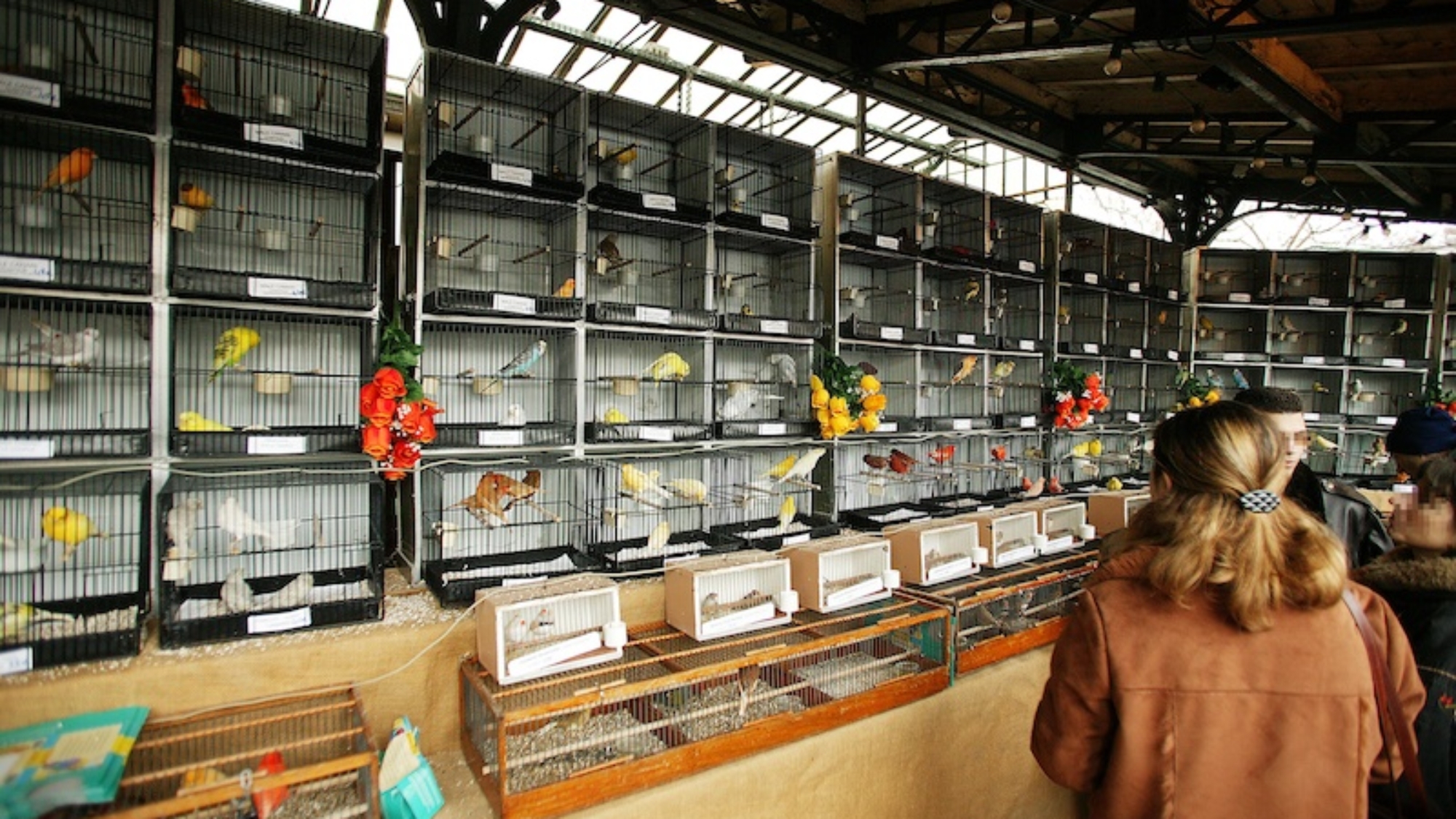
In the very heart of Paris, next to the famous flower market on Île de la Cité, stands one of the city’s oldest and most unusual traditions: the Sunday bird market. For centuries, Parisians have gathered here to buy, sell, and admire birds of every kind, from exotic species to familiar canaries. This market is more than a commercial exchange—it is a window into Paris’s cultural history and the evolution of urban life.
For travelers interested in exploring hidden corners of the city, our Paris tours reveal stories and secrets behind this wonderful city.

Origins of the Bird Market

The tradition of selling birds in Paris dates back to the 19th century, when the city’s flower markets expanded to include small animals. The market quickly became popular among Parisians who saw birds not only as pets but also as symbols of luck, freedom, and companionship.

Throughout the years, it became a Sunday ritual: families would stroll through Île de la Cité, admire the cages filled with singing birds, and often bring one home.

The Atmosphere Today

Though times have changed, the Sunday bird market still carries its old-world charm. The market is held in small pavilions and stalls, where vendors display a variety of birds:

  • Colorful parrots and parakeets
  • Canaries and finches with melodic songs
  • Exotic species rarely seen elsewhere

The atmosphere is unique, filled with the sounds of chirping, conversations between breeders and buyers, and the sight of children marveling at the animals.

Location: Next to the Flower Market

The bird market takes place right beside the Marché aux Fleurs (flower market), itself a Parisian landmark since 1808. The combination of fragrant flowers and singing birds creates a picturesque and almost timeless scene.

This corner of Île de la Cité is not far from Notre-Dame Cathedral, making it an easily accessible stop for those already exploring the island’s monuments.

A Controversial Tradition

In recent years, the bird market has sparked debate. Animal welfare associations have raised concerns about the conditions in which birds are kept and sold. While authorities have considered changes, the market continues to function, balancing between tradition and modern expectations.

For many Parisians, it remains a cherished ritual, while for visitors it offers a glimpse of a more authentic, less polished Paris.

Tips for Visiting

  • Visit on Sunday mornings: This is when the bird market is in full swing.
  • Combine it with a walk: The location is perfect for pairing with a visit to Notre-Dame or a stroll along the Seine.
  • Bring curiosity: Even if you don’t plan to buy, it’s a cultural experience worth seeing.

Final Thoughts

The bird market of Île de la Cité is more than a market—it is a living tradition that tells the story of Parisian life through the centuries. Visiting it allows travelers to experience Paris beyond museums and monuments, discovering a side of the city rooted in everyday rituals and community gatherings.

punta-della-dogana-venice

What’s On in Venice in September: Cinema, Culture, and Festivals

September in Venice is a month of vibrant cultural life. As the summer crowds thin and the weather turns pleasantly mild, the city hosts a series of world-class events celebrating cinema, contemporary art, and age-old traditions. For travelers, it’s the perfect time to explore Venice while experiencing its most prestigious festivals.
Enhance your visit by joining one of our Venice tours, some of which include access to exclusive events and behind-the-scenes experiences.

Venice International Film Festival

The Mostra Internazionale d’Arte Cinematografica di Venezia is one of the oldest and most prestigious film festivals in the world. Held annually on the Lido di Venezia, this year from 27 August to 9 September, it attracts global celebrities, directors, and cinephiles.

Highlights include:

  • Red carpet premieres of international and Italian films
  • Public screenings at various venues, from state-of-the-art theaters to open-air setups
  • Masterclasses and Q&A sessions with renowned directors and actors

If you want to attend, book tickets early and consider staying on the Lido for easier access to events.

Biennale Arte and Biennale Architettura

In years when the Biennale Arte or Biennale Architettura takes place (alternating annually), September is an ideal month to explore its pavilions and installations. Spread across the Giardini, Arsenale, and multiple venues around the city, the exhibitions showcase cutting-edge creativity from around the globe.

Even outside Biennale years, Venice in September often hosts satellite exhibitions and collateral events in palaces and galleries.

Regata Storica: Tradition on the Grand Canal

Held on the first Sunday of September, the Regata Storica is a spectacular display of Venice’s maritime heritage. The event begins with a colorful parade of historical boats, with rowers dressed in Renaissance costumes.

The competitive regatta features different boat categories, including the famous gondolini, in thrilling races along the Grand Canal. Spectators line the banks, and the atmosphere is festive and full of local pride.

Contemporary Art Exhibitions

September also marks the opening or continuation of major art exhibitions in Venice’s museums and cultural institutions. Notable venues include:

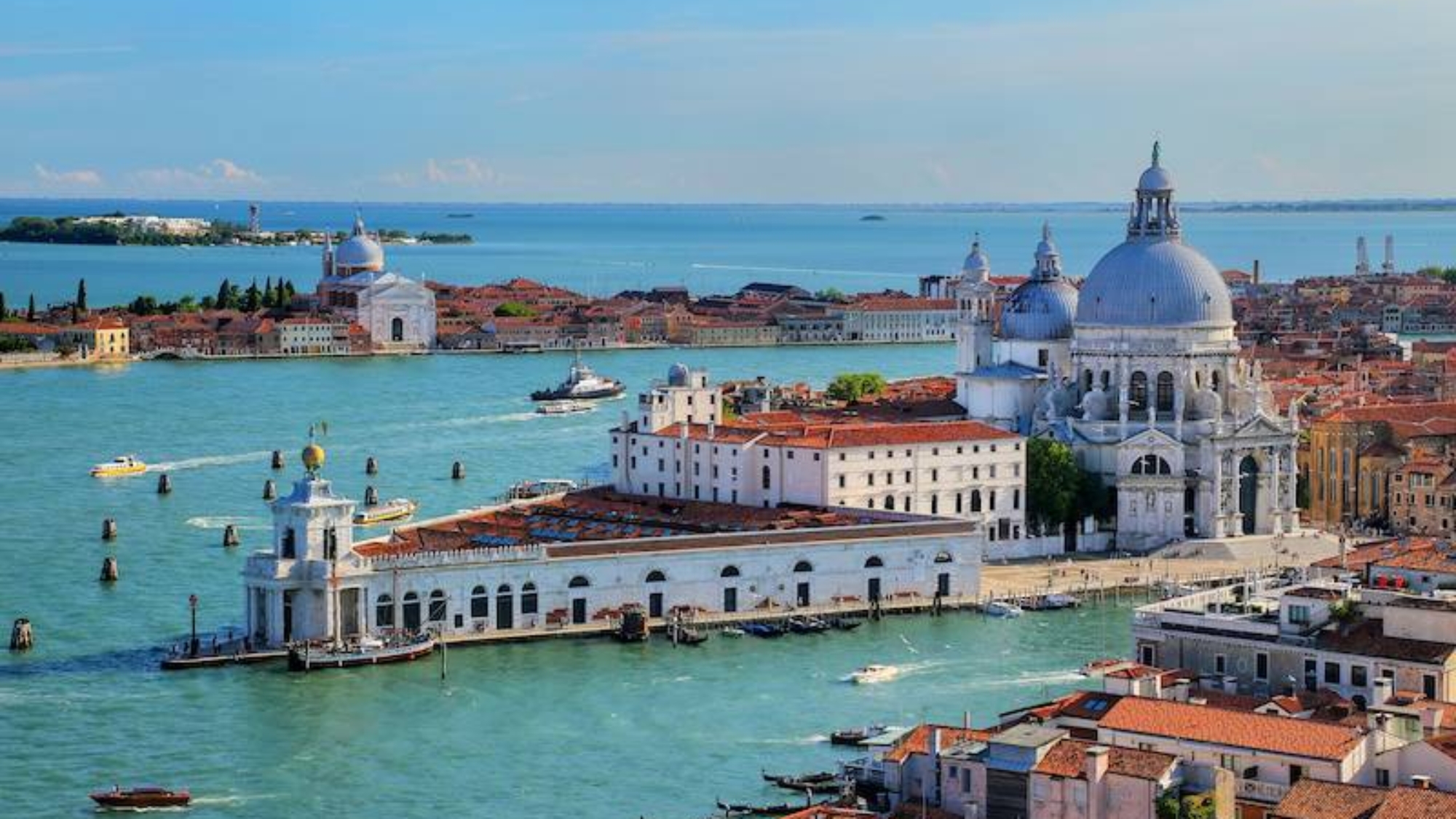
  • Palazzo Grassi and Punta della Dogana, known for hosting contemporary art from the Pinault Collection
  • Peggy Guggenheim Collection, featuring modern art in a stunning Grand Canal setting
  • Temporary shows in lesser-known venues like Palazzo Fortuny or island-based art spaces

Local Fairs and Cultural Events

Beyond the big-name festivals, September offers smaller-scale events that give a taste of Venetian life:

  • Festa della Madonna della Salute in Burano (mid-September): A mix of religious processions, music, and food stalls on the colorful island
  • Cultural nights in museums and churches with special guided tours
  • Artisan fairs in Campo San Polo or Campo Santo Stefano, showcasing glass, lace, and ceramics

Tips for Experiencing Venice in September

  • Book accommodation early, as the Film Festival and Regata Storica attract large numbers of visitors
  • Combine events with sightseeing: Plan your route so you can attend exhibitions and explore nearby neighborhoods
  • Check official programs: Dates and times may vary each year, so consult event websites for the latest schedules
  • Use public transport passes: Vaporetto routes can get busy, especially around major events, so plan accordingly

Final Thoughts

September in Venice is a month when the city’s artistic, cinematic, and traditional sides come together in a rich cultural tapestry. From glamorous film premieres to centuries-old regattas, each event offers a different perspective on the Serenissima. Whether you’re here for the red carpet or the rowing races, you’ll leave with memories of a city that knows how to celebrate its heritage while embracing the world.

rooftop aperitivo terraces in rome

The Best Rooftop Terraces in Rome for a Sunset Aperitivo

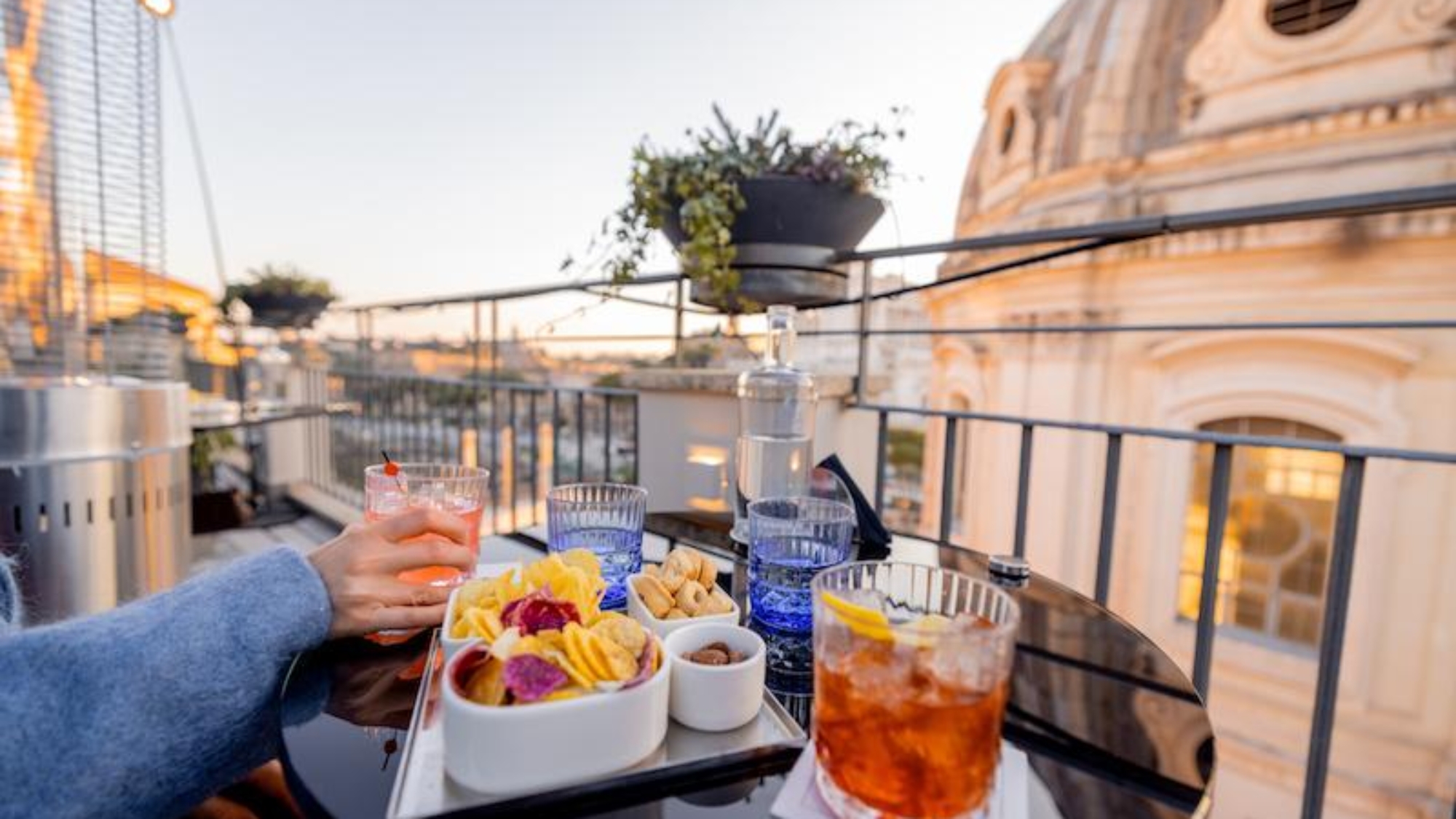
There are few experiences more memorable in the Eternal City than sipping a glass of wine or a perfectly mixed cocktail while watching the sunset over Rome’s domes and rooftops. Rooftop terraces here combine stunning views, relaxed elegance, and the timeless charm of an Italian aperitivo.
To combine these moments with cultural exploration, check out our Rome tours, many of which end near some of the city’s best rooftop bars for the perfect finale to your day.

Terrazza Borromini – Piazza Navona from Above

Located in a 17th-century palace overlooking Piazza Navona, Terrazza Borromini offers one of the most exclusive views in Rome. From here, you can see the Fountain of the Four Rivers and the baroque skyline bathed in golden light.

  • What to drink: Classic Negroni or Prosecco
  • Atmosphere: Elegant and intimate, ideal for couples
  • Tip: Reservations are highly recommended, especially in summer

Les Étoiles – St. Peter’s Dome in Full View

The rooftop terrace of Hotel Atlante Star is famous for its spectacular, front-row view of St. Peter’s Basilica. As the sun sets, the dome lights up, creating an unforgettable backdrop for your aperitivo.

  • What to drink: Aperol Spritz or a glass of Franciacorta
  • Atmosphere: Panoramic and romantic, perfect for special occasions
  • Tip: Arrive early to get a table facing the Vatican

La Grande Bellezza – A Cinematic Experience

Perched on top of Palazzo Pamphilj and part of the Eitch Borromini Hotel, this terrace lives up to its name—The Great Beauty. The setting feels like a movie, with views of the Pantheon, Castel Sant’Angelo, and beyond.

  • What to drink: Signature cocktails with Italian liqueurs
  • Atmosphere: Luxurious and serene
  • Tip: Best enjoyed during the golden hour for the full effect

Minerva Roof Garden – The Pantheon at Your Feet

Located above the Grand Hotel de la Minerve, this terrace offers close-up views of the Pantheon’s dome and the rooftops of the historic center.

  • What to drink: Bellini or white wine from Lazio
  • Atmosphere: Elegant yet relaxed, with impeccable service
  • Tip: Ideal for a pre-dinner aperitivo before exploring the nearby piazzas

Caffetteria Bramante – Hidden Charm in Trastevere

Tucked away in Trastevere, this lesser-known terrace offers a cozy, authentic Roman vibe with views over terracotta rooftops and quiet squares. It’s a favorite among locals who prefer a more laid-back aperitivo.

  • What to drink: Local craft beer or a Campari Soda
  • Atmosphere: Informal and friendly
  • Tip: Perfect for escaping the tourist crowds

Il Giardino – Sofitel Villa Borghese

With sweeping views over Villa Borghese Gardens and the city beyond, this rooftop bar blends greenery and skyline in a unique way. It’s an oasis above the urban buzz.

  • What to drink: Gin & tonic with Mediterranean botanicals
  • Atmosphere: Chic and garden-like
  • Tip: Great for small groups or a peaceful romantic evening

Tips for Enjoying a Rooftop Aperitivo in Rome

  • Book in advance: Many terraces have limited seating and are in high demand during summer.
  • Dress smart casual: Some venues have a relaxed code, others expect more formal attire.
  • Arrive before sunset: This ensures you get the best table and enjoy the full light-to-night transition.
  • Check for live music: Some rooftops host jazz trios or DJs during aperitivo hours.

Final Thoughts

Rome’s rooftop terraces offer more than just a drink—they provide a sensory journey through the city’s colors, architecture, and atmosphere. Whether you choose a luxury hotel rooftop or a hidden neighborhood gem, an aperitivo at sunset is a moment where time slows and the Eternal City feels like it’s yours alone.

paris by bike

Paris by Bike: Scenic Cycling Routes with a View

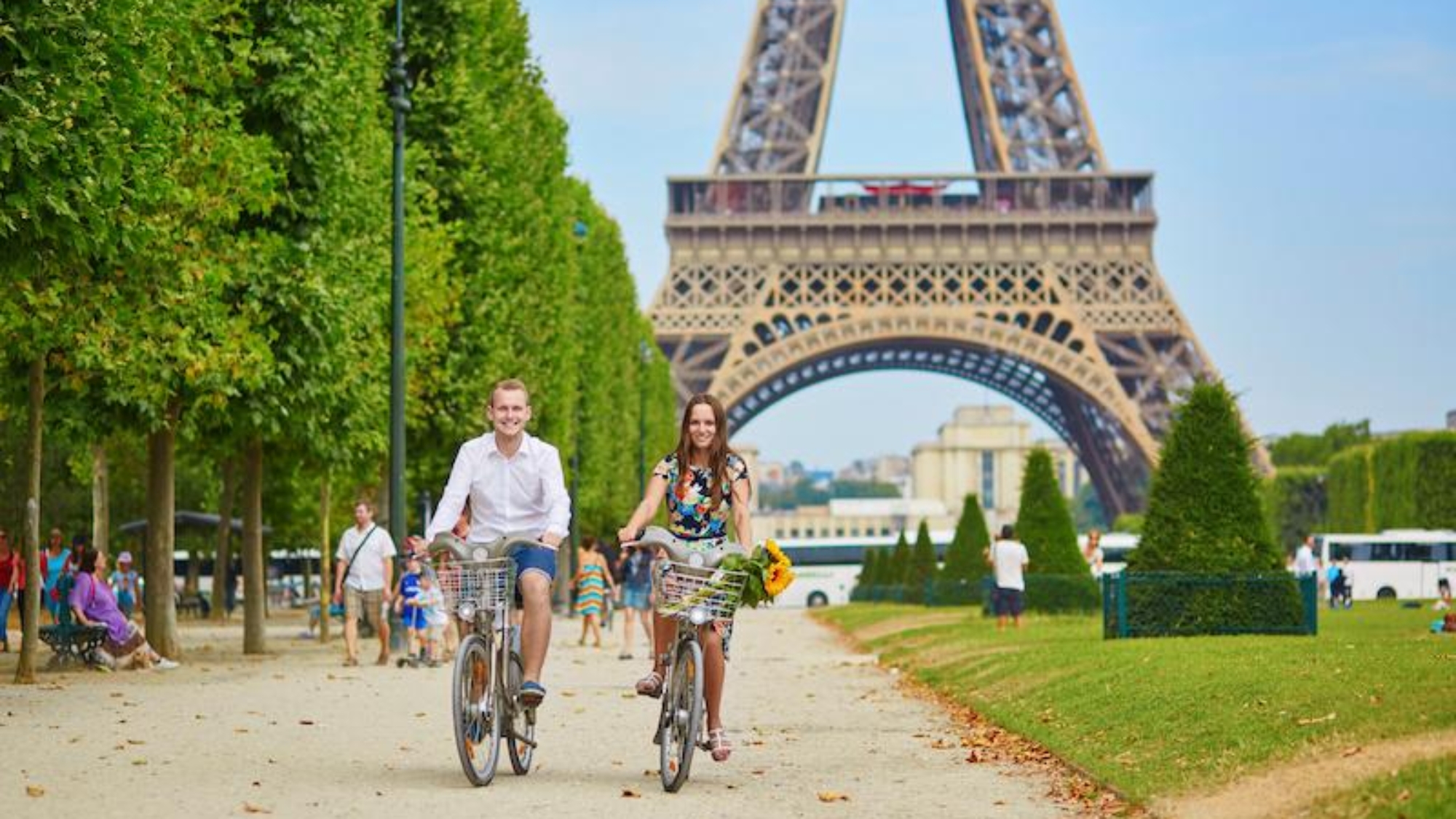
Exploring Paris by bike is one of the most enjoyable and efficient ways to discover the city’s landmarks, neighborhoods, and scenic viewpoints. With an extensive network of bike lanes and plenty of car-free zones, the French capital is increasingly bike-friendly—ideal for travelers who want to see more, move freely, and take in unforgettable views.
For the most enriching experience, consider joining one of our guided Paris tours.

The Seine River Trail: Classic Views and Monuments

The bike route along the Seine River is one of the most iconic and relaxing in Paris. Ride along the Voies sur Berge, a traffic-free promenade running on both banks of the river.

Key highlights along this route include:

  • The Eiffel Tower, with plenty of stops for photos at Trocadéro or Champ de Mars
  • Pont Alexandre III, a masterpiece of Beaux-Arts architecture
  • The Louvre, which you can view from the right bank while cycling towards the center
  • The historic Île de la Cité, with views of Notre-Dame Cathedral

The flat terrain and wide cycling paths make this ideal for all levels, including families.

From the Eiffel Tower to the Bois de Boulogne

Looking for greenery? Start at the Eiffel Tower and follow bike-friendly avenues west to the Bois de Boulogne, Paris’s vast western park.

Once inside the park, you’ll find:

  • Quiet lakeside paths
  • Tree-lined alleys and open meadows
  • Bike rentals for tandems or e-bikes
  • The Fondation Louis Vuitton, a striking modern museum worth a visit

It’s an ideal route for a half-day escape, blending urban elegance with nature.

The Canal Saint-Martin Loop

For a more local and trendy atmosphere, head northeast to the Canal Saint-Martin, a neighborhood known for its indie shops, cafés, and relaxed charm.

The canal path includes:

  • Iron footbridges and tree-shaded cycling lanes
  • Picturesque locks and vintage warehouses
  • Great places to stop for coffee, picnic, or people-watching

Continue north to reach Parc de la Villette, a cultural park with science museums, art installations, and summer open-air events—perfect for a full afternoon on two wheels.

The Marais to Bastille and Coulée Verte

Begin in the Marais, with its medieval streets and lively squares, then bike east toward Place de la Bastille, from where you can join the Coulée Verte René-Dumont—an elevated greenway built on an old railway line.

This peaceful route features:

  • Lush gardens and panoramic urban views
  • Unique perspectives of Parisian rooftops
  • A gentle incline, perfect for e-bikes or moderate cyclists

It’s a hidden gem for travelers who want to combine cycling with a nature-inspired stroll above the city streets.

Montmartre (For the Ambitious Cyclist)

Cycling up Montmartre is a challenge, but the reward is worth it. Start your ascent near Rue Lepic or Rue Caulaincourt, using your gears wisely.

Once at the top, you’ll find:

  • Panoramic views from Square Louise Michel and Sacré-Cœur
  • Quiet residential streets like Rue de l’Abreuvoir
  • Artistic history at every turn—this is where Picasso, Modigliani, and Renoir once lived

Tip: If the climb is too much, walk your bike part of the way and enjoy the journey as much as the destination.

Practical Tips for Biking in Paris

  • Use Vélib’: Paris’s public bike-sharing system is affordable and widespread, with electric options for longer routes or uphill rides.
  • Avoid rush hour: Weekday mornings and evenings can be hectic—aim for late mornings or early afternoons for a relaxed ride.
  • Helmet optional, but recommended: Not mandatory for adults, but advised, especially for navigating busier streets.
  • Respect pedestrian zones: Many scenic areas require walking your bike—signage will guide you.

Final Thoughts

Cycling through Paris is more than just transportation—it’s a way to experience the rhythm of the city, from sunrise reflections on the Seine to sunset views from Montmartre. Whether you choose a curated tour or ride solo with a map, the city on two wheels offers a fresh, dynamic, and immersive perspective. Paris is not just meant to be seen—it’s meant to be felt, and a bike is the perfect way to do it.