

ribollita-tuscany

A taste of Tuscany: what to eat in Florence during winter

Florence, the beating heart of Tuscany, is not only a city rich in art and culture but also a paradise for food lovers. During the winter months, when temperatures drop and the air fills with a magical atmosphere, Florentine cuisine offers a selection of warm and comforting dishes that reflect the region’s traditions. If you are planning a private tour in Florence, here is a guide to discover what to eat for an authentic Tuscan experience.

Ribollita: The Queen of Winter

Ribollita is one of the most iconic dishes of Tuscan cuisine. This hearty stew, made of stale bread, black cabbage, cannellini beans, and seasonal vegetables, perfectly embodies the Tuscan culinary philosophy: simple, humble ingredients transformed into a flavor-packed delight.
Tip: Savor it in a traditional trattoria with a drizzle of extra virgin olive oil to enhance its authentic taste.

Bistecca alla Fiorentina: A Timeless Classic

Even in winter, no visit to Florence is complete without tasting the famous bistecca alla fiorentina. This thick-cut beef steak, cooked strictly rare, is perfect for those seeking a hearty and unforgettable dish.
Suggestion: Pair the steak with a glass of Chianti Classico for the perfect combination.

Peposo alla Fornacina: A Dive into History

Peposo is an ancient meat stew slowly cooked with plenty of black pepper and red wine. Originating from the Impruneta area, this dish is a true comfort food for chilly winter evenings.
Where to find it: Many traditional restaurants in Florence serve this specialty, often accompanied by creamy polenta.

Castagnaccio: Sweet and Rustic

For those with a sweet tooth, castagnaccio is a must-try. This cake made from chestnut flour, enriched with pine nuts, raisins, and rosemary, is a typical dessert of the winter season.
Fun fact: Naturally gluten-free, this dessert was originally considered a poor man’s food but is now a delicacy appreciated by everyone.

Noble Wine and Vin Santo: The Winter Goblets

No Tuscan meal is complete without a glass of wine. During winter, opt for full-bodied red wines such as Brunello di Montalcino or Vino Nobile di Montepulciano. To end on a sweet note, try Vin Santo paired with cantucci, crunchy biscuits to dip into the dessert wine.

Markets and Cooking Classes: Live the Experience

For those who want to fully immerse themselves in Florentine food culture, local markets such as the Mercato di San Lorenzo or Sant’Ambrogio are must-visit spots. Here, you can buy fresh and genuine ingredients to recreate typical dishes at home. Alternatively, join a cooking class to learn the secrets of Tuscan recipes directly from the locals.

Conclusion

Winter in Florence is a special time to explore its rich culinary traditions. Each dish tells a story, each flavor evokes the warmth of Tuscan homes, and every meal becomes an opportunity to connect with the local culture. Book your Florence private tour with us and let us guide you through the authentic flavors of this unique city. Florence awaits you with its winter delights!
st-peters-square-vatican-city

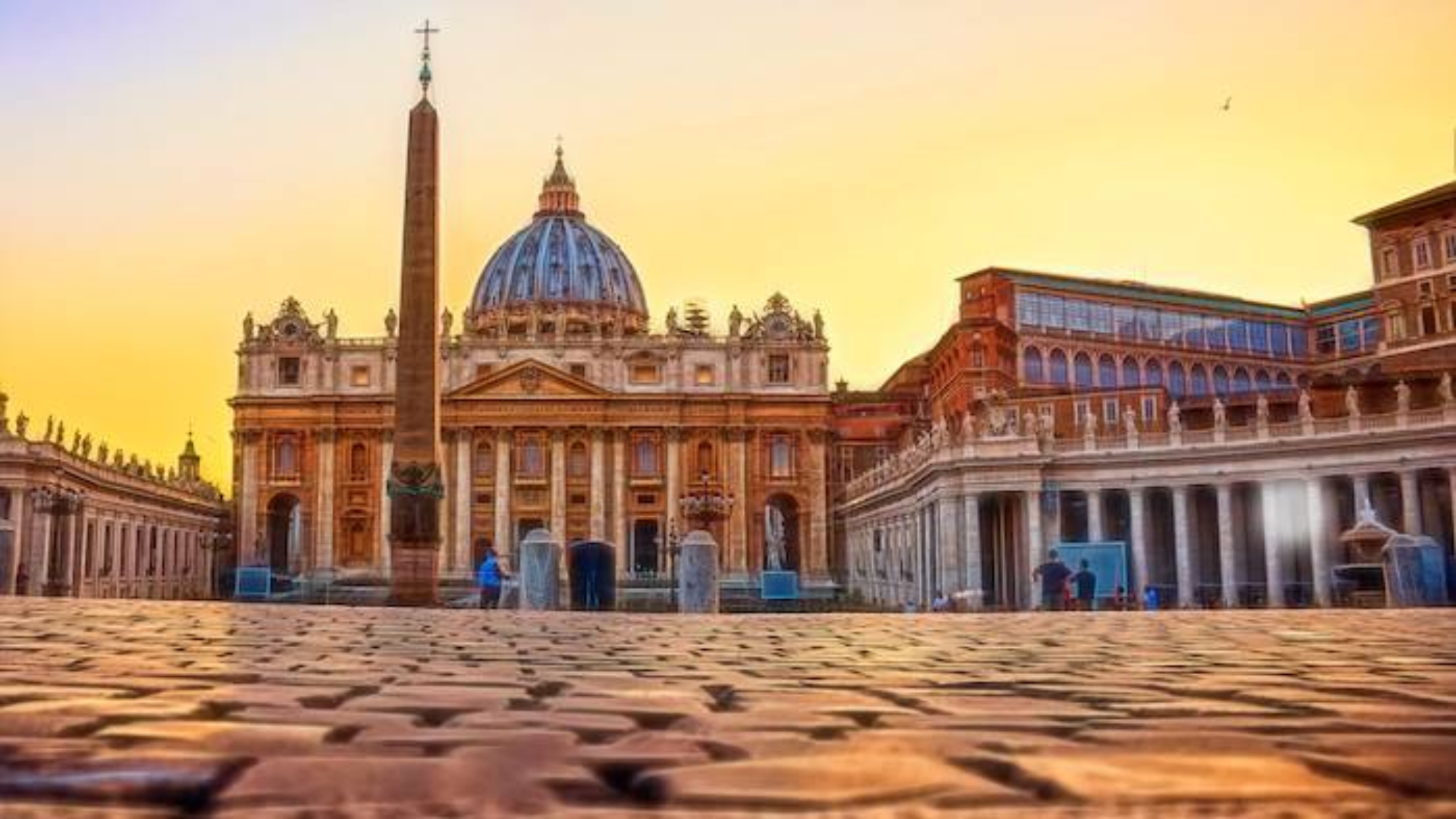
Jubilee in Rome: The History and Opening of the Holy Doors

Rome, a metropolis that has captivated pilgrims and visitors for centuries with its rich history and religious traditions, becomes the center of an extraordinary spiritual celebration during the Jubilee. This event, deeply rooted in the Middle Ages, attracts millions of faithful from all corners of the world.

But what exactly is the Jubilee? And what is the significance of the opening of the Holy Doors? In this article, we’ll explore the history and importance of this celebration, taking you on an exciting journey through centuries and the symbolic landmarks of Rome. If you’re planning to visit the Italian capital during a Jubilee, it’s a once-in-a-lifetime opportunity for an immersive and unique experience.

The History of the Jubilee

The first Jubilee was proclaimed by Pope Boniface VIII in 1300. Initially, this celebration was held every hundred years, granting pilgrims a plenary indulgence, or the total remission of sins. Later, the interval between Jubilees was reduced to fifty years, and in 1470, Pope Paul II established it as an event occurring every twenty-five years, with additional extraordinary Jubilees announced for special occasions.

Ordinary Jubilees follow a precise ritual, including the opening of the Holy Doors in Rome’s four Papal Basilicas: St. Peter’s, St. John Lateran, St. Mary Major, and St. Paul Outside the Walls. These doors, symbols of spiritual passage and renewal, remain open throughout the Jubilee year.

The Opening of the Holy Doors: A Symbol of Grace and Renewal

The opening of the Holy Doors is one of the most profound moments of the Jubilee. This solemn rite represents the Church’s invitation to all faithful to embark on a path of conversion and reconciliation. Each door is sealed at the end of a Jubilee and reopened only for the next one, a gesture filled with symbolic meaning that highlights the extraordinary nature of this event.

Among the four Holy Doors, the one at St. Peter’s Basilica is undoubtedly the most iconic. The opening takes place during a solemn ceremony presided over by the Pope, drawing thousands of faithful to the Eternal City. Walking through a Holy Door is not just a physical act but a spiritual gesture symbolizing the desire to draw closer to God and receive His mercy.

Visiting Rome During the Jubilee

During a Jubilee, Rome transforms into a crossroads of culture, faith, and community. The streets come alive with processions, cultural events, and liturgical celebrations. Visiting the city during this time offers a unique opportunity to experience the spiritual and cultural essence of the Italian capital.

For years, we have specialized in tours of Rome, offering exclusive itineraries to explore the symbolic landmarks of the Jubilee and fully immerse yourself in this experience. Our guided tours include visits to the four Papal Basilicas, Jubilee-themed routes, and moments of reflection in the city’s most evocative locations. Additionally, we handle every detail, allowing you to enjoy your journey without any concerns.

Why Choose an Organized Tour?

An organized tour during the Jubilee allows you to:

  • Access Sacred Sites: With our expert guides, you can avoid long queues and discover the stories and curiosities that make each site even more special.
  • Immerse Yourself in History: Our guides are passionate experts in Rome’s history and the Jubilee, ready to share every fascinating detail.
  • Personalize Your Experience: We offer tailor-made tours for families, groups, and solo travelers, ensuring a unique and unforgettable experience.

Get Ready for Your Jubilee Year!

Contact us today to explore our Rome packages and start planning your personalized tour. Rome awaits, ready to offer you a timeless journey through faith, art, and tradition.

pyramid rome

Hidden Gems of Ancient Rome: Lesser-Known Ruins You Should Discover

From iconic landmarks like the Colosseum, the Roman Forum, and the Pantheon to cobblestone streets echoing millennia of history, the Italian capital offers an unparalleled journey through time. But if you’re a curious traveler looking to uncover something more intimate and authentic, you need to explore the hidden gems of Ancient Rome. These lesser-known treasures provide extraordinary experiences far from the crowds.

The Mithraeum of Circus Maximus

If you’re fascinated by ancient mysteries, the Mithraeum of Circus Maximus is a must-visit. This underground temple, dedicated to the God Mithras, was a place of worship for a secretive religion popular among Roman soldiers. Located beneath the former FAO headquarters, the Mithraeum still preserves frescoes and an altar that unveil the rituals and intriguing symbolism of this cult, which once rivaled Christianity. Book a guided tour to explore the allure of this enigmatic faith.

The Pyramid of Cestius

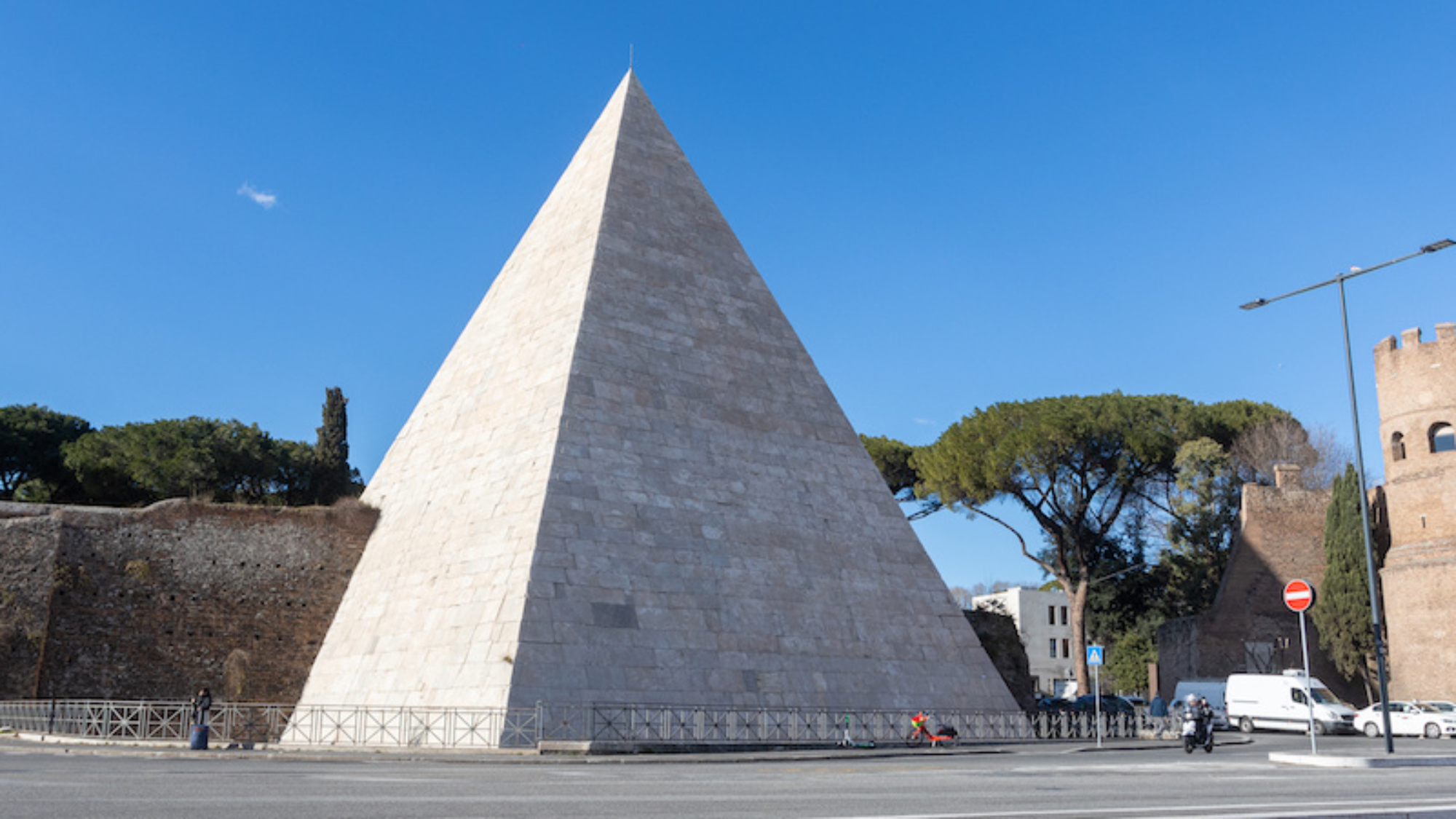
Did you know Rome has its own pyramid? Built between 18 and 12 BCE, the Pyramid of Cestius is the mausoleum of Gaius Cestius, a Roman magistrate enchanted by Egyptian culture. This unique structure, standing 36 meters tall, is located near the Protestant Cemetery and remains a fascinating yet tranquil site. Recently restored, the pyramid offers a glimpse into a time when Egypt strongly influenced Roman art and culture.

The Magic Door of Piazza Vittorio

A true enigma of Ancient Rome, the Magic Door is an intriguing monument located in the gardens of Piazza Vittorio. Dating back to the 17th century but steeped in Roman alchemical symbolism, it is all that remains of the villa of Marquis Massimiliano Palombara. The inscriptions on the door supposedly reveal the secret of the Philosopher’s Stone. This mysterious site is perfect for those who love blending history and mysticism.

The Roman Houses of the Celio Hill

Hidden in the heart of Rome, beneath the Basilica of Saints John and Paul on Celio Hill, lies an extraordinary complex of ancient Roman houses. These residences, dating from the 2nd to 4th centuries CE, offer a rare glimpse into daily life during the Roman Empire. The well-preserved frescoes depict domestic scenes and religious themes, while the structures themselves tell the story of their transformation into early Christian worship sites.

The Appian Way Park

Although the Appian Way is famous, its park is often overlooked. Here, you can walk among ancient ruins, mausoleums, catacombs, and aqueducts surrounded by lush greenery. The Mausoleum of Cecilia Metella and the Villa of the Quintilii are must-see stops. Cycling along this “Regina Viarum” is a magical experience that transports you out of time.

The Forum Boarium and the Temple of Hercules Victor

Away from the bustle of the Roman Forum, the Forum Boarium was the ancient cattle market. Here, you’ll find the Temple of Hercules Victor, a small yet charming circular marble temple dating back to the 2nd century BCE. This quiet area offers a peaceful corner of the city with picturesque views of the Tiber River.

The Aqua Claudia in the Park of the Aqueducts

If you’re seeking to escape traditional tourist paths, the Park of the Aqueducts is a magical spot. The towering arches of the Aqua Claudia, which once brought fresh water from the Simbruini Mountains to the city, still stand impressively. Strolling or picnicking beneath these ancient structures is a unique way to experience history at a leisurely pace.

In Conclusion

Rome is not just a city of grand monuments but a fascinating tapestry of stories, legends, and hidden treasures waiting to be discovered. With our Rome private and group tours, you’ll have the opportunity to explore not only the iconic landmarks but also these lesser-known gems, for an authentic and unforgettable experience. Get ready to uncover Ancient Rome as you’ve never seen it before!

Traditional Italian dishes take center stage on New Year's Eve, featuring lentils with sausage, symbolizing prosperity and abundance for the coming year.

New Year’s Eve in Rome: The Tradition of Cotechino and Lentils

New Year’s Eve is a magical moment in Rome, a city where every stone tells a story and even food becomes a symbol of culture and tradition. Among the most beloved rituals for welcoming the new year is a dish that’s much more than just food: cotechino with lentils. But why does this dish symbolize good fortune for the future? Let’s uncover the roots of this cherished culinary tradition.

A Symbol of Good Luck and Prosperity

Cotechino and lentils are the undisputed stars of Roman tables on the night of December 31st. Lentils, with their round shape resembling coins, have been considered a good luck charm since the days of ancient Rome. Eating them on New Year’s Eve is a symbolic gesture to ensure economic prosperity in the coming year.

Cotechino, with its rich texture and bold flavor, pairs perfectly with lentils. Pork has long been associated with abundance and wealth, making it the ideal food to close the year on a high note and start the new one under the best auspices.

The Recipe of Tradition

Preparing cotechino with lentils is a ritual that demands time and dedication. The cotechino, a spiced pork sausage, is slow-cooked for hours to achieve a tender texture and irresistible flavor. The lentils, simmered with onion, carrot, and celery, are enhanced with a savory base of pancetta or ham to elevate their taste.

Every Roman family has its own variation of the recipe, often passed down through generations. But one thing is certain: cotechino and lentils are a dish that brings people together, spreading warmth and conviviality around the New Year’s table.

A Culinary Tour in Rome

If you want to immerse yourself in Roman traditions and uncover the secrets of this iconic dish, why not combine it with a private tour of the Eternal City? Our personalized experiences let you explore Rome’s millennia of history alongside its extraordinary culinary heritage.

Picture yourself strolling through the alleys of the historic center, visiting local markets and ancient shops, then ending the day in a traditional Roman restaurant where you can savor authentic cotechino with lentils. It’s a unique way to celebrate New Year’s Eve in true Roman style!

A Special Wish for the New Year

As Rome lights up with fireworks and resonates with cheers and toasts, cotechino with lentils reminds us of the importance of starting the year with a gesture of good fortune. It’s a dish that tells stories of tradition, family, and hope for the future.

Book your private tour in Rome with us and experience an unforgettable New Year’s Eve, filled with culture, flavors, and authentic emotions. We look forward to celebrating the new year with you, savoring the taste of Roman tradition at heart!

piazza-navona-christmas-market-rome

Christmas Markets in Rome: The 3 Most Beautiful Ones You Can’t Miss

The magic of Christmas lights up the streets of Rome every year, transforming the Eternal City into a fairytale-like setting filled with lights, colors, and unmistakable scents. Among the many attractions, the Christmas markets are a must-see for anyone looking to dive into the holiday spirit and discover unique items, handcrafted products, and traditional sweets. If you’re planning a trip to the capital during the festive season, here are the three most beautiful markets to visit.

1. Piazza Navona: The Heart of Roman Christmas

The Christmas market at Piazza Navona is undoubtedly the most famous and iconic in Rome. This historic square, featuring Bernini’s stunning fountain, comes alive with colorful stalls offering Christmas decorations, toys, sweets, and local crafts. Street performers and carousels for kids make this spot ideal for families.
Don’t miss: Traditional cotton candy, handcrafted nativity scenes, and freshly roasted chestnuts.

2. Market at Parco della Caffarella: Tradition Meets Nature

For those seeking a more authentic experience away from the hustle and bustle of the city center, the Christmas market at Parco della Caffarella is the perfect choice. Surrounded by trees and nature, you’ll find organic products, sustainable crafts, and local food specialties.
Perfect for: Nature lovers, food enthusiasts, and those looking for a slower-paced Christmas. Be sure to try the cheeses and wines from the Roman countryside!

3. Castel Sant’Angelo: A Market Amid History and Enchantment

At the foot of the majestic Castel Sant’Angelo, another unmissable market offers a unique blend of tradition and historical atmosphere. Here, you’ll find stalls with handmade jewelry, refined Christmas decorations, and traditional sweets like nougat and spiced cookies.
What makes this market special: The breathtaking view of the illuminated Tiber River and the chance to pair your Christmas shopping with a stroll along the Bridge of Angels.

Tips for the Perfect Visit

  • Avoid peak hours: To fully enjoy the markets in peace, visit early in the morning or late in the afternoon.
  • Wear comfortable clothing: Strolling through the stalls can be tiring, especially if you plan to visit multiple markets in one day.
  • Book a private tour: To make the most of your visit and learn anecdotes and curiosities about the markets and surrounding areas, rely on an expert guide.

Conclusion

The Christmas markets in Rome are much more than just shopping spots—they’re a journey into tradition, history, and the Christmas spirit. Whether you’re looking for unique gifts, savoring traditional sweets, or simply soaking in the atmosphere, these three markets will offer you an unforgettable experience.

Plan your tour of Rome with us and experience the magic of Christmas in Rome in all its splendor!

handcrafted shopping venice

Handcrafted Shopping in Venice: Where to Find Handmade Items and Unique Pieces

Venice is renowned and cherished as a city of unparalleled art and history—a true treasure trove of craftsmanship where tradition and creativity merge to create extraordinary masterpieces. If you love discovering and purchasing handmade objects, unique pieces that tell a story, and authentic artisanal creations, La Serenissima is the perfect destination for your journey.

In this article, we’ll take you on a journey to uncover the best places for artisanal shopping in Venice, an experience that will enrich your visit with unforgettable memories and treasures.

The Allure of Murano Glass

No discussion of Venetian craftsmanship is complete without mentioning the famous Murano glass, celebrated worldwide for its beauty and quality.

  • Where to find it: Visit the workshops and studios on the island of Murano, where master glassmakers create jewelry, chandeliers, and sculptures using techniques passed down for generations. Studios like Seguso or Barovier & Toso offer live demonstrations, allowing you to witness these works of art being created before your eyes.
  • A tip: If you can’t make it to the island, authentic Murano glass boutiques are also found in the historic center. Be wary of imitations—genuine Murano glass comes with a certificate of authenticity.

Venetian Masks: Tradition and Creativity

Venetian masks, the symbol of Carnival, are far more than simple souvenirs—they are handmade works of art, often adorned with gold leaf, pearls, and feathers.

  • Where to find them: Iconic shops like Ca’ Macana and Tragicomica offer traditional and modern masks and workshops where you can create your own personalized mask.
  • The value of a mask: Each mask tells a story, whether it’s Harlequin, Columbina, or the mysterious face of the Plague Doctor. Perfect as decorations or as special gifts!

Burano Lace: The Delicacy of Tradition
If you appreciate refined details, you can’t miss the lace from Burano, crafted using techniques dating back to the 16th century.

  • Where to find it: On the island of Burano, you’ll find workshops like the Lace Museum, where you can purchase exquisitely embroidered tablecloths, handkerchiefs, and garments.
  • A piece of culture: Each lace item requires hours, sometimes days, of meticulous work, embodying the dedication of the skilled artisans preserving this ancient tradition.

Marbled Paper and Handbound Books

For writing and paper enthusiasts, Venice is a paradise of workshops producing marbled paper and handbound books.

  • Where to find them: Visit historic shops like Paolo Olbi or Il Papiro, where you can purchase notebooks, journals, and leather accessories decorated with unique designs.
  • Perfect gifts: These items make excellent gifts for writers, artists, or anyone who appreciates the charm of handmade goods.

Handcrafted Jewelry and Fashion

Venice is also a hub for handcrafted jewelry and artisanal clothing, often inspired by Venetian culture and its rich history.

  • Where to find them: Look for jewelry made with Murano glass beads at workshops like Venetian Dreams, or explore fashion boutiques like Antonia Sautter, which designs bespoke garments with a theatrical and baroque flair.
  • Unique and unforgettable: These pieces not only serve as reminders of Venice but also tell a story through their materials and intricate details.

Explore Venice with Us

To truly appreciate Venetian craftsmanship, nothing compares to exploring the city with an expert guide. Our company organizes private and group tours dedicated to artisanal shopping, taking you to hidden, less touristy spots where authenticity reigns supreme.

  • What we offer:
    • A personalized experience to discover the most genuine workshops.
    • Meetings with local artisans to witness their craft up close.
    • Tips on how to recognize and purchase authentic items.

Take Home a Piece of Venice

Artisanal shopping in Venice is more than just a buying experience; it’s an immersion into the culture and traditions of a one-of-a-kind city. Contact us today to plan your tour of Venice, and get ready to uncover the beating heart of Venetian craftsmanship.

Venice awaits you with its treasures are you ready to discover them?

Discover Castello: Venice’s Hidden Gem of History and Tranquility

If Venice is a one-of-a-kind gem in the world, the sestiere of Castello represents its most authentic and tranquil soul. Far from the crowds that swarm San Marco and Rialto, Castello offers an intimate atmosphere, with quiet calli (alleys), picturesque views, and a rich historical and cultural heritage. In this article, I’ll guide you through an unforgettable walk in this special corner of the Serenissima.

A Gateway to Venetian History

The sestiere of Castello, the largest of Venice’s six districts, takes its name from an ancient fortress that has long since disappeared. This neighborhood has a genuine and popular character, yet it is deeply connected to the city’s glorious past, thanks to the presence of the Arsenale, the core of the maritime power of the Venetian Republic.

Starting Tip: Begin your walk at the San Zaccaria vaporetto stop and head toward the Arsenale, a symbol of Venice’s maritime heritage. The majestic entrance towers will greet you, evoking the grandeur of the Serenissima.

Between Calli and Campi: The Charm of Castello

1. The Arsenale and Its History
The Arsenale served as the city’s industrial engine for centuries, where Venice’s renowned galleys were built. While full access is limited today, the surrounding area offers fascinating views and the chance to visit the Naval Historical Museum, which narrates Venice’s long maritime tradition.
Tip:
If you visit Venice during the Art or Architecture Biennale, many of the exhibitions are held at the Arsenale. It’s a perfect opportunity to see this area in a contemporary light.

2. Campo Ruga: Neighborhood Life

Continue on to Campo Ruga, a place where time seems to stand still. Here, you’ll find children playing, locals chatting, and laundry hanging between houses. It’s the lively heart of the district, where you can observe the daily life of Venetian residents.

3. Basilica of Saints John and Paul

Your walk will then lead you to the majestic Basilica of Saints John and Paul, one of Venice’s most imposing religious buildings, known as the city’s “Pantheon” for the numerous doges buried there.
Don’t miss the monumental Ospedale Civile, a Renaissance building adjacent to the basilica, featuring a rare and beautiful courtyard.

A Peaceful Oasis: The Biennale Gardens

Castello is not just about history but also nature. The Biennale Gardens are a perfect spot for a relaxing break. This park, designed during the Napoleonic era, is now home to the famous Biennale but also offers shaded spaces ideal for resting and enjoying some peace far from the hustle and bustle.

Photography Tip: From here, you can capture stunning views of the lagoon, especially at sunset.

Between Gastronomy and Tradition

Castello is also the ideal place for a culinary pause. Here are some must-visit stops:

  • Trattoria Al Covo: High-quality Venetian cuisine, featuring fresh seafood and local ingredients.
  • Osteria alla Tana: A more informal spot, perfect for a cicchetto and a glass of wine (ombra de vin).
  • Pasticceria Rosa Salva: End your walk with a typical Venetian dessert, such as a frittella or a bussolà.

Why Visit Castello?

The sestiere of Castello offers a different side of Venice—one of Venetians, traditions, and tranquility. Walking through its calli is a chance to discover a part of the city away from the spotlight yet incredibly rich in charm.

If you’re looking for an authentic experience, filled with genuine encounters and timeless atmospheres, Castello is the place for you. Wear comfortable shoes, get ready to lose yourself among alleys and squares, and let yourself be surprised by the magic of this unique district.

Ready to experience a different Venice?

rome-bike-tour

Exploring Rome by Bike: Routes and Tips for Discovering the Eternal City on Two Wheels

The best way to uncover the beauty of the Eternal City is undoubtedly on two wheels—so hop on a bike and pedal away! While many imagine Rome through leisurely walks or bus tours, renting a bike and cycling through its historic streets offers a fresh and authentic perspective. With the wind in your hair and the freedom to explore hidden corners, biking is a perfect choice for those seeking an active and sustainable way to experience the city. In this article, we’ll explore the best cycling routes, practical tips, and why a private bike tour might be the ideal addition to your next Roman adventure.

Why Choose a Bike to Explore Rome?

Cycling in Rome allows you to:

  • Visit more attractions in less time compared to walking.
  • Enjoy scenic routes away from traffic.
  • Discover green spaces and neighborhoods off the beaten tourist path.
  • Experience the city in an eco-friendly and sustainable way.

While navigating Rome can be challenging due to its infamous cobblestones and bustling traffic, well-marked bike paths and quieter areas make the experience enjoyable, even for beginners.

Recommended Routes for Exploring Rome by Bike

1. The Appian Way: A Journey Through Time

The Appian Way (Via Appia Antica) is one of the most fascinating routes for visitors. Cycling along this ancient Roman road, you’ll encounter historic ruins, aqueducts, and breathtaking landscapes.

  • Distance: Approximately 16 km (round trip).
  • Highlights: Catacombs of San Sebastiano, Tomb of Cecilia Metella, Caffarella Park.
  • Tip: Opt for a bike with good suspension, as the path can be uneven and cobblestoned in some sections.

2. Villa Borghese: Relaxation and Culture on Two Wheels

This sprawling urban park is perfect for a leisurely ride away from the city’s hustle and bustle. Explore the lake, manicured gardens, and renowned museums like the Borghese Gallery.

  • Distance: Around 4–5 km of internal trails.
  • Tip: Rent an electric bike if you want to tackle the park’s hilly areas with ease.

3. Lungotevere: Cycling Along the River

This scenic route follows the Tiber River, offering stunning views of iconic landmarks like Castel Sant’Angelo and Tiber Island.

  • Distance: Approximately 10 km (from Ponte Milvio to Trastevere).
  • Tip: Bring a camera—the sunset along the Tiber is spectacular.

4. EUR District and EUR Lake

For a glimpse of modern Rome, the EUR district features wide boulevards and a picturesque lake surrounded by a bike-friendly park.

  • Distance: A 3-km internal circuit.
  • Highlights: Palazzo della Civiltà Italiana, EUR Lake, and the Museum of Roman Civilization.

5. The Jewish Ghetto and Trastevere: History and Authenticity

These historic neighborhoods are ideal for a relaxed ride. Take in the picturesque streets, local markets, and authentic restaurants.

  • Tip: Visit the Portico of Octavia in the Jewish Ghetto and stop for gelato in Trastevere.

Practical Tips for Biking in Rome

  • Rent the Right Bike: Choose a bike suitable for your route. A city bike or mountain bike works best for urban rides.
  • Dress Comfortably: Wear practical clothing and bring a water bottle, especially during warmer months.
  • Safety First: Always wear a helmet and follow traffic rules. Avoid peak traffic hours for road-based routes.
  • Consider an E-Bike: To handle Rome’s hills with ease, an electric bike is a great option.

Conclusion: Rome on Two Wheels is a Unique Adventure

Cycling in Rome is an experience that blends the Eternal City’s timeless beauty with the freedom to explore at your own pace. From the historic landscapes of the Appian Way to the serene paths of Villa Borghese, there’s a route for every type of traveler.

Whether you’re discovering Rome’s history or escaping to its green spaces, a bike ride offers an unforgettable way to see the city. So gear up, pedal away, and let the Eternal City reveal itself in a whole new way!

trastevere nightlife tour

Trastevere by Night: The Nightlife and Coolest Spots in the Neighborhood

If Rome is a city that never sleeps, Trastevere is undeniably its beating heart, the center of its vibrant nightlife. This historic district, with its cobblestone streets and authentic atmosphere, transforms in the evening into a true epicenter of life and fun. Whether you’re looking for a trendy spot for cocktails or aperitifs, a relaxing night out with friends, or a traditional dinner, Trastevere by night offers unique and unforgettable experiences.

The Magical Atmosphere of Trastevere

At night, Trastevere becomes a magical place. The lights come on, the music grows louder, and historic squares like Piazza Santa Maria in Trastevere come alive with street performers, tourists, and locals, all drawn to the convivial and vibrant atmosphere.
What makes Trastevere so special at night is its unique blend of tradition and modernity. Among ancient buildings and medieval churches, you’ll find stylish bars, international pubs, and restaurants that reinterpret Roman cuisine with a contemporary twist.

Where to Go in Trastevere at Night?

1. The Coolest Cocktail Bars

Kick off your evening with a great cocktail. Trastevere is home to numerous spots serving innovative drinks in chic settings.

  • Freni e Frizioni: This iconic bar is a must for anyone visiting Trastevere. Located in a former workshop, it offers a relaxed atmosphere and a creative cocktail menu, perfect for enjoying outdoors in Piazza Trilussa.
  • The Jerry Thomas Project: A retro-style speakeasy renowned for its high-quality drinks and exclusive ambiance. A unique experience—but don’t forget to book in advance!
  • Pimm’s Good: A cozy and refined venue where you can savor cocktails crafted with fresh, seasonal ingredients.

2. Restaurants for a Special Dinner

Trastevere is a paradise for food lovers. In the evening, its restaurants serve everything from classic Roman dishes to gourmet creations.

  • Tonnarello: If you want to try authentic carbonara or cacio e pepe, this restaurant is a must. Its authenticity attracts both locals and tourists.
  • Spirito DiVino: Located in an ancient Roman building, this restaurant combines tradition and culinary innovation, with a special focus on wine.
  • Osteria der Belli: For seafood enthusiasts, this restaurant is a hidden gem, ideal for an intimate and relaxed dinner.

3. Spots for Music and Entertainment

If you’re up for continuing your night after dinner, Trastevere offers a wide range of options for live music or dancing until late.

  • Big Star: A British-style pub famous for its extensive selection of craft beers and welcoming vibe. Perfect for a night out with friends.
  • Lettere Caffè: A unique spot where culture and fun meet. Here, you can listen to live music or participate in artistic events.
  • Piazza Trilussa: Not a venue, but the quintessential meeting place in Trastevere for an informal night out. The square fills with young people gathering to drink, chat, and soak up the atmosphere.

Trastevere for All Ages and Tastes

One of the defining features of Trastevere is its ability to cater to every type of visitor. Families, couples, groups of friends—everyone finds their perfect spot in the district’s streets.
Moreover, there are plenty of vegetarian and vegan options in the restaurants, as well as bars and venues suitable for those looking for a more relaxed vibe.

Ending the Night

After an evening of drinks, food, and music, wrapping up your night in Trastevere is an equally special experience. Strolling along the Lungotevere, with the river illuminated by the city lights, is the perfect way to unwind before heading home. If you still have energy, stop by one of the district’s artisanal gelaterias for a sweet finale.

Trastevere by Night: An Unmissable Experience

Trastevere at night is a world to discover. Whether you’re a tourist seeking a Roman adventure or a local looking for an authentic spot, this district will amaze you. Its nightlife is not only lively but also rich in authenticity, where every venue has a story and every street an unparalleled atmosphere.
The next time you visit Rome, treat yourself to a night in Trastevere. It won’t just be a night out—it’ll be an unforgettable journey into the beating heart of the Eternal City.

florence, italy. 15th april, 2022: portrait of david created by michelangelo

Discovering the Great Italian Masters: A Private Tour through the Works of Michelangelo and Leonardo in Florence

Florence is the cradle of the Renaissance, a place where art, beauty, and history intertwine in a unique way. The magic that can be felt along the Arno River is something truly incredible. It is here that two of the greatest Italian masters, Michelangelo Buonarroti and Leonardo da Vinci, left an indelible mark, creating masterpieces that continue to inspire and fascinate millions of people. If you wish to explore Florence through their works, this walking tour offers an intimate and in-depth experience of the lives and works of these two giants of the Renaissance.

Why take a walking tour of Michelangelo and Leonardo?

A walking tour is perfect for those seeking a unique experience. With an expert guide, you will immerse yourself in the stories and secrets surrounding the works of Michelangelo and Leonardo, delving into the details and fully enjoying the beauty that surrounds you. You will visit iconic places at your own pace, ask questions, and explore the connections between the artists’ works and their life moments, all while observing Florence from an exclusive and privileged perspective.

Main stops of the tour: Michelangelo in Florence

Florence hosts some of Michelangelo’s greatest works, which reveal the genius and sensitivity of this extraordinary artist.

  1. The David at the Galleria dell’Accademia

The tour begins at the Galleria dell’Accademia, home to the David, one of the most iconic and beloved sculptures in the world. This monumental piece, carved from a single block of marble, embodies anatomical perfection and the ideal of beauty during the Renaissance. Michelangelo sculpted David at just 26 years old, creating a symbol of strength, freedom, and determination. During the tour, your guide will share the challenges the artist faced in creating this sculpture, from sourcing the marble to the techniques that made such an intense masterpiece possible.

  1. The Medici Chapels and the Tombs of the Medici

In the Basilica of San Lorenzo, you will visit the Medici Chapels, where Michelangelo designed and sculpted the tombs of Giuliano and Lorenzo de’ Medici. The statues represent the allegories of Day and Night, Aurora and Twilight, reflecting the artist’s philosophy on time and eternity. This location not only highlights Michelangelo’s sculptural skill but also offers insight into his relationship with the Medici, the powerful Florentine family who were his patrons.

  1. The Laurentian Library

The Laurentian Library, also located in the Basilica of San Lorenzo, is one of the most original examples of Renaissance architecture. Michelangelo designed the building and created the famous staircase, an innovative spatial and stylistic work that reflects his quest for harmony between form and function. As you stroll through the library, you will discover how Michelangelo applied his genius to architecture, creating a space that is both atmospheric and perfectly integrated with the Medici family’s manuscript collections.

Discovering Leonardo da Vinci in Florence

Leonardo da Vinci, with his brilliant mind and relentless curiosity, left a profound mark on Florence. Not only a painter but also a scientist and inventor, Leonardo represents the ideal of the Renaissance man.

  1. Leonardo da Vinci Museu
    A must-visit stop to understand Leonardo’s genius is the Leonardo da Vinci Museum, where you can explore interactive reproductions of his inventions, from military machines to prototypes of flying instruments. Each model is built based on Leonardo’s original drawings, allowing you to immerse yourself in the revolutionary projects that influenced the course of history. Your guide will help you understand how Leonardo approached science with the same artistic spirit he put into his paintings, exploring the relationship between art and technology in his work.
  2. Uffizi Gallery: The Annunciation and the Baptism of Christ
    At the Uffizi Gallery, you will admire some of Leonardo’s early works, such as The Annunciation and The Baptism of Christ, created in collaboration with the master Andrea del Verrocchio. In these paintings, you can recognize Leonardo’s unique sensitivity, his attention to detail, and his masterful use of light. These works reveal the early steps of the young artist and his evolution toward a more personal and revolutionary style that would profoundly influence art history.

What to expect from the tour: an exclusive and tailored experience

This tour is designed to offer you an exclusive and personalized experience. The guide will be at your disposal to answer all your questions and tailor the itinerary to your specific interests. Whether you are passionate about art or fascinated by the history of Florence, this tour will allow you to explore the city’s cultural heritage in an engaging and in-depth way.

Practical tips for making the most of the tour

Advance booking: Since this is a private tour, it’s advisable to book in advance to ensure availability of the guide and enjoy a stress-free experience.
Comfortable clothing: Florence is a city to explore on foot, so wear comfortable shoes and bring a light jacket, especially in the spring and fall months.
Camera or charged phone: The unique views and details of the works you will see deserve to be captured, so don’t forget to bring a camera or phone that is fully charged.

Conclusion: A journey into the soul of the Renaissance

A private tour of Florence through the works of Michelangelo and Leonardo in Florence is a journey to the heart of the Renaissance and the soul of human creativity. Away from the crowds and immersed in the stories that shaped this era, you will discover the genius of two extraordinary artists and their lasting impact on the history of art. Let yourself be guided through an unforgettable experience, between monumental sculptures and ingenious inventions, where every detail tells the greatness of Renaissance thought and the city that made it possible.