gondola-venice

The role of Gondoliers in Venetian culture: between tradition and modernity

Venice is a city that enchants visitors with its timeless beauty, sparkling canals, and romantic atmosphere. Among the city’s most iconic symbols is certainly the gondola, and with it, the gondolier—charismatic figures who embody the soul of Venice. Their role, fascinating and ancient, serves as a bridge between Venice’s historic tradition and its modern life, making gondoliers undisputed protagonists of the city’s daily life and tourist experiences. But who are gondoliers, really? What is their role in Venetian culture, and how have they adapted to modern times? Let’s explore this together in a journey through history, tradition, and innovation.

The historical origins of the Gondolier

The profession of the gondolier has ancient roots, going back centuries to when the gondola was the primary mode of transportation for residents of the Serenissima. In the 17th century, Venice was a major trading power, and with its maze of canals, the gondola became an ideal solution for moving around the city. At that time, the gondolier was more than just a boat conductor; they were a respected figure in Venetian society, often in the service of noble families, merchants, and diplomats.
The gondola itself is a masterpiece of craftsmanship, built following precise rules passed down through generations of skilled artisans. Its asymmetrical structure, designed to glide effortlessly through the canals, and its elegant design have remained largely unchanged over time, giving the gondolier not only a tool for work but a symbol of the city.

The Gondolier today: evolving tradition

Today, gondoliers are no longer just transporters but true ambassadors of Venetian culture. Over time, their role has transformed, though the charm of the profession remains unchanged. Modern gondoliers are the custodians of a tradition that combines technical, historical, and cultural knowledge. Before obtaining a license to practice, candidates must pass a rigorous exam that includes maneuvering skills, knowledge of Venice’s history, and even language skills, as tourists come from all over the world.
Despite technological advancements and the advent of new modes of transportation, the gondola remains an essential experience for anyone visiting Venice. The gondolier, in particular, represents the authenticity of the past meeting the present. As they row through narrow canals and wide rii, gondoliers share anecdotes, stories, and legends that evoke Venice’s glorious past, adding a personal touch to each tour.

Between tradition and modernity: how do gondoliers adapt?

One of the most fascinating aspects of today’s gondolier profession is their ability to keep tradition alive in a modern context. With increasing tourism, gondoliers have had to adapt to changing visitor demands and expectations. Many of them speak multiple languages and offer personalized experiences, ranging from romantic sunset tours to private excursions with in-depth explanations of Venetian history.
Moreover, the gondolier profession is now opening up to new perspectives: for the first time in history, some women have entered this career, breaking a centuries-old tradition dominated by men. This signals how the city is evolving while remaining true to its cultural roots.

The importance of Gondoliers in Venetian tourism

In Venice’s tourism industry, the gondolier plays a fundamental role. A gondola ride is not just a way to see the city from a unique perspective; it’s also an immersion into its history and culture. Gondoliers become informal guides who transform a simple boat ride into a memorable experience, sharing curiosities, describing ancient palaces, and pointing out lesser-known views of the city.
For travel agencies, organizing private or group tours that include a gondola ride is a way to offer clients an authentic experience, away from the crowded tourist paths. A gondolier can make an anniversary, a wedding, or simply an unforgettable day special, thanks to their charm and deep knowledge of the city.

The future of Gondoliers: innovation and sustainability

Looking to the future, gondoliers remain protagonists in Venetian life, especially in terms of sustainability. The growing focus on the environment has led many gondolier associations to raise tourist awareness about the importance of respecting the lagoon ecosystem. They promote eco-friendly tours and employ low-impact navigation techniques.
Even the modernization of Venice’s tourism industry hasn’t diminished the traditional appeal of the gondola. Increasingly, travel agencies are offering personalized experiences that combine the tradition of the gondola with innovations, such as evening tours with live music or the option to combine a typical Venetian meal with the tour. In this way, the gondolier becomes the focal point of an experience that marries tradition and modernity, making each visit to Venice unique and unforgettable.

Conclusion

Gondoliers are much more than mere rowers; they are the guardians of a centuries-old tradition that helps keep the spirit of Venice alive. In an ever-evolving world, these men and women continue to embody the essence of the city, ferrying visitors through its canal wonders, bridging past and present. Choosing a private or group tour that includes a gondola ride means gifting yourself a journey into Venice’s history and beating heart, guided by those who know the city better than anyone: the gondoliers.
If you’re planning a tour in Venice, don’t miss the chance to enjoy a unique and authentic experience with one of the city’s most iconic figures. Let yourself be carried away by the charm of its canals and the expertise of its gondoliers to discover Venice as generations of Venetians have experienced it.

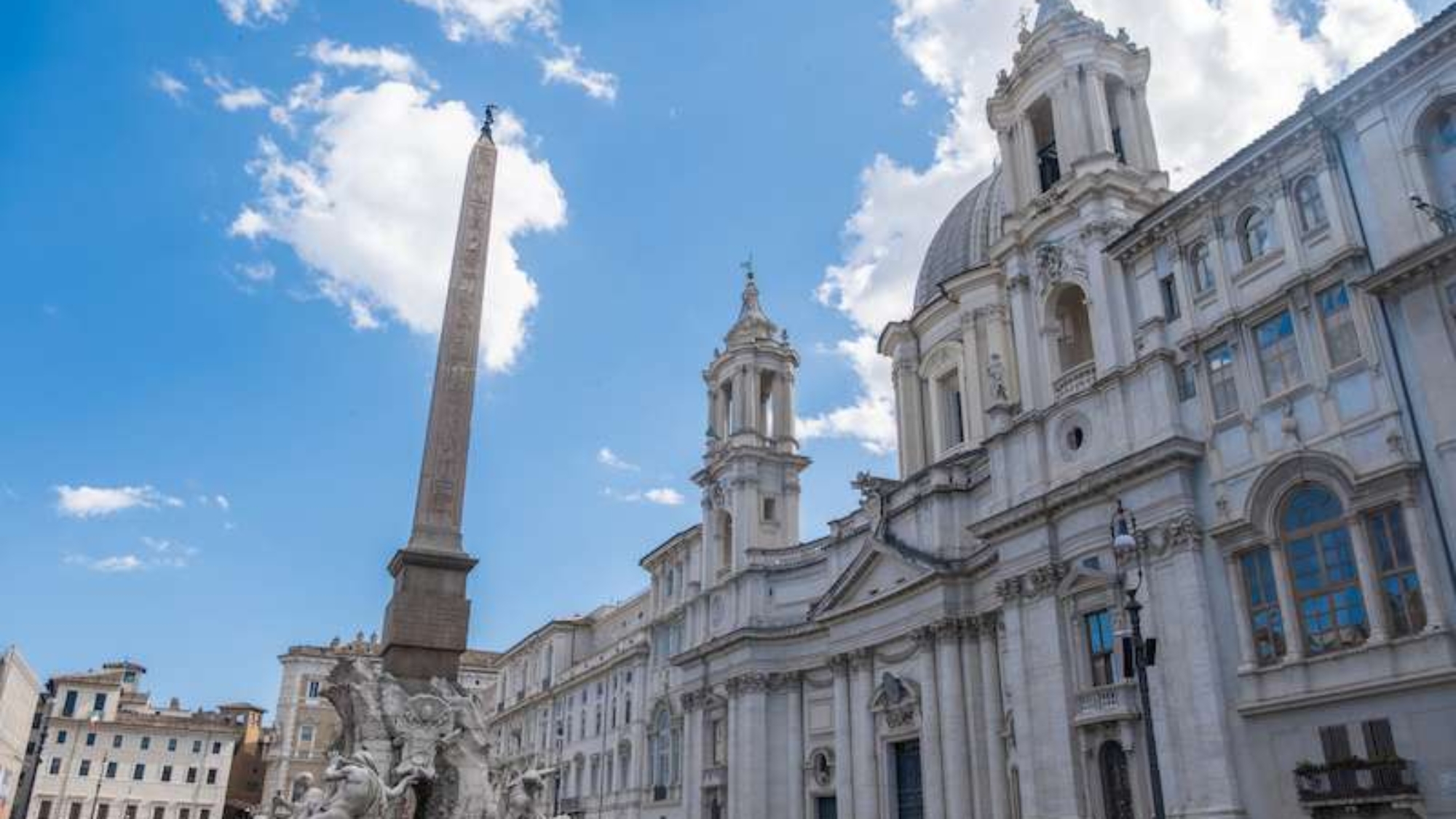
four-rivers-fountain-rome

Discovering Bernini’s Sculptures in Rome: A Journey Through Art and Wonder

If you’re an art enthusiast or simply curious to explore the masterpieces of one of the most influential artists of the Baroque period, a tour uncovering Gian Lorenzo Bernini’s sculptures in Rome is a must-do experience. Bernini left an indelible mark on the Eternal City, transforming it into an open-air museum where every corner showcases his genius. This article will guide you through a journey among Bernini’s most iconic works, perfect for those who wish to experience Rome from a unique artistic and cultural perspective.

1. The Rape of Proserpina – Galleria Borghese
Our journey begins in one of Rome’s most extraordinary museums: the Galleria Borghese, located within the lush Villa Borghese park. Here, you can admire one of Bernini’s most emblematic works: The Rape of Proserpina (1621-1622). This sculpture depicts the abduction of the young Proserpina by Pluto, and Bernini’s mastery is evident in the extraordinary details, such as Pluto’s fingers sinking into Proserpina’s flesh. The dynamism of the scene, the realism of the expressions, and the energy captured in the marble make this piece a must-see for every visitor.

2. Apollo and Daphne – Galleria Borghese
Also housed in the Galleria Borghese is another masterpiece: Apollo and Daphne (1622-1625). This sculpture portrays the mythological story of Apollo, who chases the nymph Daphne, and to escape, she transforms into a laurel tree. Bernini captures the transformation in sublime detail, with the leaves and bark emerging from Daphne’s body. The lightness and movement of the marble seem to defy gravity.

3. Fountain of the Four Rivers – Piazza Navona
Leaving the museum and heading towards the historic center, you’ll find one of Rome’s most famous squares: Piazza Navona. Here stands the spectacular Fountain of the Four Rivers, a grand work designed by Bernini in 1651. The fountain represents the four major rivers of the known world at the time (the Danube, the Ganges, the Nile, and the Rio de la Plata) and is centered around an obelisk. Each of the sculpted figures demonstrates Bernini’s ability to create movement, power, and realism in his works. It is one of Rome’s most beloved symbols and a must-see for anyone wishing to witness the extraordinary blend of sculpture and architecture.

4. The Ecstasy of Saint Teresa – Church of Santa Maria della Vittoria
Continuing our tour, we head to the Church of Santa Maria della Vittoria, where you will find one of Bernini’s most powerful and spiritual sculptures: The Ecstasy of Saint Teresa (1647-1652). Located in the Cornaro Chapel, this sculpture depicts Saint Teresa of Ávila in a moment of mystical ecstasy, pierced by an angel. Bernini masterfully transforms marble into a work of profound emotion, blending sensuality and spirituality in an extraordinary way. The entire composition is dramatic and captivating, enhanced by Bernini’s theatrical use of light.

5. Baldachin of St. Peter’s – St. Peter’s Basilica
A tour of Bernini’s works would not be complete without a visit to the symbol of Christianity, St. Peter’s Basilica in Vatican City. Inside the church, beneath Michelangelo’s majestic dome, stands the monumental Baldachin of St. Peter’s (1624-1633), crafted from gilded bronze by Bernini. Standing nearly 30 meters tall, this Baroque baldachin covers the papal altar and represents the perfect fusion of sculpture and architecture. The drapery details, twisted columns, and decorative angels are just a few elements that highlight the artist’s unparalleled skill and creativity.

6. St. Peter’s Square – Bernini’s Colonnade
Also in St. Peter’s Square, one of Bernini’s most impressive architectural works is the colonnade surrounding the square, constructed between 1656 and 1667. This monumental colonnade, made up of 284 columns and 140 statues of saints, symbolizes the Church’s embrace of the faithful. Bernini designed the square in such a way that the colonnade seems to welcome everyone who enters, with symmetry and harmony that leave visitors in awe.

7. Elephant and Obelisk – Piazza della Minerva
The tour concludes with a small but delightful sculpture by Bernini, located in Piazza della Minerva, just behind the Pantheon: the Elephant and Obelisk (1667). This sculpture supports an Egyptian obelisk and, despite its smaller size compared to Bernini’s other monumental works, it showcases his ability to mix symbolism and imagination. The elephant, with its almost ironic smile, is a reminder of the intelligence and strength of the spirit.

Discover Rome with a Private Tour Dedicated to Bernini’s Works

If you want to experience an immersive journey and delve into the genius of Gian Lorenzo Bernini, a private tour exploring his works is the perfect choice. With expert and personalized guides, you’ll uncover the details, stories, and secrets that make Bernini’s sculptures so extraordinary. A custom-tailored tour will allow you to explore Rome following in the footsteps of this great Baroque master, helping you fully appreciate the influence he had on the Eternal City.

Why Choose a Private Tour?

  • Personalized Experience: Our expert guides will create a custom itinerary, focusing on the aspects that interest you most.
  • Exclusive Access: Skip the long lines and gain direct access to the most important museums and monuments.
  • Exclusive Insights: Discover lesser-known details and curiosities about Bernini’s works for a truly unique experience.

Don’t miss the opportunity to explore Rome through the eyes and hands of Bernini. Book your private tour now and be enchanted by the eternal beauty of his sculptures!

ostiense-street-art

Contemporary Art Gallery Tour in Ostiense: Between Street Art and Museums

Rome is known worldwide for its rich, millennia-old historical and artistic heritage, but the Eternal City also has a modern soul that pulses with contemporary creativity. In the Ostiense district, perhaps the most industrial area of Rome, this artistic expression vibrantly unfolds through contemporary art galleries and extraordinary street art that enlivens the neighborhood’s streets. It is truly an open-air museum that blends an industrial past with cultural innovation.

If you are a contemporary art enthusiast or simply curious to explore a different, younger, and more creative side of Rome, a tour of Ostiense’s galleries and street art is the perfect experience. Let’s discover together what makes this neighborhood so unique and fascinating.

Art Galleries in Ostiense

Ostiense is home to some of Rome’s most interesting contemporary art galleries, offering a glimpse into new artistic trends. Here are some must-see stops on the tour:

Galleria 1/9 Unosunove
This gallery is a reference point for fans of conceptual art and contemporary installations. Its exhibition spaces showcase works by both international and local artists, exploring current themes through a creative and innovative lens.

The Gallery Apart
Specializing in emerging contemporary art, this gallery serves as a platform for young talents and experimental artists. Here, you can immerse yourself in bold installations, paintings, and sculptures that reflect the innovative spirit of Rome’s art scene.

Fondazione Volume!
Located in a former industrial space, Fondazione Volume! hosts site-specific art projects by contemporary Italian and international artists. Each installation transforms the environment, creating a unique and immersive experience for visitors.

Street Art in Ostiense: An Open-Air Museum

In addition to galleries, Ostiense is renowned for its extraordinary street art. In recent years, the facades of old industrial buildings have been transformed into giant canvases for some of the world’s most famous street artists.

Frida Kahlo Mural by JB Rock
This massive mural, depicting the famous Mexican painter, is one of Ostiense’s most notable examples of street art. Created by the artist JB Rock, it celebrates individuality and resilience, symbolic characteristics of street art itself.

Blu
The artist Blu has transformed the neighborhood with a series of monumental and dreamlike murals. His works, often laden with social and political messages, cover entire buildings and tell powerful stories through surreal images.

Gazometro Murals
The Gazometro, one of Ostiense’s symbols, is surrounded by murals that depict urban life. Artists like Agostino Iacurci and Sten & Lex have left their mark with works that convey a critical and poetic vision of the city and society.

Museums and Cultural Spaces

The Ostiense neighborhood is also home to museums and cultural spaces dedicated to contemporary art:

Centrale Montemartini
This museum offers a fascinating blend of ancient and modern. Housed in a former power plant, it displays classical Roman sculptures alongside gigantic industrial machinery, creating a striking contrast that tells the story of art’s evolution over time.

Mattatoio di Testaccio (MACRO)
Located near Ostiense, MACRO Testaccio is a vast exhibition space dedicated to contemporary art, repurposed from a former slaughterhouse. Its temporary exhibitions are among the most interesting and innovative in Rome, and worth a visit during the tour.

Why Choose a Guided Tour of the Ostiense District

A guided tour of Ostiense’s galleries and street art will allow you to discover hidden corners and works that you might easily miss on your own. Our expert guides will share the stories behind the murals, the meaning of the works, and provide in-depth context on the artists who are transforming this neighborhood.

Conclusion

Art enthusiast or traveler seeking off-the-beaten-path destinations? The contemporary art gallery tour in Ostiense offers a unique experience to discover a different side of Rome. Don’t miss the chance to immerse yourself in a world of modern creativity, where street art perfectly merges with gallery art to reveal the most current face of the Eternal City.

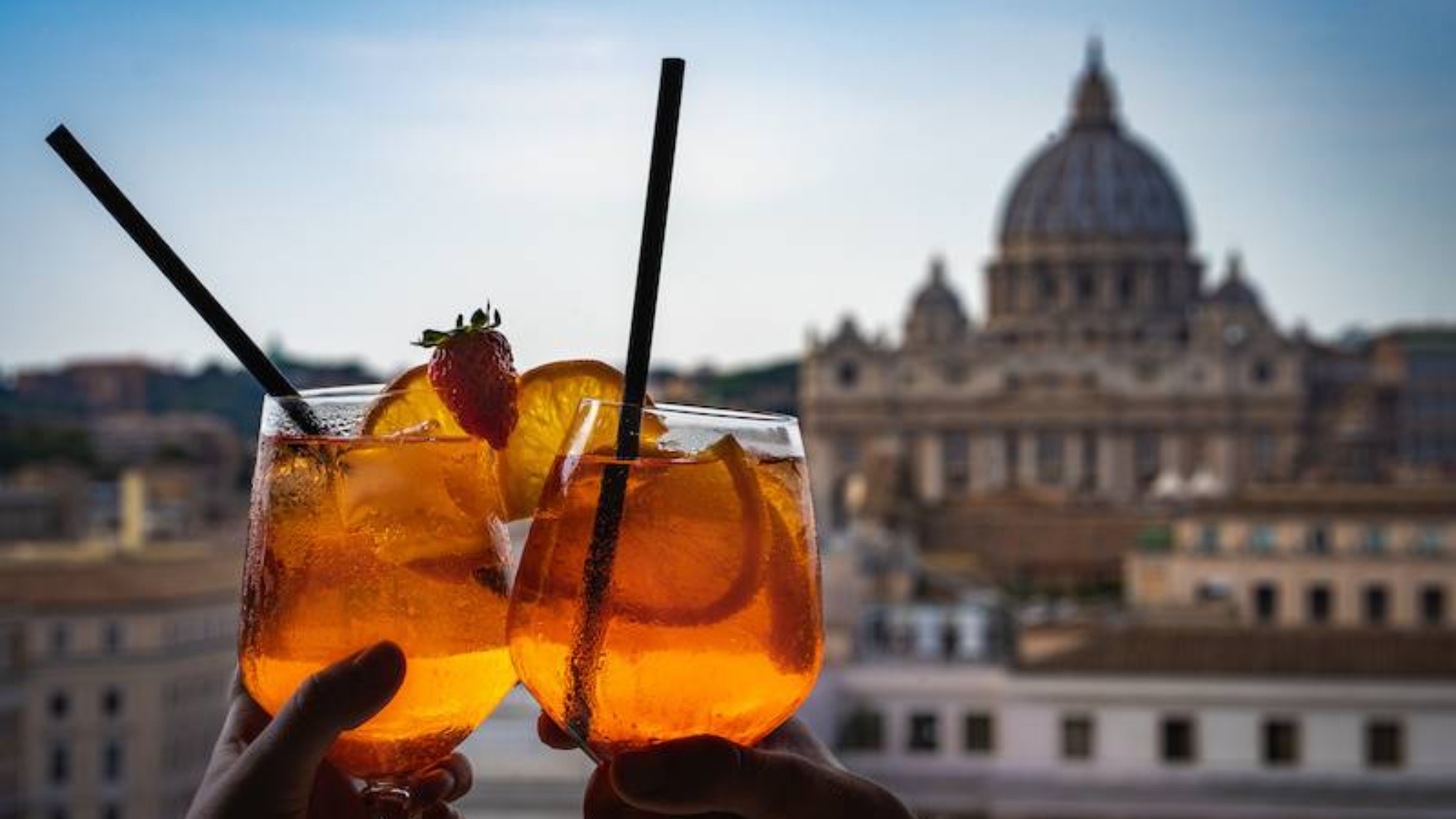
aperitif-vatican-city-rome

Aperitifs with a View of the Vatican: Must-Visit Spots for a Sunset Drink

Rome is a city that enchants at any time of the day, but there is something truly magical when the sun sets over the city’s rooftops and warm colors embrace the Eternal City.
If we combine this magical moment with one of the most relaxing pauses of the day, the aperitivo, and one of the most iconic locations in the world, the Vatican, the masterpiece is served!
If you are looking for a unique experience, here are the must-visit spots where you can enjoy a sunset drink with a view of one of the most iconic symbols in the world.

  1. Les Étoiles Rooftop Bar
    Located inside the Hotel Atlante Star, Les Étoiles is one of the most famous places to admire the sunset over the Vatican. Its panoramic terrace offers a spectacular view of St. Peter’s Dome, so close it almost feels like you can touch it. As the sky turns shades of pink and orange, you can enjoy refined cocktails and gourmet snacks, all in an elegant and relaxing atmosphere. Perfect for a romantic evening if you’re on a couples’ trip, and to capture memorable photos.
  2. Terrazza Borromini
    For those seeking an exclusive experience, Terrazza Borromini, located in the heart of Rome in Piazza Navona, is the perfect spot as it offers a stunning view of St. Peter’s Basilica and the rooftops of the Vatican City. The elegance of the furnishings is combined with a 360-degree view of the city, making aperitivo a special moment. From here, you can admire the city from a privileged vantage point while relaxing with a glass of wine or one of their signature cocktails.
  3. Eitch Borromini Rooftop Bar
    Inside the historic Palazzo Pamphilj, the Eitch Borromini Rooftop Bar is a fascinating location for an unforgettable aperitivo. With a direct view of the Vatican and all of Rome, this rooftop allows you to immerse yourself in the Roman atmosphere while sipping excellent cocktails and enjoying delicious appetizers. The perfect mix of history, art, and taste.
  4. La Terrazza del Gianicolo
    Not far from the Vatican, on the Janiculum Hill, you’ll find another must-visit spot for sunset lovers. La Terrazza del Gianicolo offers a panoramic view of all of Rome, with St. Peter’s Dome standing out on the horizon. Here, in an informal yet charming setting, you can relax with a classic Italian aperitivo, perhaps accompanied by a selection of local wines and boards of cold cuts and cheeses.
  5. Up Sunset Bar
    If you’re looking for a modern location with an incredible view, Up Sunset Bar, located on the top floor of the La Rinascente building, the historic Italian luxury department store, is the right choice. With a unique perspective on St. Peter’s Dome and a chic, contemporary setting, this bar is perfect for those who want to enjoy a spectacular sunset while sipping a cocktail in a trendy and dynamic environment.
  6. Tiziano Terrace by Monti View
    Inside the Monti Palace Hotel, Tiziano Terrace is an oasis of peace in the heart of Rome, with a view that stretches across the city’s rooftops all the way to the Vatican. Their aperitivos include a wide selection of creative drinks and high-quality finger food, perfect for enjoying the sunset in total relaxation.

Conclusions

Whether you’re a Roman looking for a new experience or a tourist discovering the city’s beauties, these spots offer the perfect opportunity for a sunset aperitivo with a view of the Vatican. Sipping a drink while watching St. Peter’s Dome turn from indigo to orange is an experience that will stay in your memory, a perfect moment to relax and enjoy the magic of the Eternal City.

chicken liver crostini

Curiosities about the Typical Tuscan Appetizer: Chicken Liver Crostini, Finocchiona Cold Cuts, and Cheeses with Unsalted Bread

Among the things that best represent Tuscany on the table is undoubtedly the typical Tuscan appetizer, a celebration of simple and genuine flavors, rooted in the region’s farming traditions. This introductory meal is a burst of local products such as chicken liver crostini, finocchiona cold cuts, and a selection of cheeses, all accompanied by the unmistakable “pane sciapo” (unsalted bread). Each component holds an interesting story and encapsulates the true essence of Tuscany.

Chicken liver crostini: a bite of tradition

Chicken liver crostini are one of the most iconic elements of the Tuscan appetizer. This recipe has humble origins, created to use every part of animals, avoiding waste. The dish consists of toasted slices of Tuscan bread spread with a chicken liver pâté, prepared with onion, capers, anchovies, broth, and often Vin Santo, adding a hint of sweetness.
Interestingly, this dish was served on grand occasions, such as weddings, and still today it is part of the most important events in Tuscany. Chicken liver crostini are always present in local trattorias, and we recommend trying them if you are a fan of intense flavors and want to discover the more rustic and authentic soul of Tuscan cuisine.

Cold Cuts: tyhe queen, Finocchiona

When talking about cold cuts in Tuscany, finocchiona is undoubtedly the undisputed queen. This cured meat has ancient origins dating back to the Middle Ages, when farmers began using fennel instead of the more expensive black pepper to flavor pork.
The fennel, with its delicate yet distinctive aroma, gives finocchiona its characteristic flavor, making it one of the most appreciated and sought-after cold cuts in Tuscan butcher shops. It is said that this salami was the favorite of Lorenzo the Magnificent and was enjoyed during Renaissance banquets. Paired with pane sciapo, finocchiona becomes a unique sensory experience, balancing the aromatic flavor of the meat with the simplicity of the unsalted bread.

Tuscan cheeses: pecorino

No Tuscan appetizer is complete without cheeses. Among them, Tuscan pecorino is undoubtedly the most famous. This sheep’s milk cheese can be enjoyed fresh, semi-aged, or aged and is often accompanied by honey or jams to enhance its flavor.
Tuscan pecorino has a long tradition dating back to Etruscan times and is one of the essential elements of Tuscan cuisine. In its aged version, it takes on a more decisive flavor and a crumbly texture, while in the fresh version, it is more delicate and creamy. In any case, the cheese is often paired with pane sciapo and cold cuts to create a harmonious and well-balanced appetizer.

Unsalted bread

Another central element of the Tuscan appetizer is “pane sciapo,” an unsalted bread with ancient and peculiar origins. It is said that in the 12th century, due to the high taxes imposed on salt by the Republic of Pisa, Florentines began to make bread without adding salt.
Despite its extreme simplicity, pane sciapo is perfect for accompanying the strong and savory flavors of cheeses and cured meats. Its neutrality allows the intense flavors of Tuscan products to shine. It’s a perfect example of how Tuscan cuisine can balance simple and bold flavors, creating a symphony of taste.

Curiosities and Traditions

  • A Shared Dish: In Tuscan farming traditions, the appetizer was not just a welcoming dish but also a moment of sharing. Families and friends gathered around the table, and the appetizer was served on large trays to be shared by all diners.
  • Wine Pairing: The Tuscan appetizer is often accompanied by a good glass of Chianti or Vino Nobile di Montepulciano, which enhances the robust flavors of the cold cuts and cheeses. In Tuscany, wine is not just a beverage, but an integral part of the meal.
  • The Secret of Chicken Liver Pâté: Every Tuscan family has its own version of the chicken liver crostini recipe. Some add Vin Santo for a touch of sweetness, while others prefer a bolder flavor and omit the liquor. In any case, the preparation varies slightly from area to area, making traveling through the different provinces a unique experience.

Conclusion

The typical Tuscan appetizer represents a celebration of simplicity and tradition. Every element, from chicken liver crostini to finocchiona, from pecorino to pane sciapo, tells the story of a region rich in authentic flavors and traditions that are deeply rooted in the past. An appetizer that is not just a prelude to a meal but a true journey through the flavors of Tuscany, capable of conquering the palate with its genuineness.

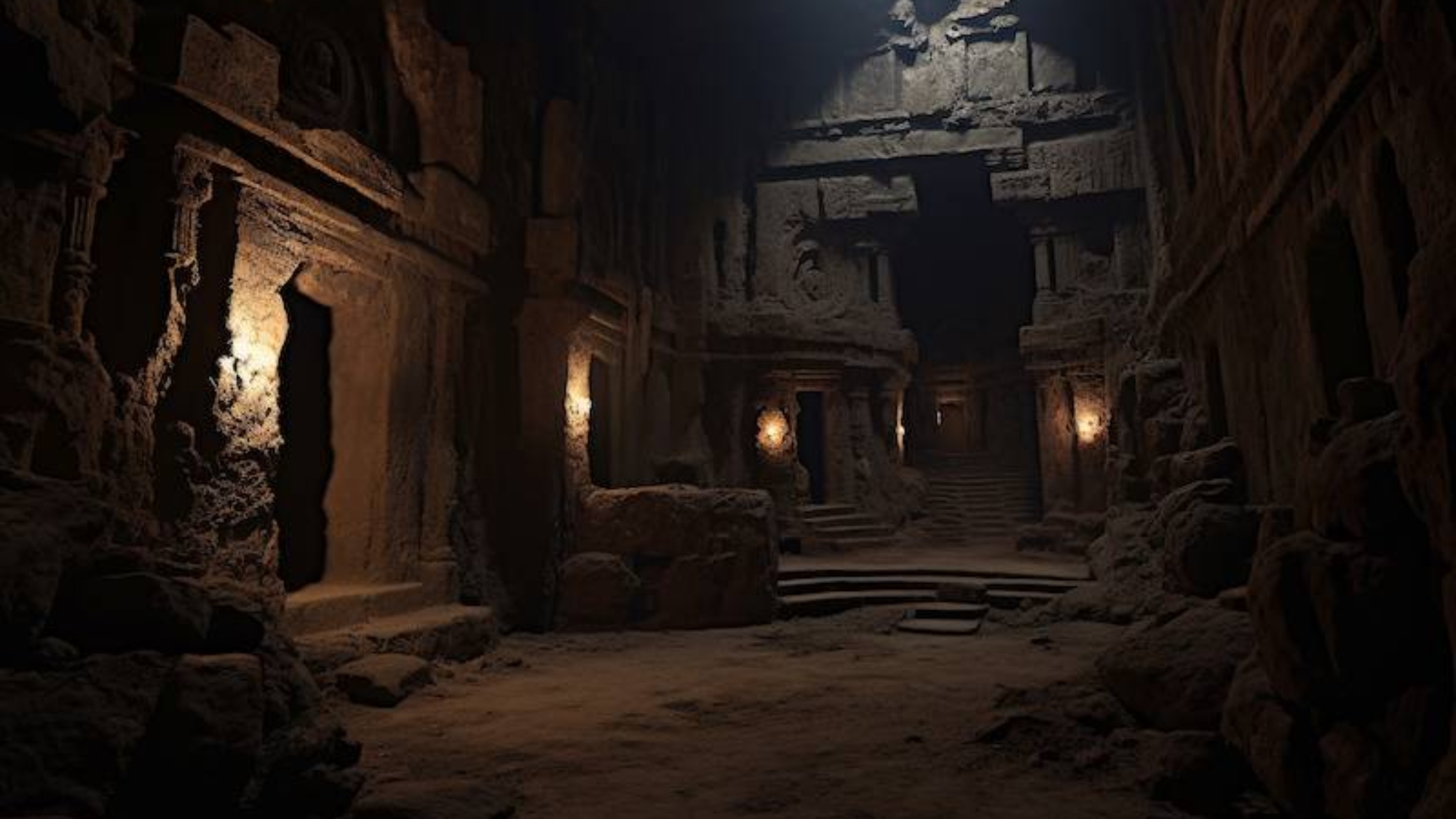
catacombs-rome

Unveiling the Secrets of Rome’s Catacombs and Underground: A Journey into the Depths of History

Rome is not just the Eternal City, famous for the Colosseum, the Imperial Forums, its timeless monuments, and iconic squares. The wonders of the capital aren’t limited to the surface, bathed in sunlight; beneath the bustling streets and historic buildings lies a fascinating and mysterious underground world, filled with secrets, ancient facts, and legends. We are talking about Rome’s catacombs and subterranean spaces, which tell the story of a city that developed not only upward but also downward.

What are the Catacombs?

The Roman catacombs are ancient underground burial areas, primarily used by early Christians and Jews, who were prohibited from burying their dead within the city walls between the 2nd and 5th centuries AD. These subterranean labyrinths, carved into the soft volcanic rock known as tuff, stretch for miles underground and are filled with niches, frescoes, and Christian symbols.
The catacombs were not only burial sites but also places of worship where Christians felt safe. In fact, they used these spaces to celebrate Mass and perform rituals away from the watchful eyes of pagan emperors.

Interesting Facts about Rome’s Catacombs

  1. An Incredible Network of Tunnels: A Record Length! The Roman catacombs stretch over 170 kilometers of underground galleries, with some sections still unexplored and inaccessible to the public.
  2. Christian Symbolism: Many tunnels contain numerous symbols linked to early Christianity, such as the fish, the bread, the Good Shepherd, and the dove, which discreetly represented the faith of Jesus’ first followers.
  3. The Bodies of Martyrs: Many catacombs became places of worship because they housed the remains of early Christian martyrs, including Saint Sebastian and Saint Agnes. During the Middle Ages, pilgrims visited these sites, which were considered sacred.
  4. The Presence of Popes: Some catacombs, such as the one of Saint Callixtus in southern Rome, hold the tombs of early popes and bishops of the Christian Church. A highly symbolic spot is the “Crypt of the Popes,” which contains the burial sites of many 3rd-century pontiffs.
  5. The Importance of Torches: The catacombs were dark and narrow, so early Christians used small oil lamps to light the dim corridors. In some cases, traces of smoke and soot are still visible on the ceilings, evidence of these lamps’ use.

Must-See Catacombs

If you decide to explore Rome’s underground world, here are some of the most famous catacombs worth visiting:

  • Catacombs of Saint Callixtus: Arguably the most famous and visited, they are located on the Appian Way and are among the largest and oldest Christian catacombs. They are particularly known for housing the “Crypt of the Popes.”
  • Catacombs of Saint Sebastian: Just a few kilometers from Saint Callixtus, these catacombs are another key stop along the Appian Way. Saint Sebastian was a Roman soldier martyred for his faith, and his remains are kept here.
  • Catacombs of Priscilla: Known as the “Queen of the Catacombs,” these catacombs are renowned for their well-preserved frescoes, including one of the earliest depictions of the Virgin Mary.

Conclusion: Rome’s Past Beneath Our Feet

Exploring the catacombs hidden beneath the Eternal City is a fascinating experience that allows you to uncover a less-visited part of the city, far from the daylight but steeped in history and mystery. The Christian catacombs, with their poignant history, hidden symbols, and ancient tombs, offer an astonishing journey through time, beyond what is visible on the surface.

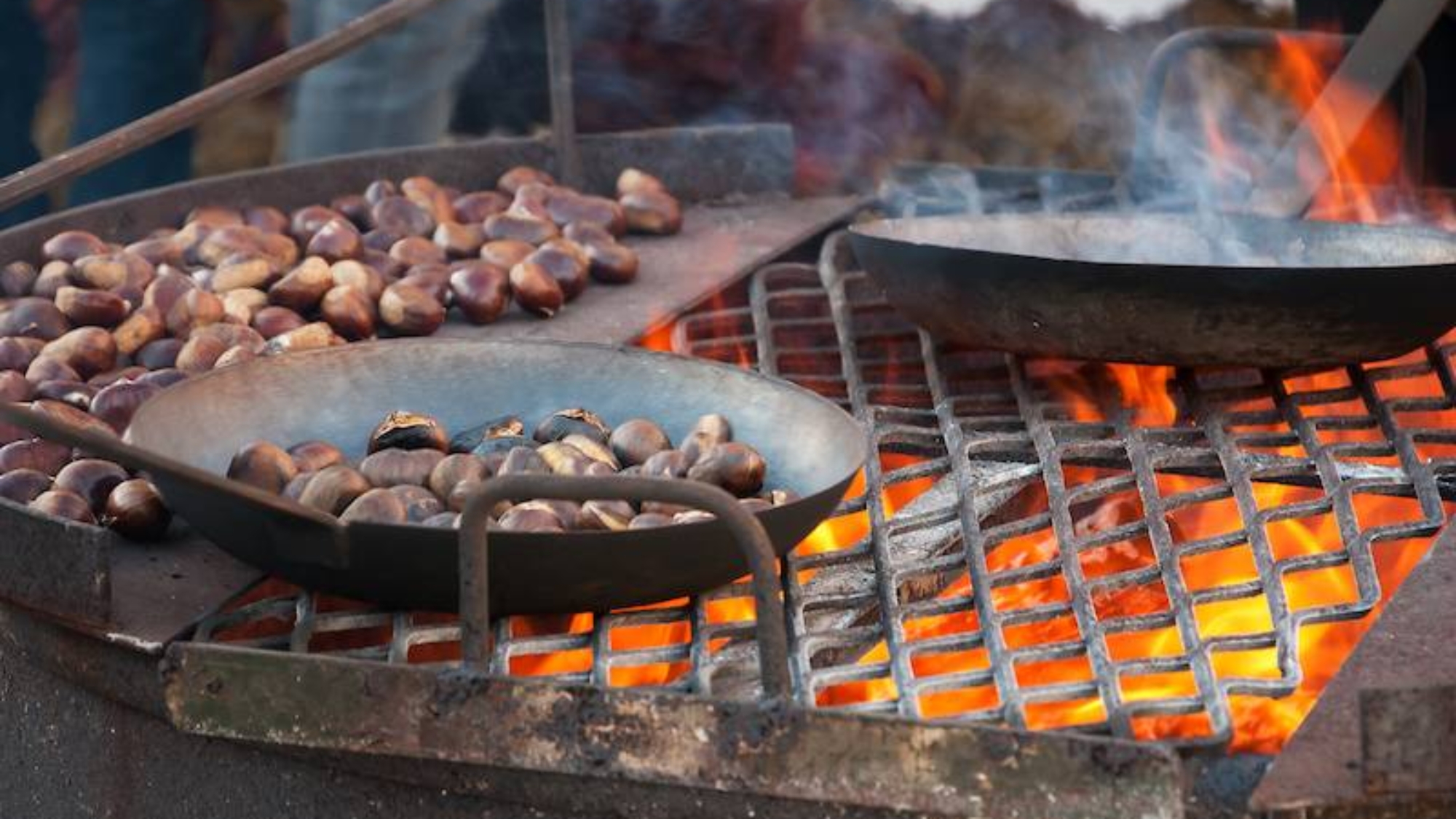
chestnut-festival-rome

Festivals in September and October 2024 near Rome: A Journey Between Taste and History

The warm colors of nature shift from the greens of the summer months to the orange, yellow, and brown tones: autumn is undoubtedly one of the best times to travel. Among the destinations we suggest exploring, are the areas around Rome, the ideal location to immerse yourself in local traditions through the sagre, typical folk festivals that celebrate the authentic flavors of the land and the ancient customs of small villages. September and October, in particular, are months rich in food and wine events where good food and a convivial atmosphere take center stage. In this article, we recommend some must-see sagre located just a few kilometers from Rome.

1. Grape Festival – Marino (September)

…as the famous Roman folk song goes, “Lo vedi, ecco Marino, la sagra c’è dell’uva…”. This is undoubtedly one of the most famous sagre in Lazio; the Grape Festival of Marino is held every September and is dedicated to the grape harvest and the celebration of wine. This festival has ancient origins, dating back to 1925, and has become a fixed event for wine lovers.

Fun Facts:

  • Fountains flowing with wine: One of the most unique aspects of the festival is that during the event, some of the town’s fountains, including the famous Fontana dei Quattro Mori, are filled with wine instead of water. An incredible sight not to be missed.
  • Historical Parade: The festival also includes a historical re-enactment celebrating the victory of the Battle of Lepanto (1571), led by Marcantonio Colonna, with costume parades and allegorical floats.
  • Wine and local products tasting: In addition to enjoying the wine from the Castelli Romani region, during the festival, you can savor typical products like porchetta, cheese, and local desserts.

2. Chestnut Festival – Vallerano (October)

October is the perfect month to enjoy chestnuts, and the Chestnut Festival in Vallerano, a small village on the Monti Cimini, is one of the most renowned in Lazio. This small medieval town transforms to celebrate the quintessential autumn fruit in grand style.

Fun Facts:

  • DOP Chestnuts: The chestnuts from Vallerano are a DOP (Protected Designation of Origin) product, recognized for their quality and sweetness. During the festival, you can enjoy them roasted, boiled, or incorporated into various local dishes, such as desserts and jams.
  • Guided tours and folklore: In addition to tasting stalls, guided tours through the chestnut groves and the town’s streets are organized, enriched by popular music performances and traditional dances.
  • Autumn flavors: Besides chestnuts, you can sample other typical autumn products such as porcini mushrooms, honey, and extra virgin olive oil.

3. Porcini Mushroom Festival – Lariano (September)

From chestnuts to mushrooms. If you’re a fan of this delicacy, the Porcini Mushroom Festival in Lariano, about an hour from Rome, is the perfect event. This festival is a tribute to porcini mushrooms, which are featured in numerous local dishes.

Fun Facts:

  • Porcini pasta and pizza: The festival offers a wide variety of dishes based on porcini mushrooms, ranging from traditional Italian recipes like fettuccine and gnocchi to wood-fired pizza with mushrooms and local cheeses.
  • Giant Mushroom Contest: Each year, there’s a contest to award the biggest and best porcini mushroom found in the local woods, a true trophy for enthusiasts.
  • Forest excursions: During the festival, excursions in the surrounding forests are organized to search for mushrooms. These walks are done safely, accompanied by experts who explain how to recognize and collect them without any risks.

4. Polenta Festival – Nerola (October)

Chestnuts, mushrooms, and… polenta! With the arrival of autumn, polenta becomes the star of the show at the Polenta Festival in Nerola, a perfect opportunity to discover this traditional dish of Lazio cuisine.

Fun Facts:

  • Polenta with ribs and sausage sauce: The festival’s main dish is polenta served with a sauce made from pork ribs and sausages, a classic of the local peasant tradition that warms the heart and fills the stomach on cool autumn days.
  • Medieval atmosphere: The village of Nerola, with its charming castle, provides the backdrop to this popular festival, complete with flag-waving performances and folk music.
  • Craft markets: During the festival, you can stroll among stalls offering typical products and local crafts, perfect for taking home a memento of the day.

5. New Olive Oil Festival – Palombara Sabina (October)

October is also the month of new olive oil, and the New Olive Oil Festival in Palombara Sabina celebrates one of Lazio’s most precious products: extra virgin olive oil.

Fun Facts:

  • Open Oil Mills: During the festival, local oil mills open their doors to visitors, offering the opportunity to witness the olive pressing process and taste the freshly produced oil, known for its intense and fruity flavor.
  • Tastings and guided tours: The historic center of Palombara Sabina fills with food and wine stands where you can not only sample the oil but also typical products like homemade bread, cheese, and cured meats.
  • Walks through olive groves: Walks through the centuries-old olive groves are organized, accompanied by experts who explain the techniques of olive cultivation and harvesting.

Tips for Enjoying the Festivals

  1. Arrive early: Festivals can be very crowded, especially on weekends. Arriving early will help you find parking and enjoy the event without too much hassle.
  2. Take your time: Don’t rush; enjoy multiple dishes. Each festival offers a wide selection of local specialties, so take advantage and make it a full gastronomic experience.
  3. Explore the surroundings: It’s not just about food: many festivals take place in medieval villages rich in history. In addition to participating in the event, take the opportunity to explore and discover hidden corners and breathtaking views.

Conclusion

The autumn festivals of September and October near Rome are the perfect opportunity to immerse yourself in the culture and culinary traditions of Lazio, discovering authentic flavors and fascinating landscapes. Whether you’re a lover of good food or genuine wine, these festivals, rooted in ancient customs, will give you a unique experience, full of conviviality, good food, and fun.

santagnese-agone

Mysterious Rome: Churches with Legends and Miracles

If you are a lover of mystery, intrigue, and legends, this article is for you! Whether you live in the Eternal City or are planning a visit to Rome and want to see more than just the iconic monuments like the Colosseum, the Forums, or the Pantheon, take five minutes of your time. This guide will reveal 7 must-see stops, 7 churches in the heart of Rome that you absolutely need to visit during your trip. Legends, miracles, and stories intertwine with the spirituality of these churches.
Are you ready to discover the stops on this tour of faith and mystery?

1. Basilica of San Clemente: The Church that Sinks Through Time


The Basilica of San Clemente, located near the Colosseum, is a true journey through time and mystery. Founded in the 12th century, this church hides three underground levels that tell centuries of history.

  • The first level corresponds to the current medieval basilica, beautifully decorated with Byzantine mosaics.
  • The second level, lower down, is an early Christian church dating back to the 4th century.
  • The real surprise is found on the third level, where an ancient Mithraeum is discovered, a temple dedicated to the god Mithras, a mysterious deity brought to Rome by the emperors.

According to legend, this place was frequented by followers of the cult of Mithras, who practiced secret rites in the city’s depths. It is said that some visitors have perceived strange whispers and presences, attesting to the otherworldly atmosphere that still permeates these underground spaces.

2. Church of Santa Maria in Via: The Miracle of the Water


The Church of Santa Maria in Via is tied to one of the strangest and least-known miracles in Rome. In 1256, a miraculous water spring suddenly opened right near the church. What made the event extraordinary was the fact that an image of the Virgin Mary, found in the well, remained suspended on the water’s surface. This miracle caught the attention of Pope Alexander IV, who ordered the construction of a chapel and later a church in honor of the Madonna. Even today, inside the church, it is possible to drink from the miraculous well, and many faithful claim to have experienced unexplained healings after drinking or collecting this water.

3. Basilica of Sant’Agnese fuori le mura: The Virgin Martyr and the Magic Spring


The Basilica of Sant’Agnese fuori le mura is dedicated to St. Agnes, a young Christian martyr who lived in the 3rd century. The story of her martyrdom is tied to numerous miracles and legends. One of the most curious stories tells that during her public humiliation, her hair miraculously grew, covering her body like a garment.

In the basilica complex, there is also a mysterious water spring, which, according to tradition, is linked to the martyrdom of the saint. It is said that the water has healing powers, so many pilgrims come to collect a small amount of it. The place is full of spirituality and mystery, especially since it is located in a cemetery area where ancient catacombs have been found.

4. Church of Sant’Ignazio di Loyola: The Optical Illusion that Defies Reality


The Church of Sant’Ignazio di Loyola hides one of Rome’s most fascinating secrets, though it is not about legends or miracles, but rather an incredible optical illusion. Upon entering the church, visitors are struck by the grandeur of its dome, decorated with splendid Baroque frescoes. But here’s the trick: the dome does not exist!

Due to a lack of funds, the construction of the dome was halted, but the painter Andrea Pozzo, with incredible skill, painted a false dome in perspective, giving the illusion of a real architectural structure. Even today, visitors are amazed by the perfection of this illusion, which challenges the senses and transports the viewer into an almost dreamlike dimension.

5. Basilica of San Giovanni in Laterano: The Manna Miracle


The Basilica of San Giovanni in Laterano, the cathedral of Rome, is linked to one of the most extraordinary miracles in Christianity. Every year, on June 24th, during the feast of St. John the Baptist, the so-called “manna miracle” occurs. According to tradition, a liquid known as “manna,” which is said to have miraculous powers, oozes from the tabernacle containing the relics of Saints Peter and Paul, kept under the high altar. This liquid is collected by priests and distributed to the faithful, who venerate it as a sign of divine protection.

6. Church of Sant’Andrea delle Fratte: Marian Apparitions


The Church of Sant’Andrea delle Fratte, located near Piazza di Spagna, is famous for a Marian apparition. In 1842, Alphonse Ratisbonne, a young French Jewish banker, atheist, and anti-Catholic, entered the church by chance. While casually observing the altar, he had a vision of the Virgin Mary that left him shocked. This apparition was so intense that Ratisbonne immediately converted to Catholicism.

This miracle is commemorated in the Chapel of the Madonna del Miracolo within the church, and many faithful visit the site every year to pray and reflect on this extraordinary story of conversion.

7. Basilica of Santa Prassede: The Column of the Flagellation


The Basilica of Santa Prassede, not far from Santa Maria Maggiore, preserves one of Christianity’s most touching and mysterious relics: a column that, according to tradition, is the same one to which Christ was bound and scourged before the crucifixion. This column is kept in the Chapel of San Zeno, one of the most fascinating parts of the basilica, entirely decorated with golden mosaics that give the place an otherworldly atmosphere. Many faithful come to pray before the column, and it is said that some have received signs and special graces during their visit.

Conclusion


This tour of 7 churches in the heart of Rome shows that the Eternal City is not only the cradle of civilization and Christianity, but also a place where mystery and the supernatural intertwine with history. Its churches are not only temples of faith but true treasure troves of legends and miracles that have fascinated believers and curious people for centuries. These sacred places continue to be visited and venerated every day by people seeking a connection with the divine or simply wanting to discover the most enigmatic and fascinating side of Rome.
Now that we’ve piqued your curiosity with these stories, let yourself be guided by them and dedicate a day or two to this itinerary, which will reveal a lesser-known side of the city.

baccala mantecato venice

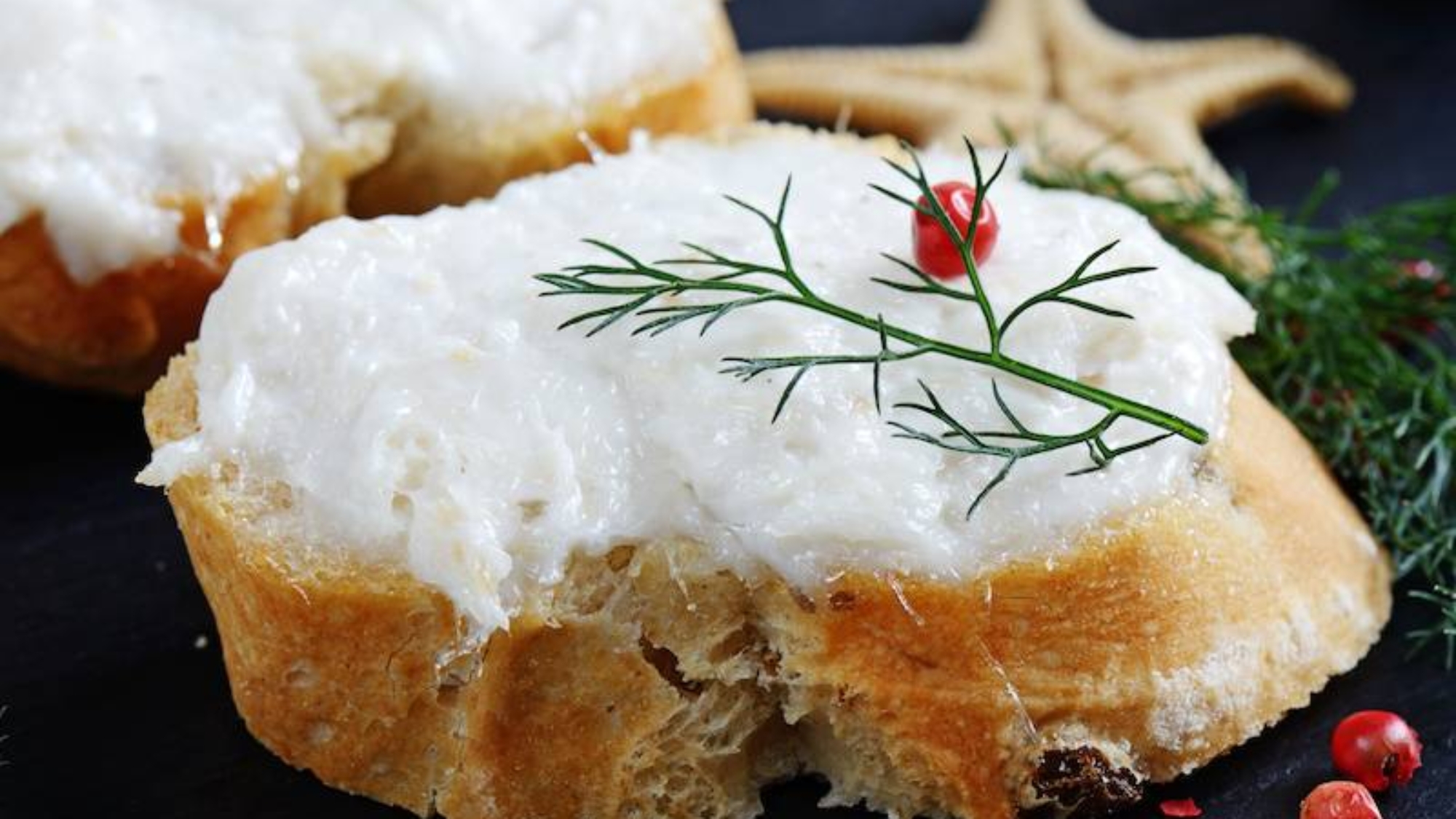
Baccalà Mantecato: A Venetian Delight Between Tradition and Innovation

You’re on vacation in Venice and looking for a dish that blends tradition and innovation. What should you order at one of the many trattorias lining the narrow streets? Simple! Baccalà Mantecato, one of the most iconic dishes of Venetian cuisine. This dish, boasting centuries of history, is a symbol of the Venetians’ ability to transform simple ingredients into true delicacies. In this article, we’ll explore the history of Baccalà Mantecato, share some lesser-known facts, and recommend the best places to enjoy it in Venice.

History of Baccalà Mantecato

The history of Baccalà Mantecato is closely linked to the discovery of salt cod (baccalà) by the Venetians. According to legend, it was the Venetian merchant Pietro Querini who introduced baccalà to Italy. In 1431, Querini was shipwrecked on the shores of the Lofoten Islands in Norway, where he discovered that the locals preserved dried cod, known as “stockfish.” Upon returning to Venice, Querini brought this new product with him, which soon became popular due to its long shelf life—a valuable trait in times when refrigeration and modern preservation methods did not exist.

Over the years, Venetians perfected a recipe to prepare baccalà, transforming it into a soft, velvety cream: thus, Baccalà Mantecato was born. This preparation became an essential dish in Venetian cuisine, especially during Lent, when meat consumption was forbidden.

Curiosities and Lesser-Known Facts

  • A Dish of Religious Tradition: Baccalà Mantecato is traditionally consumed during Lent and other periods of penance when meat is excluded from the diet. This made it a very common dish on Venetian tables during these occasions.
  • Not Just in Venice: Although Baccalà Mantecato is considered a typically Venetian dish, similar variants exist in other Italian regions, such as Liguria and parts of Tuscany. However, the Venetian preparation is unique for its creamy texture, achieved with the use of olive oil.
  • Simple Ingredients, Extraordinary Result: Despite the simplicity of the ingredients—stockfish, olive oil, garlic, and salt—Baccalà Mantecato requires some skill to achieve the perfect consistency. It is precisely this attention to detail that has made the dish a classic of Venetian cuisine.
  • Ancient Techniques: The original recipe calls for the baccalà to be whipped by hand, using a wooden spoon, in a saucepan. This process can take more than an hour but is essential to achieve the ideal consistency, similar to a mousse.

Baccalà Mantecato Recipe

Ingredients:

  • 400 g of stockfish (dried cod)
  • 300 ml of extra virgin olive oil
  • 1 garlic clove
  • Salt to taste
  • Milk (optional)

Preparation:

  1. Preparing the Baccalà: Soak the stockfish in cold water for at least 48 hours, changing the water every 8 hours. Once rehydrated, boil the baccalà in unsalted water until tender (about 20-30 minutes).
  2. Cleaning the Baccalà: Once cooked, drain the baccalà, remove the skin and bones, and shred it into small pieces.
  3. Whipping: Place the baccalà in a saucepan and start working it with a wooden spoon, slowly adding the oil in a steady stream, just as you would with mayonnaise. Continue stirring until you achieve a creamy consistency. If the cream is too thick, you can add a little warm milk.
  4. Flavoring: Add the crushed garlic clove to infuse flavor, then remove it once the desired taste is reached. Adjust the salt.
  5. Serving: Baccalà Mantecato is traditionally served with polenta, on bread crostini, or as an appetizer on slices of toasted bread.

Where to Enjoy Baccalà Mantecato in Venice

Venice is rich in restaurants and bacari (typical Venetian taverns) where you can enjoy excellent Baccalà Mantecato. Here are some of the best places to try it:

  • Osteria Alla Vedova: This historic osteria in the Cannaregio district is famous for its cicchetti (small snacks), including a delicious and authentic Baccalà Mantecato, prepared according to tradition.
  • Trattoria da Fiore: Located in the San Marco district, this trattoria is renowned for the quality of its Venetian cuisine. Baccalà Mantecato is one of the most appreciated dishes, served with polenta and other local specialties.
  • Osteria al Bottegon (Cantinone Già Schiavi): A historic bacaro in Dorsoduro, famous for its cicchetti. Here, Baccalà Mantecato is served on crostini, perfect for a Venetian aperitif.
  • Anice Stellato: Situated in the heart of Cannaregio, this restaurant offers a sophisticated version of Baccalà Mantecato, paired with seasonal ingredients and presented elegantly.
  • Osteria Bancogiro: In the San Polo district, this osteria is known for its traditional cuisine with a contemporary touch. The Baccalà Mantecato is prepared with fresh ingredients and served with warm polenta.

Conclusion

Baccalà Mantecato is much more than just a dish; it is a piece of Venetian history, a symbol of the city’s culinary culture. Tasting this delicacy is a way to immerse yourself in Venetian traditions, savoring the simplicity and refinement that distinguish lagoon cuisine. Whether you’re in Venice for the first time or a regular visitor, trying Baccalà Mantecato is a must-do gastronomic experience that will make you appreciate even more the cultural and culinary richness of this unique city.

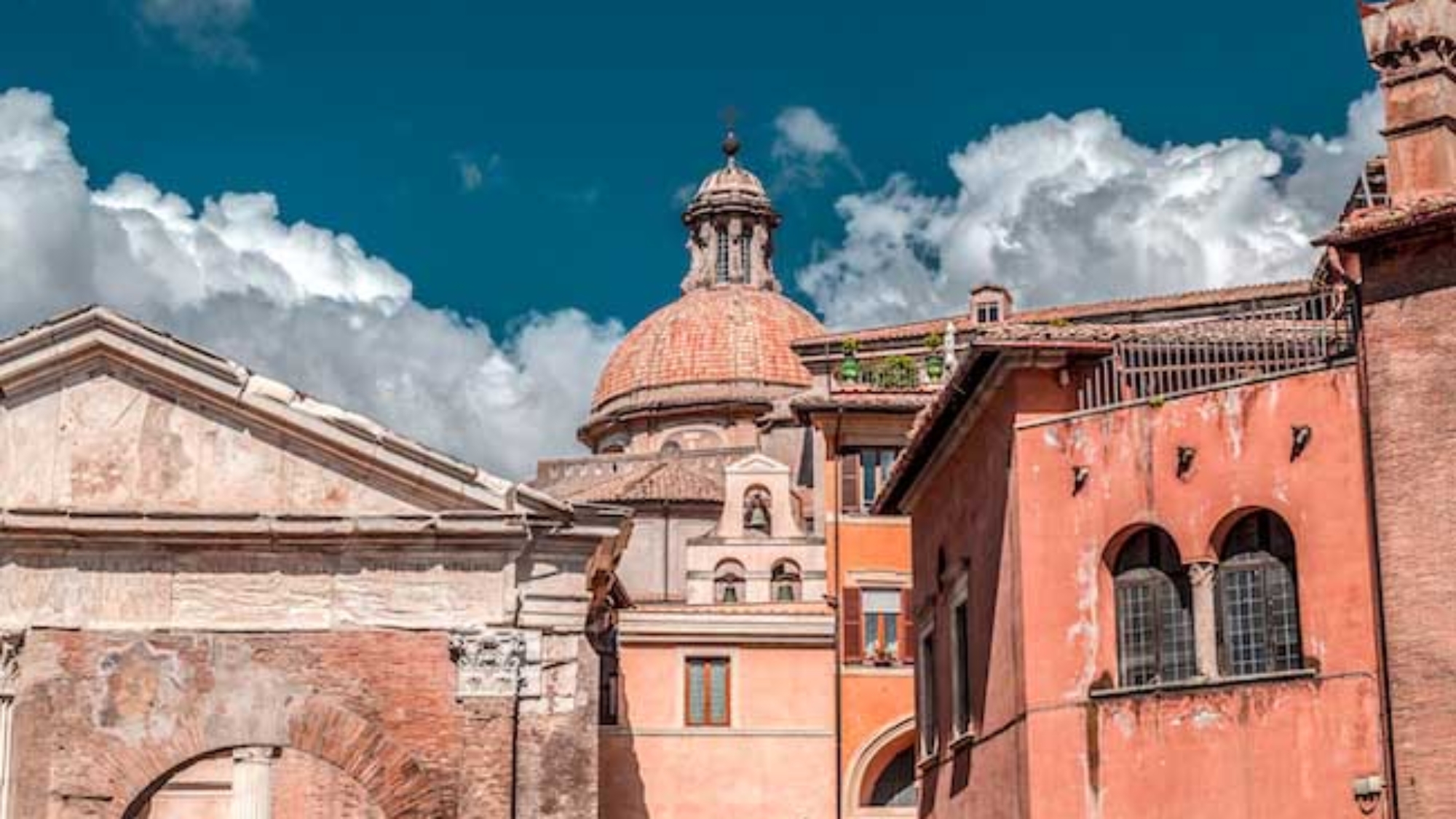
View from the old Jewish Ghetto of Rome

Sant’Angelo District: A Journey Through Rome’s Ancient Heart

Let’s continue our journey to explore the districts of Rome. In this article, following our discussions on the Trastevere District and the Trevi District, we will delve into the smallest of the 22 districts that make up the core of the Eternal City: the Sant’Angelo District. Bordered by the Tiber River and the area now known as Piazza Venezia, Sant’Angelo is a treasure trove of history, tradition, and architecture. Are you ready to explore all it has to offer? Happy reading!

Ancient Origins

The roots of the Sant’Angelo District reach back to ancient Rome. The area was already inhabited during the Republican era, as evidenced by archaeological remains of buildings and structures dating back to the 3rd century BC. During the Roman Empire, Sant’Angelo was a bustling commercial and residential hub, home to numerous temples and markets.

One of the most significant structures from Roman times is the Theatre of Marcellus, begun by Julius Caesar and completed by Emperor Augustus in 13 BC. This theatre, capable of seating up to 20,000 spectators, is still visible today and remains a landmark of the district.

The Middle Ages and the Jewish Ghetto

During the Middle Ages, the Sant’Angelo District became a center of religious and civic life. In 1555, Pope Paul IV established the Roman Jewish Ghetto, confining the city’s Jewish population to a well-defined area within the district. This decision had a profound impact on the Jewish community, which lived under extreme poverty and severe discrimination. Despite these challenges, the Jewish Ghetto developed a vibrant culture and tradition. The Great Synagogue of Rome, built in 1904 after the ghetto walls were demolished, stands as one of the most important symbols of Jewish presence in the district. Today, the Jewish Ghetto is a fascinating area to explore, rich in history, culture, and culinary delights such as the famous carciofi alla giudia (Jewish-style artichokes).

The Renaissance and Baroque Periods

During the Renaissance, Sant’Angelo underwent significant changes, with the construction of numerous noble palaces and churches. The powerful Savelli family built their residence in the district, incorporating the Theatre of Marcellus and transforming it into a fortress. Other noble families, such as the Mattei, contributed to the architectural and cultural development of the district by constructing splendid palaces and gardens.

In the Baroque period, many of the district’s churches were adorned with lavish frescoes and sculptures. Among them, the Church of Sant’Angelo in Pescheria, dedicated to the Archangel Michael, is particularly noteworthy. Located near the Portico of Octavia, the church stands on the site of an ancient fish market, from which it derives its name.

The 19th and 20th Centuries

With the unification of Italy and the end of the Papal States, the Sant’Angelo District underwent significant urban changes. Many old medieval structures were demolished to make way for new buildings and modern infrastructure. However, the district managed to preserve much of its historical identity and unique atmosphere.

A tragic event marked the district during World War II: in 1943, during the Nazi occupation of Rome, over 1,000 Roman Jews were deported from the Jewish Ghetto to concentration camps. A memorial near the Great Synagogue commemorates this painful chapter in the district’s history.

Sant’Angelo Today

Today, the Sant’Angelo District is a vibrant and captivating neighborhood that attracts visitors from around the world. Its narrow, winding streets, historic buildings, and picturesque squares offer a unique and authentic atmosphere. As you stroll through the district, you can admire the remnants of ancient Rome, uncover traces of Jewish history, and savor the culinary delights of Roman and Jewish-Roman cuisine.

The Theatre of Marcellus, the Great Synagogue, the Portico of Octavia, and the Turtle Fountain are just some of the attractions that make Sant’Angelo a must-visit destination for those seeking the most authentic side of Rome. Moreover, the district hosts numerous cultural events and festivals that celebrate its rich history and traditions.

Conclusion

The Sant’Angelo District is a true gem in the heart of Rome, where the past and present intertwine in a fascinating mosaic of history, culture, and tradition. Exploring this district means immersing yourself in centuries of history, discovering the deep roots of the city, and experiencing an immersive and unforgettable journey. If you find yourself in Rome, don’t miss the chance to visit the Sant’Angelo District and let yourself be enchanted by its wonders.