Few places in Rome hold as much history and emotion as the Jewish Ghetto, located between the Tiber River and the ancient Teatro di Marcello. Established in 1555, it is one of the oldest Jewish quarters in the world and remains a living symbol of resilience, community, and cultural fusion. Every street here tells stories of faith, struggle, and an unbroken bond with the Eternal City.
To experience this fascinating district with expert guides, our Rome tours include walking itineraries through the Jewish Ghetto, exploring its landmarks, culinary traditions, and centuries-old history.
A District with Deep Roots
The Ghetto was created when Pope Paul IV ordered that all Jews in Rome reside in a confined area, walled off and flooded each winter by the Tiber. Despite hardship, the Jewish community preserved its traditions and contributed immensely to the city’s culture—from language to cuisine.
When the walls were finally torn down in the 19th century, the Ghetto emerged as one of Rome’s most characterful neighborhoods—a place where memory and daily life intertwine.
Historical Highlights
-
The Great Synagogue of Rome: Built in 1904, it stands as a majestic symbol of freedom and endurance. Its square dome dominates the skyline and houses the Jewish Museum of Rome, which documents over two millennia of Jewish presence in the city.
-
Portico d’Ottavia: The remains of this ancient Roman structure frame one of the Ghetto’s most atmospheric corners, where history meets the rhythm of local life.
-
The Turtle Fountain (Fontana delle Tartarughe): A Renaissance masterpiece in Piazza Mattei, known for its delicate bronze turtles and graceful harmony.
A Culinary Legacy Like No Other
The Roman-Jewish cuisine, or Cucina Ebraica Romana, is among the most distinctive in Italy. Influenced by centuries of tradition and adaptation, it offers dishes both simple and rich in meaning.
Don’t miss:
-
Carciofi alla Giudia: deep-fried artichokes, crisp and golden, a true symbol of the Ghetto.
-
Filetti di baccalà: fried cod served hot and flaky.
-
Pizza Ebraica di Beridde: a dense, sweet pastry filled with nuts, raisins, and candied fruit.
Daily Life and Atmosphere
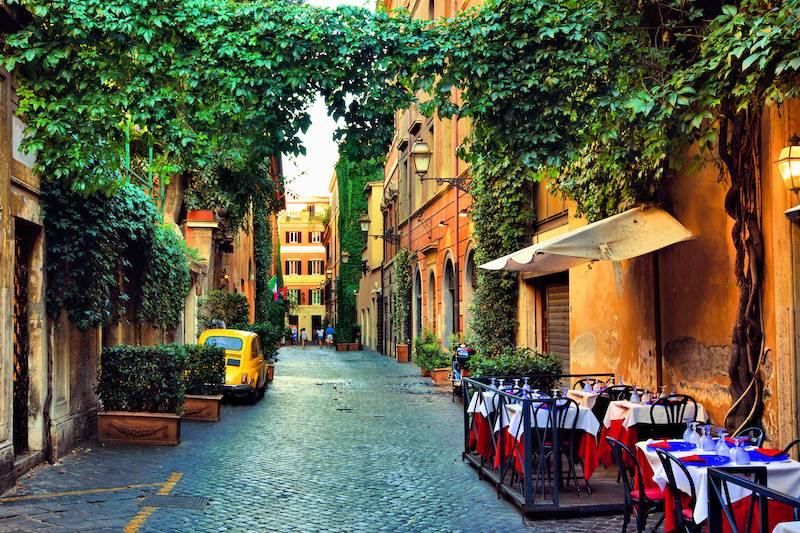
Strolling through Via del Portico d’Ottavia, you’ll find small kosher bakeries, family-run trattorias, and the quiet hum of Roman life. The Ghetto is not just a historical site—it’s a vibrant neighborhood, home to locals who carry on the customs of generations past.
Why Visit in Autumn or Winter
In the quieter months, the Jewish Ghetto reveals a more reflective side. The golden afternoon light on the Tiber, the scent of roasted artichokes, and the sound of footsteps on cobblestones create an intimate and authentic atmosphere—perfect for those seeking a deeper connection to the city.
Final Thoughts
A walk through Rome’s Jewish Ghetto is an encounter with history, memory, and life itself. From its ancient ruins to its living traditions, the district embodies the soul of the city—resilient, warm, and deeply human. It’s one of those rare places where the past is not just remembered, but still lived, every single day.