san-pancrazio-church-roma

Exploring the ancient wonders of San Pancrazio Basilica

Photo credits: @Ruber51 on TripAdvisor

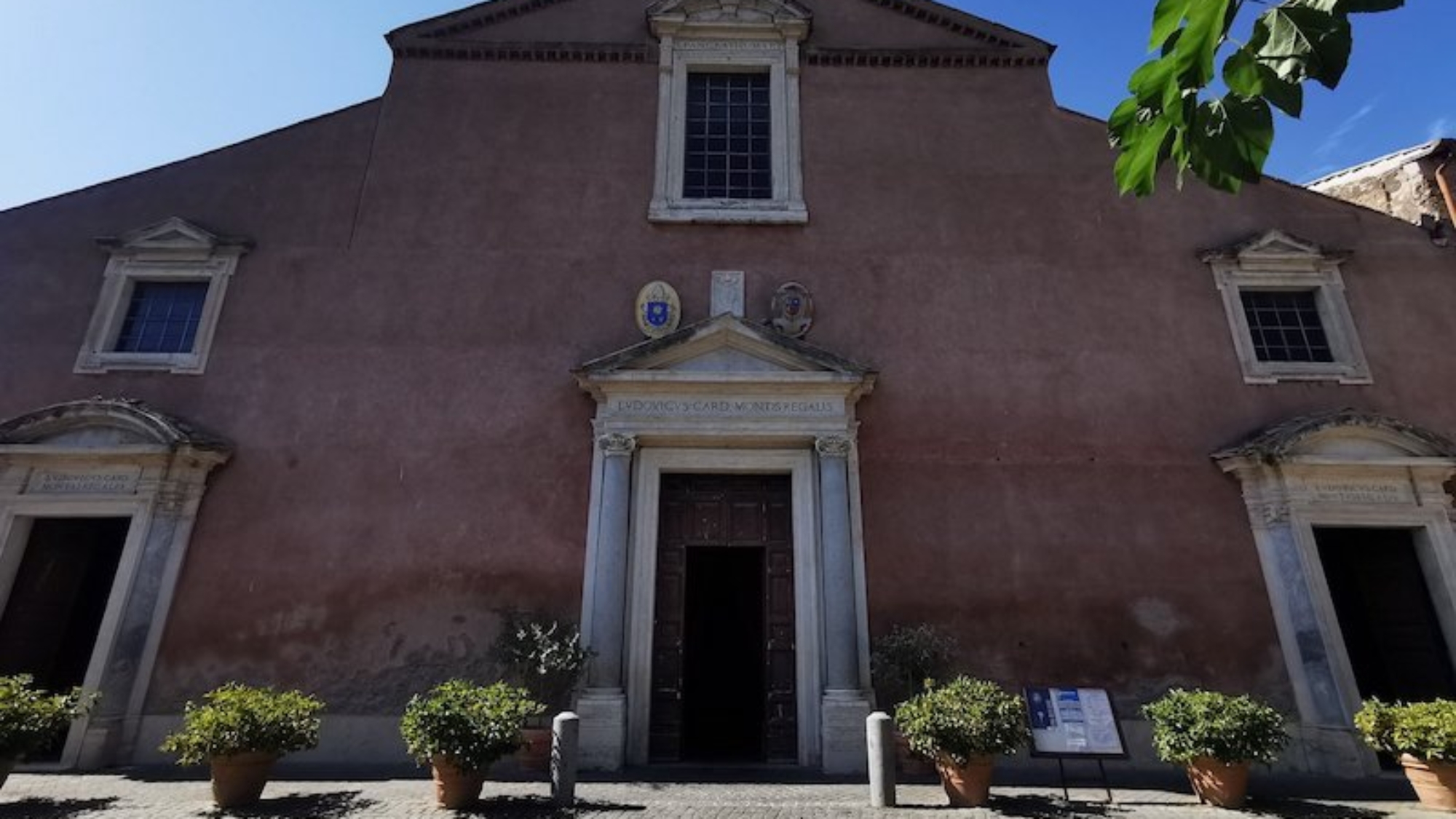
Located in Rome, more precisely in via S.Pancrazio on the Janiculum, Basilica di San Pancrazio, known in English as St. Pancras Basilica, is a Catholic Church created in ancient Rome by Pope Symmachus in the VII century. This Church is surrounded by Villa Doria Pamphilj, one of the most beautiful parks in Rome, making it possible for you to enjoy an exploration day to its fullest!

Let’s find out something more about Basilica di San Pancrazio in Rome and why it’s worth a visit!

The Origins of Basilica di San Pancrazio

As previously mentioned, the Basilica of San Pancrazio was wanted by Pope Symmachus and erected on the same site where Saint Pancras of Rome, a martyr also known as Pancratius, was buried. The story of this Church goes a long way back in time though… This minor basilica was in fact at first controlled by the clergy of the Church of S. Crisogono and it was later on given to the Benedictine Order in 580. The Church was then given to Pope Honorius I, who chose to enlarge it to house more pilgrims. He managed to have the main altar of this Church placed over the Catacomb of San Pancrazio. This basilica was then taken under the care of the Discalced Carmelites in the XVII century. They chose to remodel it completely and, throughout the following centuries it underwent a lot of restoration, after Garibaldi’s attack over Rome, and reconstruction work. The only element that is still faithful to the old construction of this church is its brick façade created in the XV century.

The Martyr’s history: who was St. Pancrazio of Rome?

The San Pancrazio Basilica was obviously built in honor of St. Pancrazio, a young IV-century martyr. Pancras used to be a Roman citizen who chose to convert to Christianity, something that led to his death at age fourteen. There are many myths and legends surrounding this Saint and, unfortunately, nothing comes from reliable sources. The only thing we know for sure is that he was deeply venerated back in the day. Legend says that his body was buried by a woman named Octavilla and, because of this, the Catacomb of St. Pancrazio is often referred to as “Catacombe di Ottavilla”.

Basilica of Saint Pancrazio nowadays

Nowadays, even though this basilica still remains one of the best sites to visit for tourists, Basilica di San Pancrazio is no longer a popular destination for pilgrims.

After closing the catacombs for quite some time due to roof damage, everything was reopened recently, making it possible for you to get the full experience of this majestic Church.

Conclusion

Visiting Basilica di San Pancrazio is definitely a must if you’re interested in getting to know more about the history of early Christianity in Rome. If you want to further explore the city of Rome, we highly suggest you take a look at our blogs and book a private tour with us!
giardino-bardini-florence

Exploring Giardino Bardini: A Tranquil Oasis in the Heart of Florence

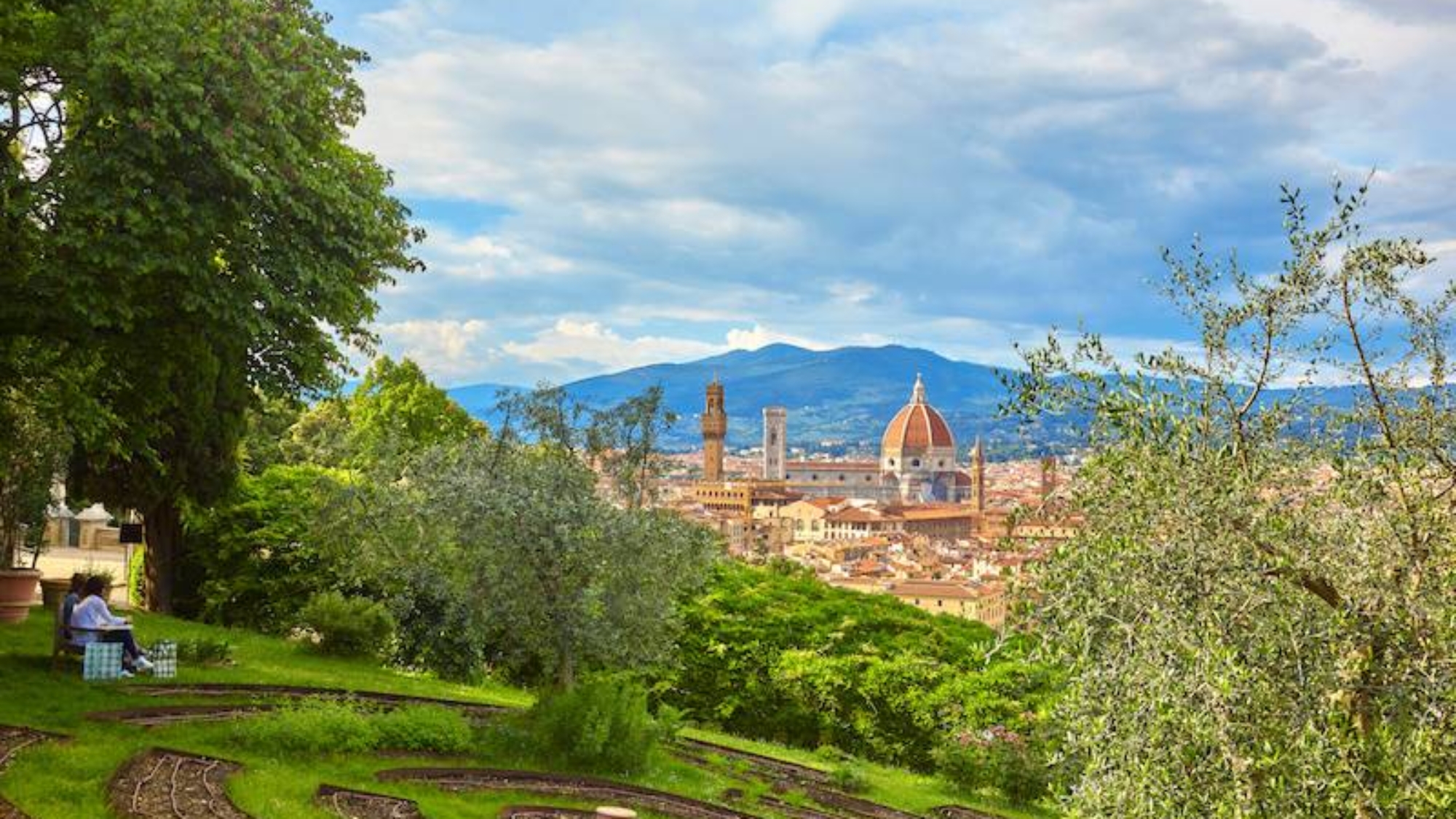
Located in Florence, more precisely in the Oltrarno quarter, Giardino Bardini is one of the best gardens in Florence. This garden was built during the Renaissance as a part of Villa Bardini and it offers one of the best views of the city. Perfect to escape the frenzy of the city for a while and spend a day in nature, let’s find out something more about the Bardini Gardens and why you should take a walk through them!

Unveiling the rich history of Giardino Bardini

Giardino Bardini is located on top of the Montecuccoli Hill, a land belonging to the Mozzi Family, where they also had built their palace, since the Middle Ages. In 1309 though, after the meltdown of the family, the municipality of Florence became the owner of every palace and land belonging to them, putting every other construction on hold up until 1509, when they managed to get it back. The garden that later became Giardino Bardini actually extends for a larger area than just the one belonging to the Mozzi Family. It also in fact covers the area where villa Manadora, commissioned by Francesco Manadori and designed by Gherardo Silvani, used to be. The land was then transformed into an English Garden in the XIX century by Giacomo Le Blanc, who chose to fill it up with many beautiful statues, fountains and decorated paths. It was then given back to the Mozzi family but they chose not to care for it, leading to the deterioration and damage of the hydraulic system. When the whole family died in 1880, everything was bought by Carolath Benten, remodeling the gardens in a Victorian style, only to be bought again in 1913 by Stefano Bardini. He managed to do some restoration and remodeling work leading to the creation of what is nowadays called Villa Bardini. The land then became the property of his son, Ugo Bardini but he unfortunately died with no heirs. The land was thoroughly restored in 2000 and is now one of the best sites to visit in Florence.

The Enchanting plants and flowers of Giardino Bardini

Giardino Bardini is obviously filled with many different flowers and plants and, because of this, it’s often referred to as the place where it’s always Spring. Wandering through the paths of this garden you may notice some medicinal plants, like lavender or rosemary, and some of the most beloved flowers in the world, such as roses, irises and many more.

Conclusion

Visiting Giardino Bardini is definitely a must if you enjoy taking walks in nature and escaping the frenzy of the city every now and then. If you want to get to know more about Florence and Italy in general, check out our other blogs and consider booking a Florence private tour with us!

Venedig, Campo de Gheto Novo

Discovering the Venetian Jewish Ghetto: a cultural journey through history

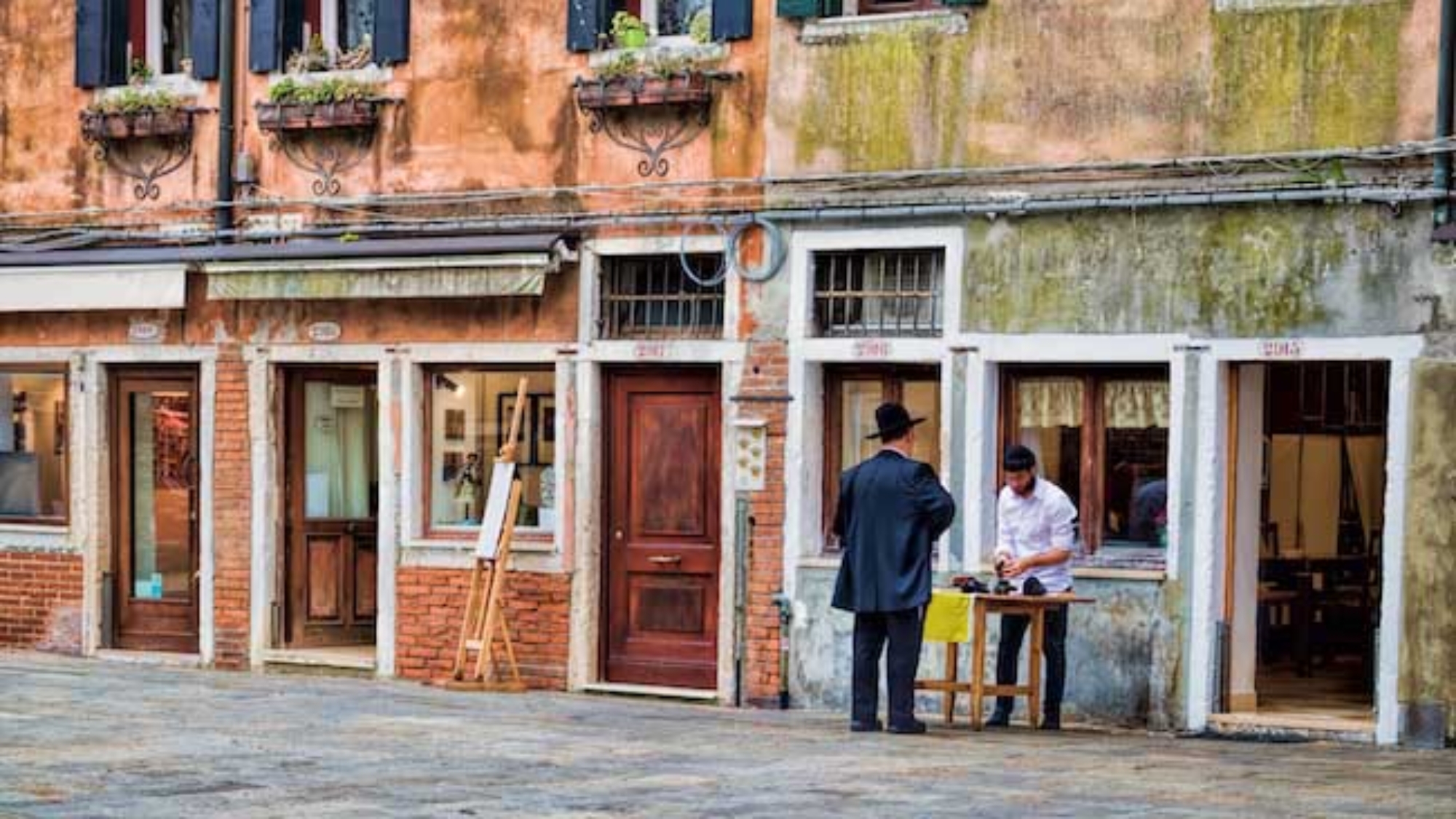
Located in Venice, the Venetian Jewish Ghetto is the area where Jewish people had to live during the times of the Venetian Republic. It was created on the 29th of March 1516 by the Doge Leonardo Loredan and the Senate of Venice to house the increasing number of Jews. It is nowadays named Contrada dell’unione, after the occupation of Venice by General Napoleone Bonaparte which led to the dissolution of the Republic of Venice.

Let’s find out something more about the Jewish Ghetto in Venice and why you should consider visiting it!

The Location of the Venetian Jewish Ghetto

The Venetian Jewish Ghetto, commonly known as “the Ghetto” is located in the Cannaregio Sestiere in Venice and it is divided into Ghetto Nuovo and Ghetto Vecchio (respectively New Ghetto and Old Ghetto). Their names are misleading though, because according to Jewish residence, Ghetto Nuovo is technically older than Ghetto Vecchio.

An unfortunately not so surprising thing is that the Ghetto was only connected to the city of Venice by two bridges that were closed at night and opened during the day, starting in the morning when the marangona (St. Mark’s Campanile’s largest bell) would ring. The Ghetto was heavily supervised by surveillance, cost-wise covered by the Jewish residents themselves. Jews that violated the curfew imposed by the Venetian Republic were subject to strict penalties.

Jewish Culture in the Venetian Ghetto

Wandering through the Venetian Jewish Ghetto, you will be able to partially experience some Jewish culture, starting with the presence of five synagogues, four of which were divided according to ethnic identity:

  • SCUOLA GRANDE TEDESCA, for the German;
  • SCUOLA ITALIANA, for the Italians;
  • SCUOLA SPAGNOLA, for the Spanish and Portuguese;
  • SCUOLA LEVANTINA, for the Levantine Shpeardi communities;

The fifth synagogue is named Scuola Canton and it used to be private.

The Venetian Jewish Ghetto: a vibrant community today

The Venetian Jewish Ghetto is nowadays one of the most important places for the Jewish community in Venice, which counts around 500 people. The Ghetto is the location of an annual international conference on Hebrew Studies, which refers to the culture of the Venetian Ghetto.

The synagogues are still used, not only to worship but also to teach the sacred texts (Tamuld) and also to teach Modern Hebrew.

This area is also filled with typical Jewish products to try!

Conclusion

Visiting the Jewish Ghetto in Venice will surely make for a learning experience to expand your horizons and understand something more about the Jewish culture and what they had to live through during the years of the Republic of Venice. If you want to get to know more about the city of Venice, check out our other blogs and book a Venice tour with us!

cicchetti-veneziani

Cicchetti Veneziani: unveiling Venice’s popular Street Food delights

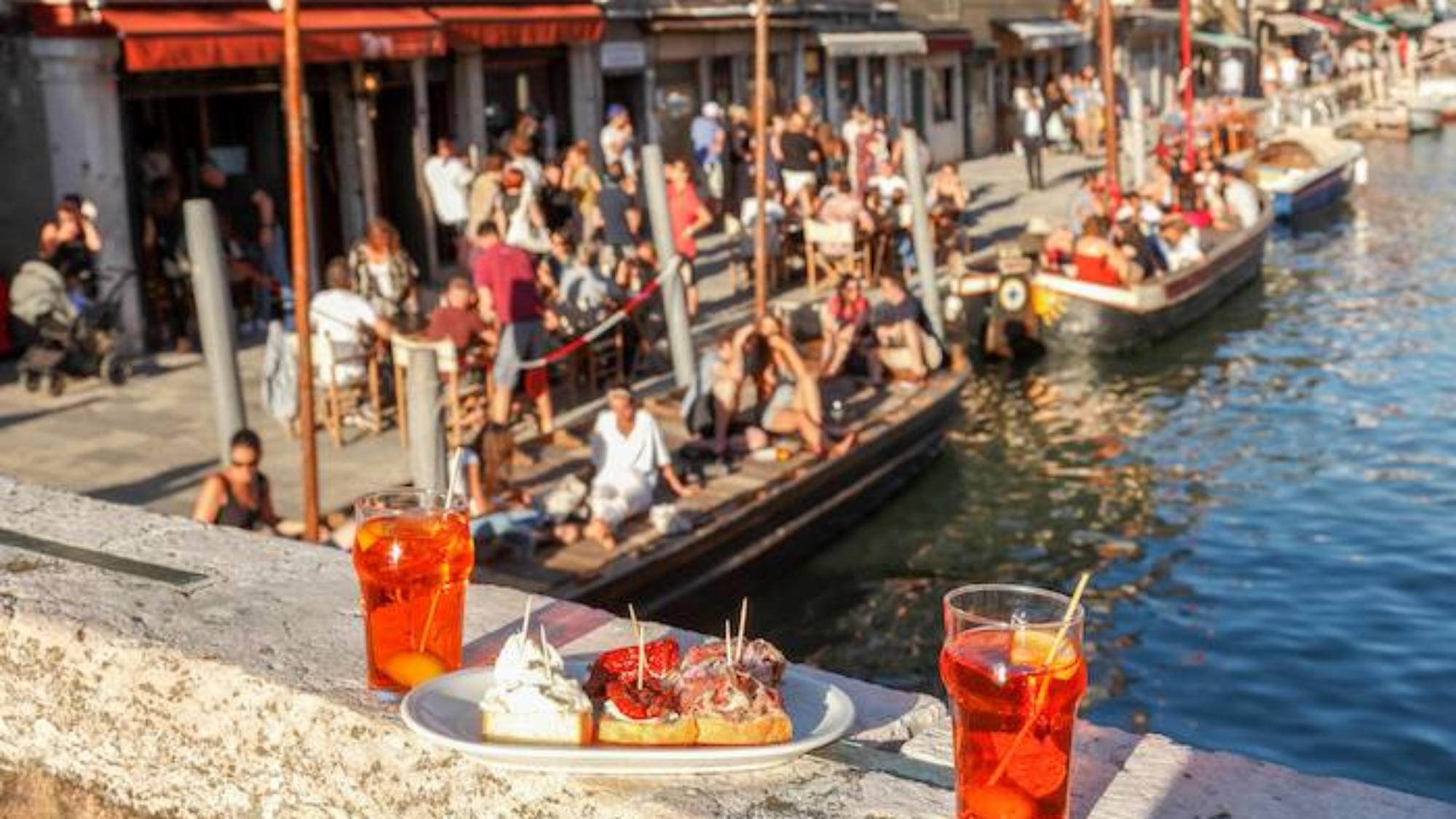
The city of Venice surely is filled with many different activities to do and adventures to embark on, but something that is also quite important to look into when you’re planning a trip is local food and the culture around it. Fortunately, Venice is filled with great dishes and treats like Baccalà mantecato, Risi e Bisi, Fritole, Castradina, but one of the most popular street foods in Venice has to be the Cicchetti Veneziani.

Let’s find out something more about this street food and where to try it!

What is a Cicchetto Veneziano?

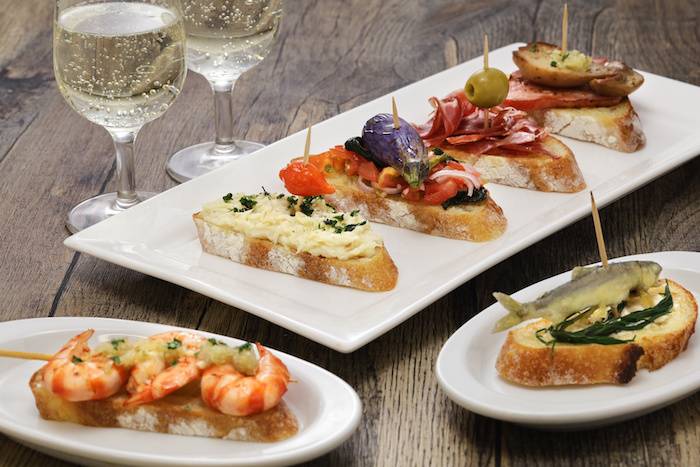
The name “Cicchetto” comes from the Latin “ciccus” which means small quantity. The Venetian Cicchetto is, in fact, a small appetizer, perfect for an aperitif with friends, that you will be able to find in many bars and restaurants but that were only originally made in the “bacari”. In the Middle Ages, the Bacari were places where you could grab a bite and drink wine, similar to hosterias, the difference between the two is that in the Bacari there were no places to sit. It was more like a fast food!

The different kinds of Cicchetto Veneziano

There are many different kinds of cicchetti Veneziani that you can try. Walking into a Bacari and looking at the selections that they offer will definitely make you want to try them all, so here’s a list of the ones we suggest:

  • FIORI DI ZUCCA WITH BACCALÀ;
  • MOZZARELLA IN CARROZZA;
  • UOVA SODE CON ACCIUGA;
  • FOLPETTI;

Must-Try Cicchetti Veneziani

If you’re in Venice and are looking for places to try some Cicchetti Veneziani, we’re here to help with our list of the best Bacari in Venice where you can get them:

  • I’ BACARO DE BISCHERI: Located near Ponte Rialto, this place is a mixture of Venetian and Tuscany cultures;
  • CANTINE DEL VINO GIÀ SCHIAVI: Located in the Dorsoduro Sestiere, this place is one of the most ancient ones and probably the one with the best wine;
  • BAR ALL’ARCO: Located in Campo San Polo, this Bacaro is considered to be the best in Venice by locals;
  • AL TIMON BRAGOZZO: Located in Fondamenta dei Ormesini, this place is more of a restaurant but it’s also perfect to get some cicchetti to go;
  • BACARETO DA LELE: Located in Fondamenta dei Tolentini, the owner of this place is considered to be the King of Bacari;
  • VINO VERO: Located in Fondamenta Misericordia, this place is perfect for a wine-based aperitif with friends;

Conclusion

Visiting Venice is always a great experience and when you combine the beauty of this city with its delicious traditional food, your mind will surely be blown! If you want to get to know more about Venice, check out our other blogs!

ostia-antica-rome

Ostia Antica: Exploring the Ancient Marvels near Rome

The city of Rome is surrounded by ancient architectural masterpieces, starting with its main monuments like the Colosseum or the Pantheon, and ending with its aqueducts and ruins but it doesn’t end here!

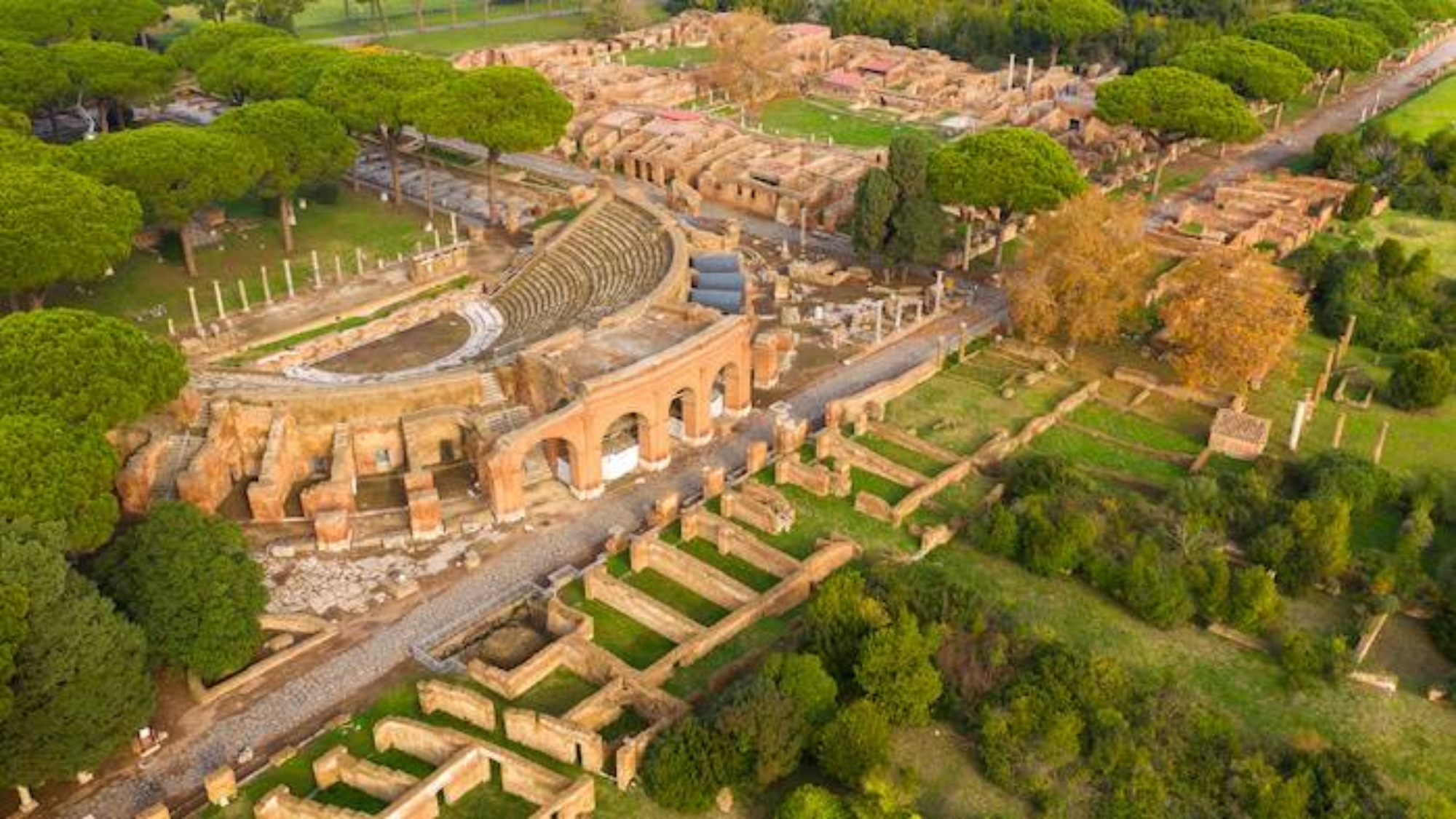
If you’re in Rome and are looking for ways to connect to the city’s majestic ancient side, we highly suggest you visit Ostia Antica. It’s just a 30-minute train ride from Rome and it’s one of the most important ports of Ancient Rome. Ostia Antica is nowadays filled with relics and ruins that were wonderfully preserved that you can visit.

Here’s a list of the things you can’t miss out on seeing in Ostia Antica!

The Thermopolium: ancient Roman fast food delights

Considered to be one of the most common eating establishments in ancient Rome, the thermopolium was almost like a fast food chain, where you could order and get your food at a window. You could easily choose what to get from a painted menu located on the counter and, amongst endless food options, you could also get some cheap wine. Because of this, the thermopolium was one of the most beloved places by boozers. Here’s a list of some of

the most popular food options at the thermopolium:

  • Flamingo’s tongue;
  • Boar stuffed with mockingbirds;
  • Grilled Dormouse;

Which one would you like to try?

The Theater: a glimpse into Ostia Antica’s entertainment scene

One of the most important buildings in Ostia Antica has to be the theater. It was built during Augustus’ Empire and its structure could house over 4000 people at the same time. This theater was luckily very well preserved and because of this we can admire its decorated background (typical of Ancient Roman Theaters) and it’s easy to imagine this place packed with people going to see a show.

The Capitolium: exploring the grand Temple in Ostia’s Forum

Much like the Roman Forum, Ostia had its own Forum and one of the most important buildings that was preserved from the Ostia Forum is the Capitolium. The Capitolium is a big temple, built in honor of the gods Jupiter, Juno and Minerva, commonly known as the Capitoline triad, hence the name. The Capitolium was apparently built in 120 AD and it used to have 6 marble columns at the top of the staircase we see today.

The Temple of Fabri Navales: hidden marvels of Ostia Antica’s maritime past

The Temple of Fabri Navales is one of the most overlooked sites in Ostia Antica. It used to be the city’s ship carpenters guild, which was very popular and important for Rome’s main port. The Temple was apparently used as a storage site for marble from the IV century AD. Because of this, walking through the ruins of the Temple of Fabri Navales, you will be able to find circa 40 unused marble columns. These columns were probably destined for other buildings that never saw the light of day.

Conclusion

Visiting Ostia Antica will definitely make for a great adventurous experience, where you and your family will be able to fully immerse yourselves in what it was like to be an ancient Roman. If you want to get to know more about the city of Rome, check out our other blogs and book a tour with us for the best experience possible!

torre-degli-amidei-florence

Torre degli Amidei: Step into Medieval Florence’s Rich Heritage

PHOTO CREDITS: Sailko, Via por santa maria 9r-11r, torre degli amidei, 04, CC BY 3.0

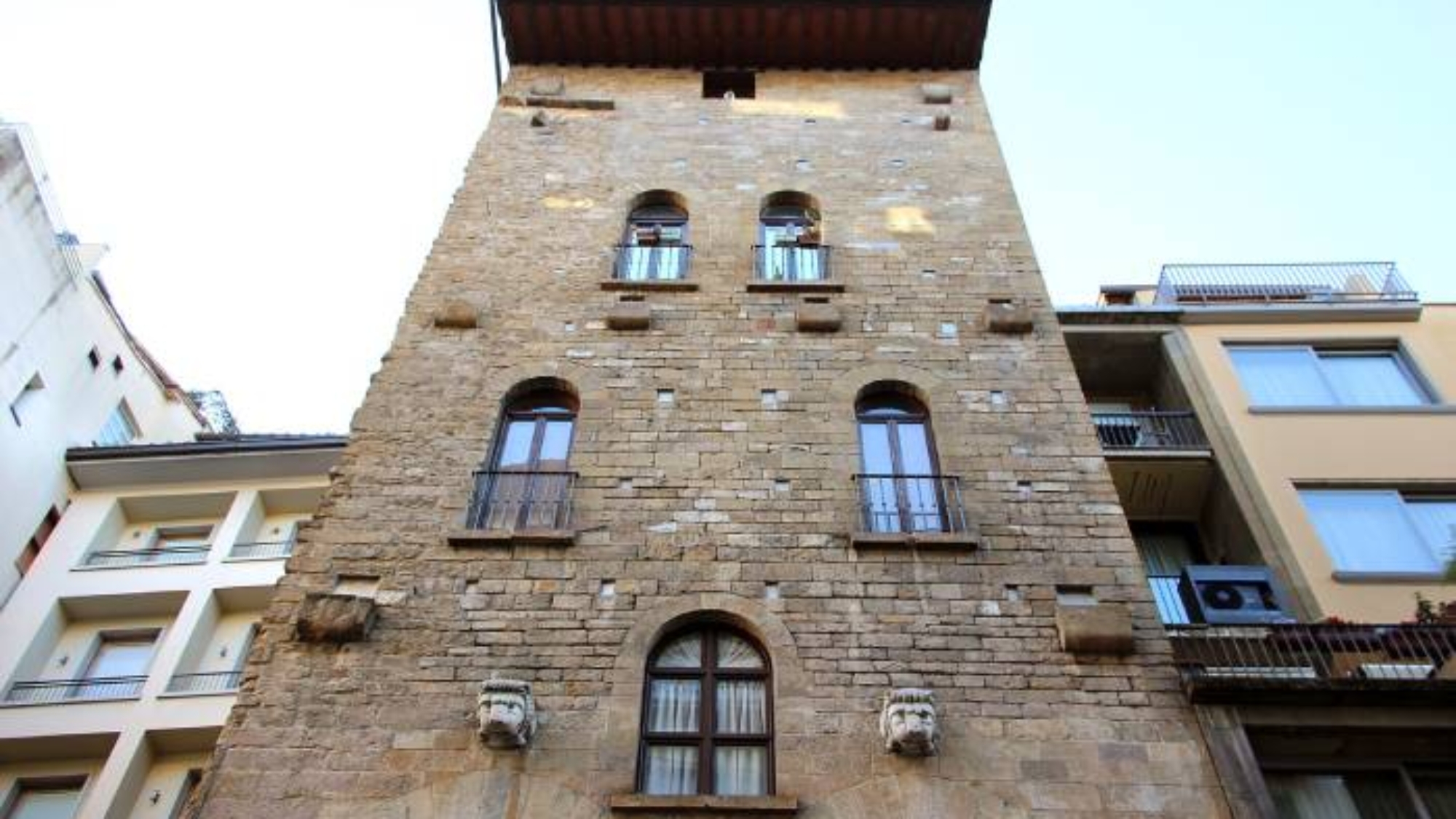
Located in Florence, near Piazza della Signoria, Torre degli Amidei is a tower that was apparently built in the Middle Ages. It used to belong to the Amidei Family and it was unfortunately damaged in 1944 by a retreating German Army. It was later partially reconstructed and most of what we see today on the outside comes from the reconstruction works.

Let’s find out something more about Torre degli Amidei in Florence and why you should visit it!

Tracing the origins: the story behind Torre degli Amidei in Florence

Torre degli Amidei was first constructed at the beginning of the 13th century under the commission of the Amidei family, which also had the property of other houses located on the same street. According to Giovanni Villani and Dante Alighieri, the Amidei Family punished to death Buondelmonte de’ Buondelmonti because he wouldn’t marry a woman from their family, leading to the creation of many fights that led to the wars between Guelphs and Ghibellines.

The tower used to be much higher than the one we see today. Just like many other buildings in Florence, it had to be lowered because of a new rule that was set that stated that the buildings couldn’t be taller than a certain height.

After belonging to the Amidei Family, it became the property of the Gherardini Family and then the Capponi. At the time, the tower was already quite damaged but, as mentioned before, it was after an explosion caused by the German Army in 1944 that the tower was almost fully destroyed.

Rising from the ruins: the remarkable reconstruction of Torre degli Amidei

When Torre degli Amidei was almost completely destroyed by the German Army in 1944, the Florentine government wanted to remove it completely, because it was not considered safe. After some time it was chosen that the tower could be rebuilt because of its historical importance. Torre degli Amidei was rebuilt according to photos and descriptions of the old tower and it was designed by architect Guido Morozzi.

A lot of the materials from the destroyed towers were reused to build new ones.

Visit Torre degli Amidei: Florence’s authentic historical landmark

Nowadays Torre degli Amidei in Florence is one of the most interesting places to visit if you wish to discover something more and less touristy about this majestic city. If you’re planning on visiting Florence and want to get to know something more about this city and Italy in general, make sure to check out our other blogs and book a tour with us for the best experience possible when it comes to visiting the city of Florence!

isola-tiberina-rome

Isola Tiberina: unveiling the hidden gem in Rome’s Tiber River

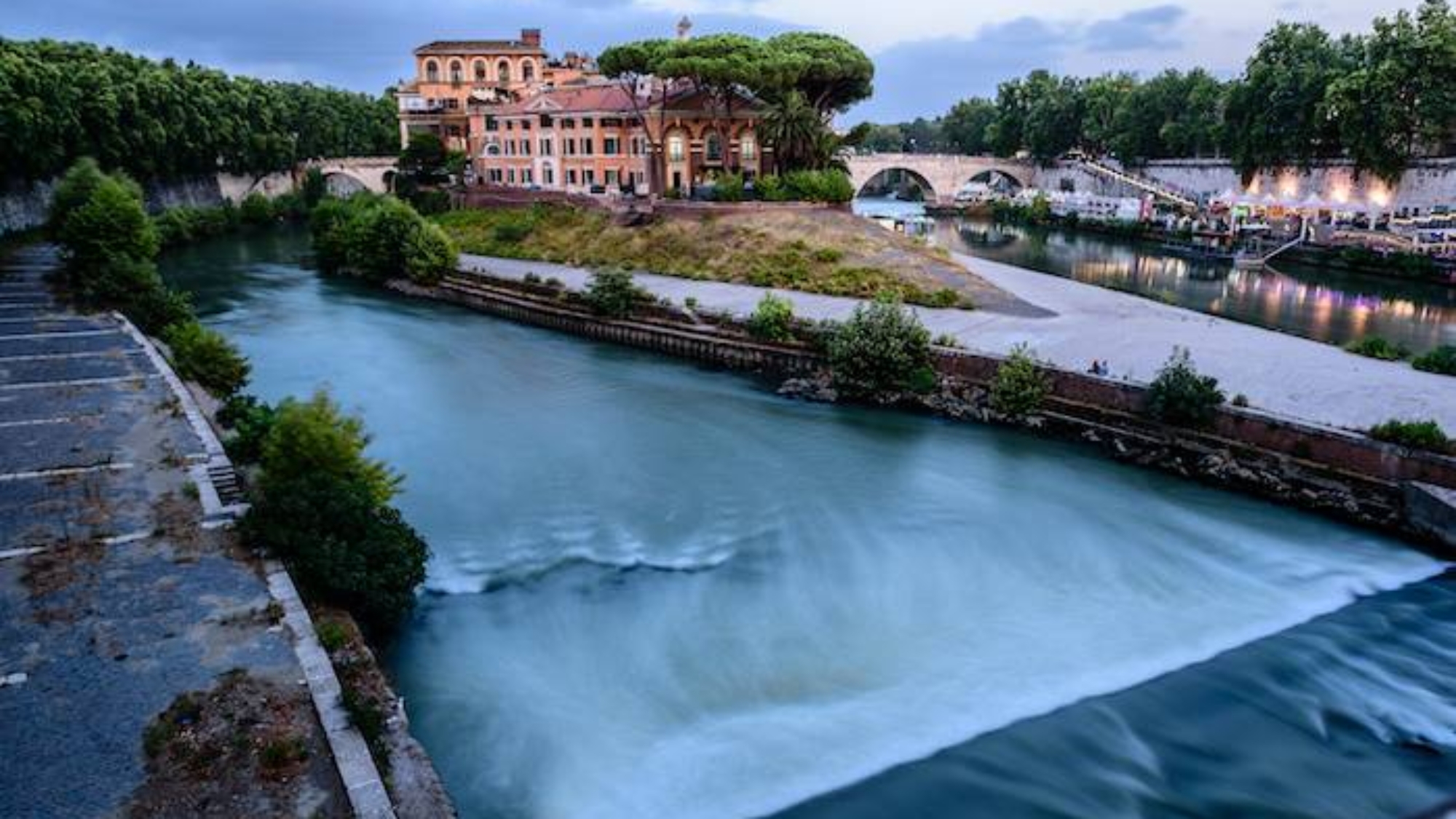
Located in the middle of the Tiber, right in the middle of Trastevere and the Jewish Ghetto in Rome, Isola Tiberina is a small island shaped like a boat. It’s only 270 meters long and 67 meters wide and it’s usually overlooked by tourists as just a shortcut to cross the Tiber thanks to the bridges located on each side but it’s actually very worth exploring.

Let’s discover something more about Isola Tiberina and why this destination should be part of your itinerary in Rome!

The Legends of Isola Tiberina: Stories of Creation and Transformation

There are many different stories surrounding the creation of the Island, all involving the last king of Rome, Tarquinius Superbus.

According to one legend, Isola Tiberina was created in 509 BC when Lucio Tarquinio Superbo was ousted by the people who threw his grain supply in the Tiber, forming the Island. Another legend says that his body was thrown into the Tiber and that, throughout the years, a lot of sand and dirt formed around it, creating Isola Tiberina.

Because of all the negative stories surrounding the creation of the island, it was mainly used to condemn criminals.

Temple of Aesculapius: the ancient healing Sanctuary on Isola Tiberina

The common narrative of the Island being a negative place quickly changed when a temple was built on the island. The Temple of Aesculapius, built in honor of Aesculapius, the Greek god of medicine and healing, was built in 293 BC when the great plague hit Rome. This temple was probably built on Isola Tiberina because it was isolated from the rest of the city, making it easier to contain the plague epidemic.

Legend has it that the Roman Senate had sent a delegation to find a statue of Aesculapius to Epidaurus and that, because of their religious beliefs, they put a snake on board the ship. Apparently, this snake slithered off the boat as they were navigating through the Tiber, disappearing on Isola Tiberina. They interpreted this as the sign they needed to build the temple of the Island.

Because of this, they also chose to shape the Island like a boat in the 1st century, in honor of the legend.

The modern and historic landmarks on Isola Tiberina

Nowadays the Island is still considered a place of medicine and healing and it’s, in fact, the location of hospital Fatebenefratelli. This hospital was built in the 16th century and it takes up most of the island, along with San Bartolomeo church. This church was apparently built in the 10th century and it’s one of the most tranquil spots in the city of Rome. It’s also one of the most interesting aspects of the island, as it houses frescoes by Antonio Carracci, a baroque painter, and a lot of relics of saints and martyrs.

Conclusion

Isola Tiberina surely is one of the most interesting places in Rome and it’s unfortunate that it’s still very overlooked by locals and tourists. It’s also one of the best places to watch the sunset over the Eternal City, creating a magical atmosphere, especially during the Summer season. Make sure to add Isola Tiberina to your itinerary of the city of Rome and, if you want to have the best trip, book a tour with us!

guggeheim-venice

Discover Modern Masterpieces: Exploring the Peggy Guggenheim Collection in Venice

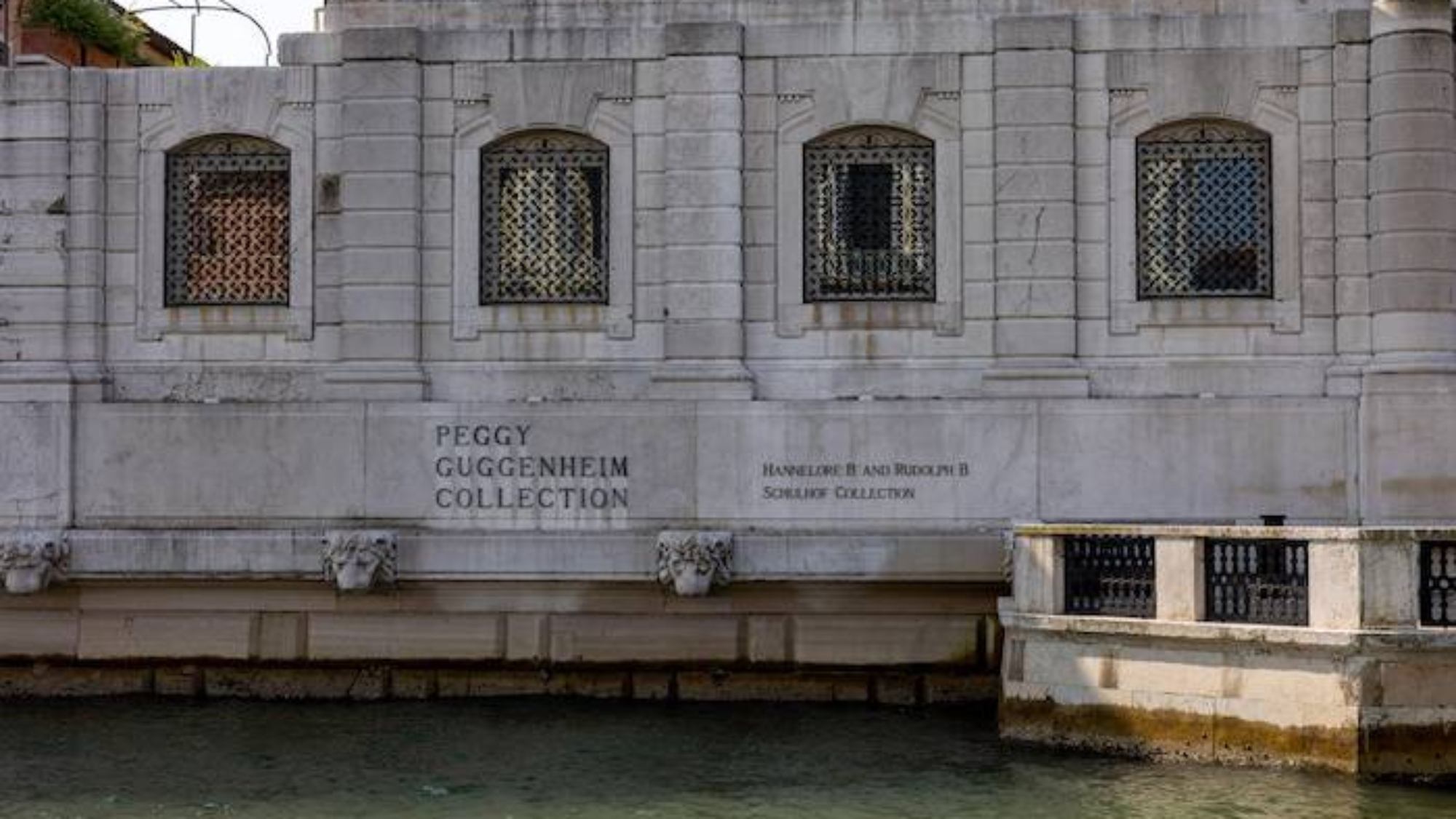
Located in Venice, in the Dorsoduro sestiere on the Grand Canal, the Peggy Guggenheim Collection is one of the most important modern art museums in Venice. This museum obviously houses Peggy Guggenheim’s personal collection of masterpieces from the XX century in different styles, going from Cubism and Surrealism to Abstract Expressionism.

Let’s find out something more about Peggy Guggenheim Museum in Venice!

The life and legacy of Peggy Guggenheim: a remarkable art collector

Marguerite Guggenheim, commonly known as Peggy Guggenheim, was an art collector born in a wealthy family in New York. Daughter of Benjamin Guggenheim (who was one of the many victims of the Titanic shipwreck in 1912), she began collecting art in 1938 in Europe and America. In January of 1938, Peggy Guggenheim opened her first modern art gallery in London, called “Guggenheim Jeune”, and continued to purchase art, mainly in the abstract and Surrealist style all throughout World War II. In 1949 she settled in Venice where she lived for the rest of her life whilst continuing to exhibit art.

Nowadays the Peggy Guggenheim Collection Museum is one of the most popular tourist attractions in Venice.

Palazzo Venier dei Leoni: home to the Peggy Guggenheim collection

Peggy Guggenheim Collection is housed in Palazzo Venier dei Leoni, bought by Peggy herself in 1949. This building looks quite modern but it’s actually an XVIII-century palace designed by Lorenzo Boschetti but unfinished.

Compared to other buildings facing the Grand Canal, Palazzo Venier dei Leoni is particularly low in elevation and used to be Peggy Guggenheim’s home, where she lived for over thirty years.

The art collection was only opened to the public in 1951 along with its garden, called the Nasher Sculpture Garden, from April to October. The exhibition was a huge success and continued to remain open during the Summers up until Peggy Guggenheim passed away in 1976.

She chose to donate the palace to Solomon R. Guggenheim Foundation, a foundation established by Solomon R. Guggenheim, Peggy’s uncle. Because of this, Peter Lawson-Johnston managed to reopen the collection in 1980.

Exploring the artistic treasures: highlights of the Peggy Guggenheim Collection

As mentioned before, Peggy Guggenheim collected artworks between 1938 and 1946 and, because of this, her collection is filled with modern art, attracting over 400,000 visitors every year. Pieces from her collection vary in style but the most prominent ones are definitely Cubism, Surrealism and abstract expressionism. Let’s explore some of the works of art that you can find in the Peggy Guggenheim Collection:

  • BIRTH OF LIQUID DESIRES by Salvador Dalì;
  • EMPIRE OF LIGHT by René Magritte;
  • UPWARD by Vasily Kandinsky;
  • ON THE BEACH by Pablo Picasso;
  • THE MOON WOMAN by Jackson Pollock;
  • SEA=DANCER by Gino Severini;
  • THE STUDIO by Pablo Picasso;

Conclusion

Getting lost in the works of art displayed at the Peggy Guggenheim Collection is an experience that needs to be done at least once in a lifetime. If you want to fully immerse yourself in this experience, make sure to book Venice a tour with us!

eataly-rome

Experience Italy’s Food Culture at Eataly Rome: A Guide to the Largest Gastronomic Store

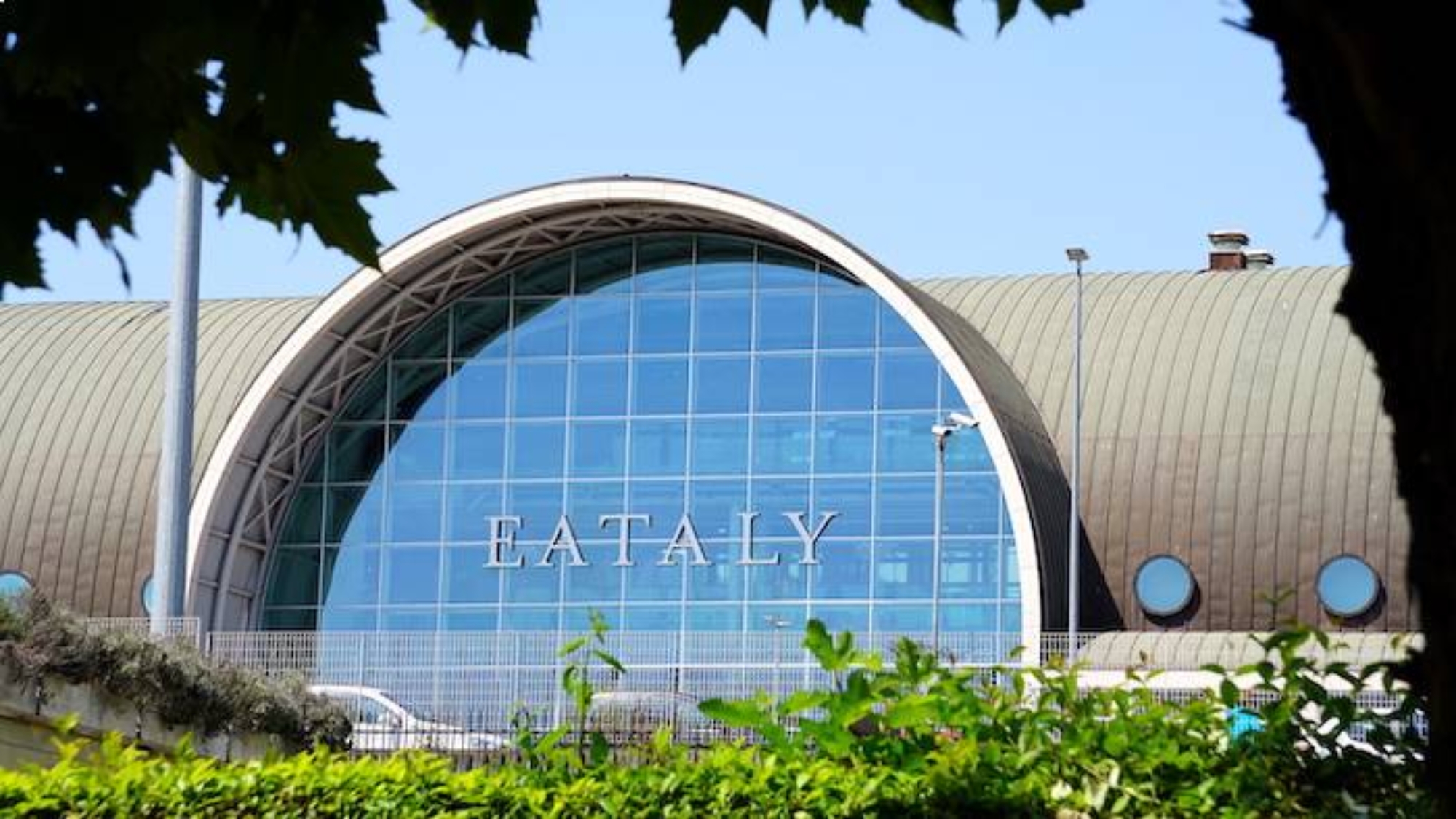
Located in the Ostiense district in Rome, Eataly is one of the largest gastronomic stores in Italy and definitely one of the best places to visit for food lovers. It looks like an open-air market with different food venues for you to try local products and practically have a bite of Italian culture through quality products and entertaining activities surrounding food!

Let’s find out more about the Eataly Store in Rome!

The Layout of Eataly Rome

Eataly’s store consists of many floors, circling outside the building, making it possible for you to see the top level of the store from the first floor. Each floor is filled with stores and restaurants for you to buy or eat some Italian food but also bars where you can get some coffee or gelato, pizzerias, chocolate stores and even stores that sell kitchen utensils! One of the floors is dedicated almost exclusively to wine and beer. Visiting the entirety of the store takes many hours but we can ensure they will probably feel like minutes. It’s so entertaining that, if you enjoy exploring other countries’ food cultures, you will feel like a kid at the playground!

Eataly’s Commitment to Sustainability

As mentioned before, Eataly is one of the best places to try good quality products and this is partially due to the fact that the company very strongly supports and believes in sustainability. Because of this, the company is very clear about the production methods of the food it offers and serves. This is also very clear in Eataly’s manifesto, which says: “We love high-quality food and drink. We love the stories about it, the people who produce it, and the places it comes from. We share with you the stories of the people and places behind all that we offer. The more you know the more you enjoy”.

Buying Italian Souvenirs at Eataly

If you’re looking for places to buy great souvenirs for your loved ones back home, Eataly is definitely a place to take into consideration. Its stores are filled with local products that you can bring for your relatives and friends to taste Italy! Amongst the best products you’ll find in Eataly, we highly suggest you buy fresh pasta, a bottle of wine from Eataly’s Enoteca, or some Italian cheese or salami.

Eataly Rome’s Opening Hours and Restaurant Times

If you’re thinking of going to Eataly, here’s some useful information about its opening hours. The store is usually open 7 days a week from 9:00 AM to midnight and it’s usually very crowded on the weekends or during the Holidays.

The restaurants are open:

  • FROM MONDAY TO FRIDAY: from 12:00 PM to 03:30 PM and from 07:00 PM to 11:00 PM
  • ON FRIDAYS: from 12:00 PM to 03:30 PM and from 07:00 PM to 11:30 PM
  • ON SATURDAYS: from 12:00 PM to 04:00 PM and from 07:00 PM to 11:30 PM
  • ON SUNDAYS: from 12:00 PM to 04:00 PM and from 07:00 PM to 11:00 PM

How to get there

Eataly is located in the Ostiense neighborhood, which is about 4 km from the city center. The area is very well covered by public transportation but, if you’re planning to come back after dark, we highly suggest you get a taxi or a car to be safer!

Conclusion

If you wish to fully immerse yourself in Italy’s food culture, Eataly is one of your best chances. This enormous store will surely be everything you’re looking for and more!

If you are planning on visiting Rome and want to know more about the Eternal City, make sure to check out our other blogs!

loggia-dei-lanzi-florence

Loggia dei Lanzi: discovering Florence’s open-air Museum

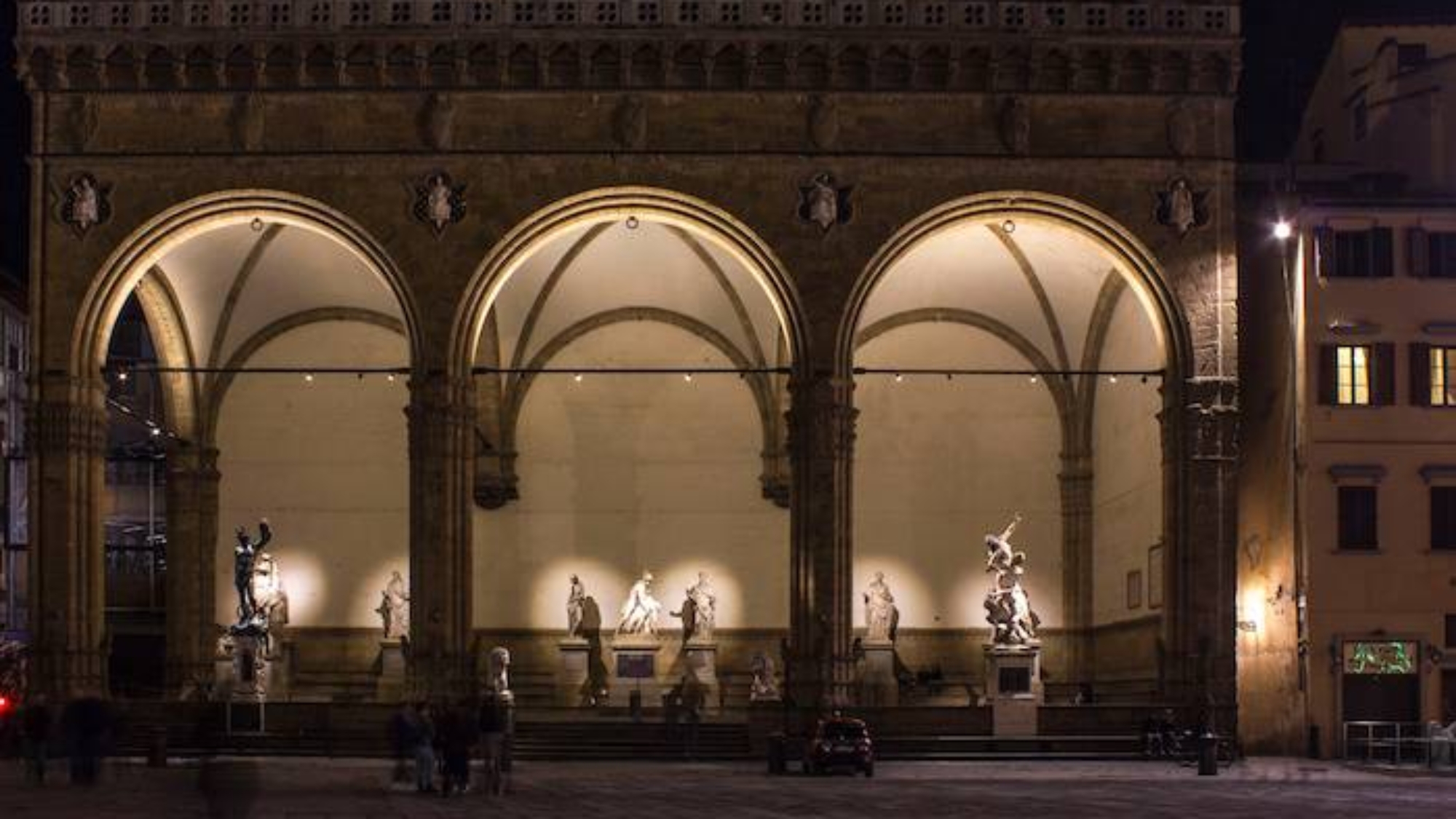
Located on one of the corners of Piazza della Signoria in Florence, the Loggia dei Lanzi, commonly known as Loggia della Signoria, is one of the most interesting open-air museums in the city. The building consists of wide arches that face the square, resting on Corinthian pilasters. These arches were particularly appealing to Michelangelo, who suggested surrounding the entirety of Piazza della Signoria with them.

Let’s find out more about the Loggia dei Lanzi in Florence!

History of Loggia dei Lanzi

Loggia dei Lanzi was built by Benci di Cione and Simone di Francesco Talenti, following the design made by Jacopo di Sione between 1376 and 1382 with the intent of housing ceremonies or assemblies of the Florentine Republic.

The Loggia dei Lanzi is considered to be a Gothic building, even though the presence of the arches and the sculptures it houses suggest that it was heavily inspired by the Renaissance style.

After the construction of the Uffizi Gallery, the roof of the Loggia was modified by Bernardo Buontalenti, creating a terrace from which the Medici family could watch the events hosted in Piazza della Signoria.

Reasons behind its name

The name “Loggia dei Lanzi” was probably attributed to this building because apparently in the XVI century the Lanzichenecchi, a group of mercenaries, stayed in this place before going to Rome to loot it in 1527.

Sculptures of Loggia dei Lanzi

As mentioned before, this open-air museum was created in the XVI century by Cosimo I de’ Medici mainly because he was a great fan of art but also because he wanted to impress his guests by showcasing the great collection of sculptures that his family possessed.

The majority of the statues that we can admire in Loggia dei Lanzi today are inspired by tales of ancient Greek history, myths and legends with protagonists that usually are heroes, gods or demigods.

Let’s explore some of them:

PERSEUS WITH THE HEAD OF MEDUSA:

Perseus with the Head of Medusa (1545 – 1554) is a bronze sculpture made by Benvenuto Cellini and commissioned by Duke Cosimo I de’ Medici. This sculpture is inspired by the mythological story of Perseus who beheaded Medusa, a woman with snakes instead of hair that turned everyone who looked at her to stone. This statue figures Perseus proudly standing on Medusa’s dead body and holding her head up.

ABDUCTION OF A SABINE WOMAN:

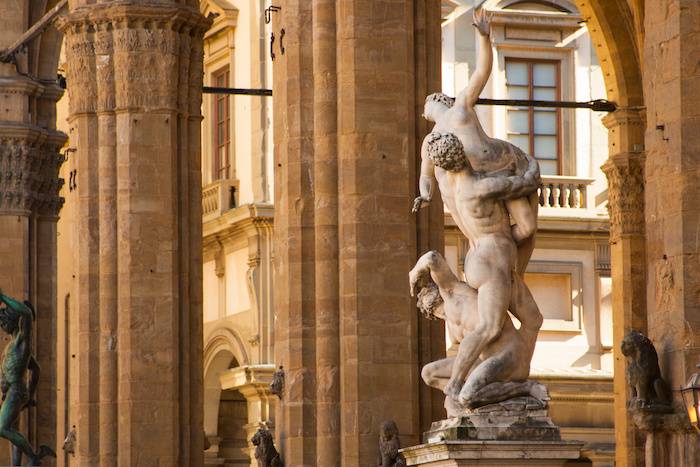
Abduction of a Sabine Woman (1579 – 1583), also known as the Rape of the Sabines, is a marble sculpture made by Johannes of Boulogne. This sculpture depicts a young man taking a woman from an older man and it’s based on the rape of the Sabine Women in ancient Rome’s history. This statue was commissioned by Francesco de’ Medici of Tuscany.

MEDICI LIONS:

The Medici Lions are two marble sculptures commissioned by Ferdinando I de’ Medici, Grand Duke of Tuscany. The first lion dates back to the II century AD and the second lion to the XVI century. The sculptures depict two lions proudly standing with a sphere under their paw and looking to the side.

RAPE OF POLYXENA:

The Rape of Polixena (1855 – 1865) is a marble sculpture made by Pio Fedi, considered to be his best work. This statue depicts Polixena, the daughter of Priamo, who was kidnapped by Neottolemo who was sacrificed.

Conclusion

If you’re planning on visiting the city of Florence, stopping to admire the great masterpieces located in Loggia dei Lanzi is definitely a must. If you wish to fully immerse yourself in the beauty of the city of Florence, make sure to check out our other blogs and book a Florence tour with us for the best experience possible!