rome-by-night

Rome by night: what to see and do

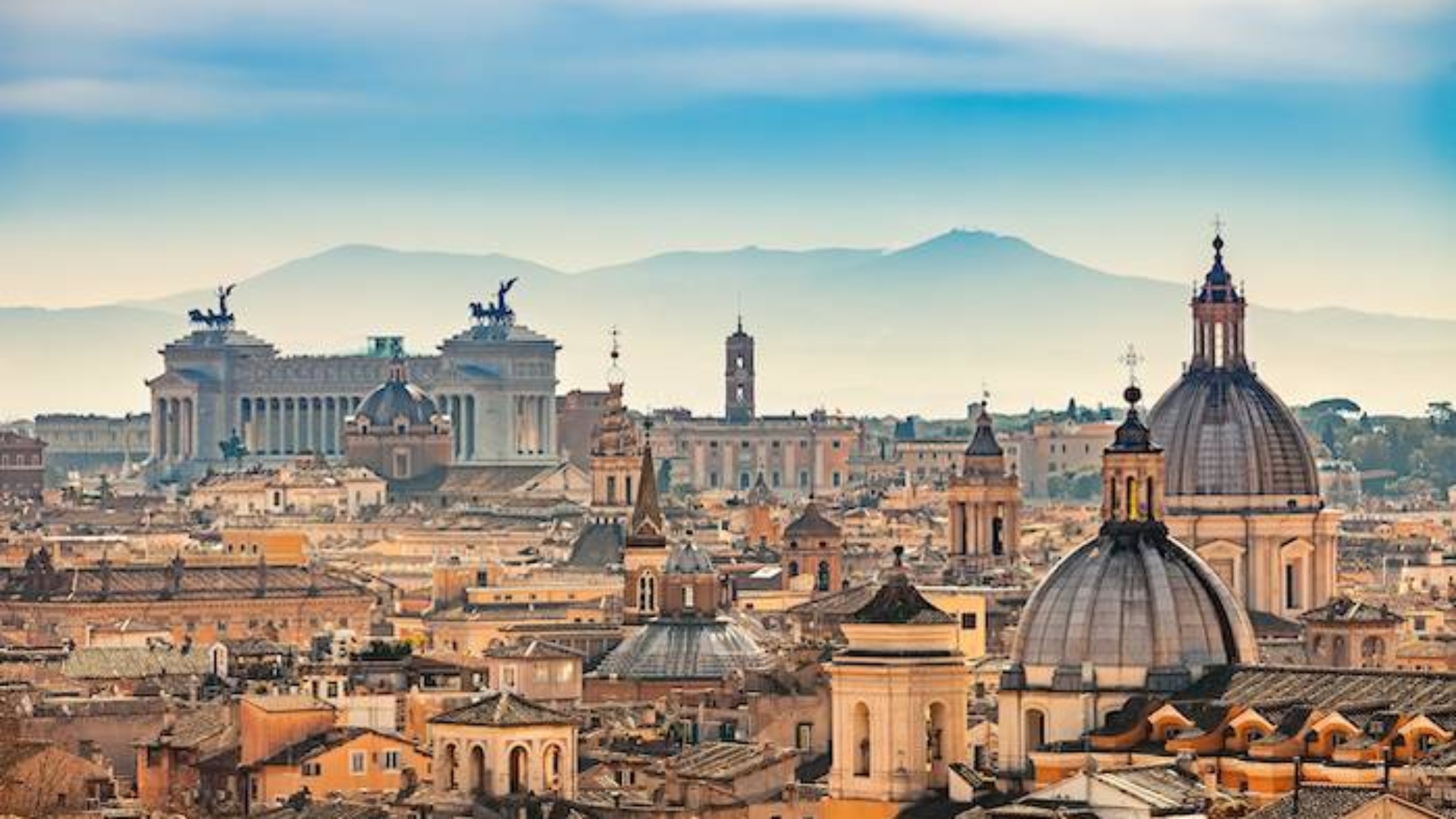
Rome surely is one of the most wonderful cities in the world at all hours of the day but Rome by night has a magic that needs to be witnessed and felt with one’s eyes at least once in a lifetime. As the sun starts to set, the streets get less crowded, mainly around the monuments, and time seems to slow down which truly lets you appreciate the beauty of the Eternal City.

If you’re planning your trip or happen to be in Rome and are looking for the best way to visit the city by night, you’re in the right place! Let’s explore Rome at night!

Watch the sunset

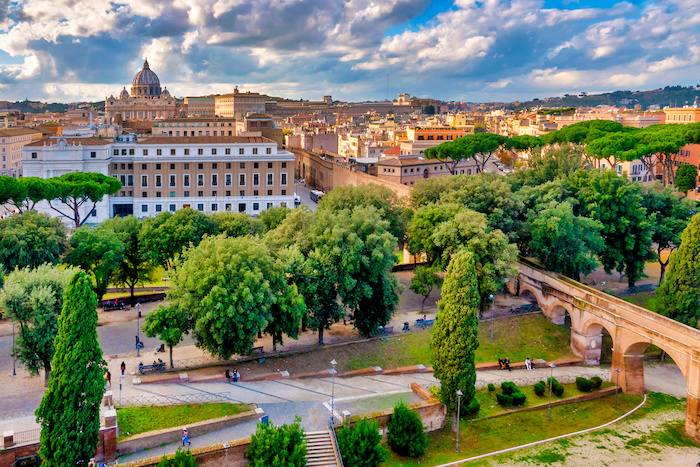
Every night should start by watching the sunset. Rome’s colors truly pop up during the golden hour and with its many hills and its majestic skyline, there’s no place like the Eternal City. Here’s a list of some of the best places to watch the sunset in Rome:

  • The Janiculum Hill;
  • The Terrace of the Pincian Hill;
  • The Orange Garden;
  • Umberto I Bridge;
  • The Capitoline Hill and the Roman Forum;
  • The Oppian Hill right in front of the Colosseum;

Walk through Piazza Navona

After watching the sun setting over Rome, we suggest you continue your explorative night by taking a stroll through Piazza Navona, one of the most popular squares in the city. The beautiful fountain at the center of the square lights up as the sun starts to go down, making it possible for you to appreciate and admire every single detail.

Another very important aspect of this square is that it’s surrounded by many restaurants and pubs where you can go enjoy a nice dinner and taste Rome’s traditional dishes!

Go see the lit-up facade of the Pantheon

The Pantheon is one of the most interesting and astonishing monuments in Rome and, even though it’s closed to visitors at night, seeing its lit-up facade is an incredible experience. Make sure you take a walk through Piazza Della Rotonda at night to avoid the long queues of tourists and enjoy a romantic walk with the most amazing view!

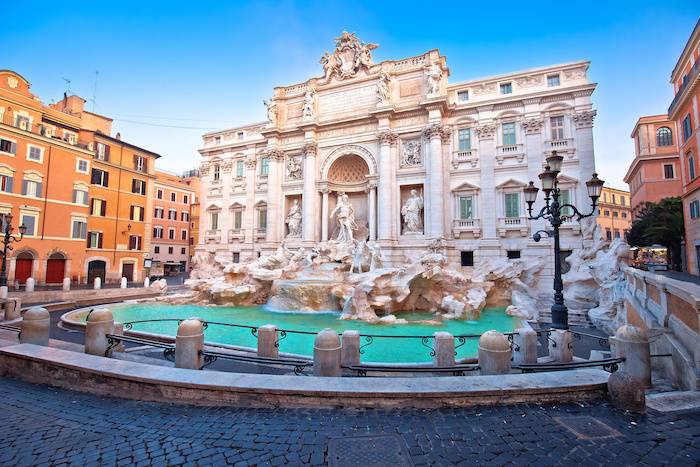
Make a wish at the Trevi Fountain

As mentioned before, Rome gets less crowded at night, making it possible for you to truly admire the monuments that are usually almost fully covered during the day. The Trevi Fountain is a great example of this. During nighttime it lights up with some warm lights and its magic will make you feel like throwing a couple of cents into the fountains will make every dream of yours come true!

Visit the Vatican Museums

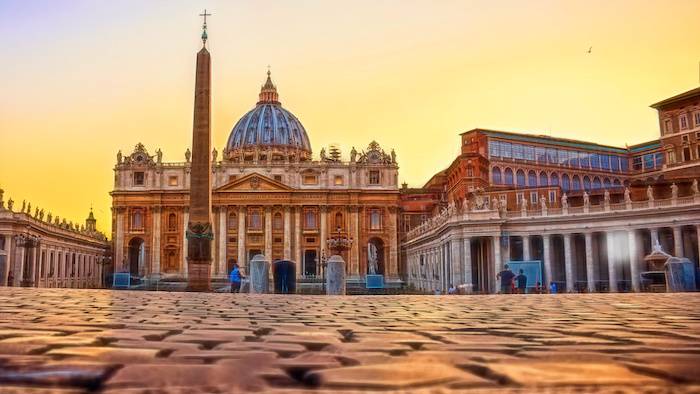
Tours of the Vatican Museums at night are regularly done with a limited number of visitors to make sure that they have more breathing room and can fully enjoy the experience. We suggest you make the most of the night by also taking a walk through St. Peter’s square and enjoying the night look of the Basilica.

Visit the Colosseum

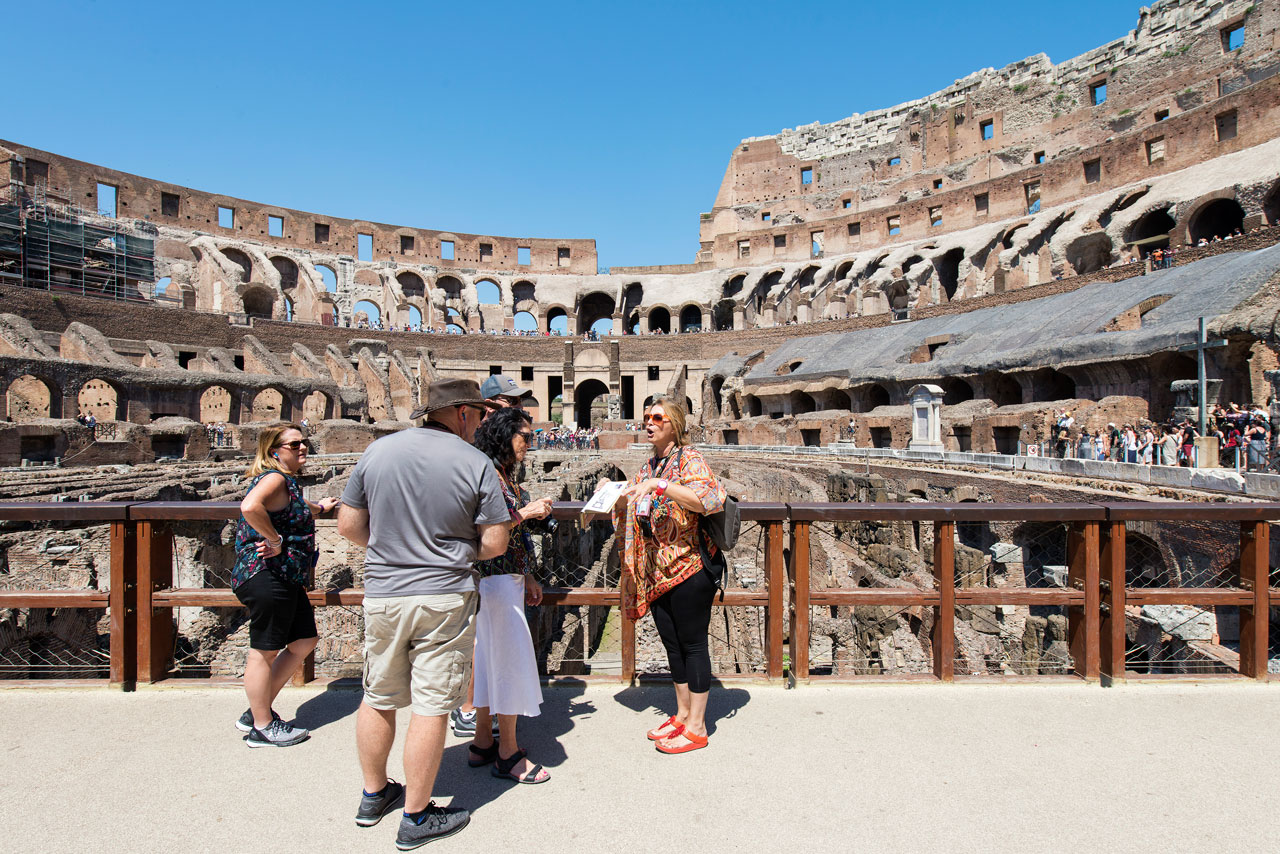
Visiting the Colosseum at night should definitely be a must when you’re visiting Rome. The ancient amphitheater and its great arches light up and create a particular game of chiaroscuro, making it possible for you to appreciate every corner of this majestic structure.

Just like the Vatican Museums, evening tours of the Colosseum are regularly done and we suggest you don’t miss one!

Conclusion

Rome is full of things to do at night, and you definitely won’t regret staying up a little late to enjoy the beauty of this city to its fullest. If you want to get to know more about the city of Rome, make sure you check out our blogs and book a private tour with us to make the most of the Eternal City!
spada-gallery-rome

Discover the treasures of Galleria Spada

Located in the XVI-century Capodiferro Palace, one of the most magnificent mannerist buildings in Rome, Galleria Spada houses a great collection of art from the sixteenth and seventeenth centuries, being a great way to explore the differences and similarities between the Renaissance and Baroque in one place.

The Spada Gallery consists of four rooms decorated with Baroque furniture and pieces of art from the XVII century by Cardinal Bernardino and Fabrizio Spada. The Gallery is filled with works of art from Italian painters and sculptors such as Tiziano, Orazio and Artemisia Gentileschi, Parmigianino e Jan Brueghel; but also international artists like Pieter Van Laer and Hendrick Van Somer or Valentin de Boulogne.

Perspective of Francesco Borromini

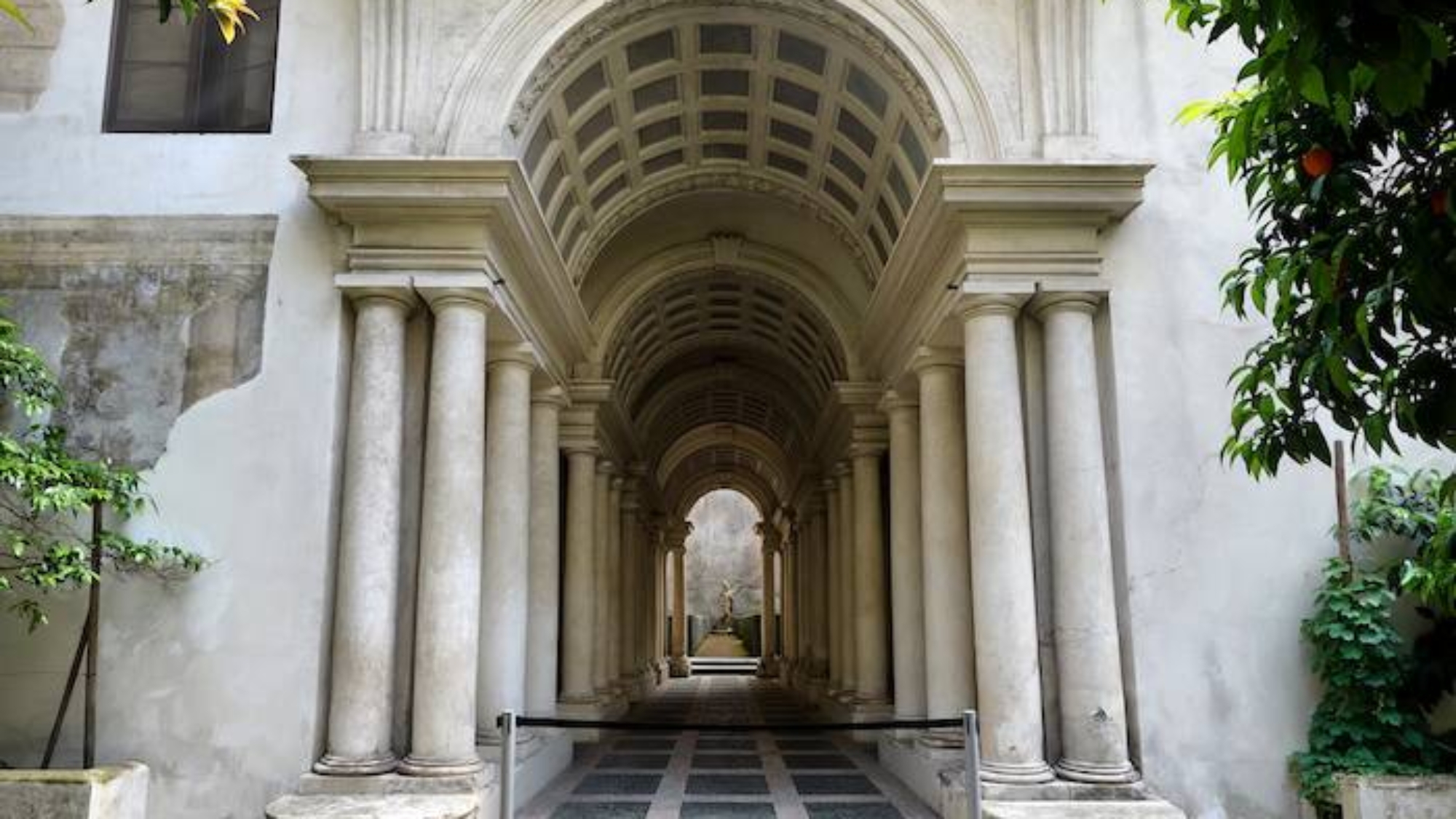
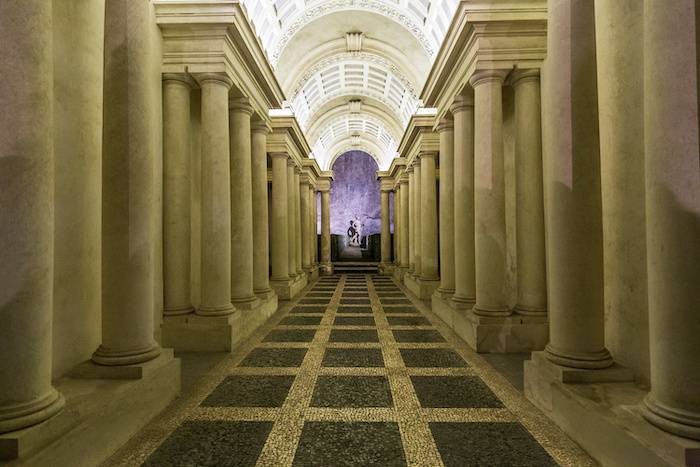
The most interesting aspect of Galleria Spada definitely resides in the forced perspective of Francesco Borromini. This part of the gallery, created by Francesco Borromini for Cardinal Bernardino Spada, is located in the gardens of the palace and it consists of a baroque perspective gallery as an almost interactive experience full of optic illusions.

Because of the inclination of the ceiling and the floor and its long columns, the forced perspective Gallery of Francesco Borromini looks like it’s circa 40 meters long when it’s only 9 meters long!

The progressive reduction of the elements contained in the room and the reduction of the space from the floor to the ceiling make this effect possible. At the end of the room, there’s a statue that is only 60 cm long but, because of this optical illusion, it looks like it’s normal in height.

Reasons why you should visit the gallery

Apart from its great optical illusions, visiting Galleria Spada is definitely worth it for all the art pieces from the XVI and XVII century that it contains. Here are some painters’ works that you will be able to find in this gallery:

  • Tiziano Vecellio – Ritratto di Musico;
  • Orazio Gentileschi – David con la testa di Golia;
  • Guido Reni – Ritratto di Bernardino Spada;
  • Gian Lorenzo Bernini – Lacoonte;
  • Carlo Gignani – La Primavera;
  • Il Guercino – La Morte di Didone;
  • Bartolomeo Passerotti – Il Botanico;
  • Jan Brueghel il Vecchio – Paesaggio con mulini a vento;
  • Artemisia Gentileschi – Santa Cecilia;
  • Lubin Baugin – Natura morta con candela;

Where you may have seen Galleria Spada

You may have seen Galleria Spada before… This Gallery is, in fact, part of the famous movie “La Grande Bellezza” (“The Great Beauty”) by Sorrentino. This movie, containing the forced perspective of Borromini, even won an Oscar!

Visiting Galleria Spada

If you’re interested in visiting Rome and the Spada Gallery and fully getting lost in its optical illusions, make sure to book a private tour with us!

tivoli-villas-rome-italy

The ancient Tivoli Villas: a day trip from Rome

Just a little outside of Rome, circa 34 km from the Eternal City, in the city of Tivoli, there are three ancient villas, commonly known as the Tivoli Villas.

These three villas, Villa Adriana, Villa d’Este, and Villa Gregoriana create a very valuable site, so valuable that Villa Adriana and Villa D’Este are recognized as UNESCO World Heritage!

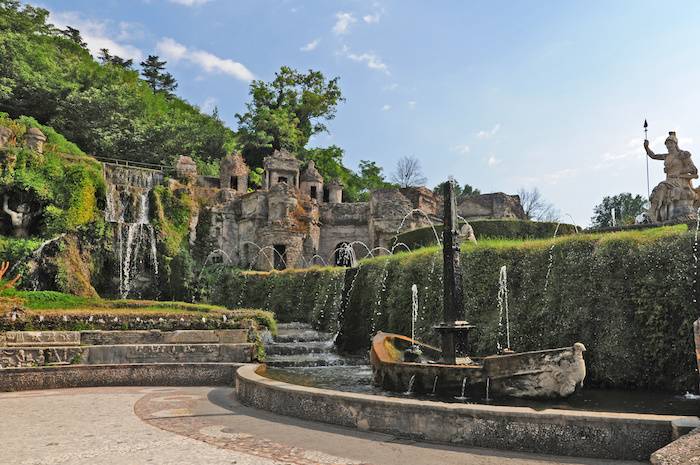
With their many fountains, creating amazing water shows, ancient architecture and nature, they are definitely worth a visit. Let’s find out more about each of the Tivoli Villas!

Villa Adriana

Located at the foot of the Tiburtine Hills, Villa Adriana was created in the II century AD and is the most ancient out of the three. The Villa was commissioned by Emperor Hadrian as his residence. He wanted to bring together the elements that he loved most from his travels to Greece and Egypt in circa 300 acres of ground.

Villa Adriana was filled with fountains, theaters, gardens, baths and buildings, creating a welcoming and prestigious environment.

Some of these elements were precisely requested by Hadrian:

  • The Pecile: a portico used to admire the view and take walks;
  • The Greek Theater: a private theater that could only house a few guests;
  • The Great and Small Baths: places to relax;
  • The Greek and Latin Library: filled with knowledge;

The Villa itself was a two-story building divided into:

  • the Lower Floor: usually used by slaves to work;
  • the Upper Floor: a welcoming environment used exclusively by the Emperor and his guests;

Nowadays, it’s possible to visit circa 100 acres of the remains of Hadrian’s Villa which, fortunately, manage to capture and represent the beauty of this majestic Villa that was listed as a UNESCO World Heritage Site in 1999.

Villa D’Este

A great example of the Italian Renaissance period, Villa D’Este, commissioned by the former governor of Tivoli, Cardinal Ippolito II, is one of the most prestigious Villas, filled with water fountains and astonishing gardens. Villa D’Este was designed by architect Pirro Ligorio.

As mentioned before, the villa houses many fountains such as:

  • the Rometta;
  • Fontana del Bicchierone, designed by Gian Lorenzo Bernini;
  • Fontana dell’Organo and Fontana degli Uccelli, both of them produce musical sounds with the water running;
  • Fountain of Neptune;

This villa extends for circa 10 acres and also contains a residential palace, Palazzo d’Este.

Palazzo d’Este is a great, elegant palace, that extends on 3 floors, is filled with amazing renaissance frescoes and is divided into several rooms:

  • the Noble Apartment;
  • Old Upper Apartment;
  • Lower Apartment;
  • Hall of Solomon’s Stories;
  • Hall of the Fontanina;

Villa D’Este has been listed as a UNESCO World Heritage Site as well.

Villa Gregoriana

Villa Gregoriana is a natural park surrounded by trees, paths and waterfalls and it’s perfect to immerse yourself in nature for a day.

This Villa was commissioned by Pope Gregory XVI in the XIX century and it got quite popular among artists who came here looking for inspiration.

Villa Gregoriana is mainly known for its Great Waterfall and for the Grottoes of Neptune.

Conclusion

So, if you’re up for a little adventure outside the city of Rome, we highly suggest you take a stroll through the Tivoli Villas. It will surely be an unforgettable experience!

passeggiata-gelsomino-rome

Passeggiata del Gelsomino in Rome

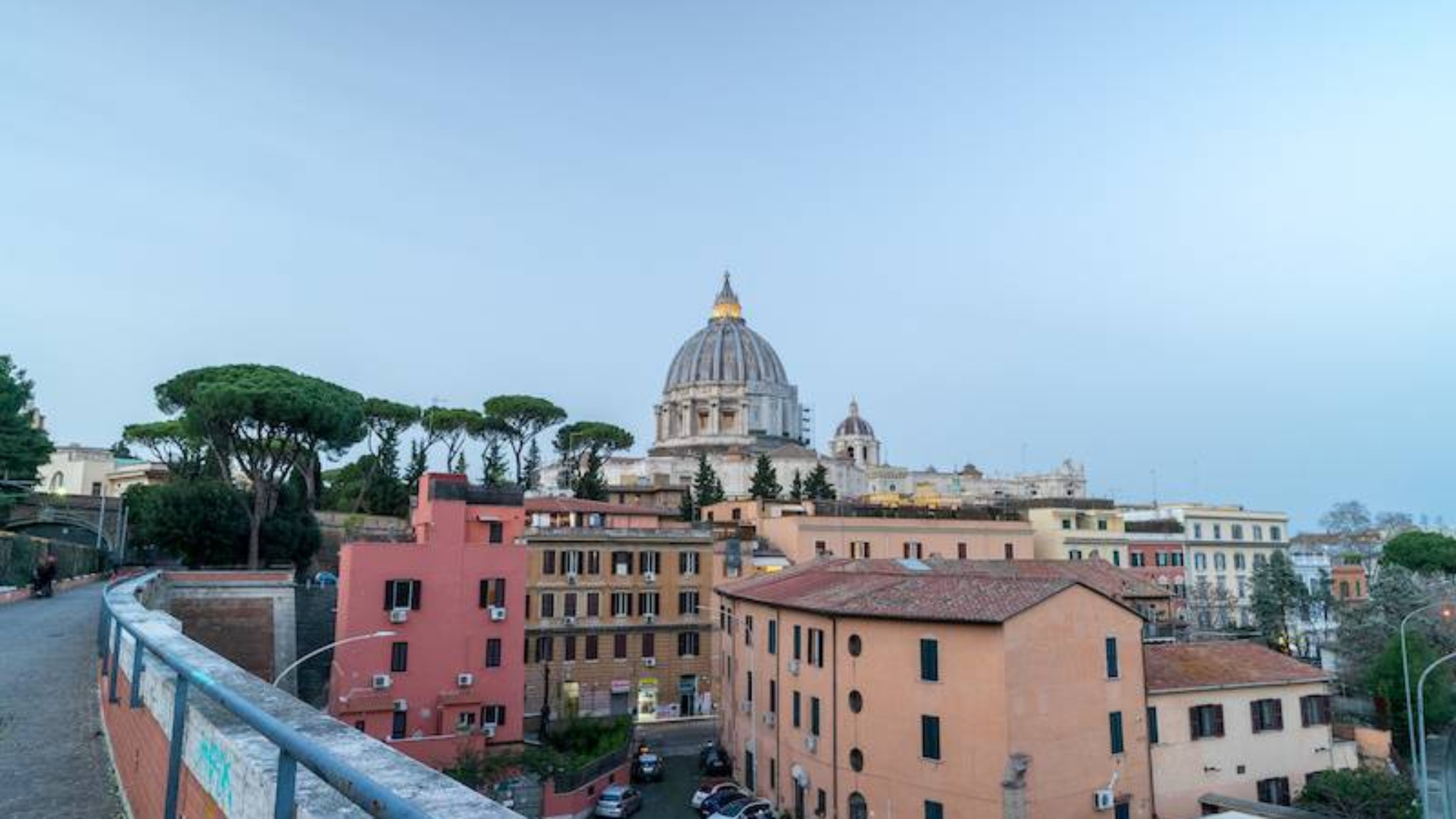
What once used to be a railroad in Rome, built in 1929 to connect the Papal State and the Kingdom of Italy and partially removed with the jubilee in 2000, has now turned into a place where you can go take a nice walk: the Walkway of Jasmine (Passeggiata del Gelsomino).

This is the perfect place to visit after your Vatican Tours.

This elevated passageway that currently connects the San Pietro Station to St. Peter’s Square is not so popular among tourists and locals and that makes it the perfect place to enjoy a nice romantic walk away from the frenzy of the city and explore more than just the main tourist attractions like the Colosseum, the Pantheon or the Trevi Fountain.

WHERE DOES IT START?

As mentioned before, the Walkway of Jasmine begins at the train station of San Pietro. You get there by entering the station and going towards platform 1 and then turning right. Just follow the directions for “Passeggiata del Gelsomino”.

Reasons behind its name

You may be wondering what’s the reason behind the name of this walkway. There are actually two main reasons:

  • The walkway is full of jasmines during the summer, making the walk even more pleasant and peaceful with their white color and their amazing perfume;
  • The route also faces what once was the Valley of the Jasmine that went from the Vatican to Janiculum Hill.

You may wonder why the place where the Walkway of Jasmine takes place was once called the Valle del Gelsomino… Legend says that in that area there used to be an old tavern with this name, chosen by its owner to pay homage to the jasmines brought to Italy by the Grand Duchy of Tuscany.

Another fun fact according to legend is that this flower became popular because a poor gardener stole it from the gardens of the Grand Duchy in Tuscany to gift it to the woman he loved. This is probably the reason why this flower represents marriage today.

The perfect walk to take with kids

The Walkway of Jasmine, apart from being one of the most romantic places along with Janiculum Hill, is also the perfect place to take a walk if you have kids with you.

On the path, you will, in fact, find FattOrietta, a big farm with many animals like ponies, cows, and pigs surrounded by trees and nature.

The Farm is usually only open in the morning so we suggest taking this walk in the morning when it’s not too hot!

Conclusion

If you’re in Rome and are looking for ways to spice up your trip with less popular places to visit, the Passeggiata del Gelsomino is definitely what you’re looking for! Make sure to bring a water bottle and some sunscreen and don’t forget a camera to take some photos of St. Peter’s Dome from a unique perspective!

5-places-to-visit-in-rome

Top 5 places to visit in Rome

With its many museums, squares and historical buildings, The Eternal City of Rome is so full of history, beauty and art that it can be hard to lay down a list of things to see when you only have a few days in town. Fear not though, we’re here to help! Here are our top 5 places to visit in Rome!

If you are interested experiencing Rome like a local we suggest you to take a look at our Rome Tours with local guides.

1. Colosseum

With over 6 million visitors a year, the Flavian Amphitheatre, commonly known as the Colosseum, is one of the most exceptional monuments and a symbol of the city of Rome.

Its construction began in the year 72 with Emperor Vespasian but it was only finished in the year 80 with Emperor Titus.

During the Roman Empire, the Colosseum used to be a gathering place where over 50.000 people could watch all kinds of spectacles. The most common shows were recreations of gladiator battles, executions of prisoners, or exhibitions of exotic animals. It may come as a surprise that the Colosseum was sometimes filled with water to host staged naval battles, called Naumachie. It was a great form of entertainment… kind of like going to watch an action movie at the cinema nowadays!

The last recorded show took place in the 6th century. Since then, the Colosseum has survived many hardships: two World Wars, earthquakes and plunders but luckily the majority of it managed to remain intact!

The Colosseum is the biggest Roman Amphitheatre and one of the most visited sites in Rome. Since the lines are quite long we suggest you book a skip-the-line tour with us!

2. Trevi Fountain

The Trevi Fountain is the largest and most beautiful fountain in the city of Rome. The fountain was originally built in the year 19 B.C. but was only finalized in 1762 by Giuseppe Pannini.

Its name comes from its setting; the Trevi Fountain is, in fact, located at a point where “tre vie” – meaning “three streets” – meet, hence the derivation of the name “Trevi”.

Nowadays throwing a couple of cents into the fountain is a symbol of good luck and a chance to make a wish, but this is not the only tradition surrounding the Trevi Fountain. Back in the day, a tradition that is no longer in use called “La tradizione del bicchiere“, was dedicated to couples. As a promise of loyalty, if a man was about to leave for work, his girlfriend would have him drink a glass of water from the fountain and then break it. Today this tradition has been replaced by the “Fontanina degli innamorati”, another small fountain located at the right of the Trevi Fountain. If you and your significant other drink water from this fountain, it means that you are going to stay together!

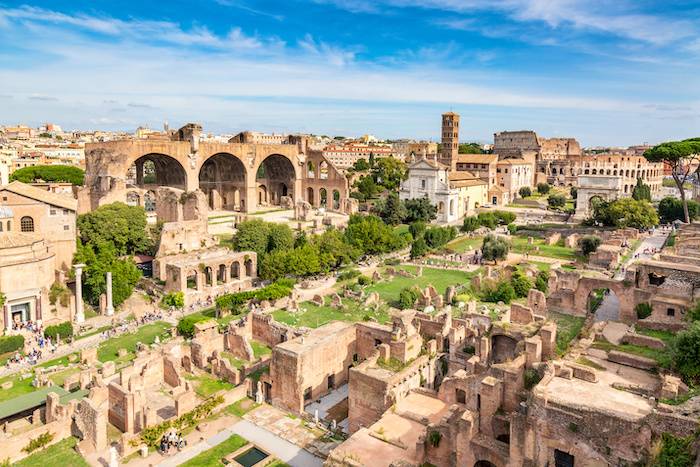
3. Roman Forum

The Roman Forum, along with the Colosseum, is another amazing site that shows the beauty of the Roman Empire. It used to be the center of political activities and public life.

An interesting fact about the forum we see today is that, with the fall of the Roman Empire, the Forum ended up slowly getting covered by dirt and it was carried out only in the 20th century with excavations.

4. St. Peter’s Square

Located in Vatican City, right next to St. Peter’s Basilica, St. Peter’s Square is one of the largest squares in the world, being over 320 meters long and 240 meters wide.

This square took 11 years to build and it was constructed by Bernini, starting in 1656 and ending in 1667.

One of the most interesting aspects of St. Peter’s Square is that it’s surrounded by four rows of columns that create an optical illusion; the 284 columns were placed by Bernini so that if you were to stand at the center of the square, you would only see one row of columns.  

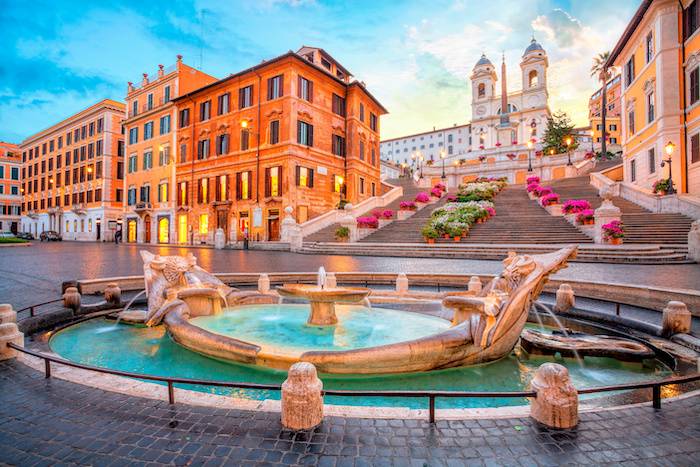
5. Piazza di Spagna

Piazza di Spagna is one of the most remarkable squares in Rome. Its name comes from the fact that Palazzo di Spagna, the seat of the Spanish Embassy, is located in this square.

Being strictly connected to Via dei Condotti, Via del Babuino and Via Frattina, Piazza di Spagna is one of the most popular neighborhoods in the Eternal City.

Another very interesting aspect of this square is its 135 steps. Built at the beginning of the 18th century, the Spanish Steps have become a tourist-favorite spot to sit and relax after a long walk through the streets of Rome.

christmas-in-italy

Christmas traditions in Italy

Christmas is one of the most beautiful times to be in Italy. The whole country lights up with Christmas trees, lights and decorations, making it impossible for you not to immerse yourself in the Holiday spirit!

If you want to celebrate like a local this year, you’re in the right place! Here are some Italian Christmas traditions!

Visiting the Vatican during Christmas time –

When do the Holidays begin and end?

Christmas Holidays in Italy traditionally begin on the 8th of December with the day of the Immaculate Conception. During this day, Italian families usually set up their Christmas trees and decorations. These decorations get taken down on the 6th of January, the day of the Epiphany. This day officially marks the end of the Holidays. There’s also a popular saying in Italy that goes: “L’Epifania, tutte le feste porta via” which means that the Epiphany takes away all the Holidays.

Nativity scenes

Nativity scenes, known in Italy as “Presepi” are very common. Every family sets up their presepe with their Christmas decorations, leaving baby Jesus out of the nativity scene up until the 25th of December. They’re usually made of wood or terracotta and all through Italy there are many exhibitions of handcrafted nativity scenes made by artisans all over the world!

Christmas Eve Feast

On Christmas Eve, families and friends usually gather around the table to eat a very big dinner, referred to as “cenone” in Italy. According to tradition, Christmas Eve should be seafood-based. A meat-free meal to purify your body. The kinds of foods that get served on Christmas Eve vary from each region but some of the most popular ones are:

  • Baccalà;
  • Mussels Soup;
  • Clams Risotto;

Keep in mind that not all families go with traditions and serve meat-free dishes on Christmas Eve!

Christmas Feast

The following day, Italian families continue eating by making a very big Christmas lunch. This lunch is usually up to 12 servings and lasts lots of hours so… get ready!

Here’s an example of a typical Christmas lunch menu:

  • Antipasti with cheese and cold cuts;
  • Tortellini in BrodoLasagnaMinestra MaritataPasta al Forno and many more main dishes;
  • BaccalàAbbacchioCapponeCapitone, as second courses;
  • Insalata russaInsalata di RinforzoBroccoli di Natale, served as a side to the second courses;
  • StruffoliPandoroPanettoneTorroneMustaccioliRoccocò and many more desserts!

So, the Christmas Day menu will surely keep you stuffed for a long time!

Exchanging Gifts

Of course, exchanging gifts between family and friends is one of the best parts of Christmas. With young kids still believing in Santa Claus, it’s common in Italy for adults to set up little scenes to make kids believe that Santa is bringing them gifts.

For older people exchanging gifts is a way to bring people together and celebrate friendships.

florence-in-winter

Tips to visit Florence this Winter

Visiting Florence is always an amazing experience, regardless of the season of the year, but if you wish to fully immerse yourself in the Florentine culture, the winter season is your best option! The prices get cheaper and the city gets less crowded, giving you a perfect chance to relax and enjoy your trip!

Let’s find out some of the reasons why you should come to Florence this winter and some tips to make the most of it!

Why you should visit Florence this winter

As mentioned before, visiting the city of Florence during the winter is optimal. The weather rarely gets too cold and if you’d rather wear more layers of clothes than sweat under the summer heat, you will surely be satisfied.

The city also gets fewer tourists and more locals, which is always nice if you enjoy being surrounded by the actual Florentine life!

Florence also comes alive with Christmas trees and decorations that create beautifully illumined streets.

What to pack

To make sure you never get too cold or too hot during your trip to Florence this winter, we highly suggest you dress in layers or, as Italians say: “vestirsi a cipolla”. The reason for this is that you will probably find yourself walking the streets of the city in the cold, needing a bit more layers, and then walking into stores where there’s heating and wanting to take some layers off! It’s important to also remember that with winter, days get shorter. With the sun setting at around 5 PM, it gets colder earlier in the afternoon. Make the most out of the hours when the sun’s out and don’t forget to strategize and plan your vacation days according to the weather as well!

Christmas Markets in Florence

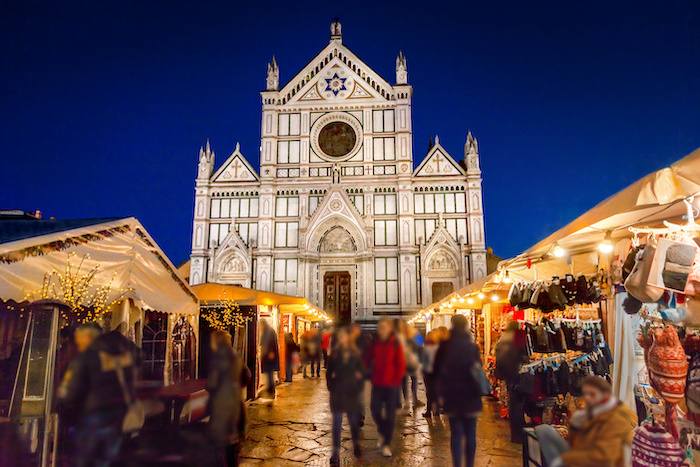
The city of Florence also fills up with some incredible Christmas Markets, called “Mercatini di Natale”. The biggest Christmas Market in Florence is held in Piazza Santa Croce and you will be able to find almost everything there; from handmade products to traditional food and pastries. It’s also an amazing place to buy some souvenirs for your loved ones back home.

Other Christmas Markets that you can check out in Florence are:

  • the Fierucola dell’Immacolata;
  • the Fierucolina di Natale;

Events in Florence winter 2022

The city also fills up with fun events and attractions for people of all ages. Let’s explore some of them:

  • FIRENZE WINTER PARK: located in Teatro Obihall garden, the Firenze Winter Park features many different activities such as ice rinks, food & drinks stands and even restaurants;
  • FLORENCE LIGHT FESTIVAL: the city lights up starting from a big Christmas tree, making every corner of Florence colorful and bright for the holidays;
  • THE NUTCRACKER: hosted by the Pegola Theatre, the Nutcracker is one of the most important Christmas shows and it’s definitely worth watching;

Traditional food in Florence you should try

Ribollita Toscana

If you’re in Florence for the holidays there are plenty of typical dishes that you should try in order to fully immerse yourself in the beauty of this city!

Here’s a list of some things we suggest you try:

  • Caldarroste: roasted chestnuts that are typically served warm and in a paper cone at food stands so you can eat them while walking through the other stands;
  • Ribollita: a typical dish that literally means “reboiled”. It’s called like this because it’s made by reboiling leftover soup and adding bread to make it thicker;
  • Cotechino e Lenticchie: pork bits served with lentils. Typically eaten on New Year’s Day as it’s believed that it will bring lots of prosperity throughout the new year;
  • Hot chocolate: a Florentine tradition that first got popular with the Medici Family. Cioccolata Calda is much thicker compared to the ones you may find outside of Italy;

Conclusions

So, visiting Florence during the winter will surely give you a great experience filled with good memories. The joy and love that spreads in the air during Winter time and the amazing atmosphere created by the Chr

passetto-di-borgo-rome

Passetto di borgo in Rome

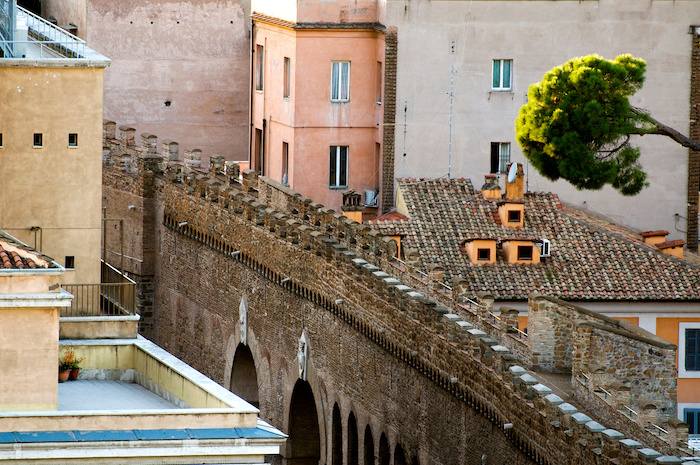
Passetto di Borgo, also known as Passetto, is an 800 meters passageway that, thanks to the Leonine Wall, connects Castel Sant’Angelo to the Vatican City in Rome. This secret corridor was commissioned by Niccolò III in the XIII century as a way for the popes to escape and get into Castel Sant’Angelo when their safety was at risk.

The “passetto” was not built at the same time as the Leonine Wall, commissioned years prior by Pope Leone IV, more precisely in the IX century. This 800 meters corridor, with its passage being only 3,5 meters wide, meant that only two people could pass at the same time, making it safer for the popes to not be chased. This passage was quite useful throughout history.

You can choose one of our Vatican Tours to explore it and discover the fascinating story behind this historic passageway.

Popes that used this passageway

Passetto di Borgo was the protagonist of two very famous getaways. One happened in 1494, with Pope Alessandro VI, when the French, with Charles VIII, attacked Rome. The other was in 1527 when Pope Clement VII escaped because of the Sack of Rome. Pope Clement VII had to stay in Castel Sant’Angelo for circa 7 months to survive the pitfalls of the Swiss, Spanish and German troops of Charles VII massacring the city of Rome.

How it became a turist attraction

The Passetto was, at first, property of the Vatican City, even though most of it was located in Italian territory. This only changed recently with Pope Giovanni Paolo II who chose to give it to the Italian Government, all but the first 80 meters of the corridor that are located in the Vatican.

After some years of maintenance work, the Italian government managed to reopen Passetto di Borgo for the public in 1999. It is now possible to walk through Passetto di Borgo by visiting Castel Sant’Angelo.

You may have seen Passetto di Borgo in some movies

Passetto di Borgo has become quite popular in today’s culture thanks to movies, novels, music and video games that have scenes set in this historical place.

It played a fundamental role in Angels & Demons, a novel written by Dan Brown, where the character of the antagonist had to transport four abducted cardinals to Castel Sant’Angelo. It was also used, in the same novel, by the protagonist, as a shortcut to Vatican City.

Passetto di Borgo was also used by Tom Cruise in the movie Mission Impossible 3 and mentioned in the song “The Last Stand” by Sabaton.

The setting of the Passetto is also used in the popular video game Assassin’s Creed II by its protagonist, Ezio Auditore Da Firenze. He uses the passageway to get from the Castle to the Sistine Chapel.

Conclusions

Visiting Passetto di Borgo is definitely an experience that will either bring you back in time and make you feel like a runaway or make you think you’re in an action movie! Either way, it’s going to be an amazing experience! To get to know more about Passetto di Borgo and the city of Rome, make sure to book a tour with us!

st-mark-basilica-venice

Discover St. Mark’s Basilica in Venice

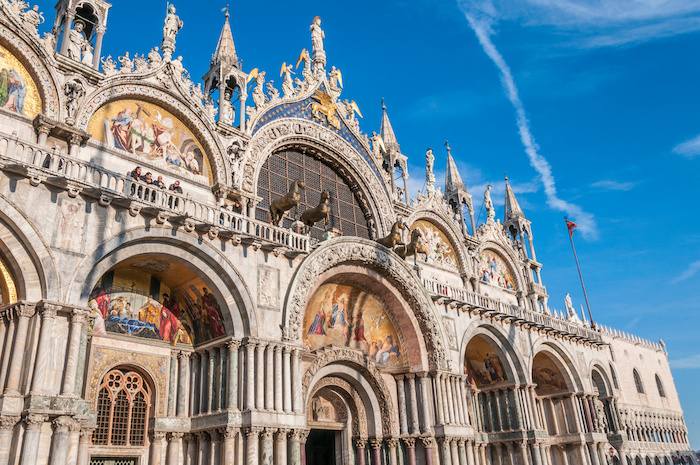
Located in Saint Mark’s Square, Saint Mark’s Basilica is a Catholic Church that quickly became a symbol for the city of Venice.

Its history began in 828 when Doge Giustinianzo Partecipazio thought of building a church in honor of St. Mark. The church was built but in 976 it was destroyed by a fire caused by rioters and the Doge chose to rebuild it two years later.

Even though the church was rebuilt, it’s not the same as the one we see today. Book a Venice tour with us to get lost in the beautiful St. Mark’s Basilica in Venice!

The history of St. Mark’s Basilica

St. Mark’s Basilica was built in 1063 and consecrated in 1094. The church caught on fire again though in 1231 and had to be restored again.

It was then gradually completed with the construction of its domes, the decorations of its facades, and the construction of the altars on the inside.

Because of these continuous and necessary restorations, this Church lived through many different architectural styles and is considered to be romanesque, byzantine, and gothic as well.

St. Mark’s Basilica is one of the most fascinating cathedrals in the world because of its different influences in style.

Interesting facts about St Mark’s Basilica

  • What many do not know is that for centuries the role of cathedral of Venice was played by the church of San Pietro, in the Castello district. The Basilica of San Marco, in fact, became such only in 1807: before it was a state church run by the Doge and totally independent from the Patriarch of Venice;
  • its domes were created according to Byzantine and Fatimid techniques;
  • to carry Saint Mark’s body, they devised a plan: being in a predominantly Muslim place, they hid the saint in a chest and reached the port screaming “kanzir” (pork). In this way no one controlled them for fear of coming into contact with a flesh considered unclean;
  • Inside the Basilica (where you can not take photographs), not far from the Pala d’Oro, there is a stone on which is depicted a black hedgehog. There was buried the heart of the doge Francesco Erizzo: the animal was the symbol of his family.

Nowadays St. Mark’s Basilica is a core element of both public and religious culture for Venetian citizens and it’s one of the most visited sites in Venice even when the city floods because of its high tide. In fact, you can visit the Basilica thanks to some catwalks that were placed specifically for the high tides!

florence-cathedral

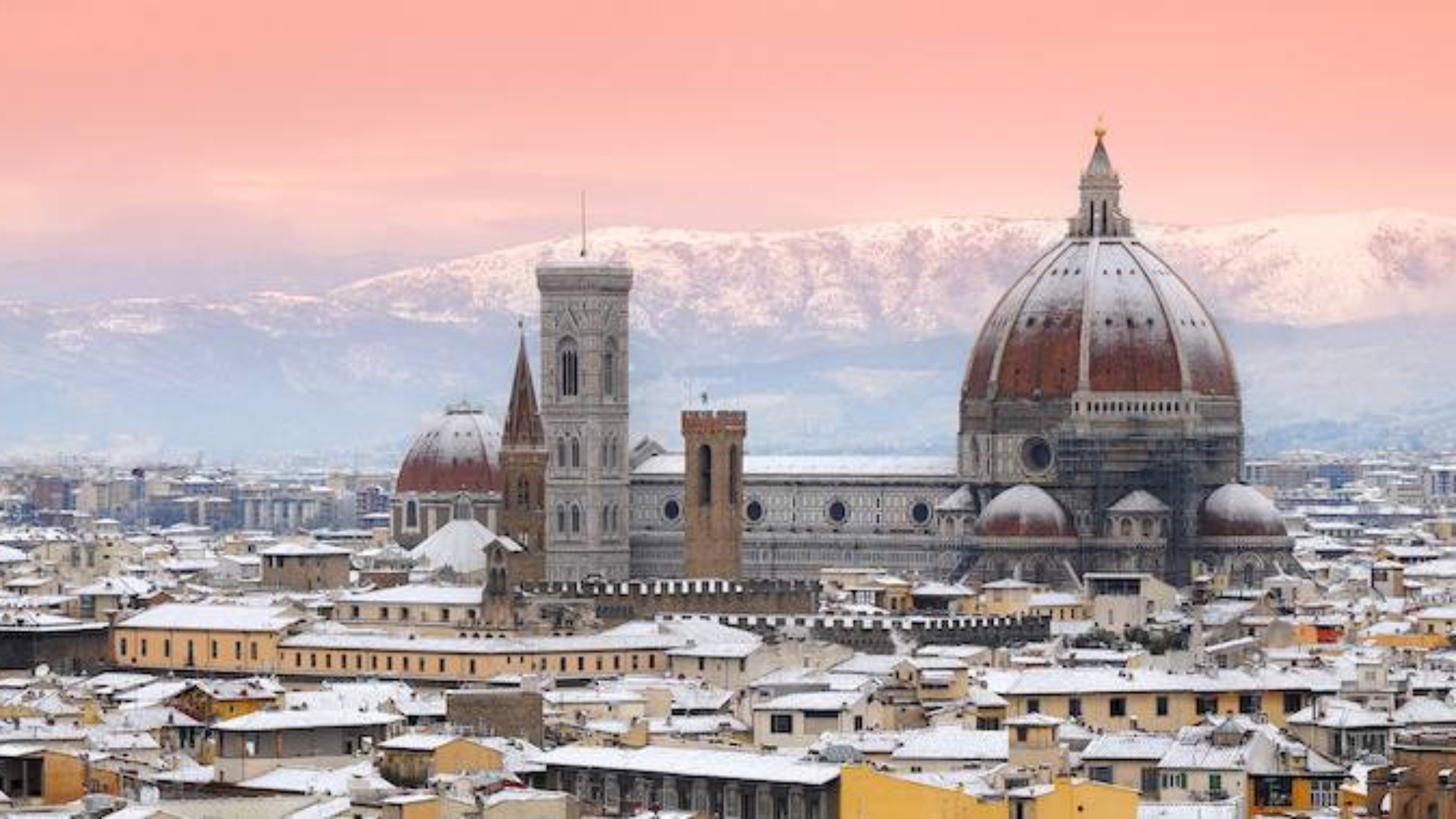
The Brunelleschi’s Dome in Florence: an architectural masterpiece

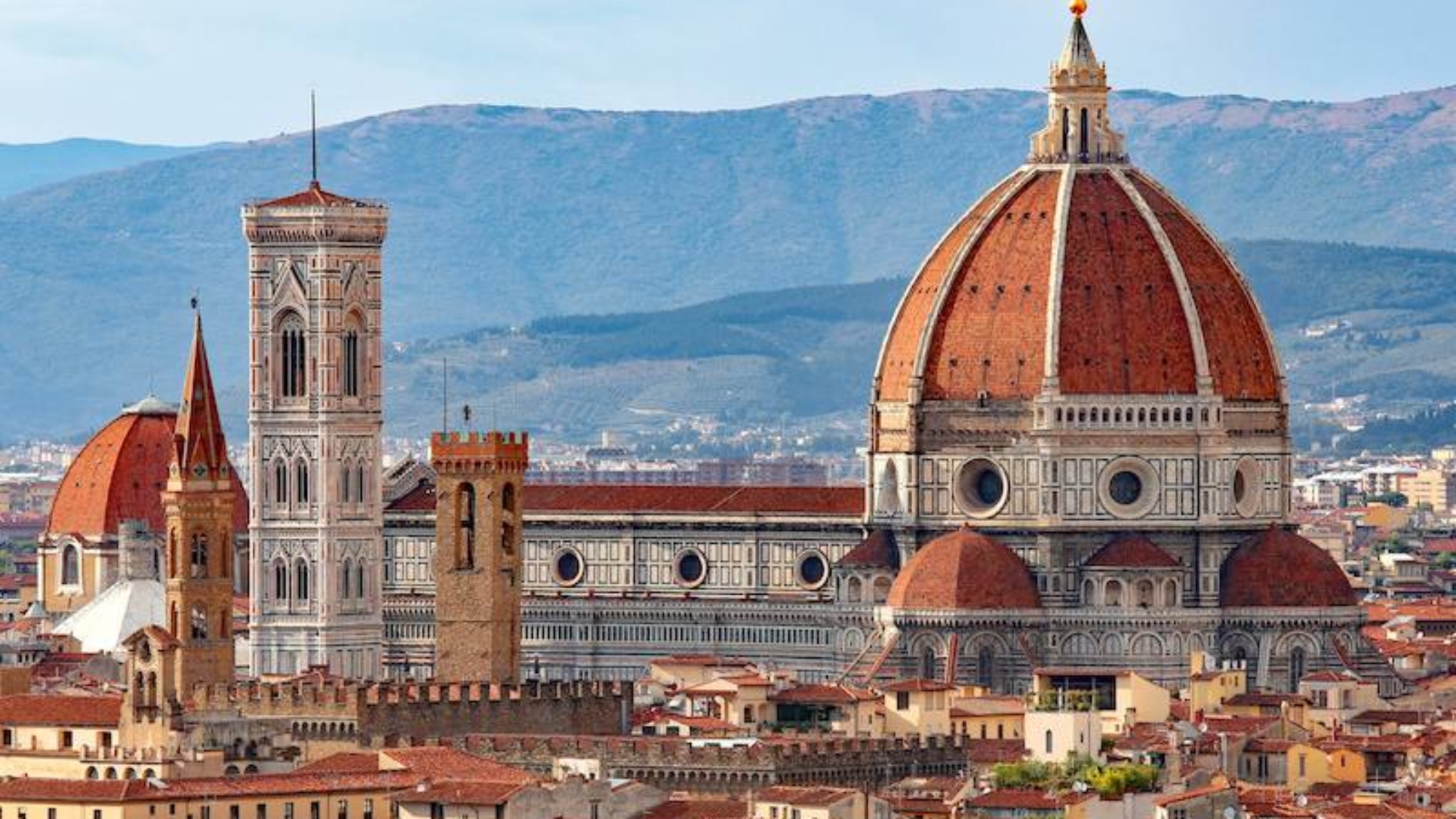
The Brunelleschi’s Dome of the Florence Cathedral is one of the most magnificent architectural sites in Italy and the science behind this dome is to this day studied and admired by architects all over the world.

Let’s find out more about the Brunelleschi’s Dome:

At the beginning of the 15th century, the Florence Cathedral was almost finished, the only thing that was missing was its dome but no one knew how to actually build it without having the whole building fall.

Discover this architectural marvel with one of ours Florence Tours.

Problems to solve to build the Brunelleschi’s Dome

We must consider that the Duomo of Florence is a huge building, gigantic in the city: 153 meters long, designed to contain 30,000 people, is today the fifth largest church in Europe, after the Basilica of Saint Peter in Rome, the Basilica of Saint Paul in London, Seville Cathedral and Milan Cathedral. The diameter of the dome is large, alone, 43 meters towards the inside (the total diameter is 54.8 meters): a real crater that opened on the roof of the Duomo at a height of about 60 meters and that, somehow, had to be covered.

In 1418 the city of Florence decided to announce a competition for architects; the first one that could come up with the right idea, could build his project and win 200 gold florins.

A couple of years after the beginning of the competition, Filippo Brunelleschi’s revolutionary project was accepted and he was given the commission of the construction of the dome alongside his longtime rival Lorenzo Ghiberti, who would take on the role of co-superintendent.

What’s surprising about this dome is that it was built without scaffolding because the dome was too wide and tall and there were not enough materials to build a structure.

Brunelleschi chose to build this dome in a way that it would support itself progressively with every brick placed. Another fascinating aspect about the Cupola is that at the time there were no lifting machines to bring the materials needed so high off the ground. To solve this problem, Brunelleschi built a three-speed hoist thanks to which he could lift heavy materials by turning a tiller.

Curiosity about the Cupola

  • Incredible but true, Brunelleschi had built nothing before the dome
  • Once the construction site was completed, an unwritten law forced the Florentine architects to build buildings that did not exceed the height of Brunelleschi’s dome.
  • At the end of the dome the lantern was built, again to a design by Brunelleschi, starting from 31 December 1436. The famous architect died in 1446 without seeing the works completed. In 1601, the golden sphere collapsed, causing extensive damage to the dome and the buildings bordering the cathedral.

To build this dome, Brunelleschi surely proved to the world that he was a revolutionary architect and managed to overcome every challenge that came along the way!

Book a tour with us to find out more about the amazing Brunelleschi Dome and the city of Florence!