
gelato-pexels

A guide to Rome’s best gelato shops

As the days get warmer, enjoying a gelato whilst walking through the streets of Rome starts to feel like a must but, with the number of gelato shops that the Eternal City counts, sometimes it’s hard to choose where to go to have the best gelato.

If that’s the case, fear not! We’re here to help with our guide to Rome’s best gelato shops!

Interested in discovering food traditions in Rome? Try out our Private Market Tour of Rome

Pico Gelato

With its many shops located all through Rome in Piazza Bologna, Parioli, Flaminio, Balduina and Lanciani, Pico Gelato is one of the best gelato shops in Rome. With their quality and natural ingredients, changing from season to season, Pico Gelato counts endless flavors and we highly suggest you try its pistacchio salato, stracciatella and zabaione. In this gelato shop, you will also be able to find seasonal leavened cakes such as Panettone and Pandoro around Christmas and the infamous Colomba around Easter!

Giuffrè

Located in Trastevere and in Colli Portuensi, Giuffrè is a gelato shop and a traditional pasticceria. With its fresh gelato that you can find in many particular flavors such as chocolate salted caramel with peanuts, coffee powder, gianduia and salted biscuits, nuts and lemon zest and also more common flavors like chocolate, stracciatella and many more, this gelato shop is also lactose-intolerant friendly!

We highly suggest you try their cones filled with chocolate!

Gunther Gelato italiano

Founded by Günther Rohregger, a ski teacher who chose to become a ‘gelataio’ when he moved from Bolzano to Rome in 2012, Günther Gelato Italiano is one of the best gelato shops in Rome! The flavors that this gelateria offers change from season to season according to the availability of the products used but the most particular aspect about this place is that they use Acqua Plose, imported from the Dolomiti, to prepare fruit-based gelato.

If you’re planning on getting a gelato here, we recommend you try the flavors Gianduiotto Torinese, Cioccolato e gorgonzola and Pino Mugo.

Palazzo del freddo Fassi

Palazzo del Freddo Fassi is a historical gelato shop, first founded in 1880 and that is, to this day, a landmark for gelato lovers. This shop saw five different generations of artisans and, apart from its gelato, it’s quite popular for its parfaits and semi-freddi. We strongly suggest you try their chocolate and pistachio cones and their traditional flavors like crema, stracciatella, vanilla, cassata and many more!

Il Capriccio di Carla

Founded in 2009, Il Capriccio di Carla is a gelato shop that offers great quality, natural gelato that is lactose and gluten-free. It’s a family business that curates every aspect of the making of this creamy gelato, starting from the search for the best ingredients to the actual making of the gelato. We recommend you try their white coconut chocolate, apple kiwi and ginger, ricotta and pere and their Parrozzo d’Abruzzo.

Conclusion

You’re probably already feeling hungry for some traditional Roman gelato… we hope this guide was helpful and that you enjoy this fresh and delicious dessert!
scala-contarini-del-bovolo-venice

Discovering Scala Contarini del Bovolo: an hidden gem of Venice

The city of Venice is filled with great spots that are quite popular amongst tourists such as St. Mark’s Square, Ponte di Rialto, St. Mark’s Basilica, The Doge’s Palace and many more, but luckily it doesn’t end there. Venice is, in fact, filled with many great monuments and hidden beauties that are just as worth your attention and you can discover with one of our Private Venice Tours.

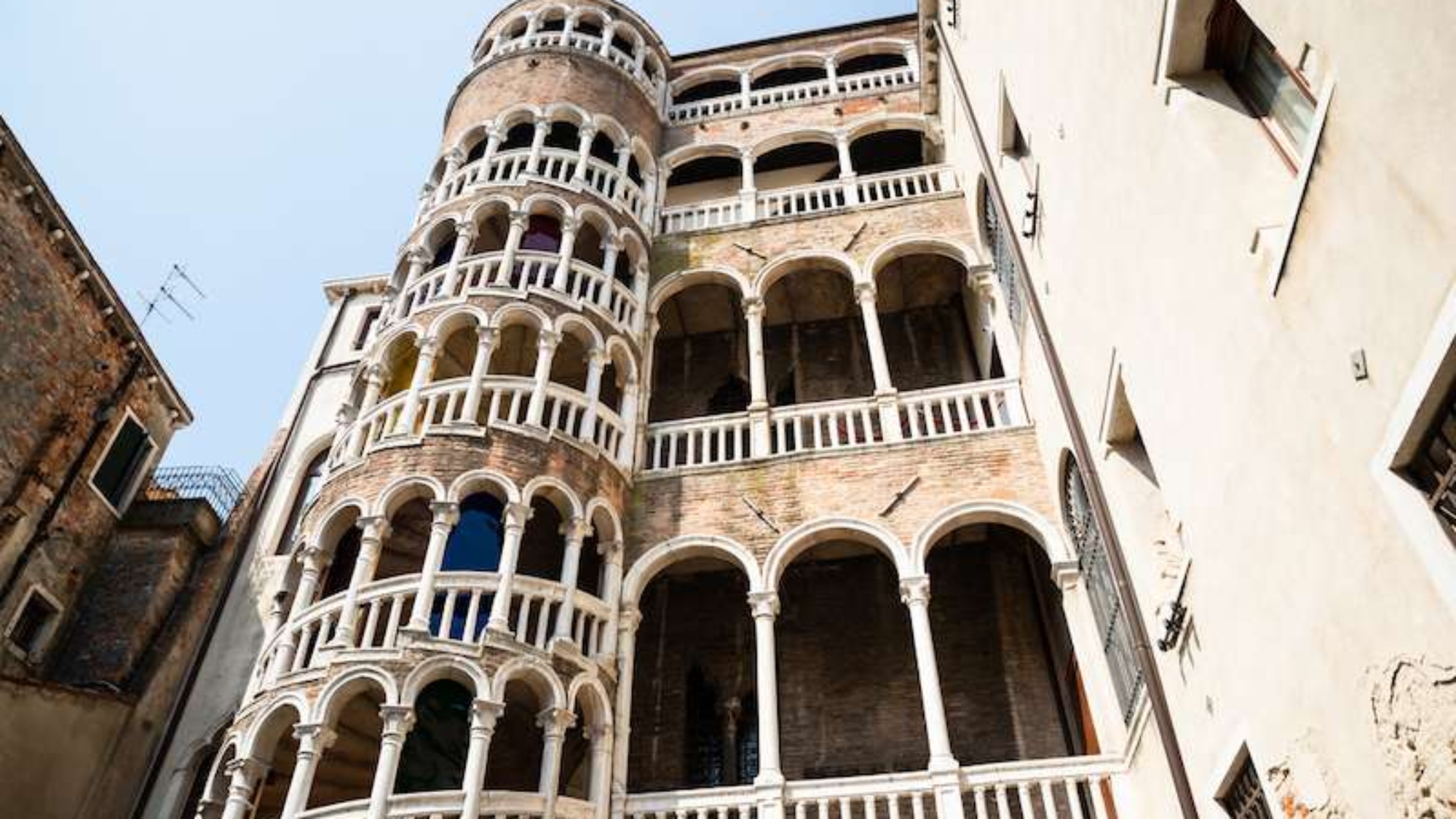
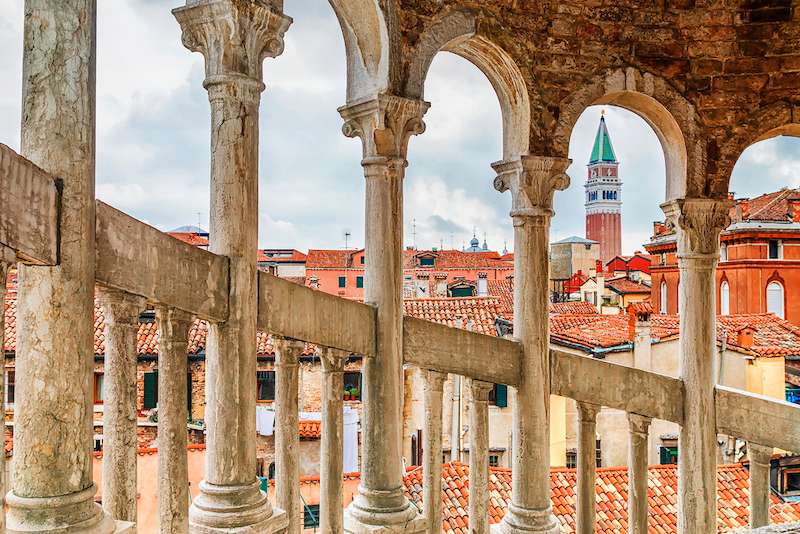
Today we’re here to talk about Scala Contarini del Bovolo, the most prestigious spiral staircase in Venice.

Let’s explore the history and beauty of this staircase!

The history of Scala Contarini del Bovolo

Designed and built by architect Giovanni Candi, Palazzo del Bovolo was created as the residence of the Contarini Family in the XV century. The construction of the spiral staircase, which has now become one of the most beloved parts of this palace, is attributed to Giorgio Spavento who apparently added it in 1499.

This staircase was closed to the public up until February 2016 when, after some restoration work started in August 2015, it became open to visitors.

Tips for visiting Palazzo del Bovolo and its Spiral Staircase

If you’re thinking of visiting Palazzo Contarini del Bovolo and its spiral staircase, here’s some useful information to make sure your visit goes smoothly.

Palazzo del Bovolo is located in Campo Manin, in San Marco and it’s only accessible if you book tickets online. Make sure to do so since only a small group of people is allowed to enter the building every half hour! If you want to avoid mix-ups and want to have a relaxing experience, we suggest you book a private tour with us through our website!

Tickets go from 8€ for adults. Tickets for people from 12 to 26 years and 65+ are 6€ and children up to 12 years can get in for free. Palazzo Bovolo is open from 10:00 am to 6:00 pm every day!

Facts about Palazzo del Bovolo

Scala Contarini del Bovolo, the spiral staircase connected to Palazzo Bovolo is 28 meters high and it contains 80 red bricks and white stone steps. This staircase is located right in the middle of Rialto, Venice’s economic center and St. Mark’s Square.

The palace used to be the property of Domenico Emery in the XIX century and he transformed it into a residence for guests. One of the guests of this palace was Ernst Wilhelm Tempel, who made very important astral discoveries by observing stars from the top of the staircase and palace. This is part of the reason why this staircase got so popular over time.

Scala Contarini del Bovolo in movies

Palazzo del Bovolo and its infamous spiral staircase were featured in Orson Welles’ (an American director) adaptation of Shakespeare’s Otello in 1952. This palace was used as one of the main locations, representing Barbantio’s home.

Conclusion

Discovering the city of Venice surely is an amazing experience that needs to be done at least once in a lifetime! Always remember that there’s a lot more to every city than just the main tourist attractions and the Scala Contarini del Bovolo is a great example of this! If you want to get to know more about the city of Venice, make sure to check out our other blogs!

panoramic-view-rome

Stunning Instagram spots to capture the Eternal City

The Eternal City of Rome is filled with history and beauty everywhere you go. With its main tourist attractions like the Colosseum, the Pantheon, the Trevi Fountain and many more, it may seem easy to lay down a list of the top Instagram spots in Rome. But what if we told you there’s a lot more beauty in this wonderful city that deserves to be explored?

Let’s find out some of the best Instagram spots in Rome!

Spanish Steps

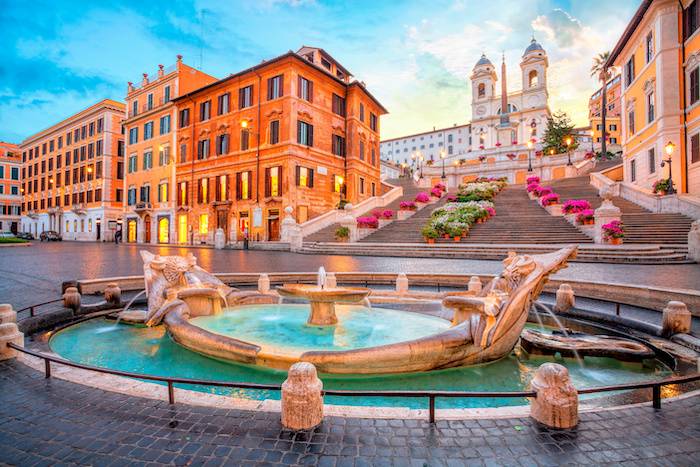
Located in Piazza di Spagna in Rome, Scalinata della Trinità dei Monti, commonly known as the Spanish Steps, is a popular tourist attraction in Rome. They were built between 1723 and 1726 in Rococo style, with a beautiful Egyptian Obelisk at the top and the amazing Fontana della Barcaccia. This fountain was designed by Pietro Bernini, father of the infamous Gian Lorenzo Bernini, to commemorate the flooding of the river Tiber in 1598 which saw a stranded boat in this location.

With over 135 steps, the Spanish Steps are also frequently decorated, mainly around Christmas and late in April, when the city of Rome celebrates its anniversary. The steps are filled with azalea flowers and, apart from offering an amazing view from the top, they become a very aesthetic place for your next Instagram post!

Arch of Constantine

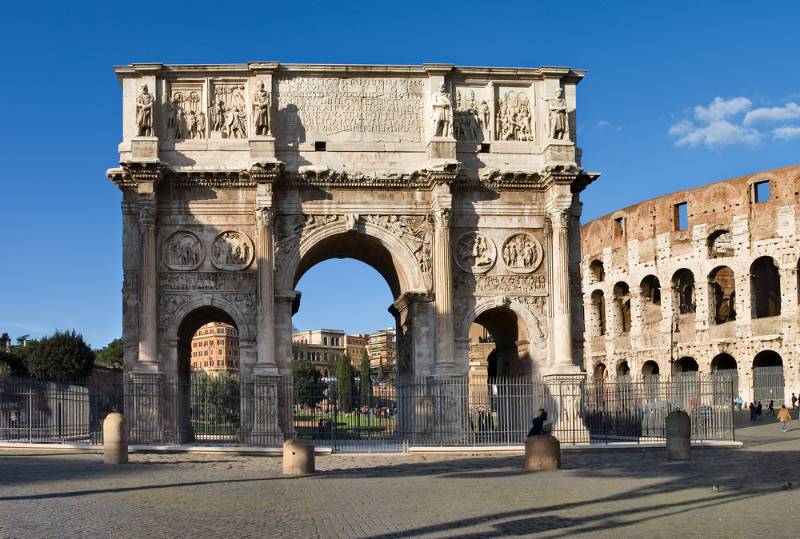
Located right next to the Colosseum, the Arch of Constantine is a triumphal arch built in honor of the victory of Constantine the Great over Marcus Aurelius. This arch is approximately 25 meters wide, 7 meters deep and 20 meters high and it’s formed by three ports. It’s decorated with bas-reliefs depicting important Roman battles and it also presents sculptures of the heads of the Emperors that came before Constantine that were, according to legend, remodeled to match Emperor Constantine’s taste.

Being one of the most prestigious monuments in Rome, it’s definitely a great location for your next post!

Villa Borghese

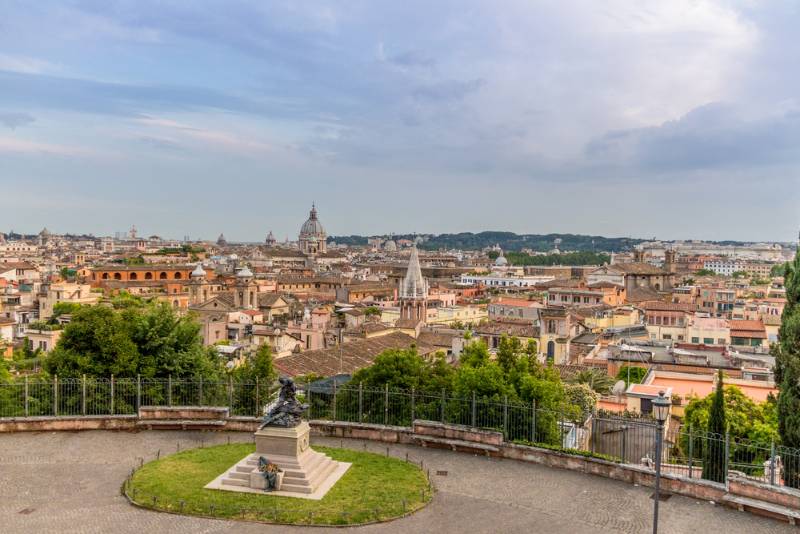
Being the third largest park in the city of Rome, Villa Borghese is one of the best locations to take aesthetic pictures. Designed in the English style, this park overlooks the infamous Piazza del Popolo and it’s filled with great museums, fountains, statues and nature. Another interesting aspect of Villa Borghese is the Pincio Terrace. With its breathtaking view, it’s an ideal spot to take stunning pictures and also watch the sun setting over Rome.

Its natural beauty and elevated position will give you the chance to take some of your best photos for sure!

Trastevere District

If you’re looking to take some aesthetic pictures just like a local, the Trastevere District may be what you’re searching for. With its many restaurants and bars with outdoor tables, cobbled roads and small streets surrounded by beautiful buildings, this neighborhood is perfect for a photoshoot! The presence of many restaurants is also great so that you can grab a bite after a long day of taking photos!

The main tourist attractions

Even though they’re usually quite crowded, we suggest you don’t overlook the main tourist attractions like the Colosseum, the Trevi Fountain, the Pantheon, St. Peter’s Square and Piazza del Popolo. These places surely are busier than the ones previously mentioned but this shouldn’t stop you from taking pictures since they’re just as worth it!

Conclusion

Every corner of the city of Rome can feel like a piece of Heaven and we can almost certainly say that no matter where you take pictures, they’re most likely going to be great! If you want to get to know more about the city of Rome and Italy in general, make sure to check out our other blogs!

shopping-street-florence

A guide to some of the best shopping streets in Florence

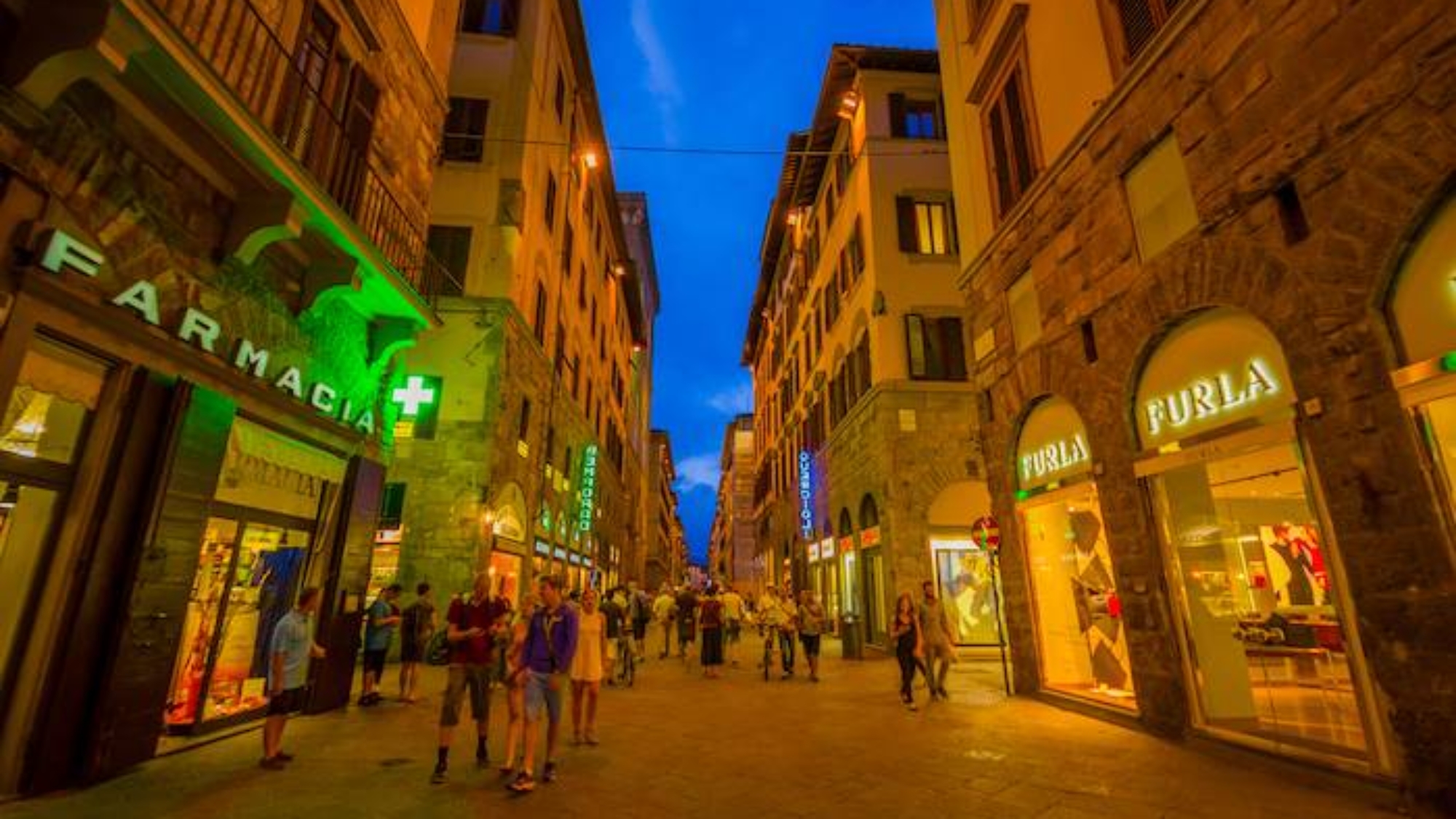
The city of Florence has always had a worldwide impact on art and architecture, check our Wonders of Florence Tour, but there’s no denying that this city has always had a big influence on fashion. If you’re looking for places to do some shopping in Italy, Firenze surely is a great place to start. If you’re not sure where to go, fear not!

Here’s our guide to some of the best shopping streets in Florence!

Via del Corso: the ultimate shopping destination

Let’s start with the most obvious shopping street: Via del Corso. This street has pretty much everything you can imagine, if not more.

Via Del Corso, commonly known as just “Il Corso”, is located between via dei Calzaiuoli and via del Proconsolo and it’s filled with many different shops that are luckily alright for every kind of budget.

A boutique we highly suggest you go to is Piero Puliti. It’s an artisan shop specialized in men’s ties and shirts made of the finest Italian materials.

If you’re planning on going shopping in Via del Corso, make sure to avoid reaching this street from Piazza della Repubblica since it’s always quite crowded with locals running errands!

San Lorenzo Market: a bargain hunter’s paradise

Located in the streets connected to San Lorenzo Square, San Lorenzo Market is a particular flea market where you’ll be able to find many different quality pieces of clothing for very cheap prices! It’s also a great place to buy nice souvenirs for yourself and your loved ones.

Make sure to keep in mind that San Lorenzo Market is only open from Tuesdays to Saturdays from 9 am to 7 pm!

Via dei Serragli: discover Florence’s artisan shops

Located over the infamous river Arno, in the Oltrarno district, via dei Serragli is mainly popular for its artisan shops. Starting from vintage clothes, and leather goods and getting to jewels and homeware, you will surely find everything you need. Here’s a list of some of the shops we suggest you go to if you’re in via dei Serragli:

  • QUOIO: a shop that mostly sells leather goods;
  • FRAME: clothing shop;
  • REINHARD PLANK: shoes and hats shop;
  • NOKIKE ATELIER: jewelry shop;

Via della Vigna Nuova: fashion and homeware

An extension of Via de’ Tornabuoni, Via della Vigna Nuova is a particular shopping street that is mainly focused on clothing and leather stores but, truth is, you’ll also be able to find homewares and handmade accessories if you go to the right shops. Here are some shops you should go to:

  • BENHEART: shop that sells clothing and leather goods;
  • MARIO LUCA GIUSTI: selling homeware, acrylic glasses and plates;
  • MUY MUCHO: mainly selling homeware;
  • BUTI BAGS: selling bags and accessories;

Conclusion

So, if you’re planning on doing some shopping whilst you’re in Florence, you will definitely not run out of places to go! If you want to get to know more about the city of Florence and Italy in general, make sure you check out our other blogs!

romantic-venice

Fall in Love with Venice: a Guide to the city’s most romantic spots and activities

The city of Venice is filled with many great things to do and see that sometimes it can be hard to lay down a list of monuments and sites for your itinerary.

If you’re planning a visit to Venice to have a romantic getaway to Venice in Italy with your partner and are looking for ways to spend your days together, let us help you!

Here’s a list of the most romantic things to do in Venice!

Take a tour of Venice by Gondola

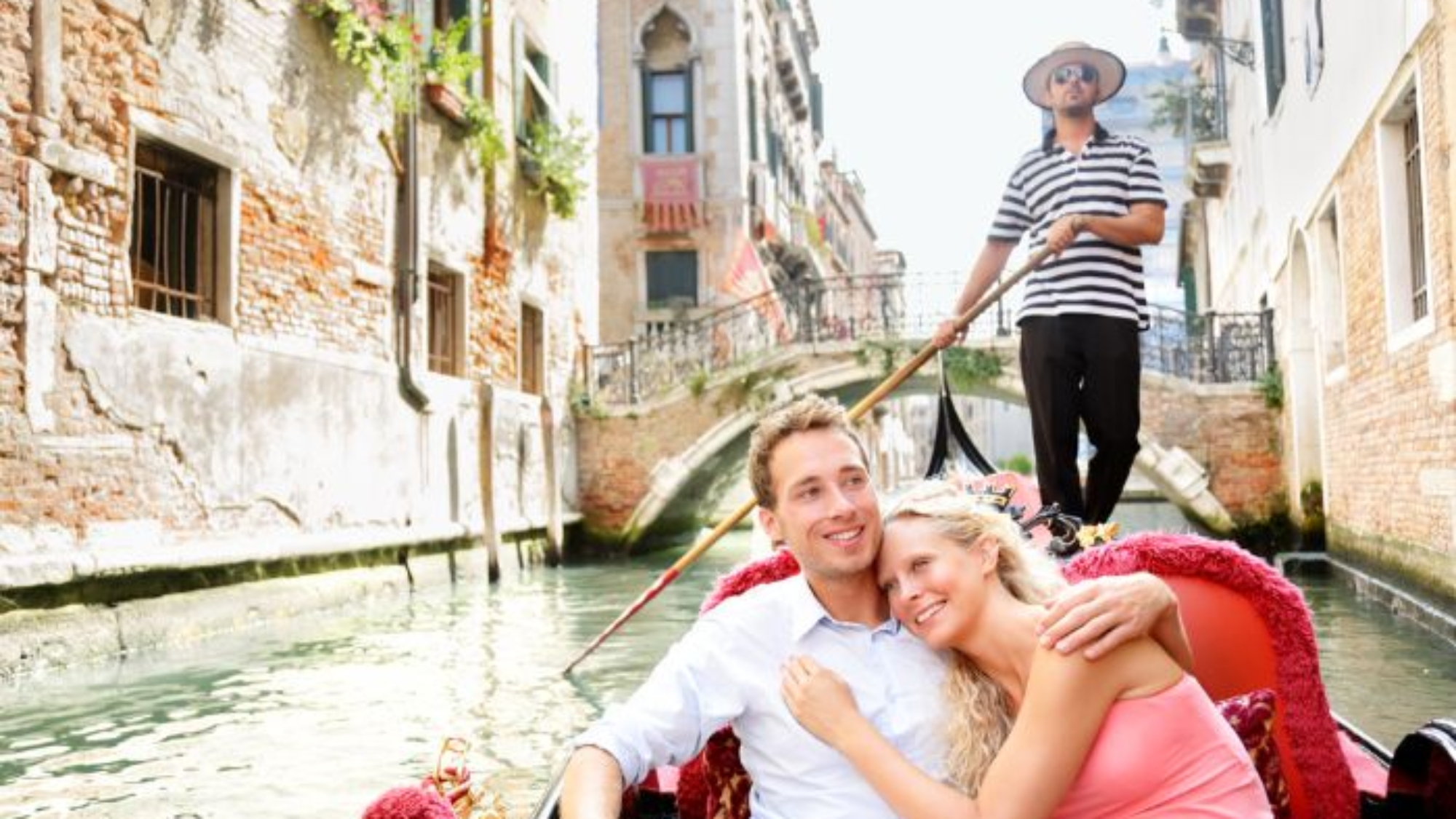
The first thing that comes to mind when searching for romantic activities to do in Venice is definitely a gondola tour of the city. Wandering through Canal Grande and exploring this magical city with a gondolier who will be able to give you insights into how this fascinating boat works and how one person can manage to lead it will surely make for an unforgettable experience for you and your partner.

It’s a little pricey but it’s definitely something to do at least once in a lifetime!

Kiss on top of the San Giorgio Campanile

Even though the San Marco Campanile is the most popular bell tower and is considered to be the best place to get a great view of the city of Venice, San Giorgio Campanile is actually better! Its location allows you to admire many different monuments such as the Doge’s Palace, Punta della Dogana, San Marco Campanile, and the islands surrounding the city.

You will be able to find San Giorgio Campanile on the San Giorgio Maggiore Island, reachable from a Vaporetto.

Go to the Opera at Teatro la Fenice

One of the most romantic things to do in Italy in general is definitely going to the Opera. In Venice, in particular, Teatro La Fenice is the perfect spot to relax and enjoy a magical show and the beauty of this Opera House, decorated with amazing frescoes and gold balconies.

The Opera House Teatro La Fenice is located in San Marco so it will be very easy to find!

Enjoy a meal at a Romantic Restaurant in Venice

Food is a core element of Italian culture and the city of Venice is definitely no exception! Having dinner in a beautiful restaurant in the city is the perfect way to celebrate your love. Here’s a list of some romantic restaurants located in Venice:

  • TERRAZZA SOMMARIVA: this restaurant offers a great choice of traditional meals mixed with fresh and original ideas and it gives you the chance to dine on an amazing, decorated terrace;
  • LA ZUCCA: located in Piazza San Giacomo, La Zucca is a warm and familiar place to have a great dinner with your partner and still feel at home;
  • TERRAZZA DANIELI: Terrazza Danieli is one of the most romantic places to dine in Venice. With its stunning Terrace overlooking Canal Grande and its sublime food, it’s definitely a must;

Conclusion

So, the city of Venice surely is filled with romantic activities that you will be able to do with your partner! If you want to get to know more about Venice and Italy and wish to fully immerse yourself in Venetian culture, make sure to book a tour with us!

san-pietro-in-vincoli-rome

San Pietro in Vincoli: an architectural marvel in the heart of Rome

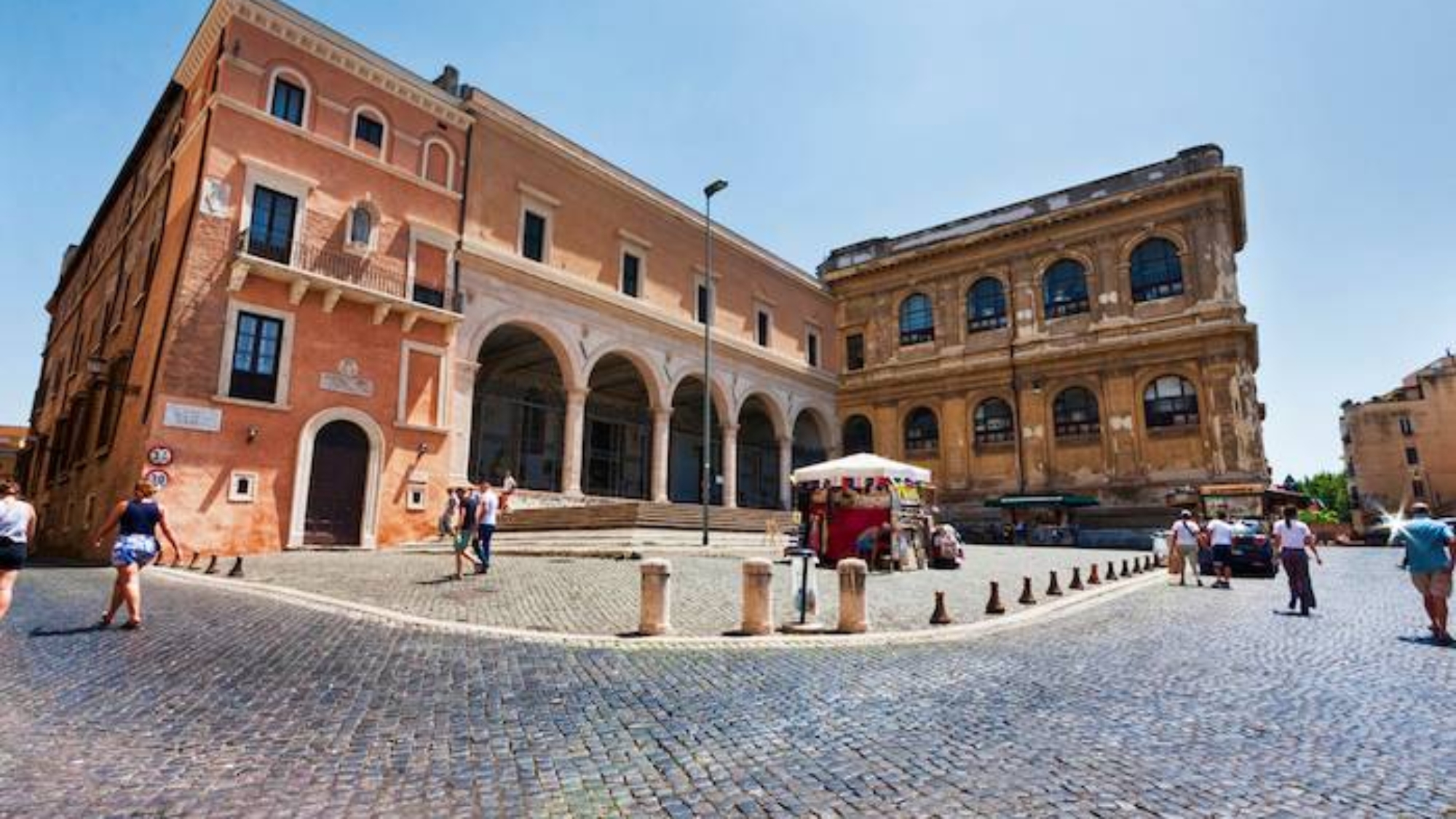
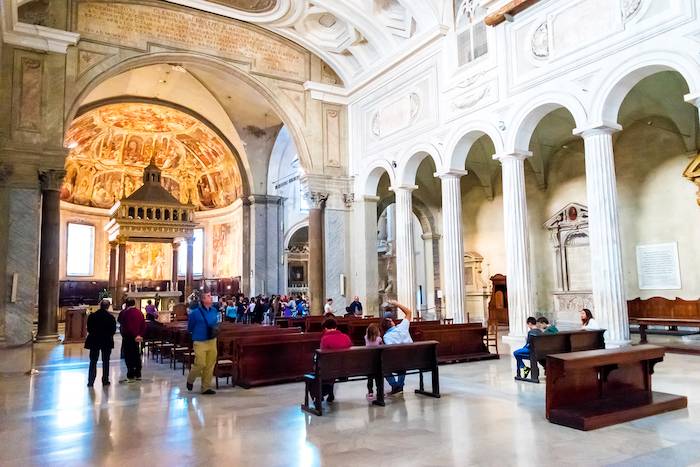
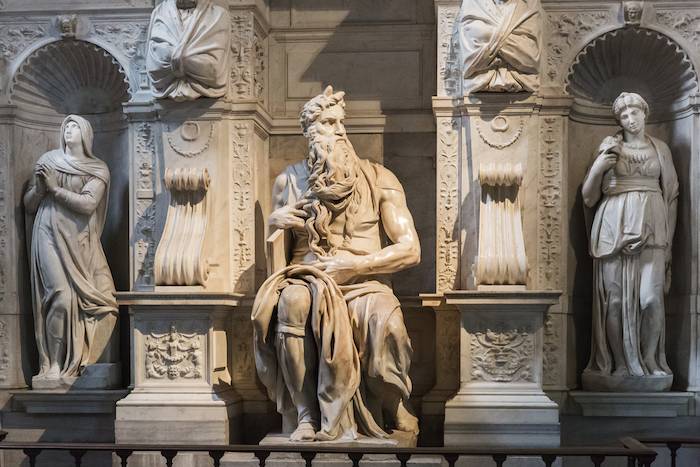
Located in the heart of Rome, San Pietro in Vincoli is a minor basilica known for housing the mausoleum of Pope Julius II with the Statue of Moses by Michelangelo. Because of this, this Church is beloved by citizens of the city of Rome for both its artistic and religious importance.

If you are interested in the history of Christian Rome, don’t miss out our Tour of Christian Rome.

Now let’s find out some more about San Pietro in Vincoli!

History of San Pietro in Vincoli: from its construction to restoration works

The San Pietro in Vincoli basilica was built in 432 by Licinia Eudoxia, wife of Emperor Valentinian III. The chains of this church were given to Pope Leo I and they’re now in a reliquary in the Basilica. The Basilica was consecrated in 439 by Pope Sixtus III and, since then, it underwent a lot of restoration works, the last one being in 1875. Some of the people that contributed to the maintenance and redesign of this Church are Cardinal Della Rovere, Baccio Pontelli (who worked on the front portico), Giuliano da Sangallo (who worked on the walkway), and Francesco Fontana.

Inside San Pietro in Vincoli: awe-inspiring frescoes and artworks

The most interesting aspect of this Church surely resides in its interior. It consists of two aisles and a nave surrounded by Doric white columns and a coffered ceiling.

One of the most beautiful things about San Pietro in Vincoli definitely is its frescoes, mainly the one located in the center, made by Giovanni Battista Parodi figuring the Miracle of The Chains where Pope Alexander manages to heal the neck of Saint Balbina with the chains that used to hold St. Peter.

Here’s a list of other works of art you will be able to find inside San Pietro in Vincoli Basilica:

  • Saint Augustine by Guercino;
  • St. Margaret by Guercino;
  • the Deposition by Cristoforo Roncalli;
  • the relief Cardinal Nicholas before St. Peter by Andrea Bregno;
  • the monument of Cardinal Girolamo Agucchi by Domenichino;

Apart from housing the tomb of Pope Julius II, San Pietro in Vincoli also houses the tombs of:

  • Antonio del Pollaiuolo, the artist who sculpted the Romulus and Remus that were added to the sculpture of the Capitoline Wolf;
  • Cardinal Cinzio Aldobrandini, designed by architect Carlo Francesco Bizzaccheri;

The Statue of Moses: a masterpiece by Michelangelo in San Pietro in Vincoli

As mentioned before, San Pietro in Vincoli houses the tomb of Pope Julius II where you will be able to find the statue of Moses by Michelangelo. It was commissioned by Pope Julius II himself and it figures the biblical character Moses based on chapter 34 of Exodus in the Vulgate which was the Latin translation of the Bible.

The most interesting aspect of this statue is the fact that Moses is represented with two horns on his head. The reason behind his appearance is that it’s specifically said in verses 29, 30 and 35 of Exodus chapter 34 that Moses’ face is “cornuta” which means “horned”.

Visit San Pietro in Vincoli: a must-see Basilica in Rome

The city of Rome is filled with great monuments, art and Churches and San Pietro in Vincoli Basilica should definitely be part of your itinerary when visiting the Eternal City. If you want to get lost in the beauty and history of this Church, make sure to book a tour with us for the best experience possible!

chianti-italy

Day Trips from Florence: The Best Places to Visit Outside the City

The city of Florence is filled with a lot of history, art and monuments and it’s definitely a place to visit at least once in life. The region of Tuscany is filled with a lot of great beauty outside Florence as well and, mostly if you’re coming from the other side of the world, it would be a waste not to explore this amazing region.

Here’s a list of places just outside of Florence that you can take a day trip from Florence to when you’re done visiting the city!

Siena

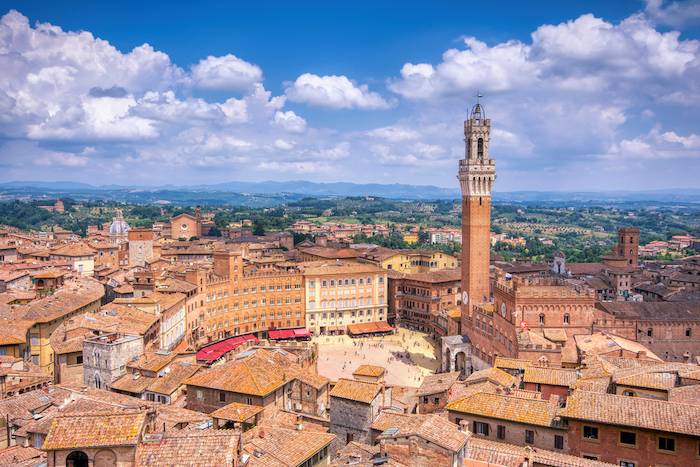
Just an hour’s drive from Florence, the city of Siena feels like an open-air Gothic Museum. Filled with monuments, architectural masterpieces and plenty of art, Siena is perfect for a day of exploration. Amongst the things that we suggest you visit, there’s obviously the Duomo. It was built over the XIII and XIV century by architects and artists Giovanni Pisano, Nicola Pisano, and Pinturicchio (who painted the beautiful frescoes you will be able to find in this church) and a lot of amazing sculptures by artists like Michelangelo, Donatello and Gian Lorenzo Bernini.

Another thing we suggest you go visit in Siena is Piazza del Campo. This square, commonly known as “Il Campo” is a great place to relax with friends and enjoy a coffee or an aperitivo.

Pisa

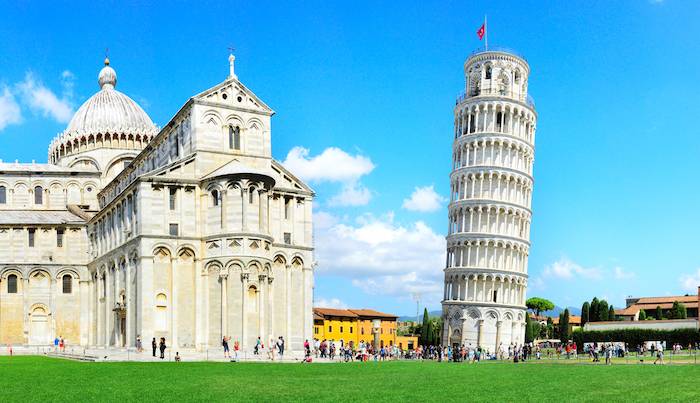
Mainly known for its Leaning Tower, the city of Pisa actually houses a lot of great treasures that make it worth a visit. It’s only an hour’s train ride away from Florence or if you prefer going by car, a 90-minute journey. Apart from going to see the Leaning Tower in Piazza dei Miracoli, usually very crowded because of tourists, we suggest you go take a romantic walk along the Arno River or go to the city walls to visit Pisa’s medieval side.

Lucca

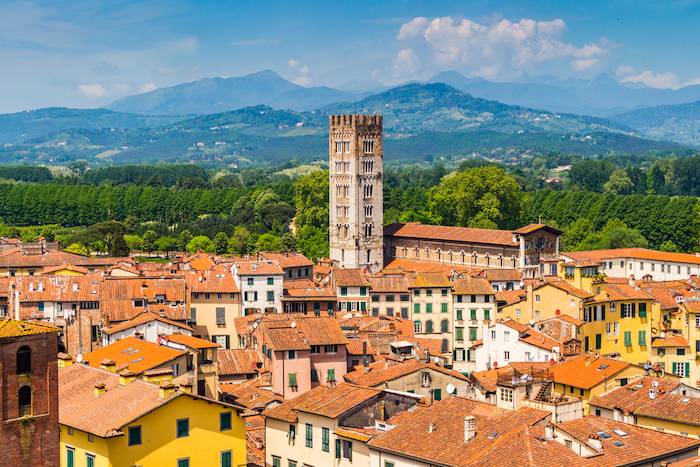
Another destination you should consider for a day trip is Lucca. It’s commonly known for its traditional food and olive oil so make sure to head out to a restaurant or a bar for a meal to fully immerse yourself in the culture of Tuscany. Lucca is only a one-hour drive away from Florence and with its squares, cobblestone streets and Renaissance walls, it’s the perfect city to explore by foot with your loved ones!

Chianti

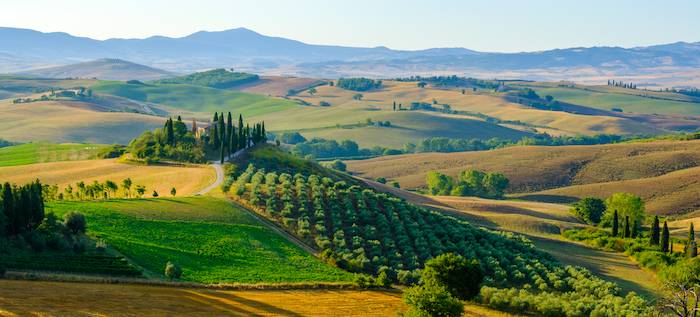
If you enjoy wine and vineyards and want to get to know more about red wines like Chianti or Chianti Classico, you definitely can’t miss out on visiting Chianti. With its beautiful landscapes filled with not only vineyards but also farmhouses, olive groves and Middle Age or Renaissance villas and castles, it’s the perfect place to have a different and explorative day. Chianti is only an hour away from Florence and you can also get there by bus.

Conclusions

Tuscany’s beautiful city and landscapes deserve to be explored and visited at least once in a lifetime and we hope we awakened the desire to visit Tuscany in you! If you want to get to know more about Florence and Italy, make sure to check out our website for other blogs!

supplì-streed-food-rome

The Supplì: a taste of Rome’s culinary history with the king of street food

Italy’s definitely famous worldwide for its food: pizza, all kinds of pasta and recipes that will blow your mind (and taste buds!), and Rome’s street food surely is no exception to the rule. Taking a walk through the Eternal City, we’re sure you’ll come across many different types of street food, for instance: Trapizzino, Pizza al Taglio, Fried Cod Fish, Tiramisu, Maritozzi and many more, but, the most popular one has got to be the Supplì!

If you are visiting Rome we surely recommend you to try the king of Roman street food.

Let’s find out something more about this amazing street food!

What is a Supplì

As mentioned before, Supplì is a particular street food that is typical in the city of Rome. It looks like a big fried meatball and it’s actually made of rice garnished with tomato sauce, and pecorino cheese. All of this is made into a ball that is passed in beaten egg and then in bread crumbs and eventually fried in hot oil.

This is not the only version you will be able to find it in though… Throughout the years, Romans had a lot of fun experimenting with different recipes and condiments, one of the most popular ones being the “supplì al telefono” (supplì on the phone). The reason behind this name is that in this supplì Romans add mozzarella cheese and, when eaten warm by breaking it in half, the melted cheese becomes stringy, making it look like a telephone cable!

Here are some other supplì kinds that you may want to try when you’re in Rome:

  • Supplì carbonara: made with rice and a cream of egg yolks, pecorino, black pepper and guanciale;
  • Supplì cacio e pepe: made with rice and cream of pecorino cheese and black pepper;
  • Supplì prosciutto e fichi: made with rice, cured ham, guanciale, onion, figs and black pepper;
  • Supplì scarola e alici: made with rice, escarole, olives, capers, anchovies and fiordilatte mozzarella cheese;
  • Supplì alla parmigiana: made with rice, tomato sauce, mozzarella, parmesan and fried eggplants;

The origin of the word “Supplì”

The name “Supplì” is believed to derive from the italianization of the French word “surprise”. This happened because apparently a French soldier, after trying this delicious street food, said that the mozzarella inside was truly a surprise which later on led to the word “supplì”.

Where to eat the best Supplì in Rome

We’re sure you’re already starting to feel hungry for a supplì so here’s a list of some of the best places where you can get one in Rome:

  • SUPPLIZIO (Trastevere);
  • LA CASA DEL SUPPLÌ (San Giovanni);
  • SBANCO (Appio-Latino);
  • SANCHO (Fiumicino);

And more generally, if you just walk through the streets of Rome and see a rosticceria or pizzeria, they will most likely serve you a supplì!

Differences between Supplì and Arancino

Supplì is also quite similar to the Sicilian street food called “arancino” but, even though they may look alike, they’re actually a lot different! Let’s find out why!

The main difference between supplì and arancino is the condiment, the classic version of the arancino is, in fact, made with meat ragù, peas and mozzarella. The supplì is made with simple tomato sauce, pecorino and mozzarella!

Make sure you don’t get them wrong as Italians tend to get quite offended when these sorts of things get mistaken!

Conclusion

So, if you’re planning a trip to Rome, make sure you squeeze the tasting of a Supplì into your sightseeing schedule… you surely won’t regret it!

San Giorgio Maggiore's Basilica Venice

Discover the beauty of San Giorgio Maggiore’s Basilica and Bell Tower in Venice

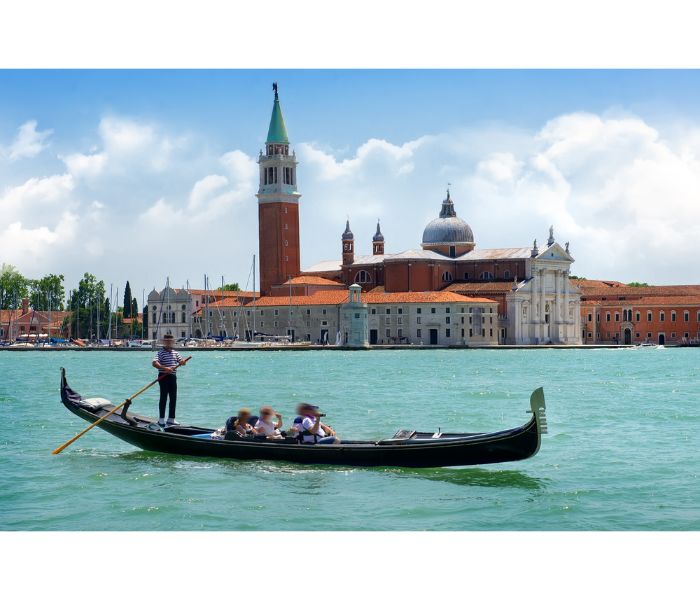
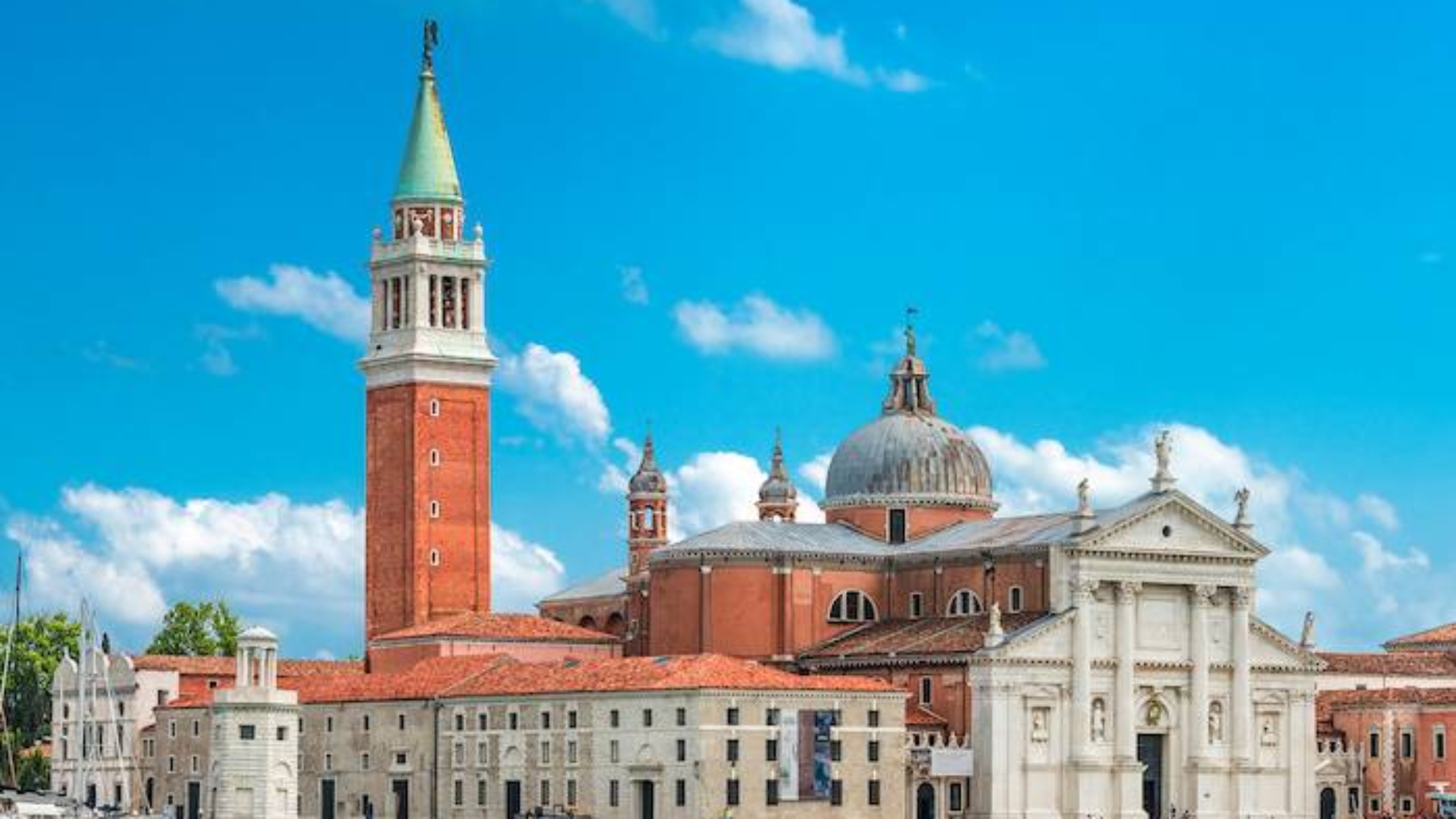
Located in front of St. Mark’s Square in Venice, the island of San Giorgio Maggiore houses the majestic Basilica di San Giorgio, a must-see tourist attraction when coming to Venice. With its beautiful and shiny white facade, designed by Andrea Palladio, the church situated on St. Mark’s Basin is built in a Renaissance style.

Let’s find out some more about the history of Basilica San Giorgio Maggiore and what we believe is the most interesting and beautiful part about it: its bell tower!

History of the Basilica

The first church that was ever built on the Island is not the one we see today. Created in 790 and commissioned by the Doge Tribuno Memmo, it was a Benedictine monastery for a while but it was later on destroyed by a big earthquake. It was then rebuilt but the monks were not fully satisfied with how the church was looking and how it had been positioned (it was, in fact, located a little more behind than nowadays). In 1560, when Andrea Palladio, a renaissance architect, arrived in Venice, the monks in Venice had just ordered the rebuilding of the refectory. Palladio made some adjustments to the project of the refectory and was later on asked to redesign the whole church.

The Church was only completed in 1610 and, unfortunately, Andrea Palladio was not there to see it because he died in 1580.

The bell tower of San Giorgio Maggiore Basilica, known in Italian as “Campanile”, was first built in 1467 but it fell in 1774. It was rebuilt only in 1791.

The panorama from the campanile

One of the most interesting aspects of San Giorgio Maggiore Basilica is the view from the bell tower, creating a magical atmosphere, especially at sunset. From the bell tower, you’re capable of see the whole city of Venice and its lagoon. Here’s a list of some of the things you will be able to spot from the Campanile San Giorgio Maggiore:

  • The Venetians prealps;
  • The international airport of Marco Polo;
  • the island of San Servolo;
  • almost all of Venice’s churches and bell towers;

Along with the bell tower of St. Mark, San Giorgio Maggiore is definitely worth a visit if you want to check out Venice from a height.

Some aspects that make San Giorgio Maggiore’s bell tower kind of better are that fewer people are visiting it, being less frequented by tourists, so the lines will be shorter and you will not have to squish into people to get a view of the city. The ticket to go up to Campanile San Giorgio is only 5€ so it’s definitely worth it!

Mentions of the Basilica

You may have heard of the Basilica of San Giorgio Maggiore before through movies or books… Here’s a list of the places the basilica was mentioned:

  • The book “Passaggio in India” by Edward Morgan Forster: is mentioned in the chapter “Sulla Bellezza” by the protagonist Cyril Fielding;
  • The manga “Le Bizzarre avventure di JoJo” by Hirohiko Araki: is mentioned because a scene takes place in the Campanile in the 516th chapter;

Conclusion

If you’re looking for a way to spend a day in Venice without being surrounded by many tourists, Basilica San Giorgio Maggiore and its bell tower are definitely what you’re looking for! If you want to get to know more about the city of Venice and generally about Italy, check out our blogs and book a Venice private tour with us for the best experience!

florence-view-pixabay

Explore the Fascinating History of The Burella Prisons in Florence, Italy

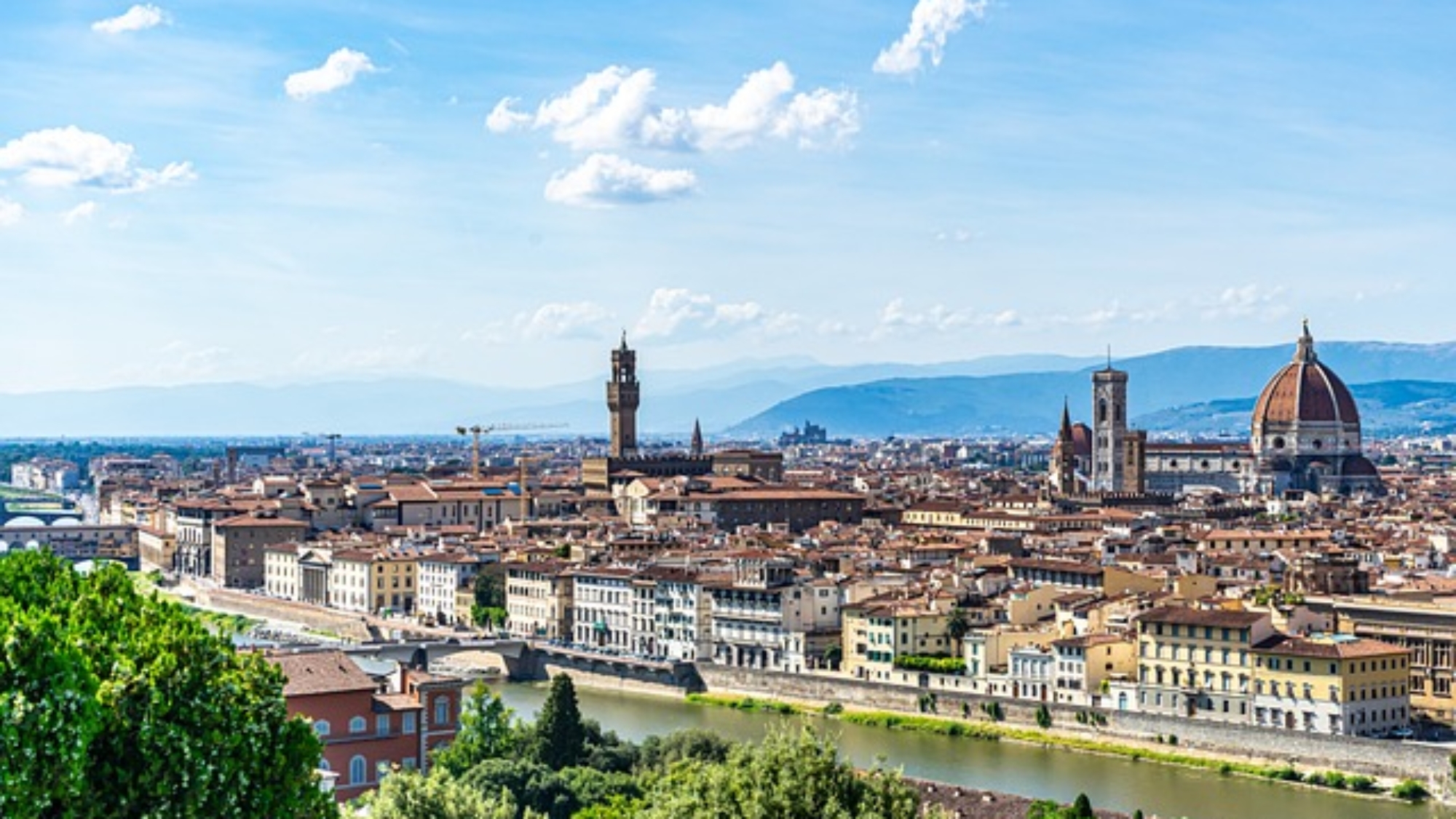
The city of Florence surely is filled with many historical aspects and monuments. Walking through this city feels like taking a journey back in time but there are some secrets about Firenze that sometimes not even Florentians are aware of!

Ready to feel like a local? Let’s start with a simple question: have you ever heard of “Burelle”? If the answer is no, fear not! We’re here to explain everything there is to know about them now!

What are “Burelle”?

The most ancient prisons of the city of Florence, where criminals were tortured and condemned, were called “Burella”. This word originates from Latin, meaning “darkness”, the word is, in fact, similar to the Italian “buio” (darkness). The reason behind this name is that these prisons were pitch black, no light was allowed to come from its walls and their hallways were humid and cold.

It was so terrifying that Dante mentions the Burella in the XXXIV Canto of the Divina Commedia: “natural burella/ch’avea mal suolo e di lume disagio” (“There where we were, but dungeon natural, With floor uneven and unease of light”).

What were Burelle used for throughout the centuries?

Burelle are surely packed with a lot of history. Having been around since Roman times, they were used for many different purposes from time to time.

Let’s explore some of the things they were used for throughout the centuries:

  • in Roman times they were used as training gyms for gladiators to practice. They would learn, thanks to the poor conditions that they would train in, to fight regardless of the circumstance. They were also used as cages for wild animals used for shows in amphitheaters;
  • In the Middle Age, Burelle were used as prisons for not only criminals but every kind of person that created problems for the main institution of the city of Florence. They held captive over 740 Ghibellines, captured in 1289 during the battle of Campaldino;

Visiting the Burelle

Visiting the underground part of Florence is an experience to try at least once in a lifetime. Since it’s quite hard to get the most out of it if you’re not prepared enough with their history and the Internet does not hold a lot of information about it, we strongly suggest you book a private tour to visit the Burelle. This way you will be capable of fully experiencing the history and events that happened in those places.

If you want to get to know more about Italy and the city of Florence, check out our blogs and book a Florence tour with us!