maxxi-museum-rome

MAXXI Museum Rome: a modern marvel of contemporary art

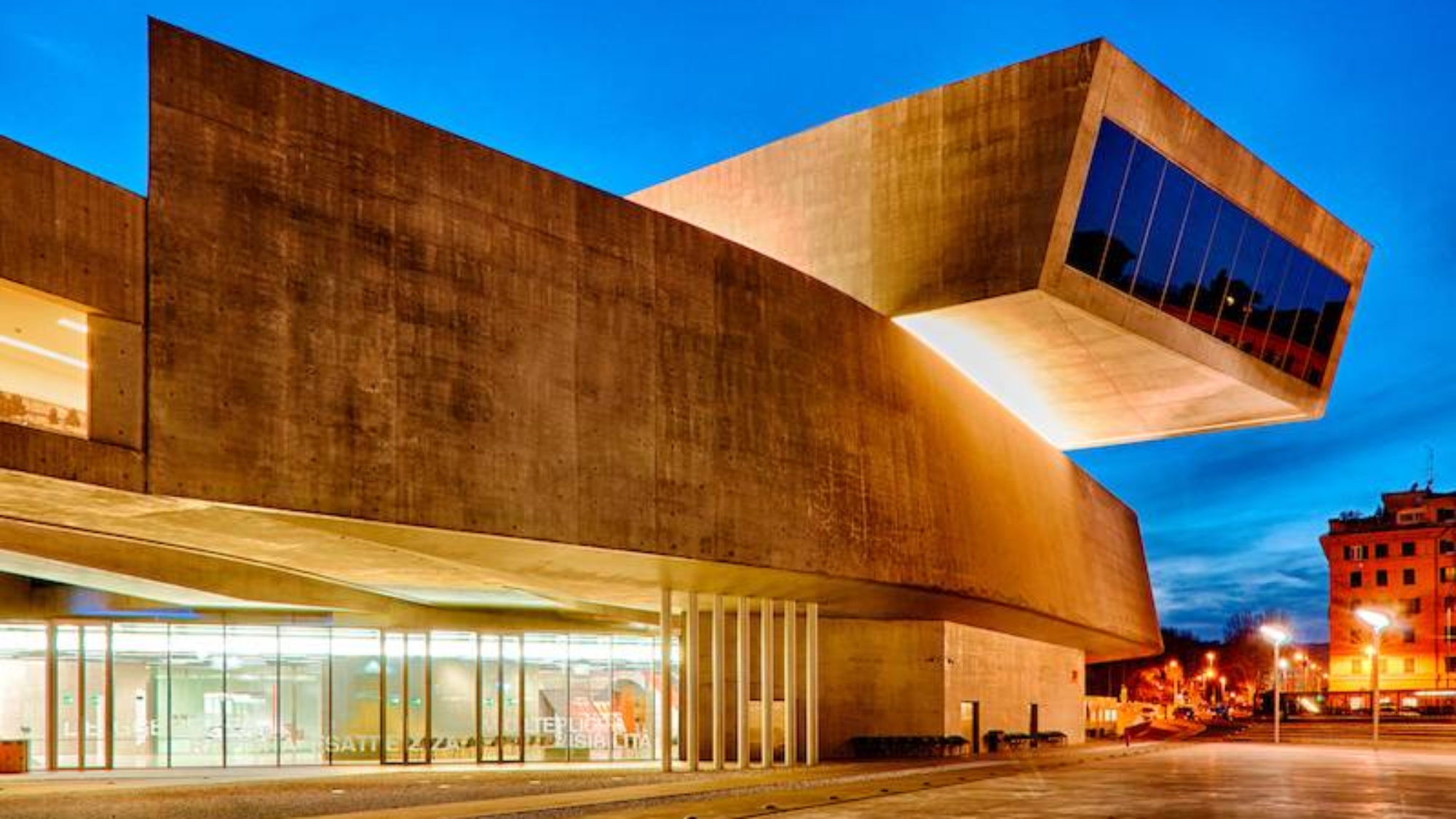
It’s no mystery that the city of Rome is filled with infinite historical art, architecture and general beauty but, if you think that’s all there is to the Eternal City, you’re really in the wrong! A big part of Rome’s cultural life is visiting museums and spending afternoons surrounded by art of all forms and that’s where the MAXXI Museum comes in! This Museum is known for hosting some of the best modern and contemporary art exhibitions and we’re sure it won’t disappoint!

Find out something more about the MAXXI Museums and why you should visit them during a visit of Rome!

The history of MAXXI Museum

The MAXXI Museum is quite modern. It was built in 2009, after the Italian Ministry for Cultural Heritage did a competition for the best design for a contemporary art Museum in 1998. The contest was won by Zaha Hadid, an Iraqi/British architect and designer. The MAXXI Museum was built in the same place where Caserma Montello, a military campus, used to be. It only opened in 2010, after 10 long years of construction!

MAXXI Museum: where modern art meets cutting-edge architecture

The MAXXI Museum is the first Italian Museum that focuses on modern and contemporary art rather than focusing on ancient works. Its name is the anagram of “Museo Nazionale delle Arti del XXI secolo” (the XXI century art National Museum). It’s property of the Italian Ministry for Culture but it’s managed by a private foundation that takes care of hosting the best exhibitions, creating an interactive space for the visitors of the Museum, and holding many conferences and events that keep people interested. The Museum also has an extension, called the MAXXI Architettura, which focuses on modern architecture.

Planning Your Visit to MAXXI: Location, Hours, and Tickets

If you’re thinking of visiting the Museum when you’re in Rome, know that even though it’s not located on a central street, it’s very easy to get there. The only thing you need to do is take the Metro A, get off at the Flaminio stop and take the Tram 2. If you get off at the Apollodoro stop, you’ll find yourself very close to the museum.

The Museum is open from Tuesday to Friday from 11:00 AM to 07:00 PM and on Saturdays and Sundays from 11:00 AM to 08:00 PM.

Keep in mind that the opening times may vary according to the Italian holiday calendar, so make sure you check out their website before going!

The ticket price goes from 12€ for adults, which gives you access to the main collection or temporary exhibitions. Children under the age of 14 can enter for free. There are also different kinds of combined tickets for a more in-depth experience so we suggest checking their website to see what best suits you!

Conclusion

Visiting the MAXXI Museum is a great way to get lost in the beauty of contemporary art for a while and escape the historical side of Rome for a couple of hours. If you want to get to know more about the Eternal City and Italy, check out our other blogs and book a private tour with us!
punta-della-dogana-venice

Discovering Punta della Dogana: Venice’s Premier Art Museum

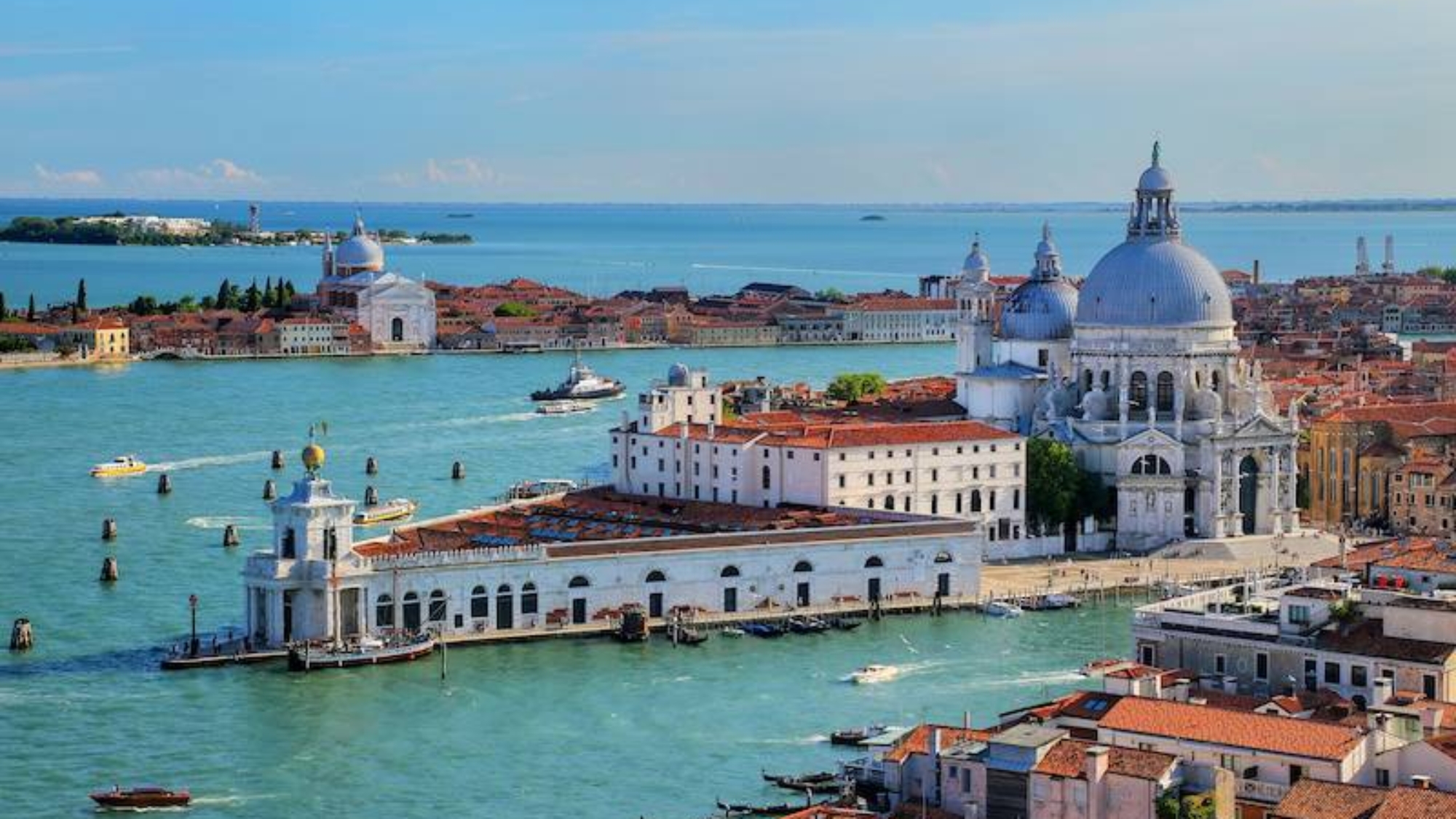
Located in the heart of Venice, in a triangular area between the Grand Canal and the Giudecca Canal, and considered to be one of the oldest custom buildings in the city, the Punta della Dogana is an art museum. The area that this building is in is also called Punta della Salute or Punta da Màr and it faces the San Marco Basin.

Let’s find out something more about Punta della Dogana in Venice and why it’s worth a visit!

An historic landmark: Punta della Dogana’s origins

As previously mentioned, Punta della Dogana is nowadays an art museum that houses a big collection of French art. Its restoration was designed by Tadao Ando in the XVII century and it consists of a 5000 square meters building. It took over two years of work and 120 men to build Punta della Dogana and it nowadays houses over 300 works of art by various artists that were owned by Francois Pinault, the owner of Gucci.

The remarkable restoration of Punta della Dogana

The Punta della Dogana is obviously located in a not-very-favorable location to build. In order to pull the restoration of the original building off, everything had to be thought of thoroughly and many temporary work sites had to be built in the canal. Over ten thousand tons of construction materials were carried to the site with rafts, counting over two thousand trips and endless hours of work to bring everything to the construction site carefully. All of the workers had to go through frequent free health checks and had to attend seminars in order to learn how to work safely to build the site.

If you want to get to know more about the building’s restoration, there’s an interesting time-lapse of the work they did on YouTube: https://www.youtube.com/watch?v=kWfu0IqivrE&t=229s

Exhibitions at Punta della Dogana Museum

As said before, Punta della Dogana was opened to the public as an art Museum in 2009 and, since then, it has hosted many temporary exhibitions. Here’s a list of some of them:

  • Treasures from the Wreck of the Unbelievable by Damien Hirst;
  • Mapping the Studio: Artists from the François Pinault Collection;
  • Prima Materia curated by Michael Govan and Caroline Bourgeois;
  • Accrochage curated by Caroline Bourgeois;
  • Dancing with Myself curated by Martin Bethenod and Florian Ebner;
  • Bruce Nauman: Contrapposto Studies, curated by Carlos Basualdo and Caroline Bourgeois;

Conclusion

The city of Venice is filled with great beauty and Punta della Dogana is definitely no exception. We highly suggest you make the time in your itinerary to visit it! If you want to get to know more about the city of Venice and Italy in general, check out our other blogs and book a private Venice tour with us!

tour of garbatella in rome

Discovering Garbatella: Rome’s Hidden Gem of History and Culture

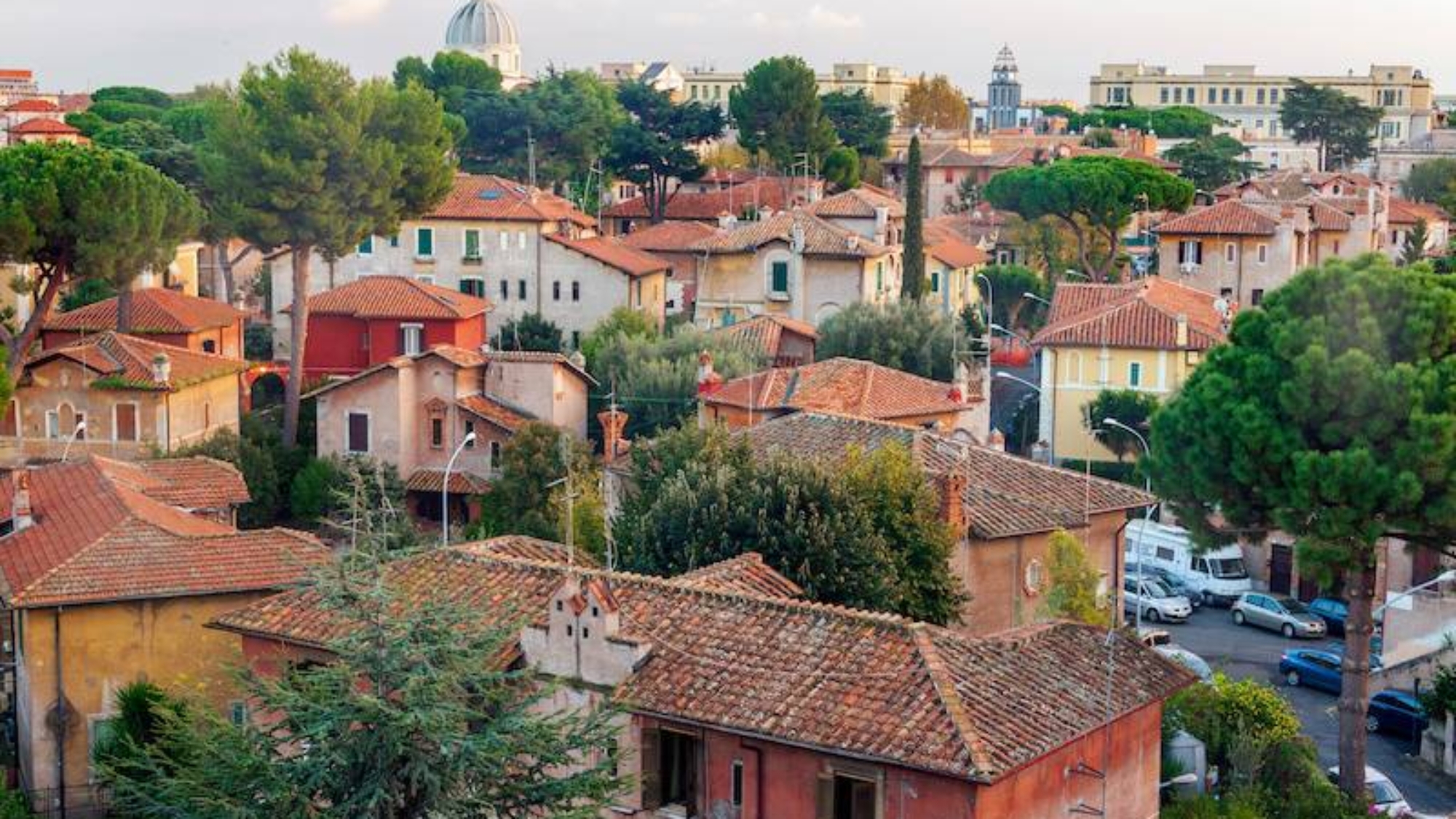
Located in the VIII Municipio in Rome, in the Ostiense neighborhood, Garbatella is an urban zone that holds some of the most beautiful cultural aspects of the Eternal City and is the protagonist of an Italian series that everyone holds in their heart. Founded in 1920, this place is definitely worth a visit.

Let’s explore something more about the Garbatella Quarter in Rome and why you should consider taking a walk through it next time you’re visiting Rome!

Garbatella: A Neighborhood Rich in History

As previously mentioned, the Garbatella neighborhood was founded in 1920, more precisely on the 18th of February, near the Basilica of Saint Paul Outside the Walls. It was built by the working class with a distinctive design as it was designed according to the XX-century English suburbs’ model. The idea was to recreate the concept of the English “Garden City”, an area surrounded by both green and industry and it got quite populated when Mussolini destroyed the historic center’s urban structure, forcing people to move to urban areas like the Garbatella.

Origins of the name Garbatella

You may be wondering why this Roman neighborhood is called “Garbatella” and, truth is, there are many different theories surrounding its name. The most popular one says that a young and beloved innkeeper called Carlotta lived in the area and people would often refer to her as a “garbata ostella” (polite innkeeper) which became “Garbatella” throughout the years.

Must-see attractions in the Garbatella quarter

If you need a little help figuring out what to do in the Garbatella quarter in Rome, fear not! We’re here to help with a list of the best things to do in Garbatella:

  • Visit Centrale Montemartini: A Greek and Roman sculpture exhibition located in an old industrial site, creating an interesting opposition;
  • Visit the Palladium Theatre: one of the most interesting aspects of the Garbatella district. Built-in 1920 and nowadays owned by the Roma Tre University;
  • Go to Ambra alla Garbatella: A theater that is always hosting creative performances and a variety of events that go from cinema to music and art exhibitions;

I Cesaroni: a beloved Italian TV show’s connected to Garbatella

As previously mentioned, the Garbatella district is also quite popular amongst Italian people because a very famous show that aired from 2006 to 2014 called “I Cesaroni” was filmed in this neighborhood. The show revolves around a big family that owns a bar in Garbatella called “La Bottiglieria”. This bar is nowadays called “Bar dei Cesaroni” and it’s located in Piazza Giovanni da Triora. If you want to feel like a true local, go grab a coffee or an aperitif at this bar!

Conclusion

The Garbatella district in Rome is definitely one of the most interesting neighborhoods in the city. Its beautiful history and architecture will surely blow your mind! If you want to get to know more about the Eternal City, check out our other blogs!

charterhouse-florence

Florence Certosa: Unraveling the Mystique of a Carthusian Monastery

Located in the suburb of Galluzzo in Florence, the Florence Certosa, also called Certosa del Galluzzo, is a Carthusian monastery built in the XIV century within a complex of buildings on Monte Acuto. It was funded by Niccolò Acciaioli and it’s nowadays a very beloved tourist attraction in Florence.

Let’s find out something more about the Certosa of Florence and why you should visit it!

A glimpse into history: origins of Florence Certosa

Before the Carthuasian monks became the owners of this complex of buildings in 1341, the area consisted of different houses, a vineyard and a courtyard. Once it became the property of the Carthuasian, people started referring to the mount that the complex was edified on as “the Holy Mount” and the buildings underwent some work led by Niccolò Acciaioli to extend them. Niccolò Acciaioli is the reason that this site was built since he made a generous donation in order to build the Certosa.

The Certosa consists of the Church, the Chapter House, the Refectory, the Sacristy, the small and main Cloisters and the Homes and it was designed to house 18 monks and 5 brothers.

Why did monks choose this location? The significance of Certosa’s site

The site where the Certosa, apparently designed by architect Jacopo Talenti, was edified, was chosen because its position was favorable: apart from it being on the highest point of the hill, which ensured their safety from invaders, the site was also surrounded by two streams of water coming from the Arno river. Another very important aspect of this location is that, because of the height of the hill, the monks were always living in isolation, something that is fundamental in the Carthuasian order.

The Carthusian way: a life of meditation and prayer

Established by St. Bruno of Cologne in the XI century, the Carthusian order was created because St. Bruno, a priest at the time, wanted to create a spiritual reform of the Catholic religion, promoting a life dedicated to prayer and meditation. The first Carthuasian monastery was founded in 1084 by Bruno, with the help of Hugh of Châteauneuf, the Bishop of Grenoble, near Grenoble. After moving to the Certosa in Calabria in 1101, where St. Bruno died, the Carthusian monks moved across Italy, France and other European countries and a group of them was established in Florence in 1341.

Conclusion

If a life dedicated to meditation and prayer and the city of Florence fascinates you, visiting the Certosa of Florence is definitely a great investment of your time! If you want to get to know more about the city of Florence, check out our other blogs and book your Florence tours with us!

garden of ninfa rome italy

Garden of Ninfa: a natural marvel near Rome you must explore

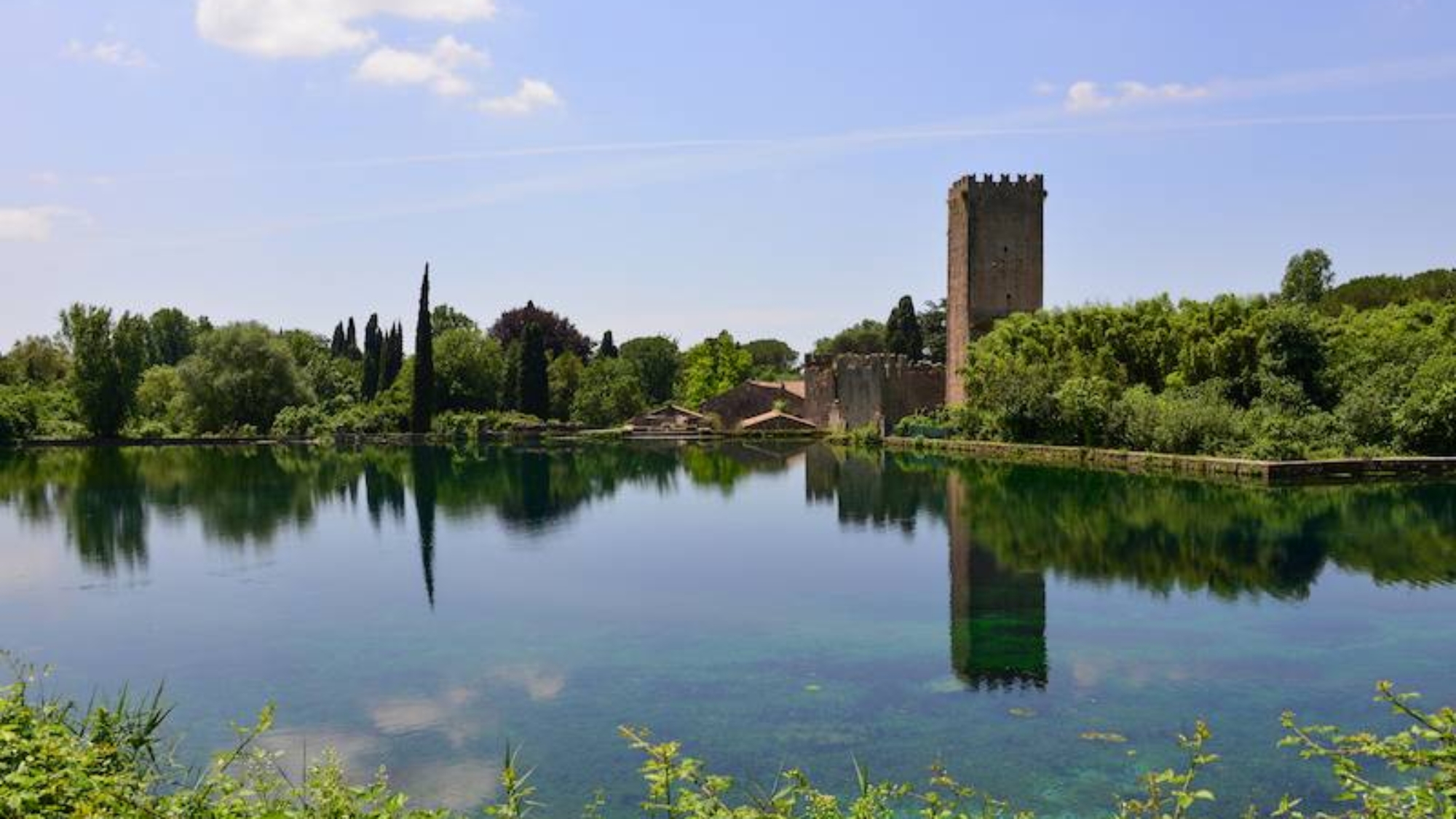
Located in Cisterna Latina, near the Eternal City of Rome, the Garden of Ninfa is a park that expands to over 260 acres, considered to be a natural monument.

Filled with medieval relics and ruins and different kinds of plants and trees, this park is a treasure for both locals and tourists.

Let’s find out something more about the Garden of Ninfa and why you should visit it!

The Garden of Ninfa origins and its history

The park was built around the ruins of a temple, the Ninfa. Located on top of an Island at the center of a lake, the Ninfa used to be a temple built in honor of the nymphs, associated with the personification of nature in Greek mythology.

The land around it used to be the property of the Volscians in ancient Rome, and the area was used for agriculture. During medieval times, it became a town for rich people. Pope Alexander III was even crowned here. The city was then sacked and burned by Emperor Frederick Barbarossa. After a tumultuous journey of being built, sacked and rebuilt throughout the centuries, this Garden found its owner in the Roffredo Caetani Foundation, which gave it a whole new life.

Planning your visit: how to reach the Garden of Ninfa

As previously mentioned, the Garden of Ninfa is located a little outside of Rome, more precisely in Latina. This makes it the perfect location for a day trip in nature to escape the frenzy of the crowded city. Getting there is a little challenging but definitely worth the effort. You can get to the Garden of Ninfa by car, which you can also rent in Rome. Parking won’t be hard since there’s a wide parking lot at the entrance. If you prefer taking public transport, your best option is to go there by taking a train to Latina Scalo and then a taxi from the train station to the Garden.

Opening times and ticket information

The Garden of Ninfa’s opening times usually vary throughout the year so we always recommend checking out if it’s open before going. Here’s a list of the usual opening times:

  • From March to June the garden is open from 9:00 AM to 6:00 PM;
  • From July to September, the garden is open from 9:00 AM to 6:30 PM;
  • In October and November the garden is open from 9:00 AM to 3:30 PM;

The price for a full ticket is 15€ and it offers a tour that lasts 1 hour circa.

Conclusion

If spending a day in nature to escape the crowded city of Rome is what you’re looking for, the Garden of Ninfa is definitely perfect for you! As said before, make sure you check for the opening times beforehand. If you want to relax and enjoy your experience to the fullest, book a private Rome tour with local guides!

madonna-dellorto-church-venice

Madonna dell’Orto Church: a gem of Venetian Architecture and Tintoretto Art

Located in the heart of Venice, near the Cannaregio district, Madonna dell’Orto Church is one of the most beautiful buildings in the city of Venice. It was created in 1350 under the commission of the congregation of the Umiliati. It’s nowadays a very interesting religious building, filled with works of art by the great Jacopo Tintoretto.

Let’s find out something more about Chiesa della Madonna dell’Orto in Venice and why you should visit it!

The History of Madonna dell’Orto Church

As previously mentioned, the Madonna dell’Orto Church was built under the commission of the “Humiliati”, a religious order that was at the time directed by Tiberio da Parma, who is now buried in the Church.

It was at first built in honor of the patron of the travelers, St. Christopher, but it then got its name and apparent consecration to the Madonna when a statue of the Holy Virgin was brought and installed into the Church after being rejected from the Church that had originally commissioned it.

The Church had to undergo some restoration work because it was built on weak foundations in 1399 and, a little after that, the Humiliati were expelled from the Church, which was later on given to the religious order of San Giorgio in Alga.

A Remarkable Façade: Design and Details

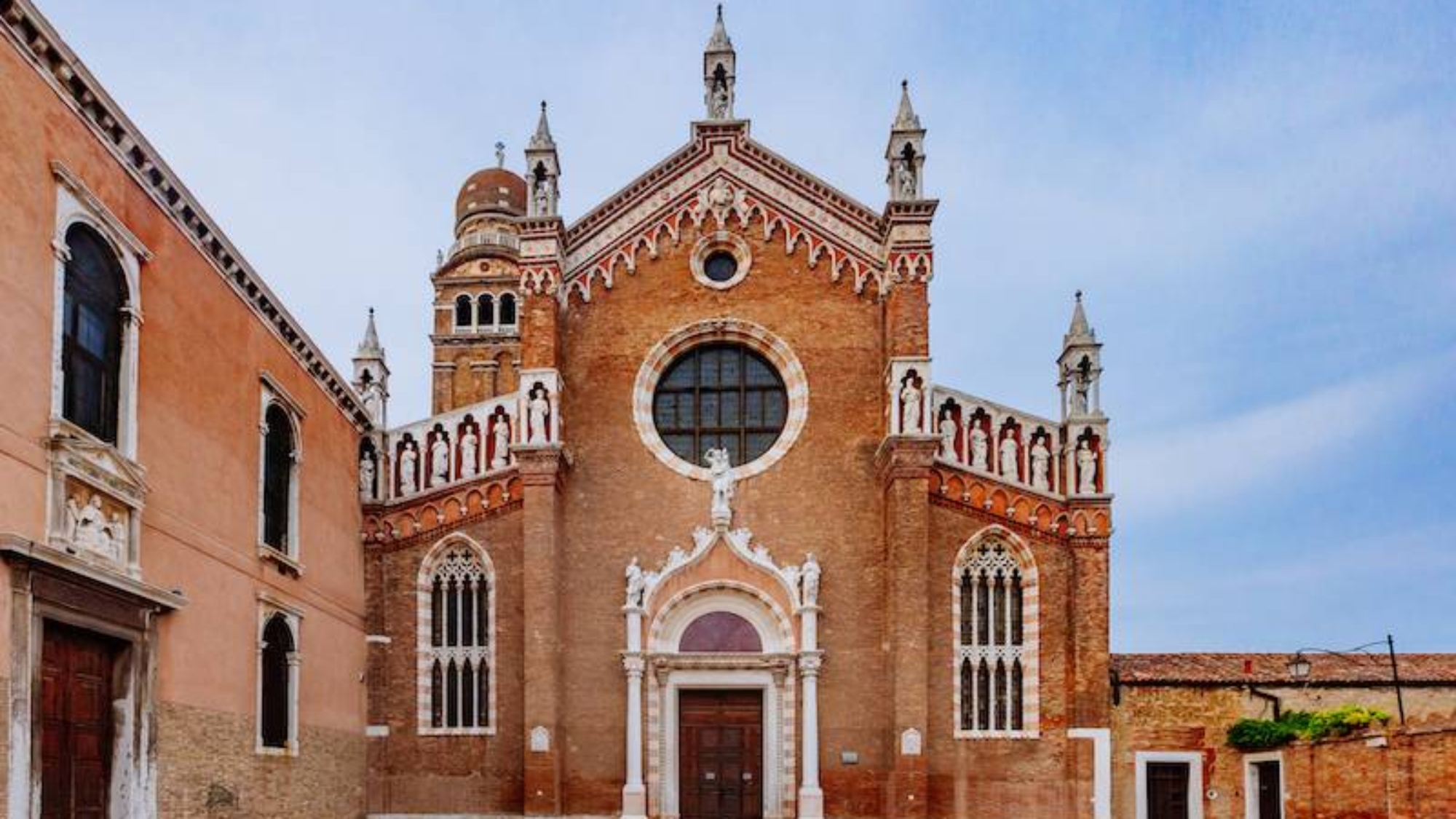
The façade of the Madonna dell’Orto Church was made of brickwork and it’s divided into three parts, like its interior. The two external sides present mullioned windows and the central one has a big rose window. There’s also a porch made with Corinthian columns that surround the entrance of the Church. The whole façade is ornate with bas-reliefs and statues of the Apostles.

Tintoretto’s legacy: art adorning Madonna dell’Orto Church

As mentioned before, the interior of the Church is divided into three parts: a nave and two aisles with marble columns. Over the entrance of Madonna dell’Orto Church, you can find a beautiful Organ, considered to be the strongest one in the whole city of Venice.

The Church is decorated with beautiful paintings made by Jacopo Tintoretto, who is also buried in this Church. Here’s a list of some of the paintings made by Tintoretto that you can find in this Church:

  • Presentation Of Virgin At Temple;
  • The Last Judgement;
  • St. Peter’s Vision of the Cross;
  • Idolatry of Golden Calf;
  • Cardinal Virtues: Justice and Temperance;
  • Prudence and Strenght;
  • The beheading of St. Paul;
  • God the Father in Glory;
  • Miracle of St. Agnes;

Conclusion

If you are visiting Venice, you definitely shouldn’t miss out on visiting the Madonna dell’Orto Church. Get to know more about the magnificent city of Venice and Italy in general by checking out our other blogs and book a private tour with us for the best experience!

domus-romane

Unveiling ancient Rome: exploring the Domus Romane of Palazzo Valentini

Located in Rome near Piazza Venezia, more precisely in via Quattro Novembre, Palazzo Valentini used to be the base of the province of Rome and is now the seat of the Roman prefecture. One of the most interesting aspects of Palazzo Valentini is the fact that, right underneath the building, you can explore a great piece of ancient Roman history: the Domus Romane.

Let’s find out something more about the Domus Romane of Palazzo Valentini and why you should visit it!

A journey back in time: the History of Palazzo Valentini

As previously mentioned, Palazzo Valentini used to belong to Prince Ruspoli and his family and it later on underwent some renovations in order to become the seat of the Provincial Council. When construction work began on the site in 2005, workers made the shocking discovery that what appears to be an ancient Roman villa, containing a private thermal bath, was right under the palace all along.

Exploring the Ancient Domus Romane

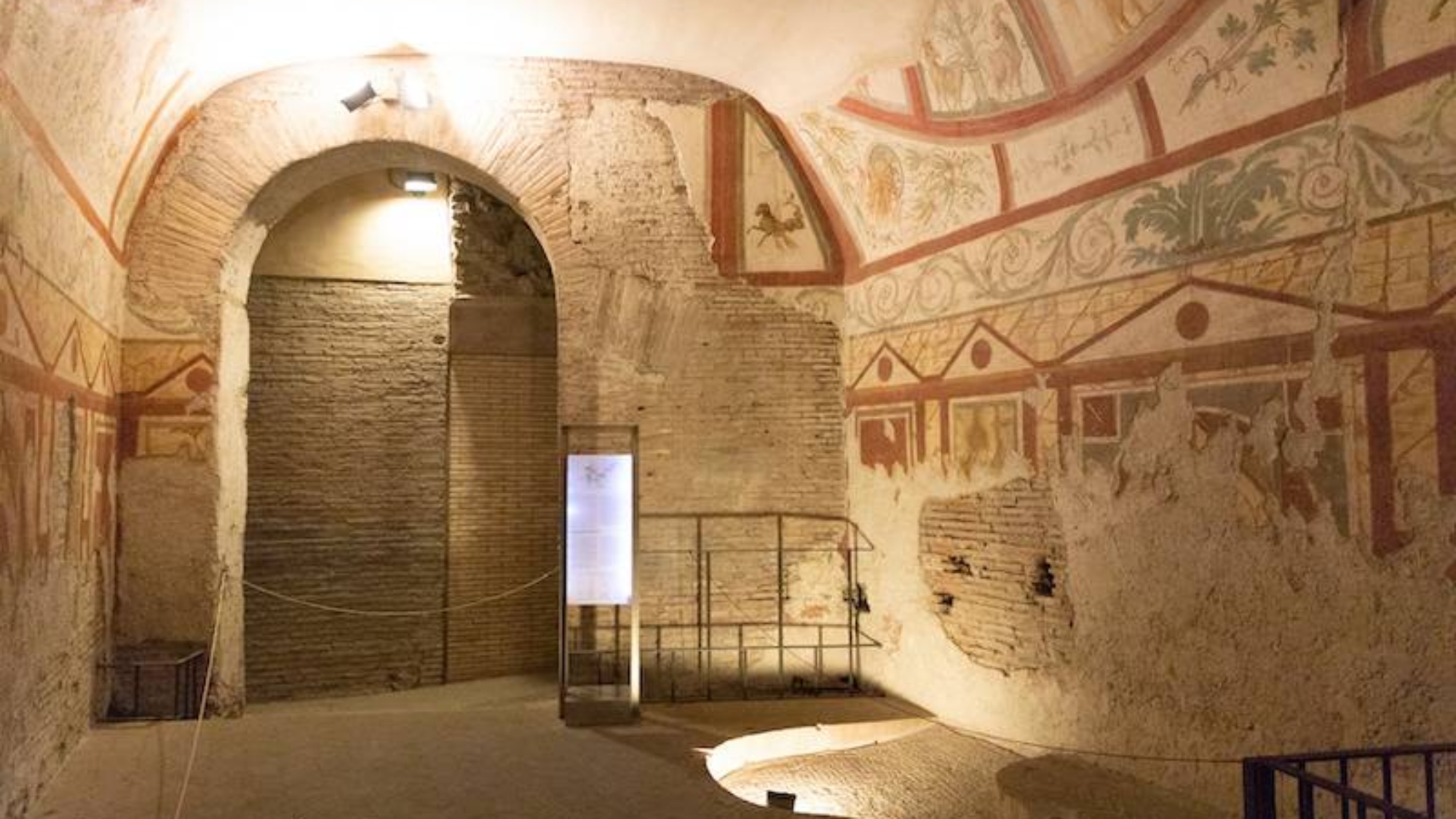
Since 2010, it’s possible to visit the Domus Romane and fully experience the beauty of this ancient structure, containing beautiful chambers decorated with frescoes and mosaics. An aspect that was added to the Domus Romane is a light show that tries to emulate what the house looked like back in ancient Rome. You can also walk on a transparent floor and look at the Domus Romane from above.

The Domus Romane obviously belonged to a wealthy Roman, since they also had a private thermal bath. The visit to the Domus Romane begins right from the complex called Piccole Terme di Traiano, where ancient Romans would bathe after exercising. These thermal baths also had a sauna! Right after the thermal baths, you will be able to experience the beauty of the chambers of the Villa.

At the end of the visit, you can also stop to look at a model of the area that the Villa was in back in ancient Rome.

If you want to fully experience the beauty of this house, we highly suggest you book a private tour with us for the best experience possible.

Conclusion

Visiting the Domus Romane of Palazzo Valentini definitely makes for a great experience if you wish to get lost in the beauty and atmosphere of ancient Rome. If you want to get to know more about the Eternal City and its hidden gems, make sure you check out our other blogs and book a Rome private tour with us!

brancacci-chapel-florence

Brancacci Chapel: a Renaissance marvel in Florence’s Santa Maria del Carmine Church

Located in the Church of Santa Maria del Carmine in Florence, the Brancacci Chapel is one of the most interesting buildings in the city of Florence. It was almost completely destroyed in 1771 when a large fire burned down part of the Church. Luckily, Chapel Brancacci managed to stay intact and it’s nowadays one of the most beloved tourist attractions in Florence.

Let’s find out something more about the Brancacci Chapel and why you should visit it!

The Brancacci Chapel’s history

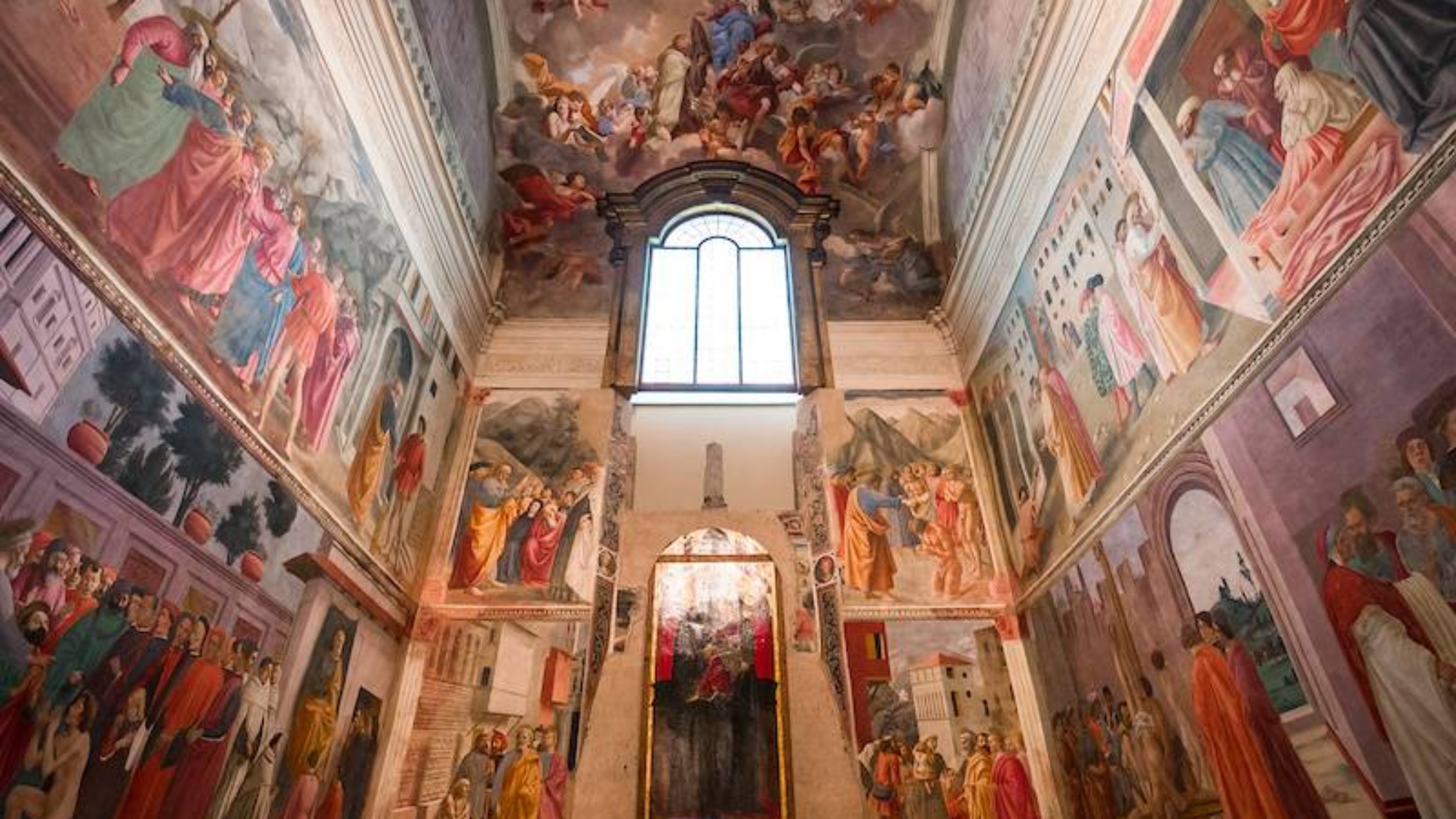
The Chapel was built in 1422 and it was commissioned by Felice Brancacci. The Brancacci Chapel is considered to be the early Renaissance version of the Sistine Chapel because it contains a large number of frescoes. These paintings were made between 1425 and 1427 by different artists, among which we can find Masolino da Panicale and his associate Masaccio, who painted the Tribute Money, located in the Chapel. After Masaccio’s death, the remaining parts of the Chapel were completed by Filippino Lippi.

Frescoes in the Brancacci Chapel

The most interesting aspects of the Brancacci Chapel are definitely the frescoes and paintings. Masolino and Masaccio took a different approach, compared to medieval art, to perspective. Following what Giotto had started, Masaccio chose to paint more realistic versions of nature and men, becoming part of the new Renaissance style.

Here’s a list of some of the most important paintings and frescoes in the Brancacci Chapel:

  • THE TEMPTATION OF ADAM AND EVE, made by Masolino;
  • THE EXPULSION FROM THE GARDEN OF EDEN, made by Masaccio;
  • THE TRIBUTE MONEY, made by Masaccio;
  • ST. PETER PREACHING, made by Masolino;
  • BAPTISM OF THE NEOPHYTES, made by Masaccio;
  • RAISING OF THE SON OF THEOPHILUS AND ST. PETER ENTHRONED, made by Masaccio;
  • DISPUTATION WITH SIMON MAGUS AND CRUCIFIXION OF ST. PETER, made by Filippino Lippi;

Conclusion

Visiting the Brancacci Chapel in Florence definitely makes for a great experience if you enjoy Renaissance art. We highly suggest you get a private tour of Florence with us if you wish to fully experience the beauty of these frescoes and paintings. To get to know more about Florence, check out our other blogs!

jewish-ghetto-rome

Discover the Jewish Ghetto in Rome: a unique cultural and culinary experience

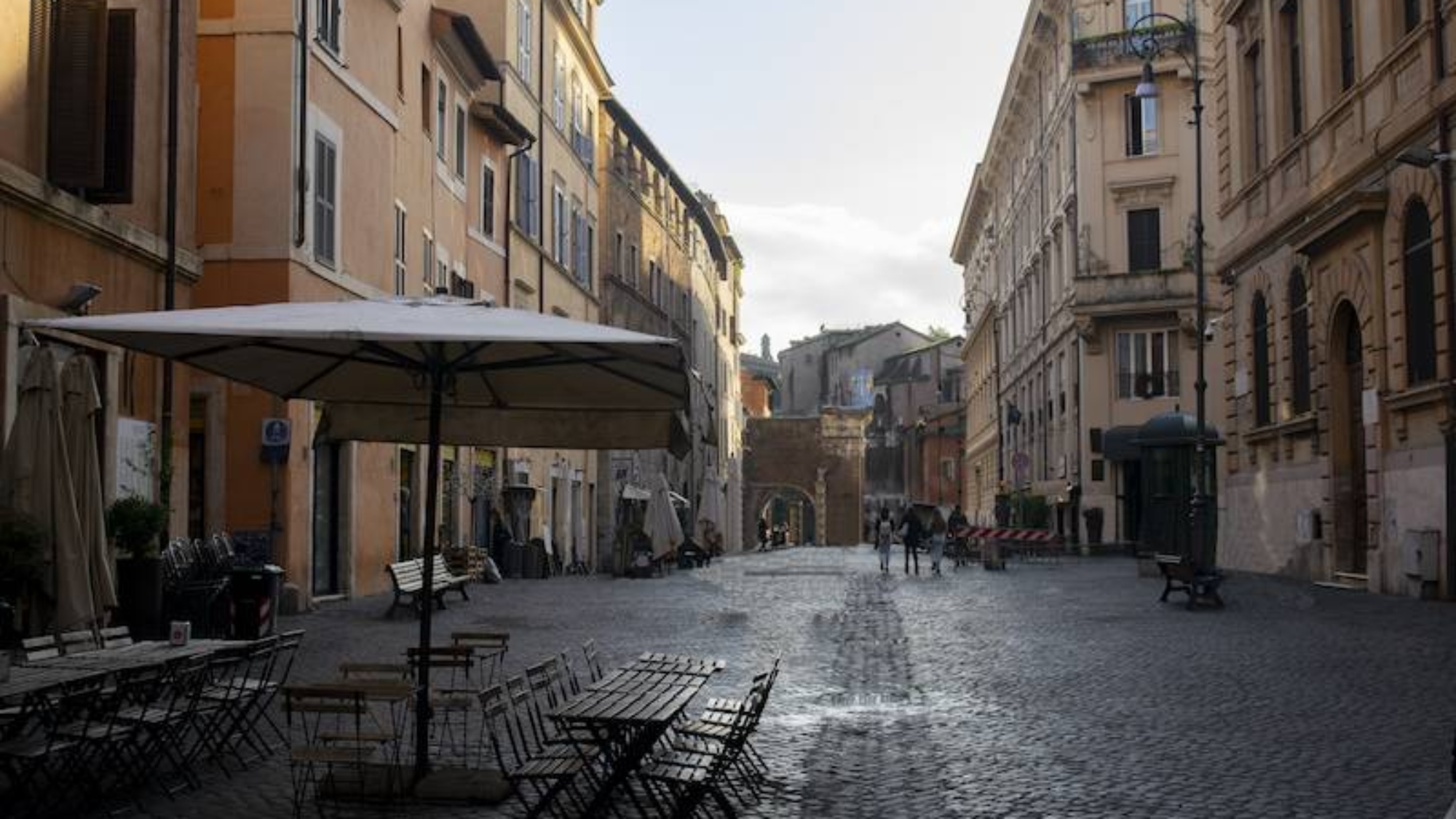
The Eternal City of Rome is full of surprises and hidden gems to explore. If you’re looking for things to do during your stay in Rome that are not very touristy, we highly suggest you visit Rome’s Jewish Ghetto. Located near Piazza Venezia, visiting the Jewish Ghetto is a great way to immerse yourself in an experience that has pretty much everything, starting with cultural value and ending with great food!

Due to its proximity The Jewish Ghetto it’s also a good starting point for a Colosseum and Roman Forum Tour.

Let’s find out something more about the Jewish Ghetto in Rome and why you should consider visiting it!

The history of Rome’s Jewish Ghetto

The Jewish Ghetto in Rome was first built in 1555, under the commission of Pope Paul IV and it’s considered to be the oldest western ghetto in the whole world. Jewish people were unfortunately and unjustly forced to respect a series of rules to avoid getting into trouble. Their residency had to be in the ghetto but they couldn’t own houses. They also couldn’t bring out anything to trade with people outside the ghetto, except for rags and clothes.

They also underwent persecutions from the Nazis, such as the one in October 1943, where over a thousand Jews were captured from their own homes and put in a train to concentration camps. Only 16 people survived.

The Jewish Ghetto in Rome was only liberated in 1849, after the proclamation of the Italian Republic, which forbade segregation.

Must-See attractions: highlights of Rome’s Jewish Ghetto

Nowadays the Jewish Ghetto in Rome has become a place to explore Jewish culture and history in depth. Walking through the streets of the Ghetto, you will be able to see many different tourist attractions, such as the Tempio Maggiore Synagogue, which has become the most popular one. The Tempio Maggiore Synagogue was designed by Osvaldo Armanni and Vincenzo Costa in 1904 and it’s one of the main symbols of the Jewish Ghetto in Rome.

Here’s a list of some other things you should see in the Jewish Ghetto:

  • Tiber Island: a small artificial island in the middle of the Tiber;
  • The Turtle Fountain: built in the XVI century;
  • Teatro Marcello, also known as the Little Colosseum;
  • Portico d’Ottavia: this place was used as a market in the Middle Ages;

Savoring Tradition: exploring Jewish Cuisine in the Ghetto

The Jewish Ghetto is filled with great restaurants that will allow you to try some of the most delicious dishes of Jewish cuisine. We suggest you try dishes such as the cod filet, artichokes alla giudia, fish broth and stuffed fish at one of these restaurants:

  • TAVERNA DEL GHETTO;
  • GIGGETTO AL PORTICO D’OTTAVIA;
  • SORA MARGHERITA;

Conclusion

If you want to do something different in Rome, visiting the Jewish Ghetto is a perfect opportunity to fully immerse yourself in Jewish culture and understand a little more about what they had to go through. If you want to get to know more about Italy, make sure to check out our other blogs and book a private tour with us!
teatro-la-fenice-venice

Discover Teatro La Fenice: Venice’s Opera House with a remarkable History

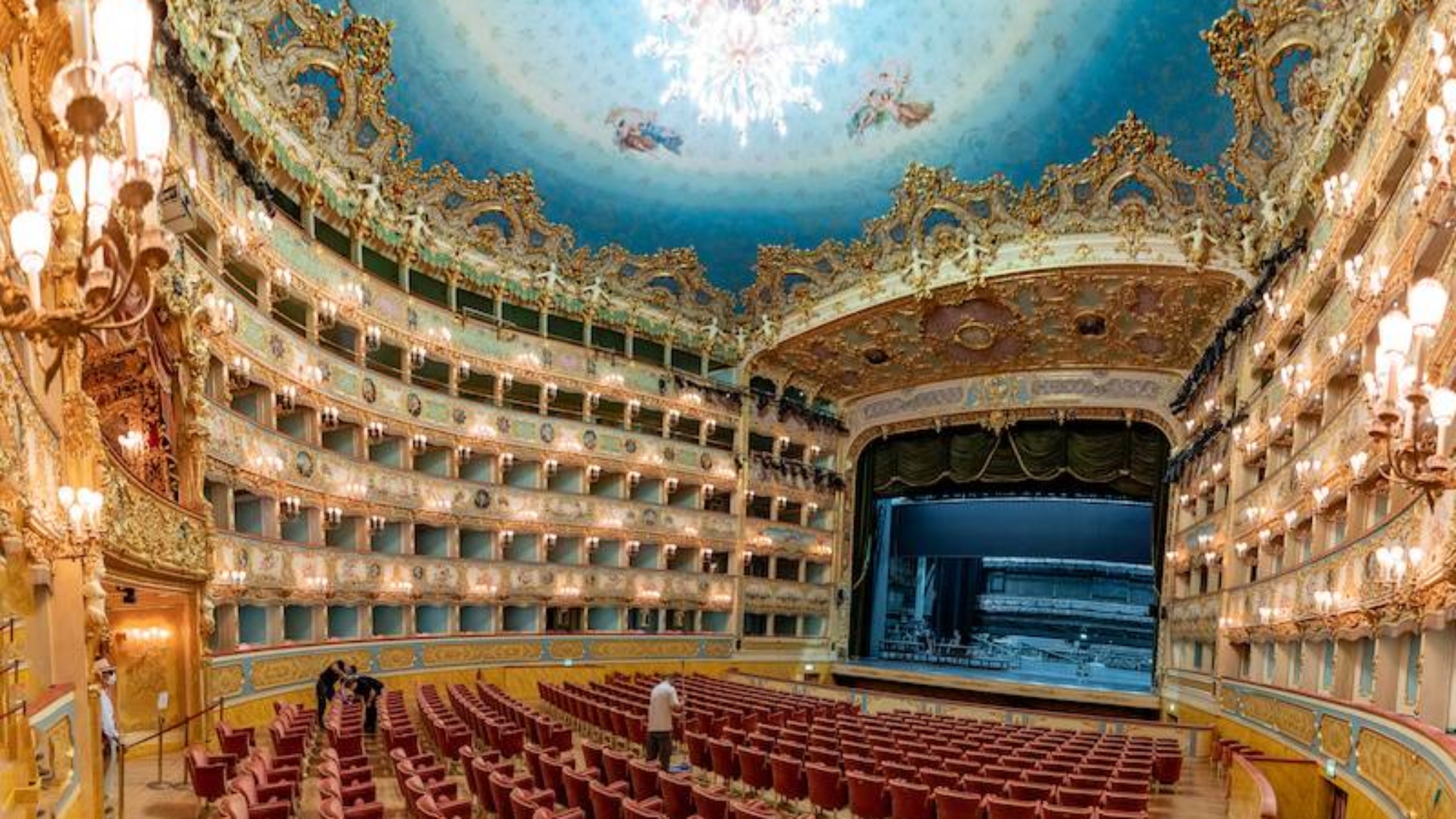
Located in Venice, Teatro la Fenice, also known as “The Phoenix” is one of the main protagonists of Italian Theatre and Opera history, becoming the place where many composers, such as Rossini, Donizetti, Verdi and Bellini chose to premiere their work. It’s nowadays one of the most suggestive sites in Venice and a popular tourist attraction.

Let’s find out something more about Teatro La Fenice in Venice and why you should visit it during your Venice Tour!

The birth of Teatro La Fenice

Teatro la Fenice was founded in 1792 and, as previously mentioned, it became one of the most beloved spots by bel canto composers in the XIX century, some of which were: Vincenzo Bellini, Giuseppe Verdi, Gioachino Rossini and Gaetano Donizetti.

The reason this theater was built dates back to when the most important theater in Venice was Teatro San Benedetto, owned by the Grimani family and later on given to the Nobile Società di Palchettisti, who chose after a ruling to give it to the Venier Family since they owned the land it was built on. At that time, the need to construct a bigger and more important theater was felt and, because of this, they hosted a competition to design what would become Teatro La Fenice.

The competition was won by architect Giannantonio Selva and construction began in 1791. The Phoenix quickly became the most prestigious opera theater in Europe but, unfortunately, on a December 1836 night, a fire burned it down, destroying fundamental parts of it. The theater was rebuilt and reopened to the public in record time and, after this first fire, it was chosen that the theater would become public. When the theater was closed for restoration works in 1996, a second fire occurred, leading the building to be completely burnt down to ashes. The theater was reconstructed in 2003, thanks to architect Aldo Rossi, who directed and supervised the work.

The symbolic name: Teatro La Fenice

As previously mentioned, Teatro La Fenice (The Phoenix) gets its name after some fires that burned it down three times, once in 1774, another in 1836 and the last one in 1996, which resulted in the theater being left with its exterior walls only. The symbol of the Phoenix represents the possibility to rise from the ashes and pays homage to the theaters lost.

How to experience Teatro La Fenice: Plan your visit

If you’re thinking of visiting the Phoenix, here’s some useful information. The theater is open every day from 09:30 AM to 06:00 PM but, before going, make sure you check the opening hours again since they may vary according to certain holidays or events. You can visit the building on your own but, in order to fully understand the beauty and history of this theater, we highly suggest you book a guided tour. It only lasts 1 hour and it’s quite affordable.

Conclusion

Visiting Teatro La Fenice is one of your best chances to get lost in the beauty of this majestic building and learn more about the history of Italian theater. If you want to get the best experience ever, book a private tour with us!