Trajan's Column Rome

Exploring Trajan’s Column: A Journey through Ancient Roman History

Rome is a continuous discovery: everything in the historic center, from the symbols of the eternal city such as the Colosseum or the Pantheon or the Trevi Fountain, to the most evocative views like the Gianicolo, the Orange Garden, and the Capitol, is tangible evidence of the multitude of events that have layered over the centuries, creating today that unique world humus on which Rome continues to thrive.

Trajan’s Column: A Testament to Rome’s Imperial Glory

If you find yourself near the Imperial Forums and the Colosseum and are passionate about the history of ancient Rome and the magnificence of its vast Empire, Trajan’s Column is undoubtedly one of the monuments that cannot be missed in your walking tour.

This monument is located next to the Ulpia Basilica.

Unraveling the Story: Bas-Reliefs and Propaganda on Trajan’s Column

The monument was erected between 107 and 113 AD; it was commissioned by Emperor Trajan to celebrate and commemorate the conquest of Dacia, present-day Romania.

But what is the peculiarity of this 40-meter-high monument? Its absolute uniqueness lies in the friezes that spiral along the entire length of the column, narrating, like a story, the heroic deeds of the Roman people and Trajan during the victorious military campaigns to conquer Dacia. Each frieze, created using bas-relief technique, depicts a significant moment in the battle: in fact, this narrative represents one of the first propaganda tools ever devised.

An important testimony

Every scene depicted on the column represents a specific moment in the military campaign, from preparations to the actual battle, to the triumph.

What stands out are the details of the bas-reliefs, which intricately portray moments of the troops’ daily life during the long weeks away from Rome. These details have provided scholars with important insights into the daily habits of the Roman people, from clothing to food, from the types of weapons used to the military tactics of the time.

Exploring Trajan’s Column from Base to Summit

Even from an architectural point of view, the Column is an exemplary monument from various perspectives. Built from 18 stacked blocks, the material used is the precious Carrara marble. On the side of the column facing the Ulpia Basilica, an inscription with Roman characters and four eagles supporting a laurel wreath can be noticed.

The entrance to access it is at the base of the Column: inside are the remains of Trajan and his wife Plotina. From here, an internal spiral staircase with its 185 steps leads to the top of the column. Originally, at the top of the column, there was the statue of Trajan, replaced in 1587 during the pontificate of Pope Sixtus V with a bronze statue of St. Peter.

The panorama that unfolds for visitors at the top of the monument is unique, with a breathtaking view of the Imperial Forums and the monuments in the heart of the city.

Suggestions

After visiting this jewel of imperial Rome, just a few steps from the Colosseum, you can’t miss the opportunity to take a tour of Basilica San Clemente one of the oldest churches in the eternal city.

san michele island venice

Unveiling the History and Charm of San Michele Island: A Must-Visit Destination in Venice

There is a bustling Venice, teeming with people incessantly bustling through the alleys of the city at all hours of the day and night, in any season of the year. And then there is a quieter Venice, away from the most visited places in the historic center. We are talking about the island of San Michele, situated between the island of Murano and the Fondamenta Nove.

Uncovering the History of San Michele Island

The origin of this pleasant place has a unique story: initially, two islands, San Michele and San Cristoforo della Pace, were located at this point in the lagoon. Since 1804, burying the deceased within churchyards and churches was no longer allowed, and Venice also needed to find a solution to this issue. Napoleon Bonaparte himself chose the island of San Cristoforo to host Venice’s new cemetery. Soon, however, one island did not seem sufficient in the medium term, leading to the decision to expand it by including the nearby island of San Michele. This choice involved a complex operation, lasting from 1835 to 1870: filling in the small canal that separated the two islands to create a single one, making the expansion of the cemetery more practical. The name used for the new expanded island from then on was San Michele.

The Church of San Michele Arcangelo: A Renaissance Gem

However, in this place, long before the realization of Venice’s cemetery, the church of San Michele Arcangelo was erected in the 10th century, strongly desired by the Briosa and Brustolana families. In the second half of the 15th century, the church was rebuilt; the task was entrusted to the architect Mauro Codussi, already the designer of significant buildings in the city of Venice, who between 1469 and 1479 created the first Renaissance church in the lagoon. Later, the church was expanded and fell into ruin under Austrian rule in the 1800s when it was used as a political prison; among others, the famous writer and patriot Silvio Pellico was imprisoned here. Today, the Church is entrusted to the Conventual Franciscans of Saint Francis.

Exploring the Tranquil Cemetery of San Michele

Visiting this place of peace and tranquility by dedicating a few hours of your day during your stay in Venice is highly recommended. The cemetery of San Michele on the island has a very simple structure, with a Greek cross plan, a perimeter of red solid bricks, decorated with Istrian stone. Until 1950, the entrance to the cemetery was open on the side of Fondamenta Nove, and every year, on November 2, the day when dear departed ones are remembered, a bridge of boats was set up. This tradition was interrupted for years until 2019 when the ancient tradition, highly appreciated by all citizens, was reinstated.
Inside, the cemetery is divided into three areas, according to religious confession: Catholic, Orthodox, and Evangelical. A favorite destination for Romantic poets and writers such as Shelley, Byron, and Ruskin, the cemetery today houses the graves of famous individuals like Igor Stravinsky, Sergey Diaghilev, and Ezra Pound.

How to Reach San Michele Island

If you are enjoying a pleasant vacation in Venice, including this stop in your tours will be straightforward. You can reach the island of San Michele and the monumental cemetery by taking the Vaporetto from Fondamenta Nuove or Murano. Once there, allow yourself one or two hours to appreciate this place of peace and serenity, surrounded by the waters of the lagoon.

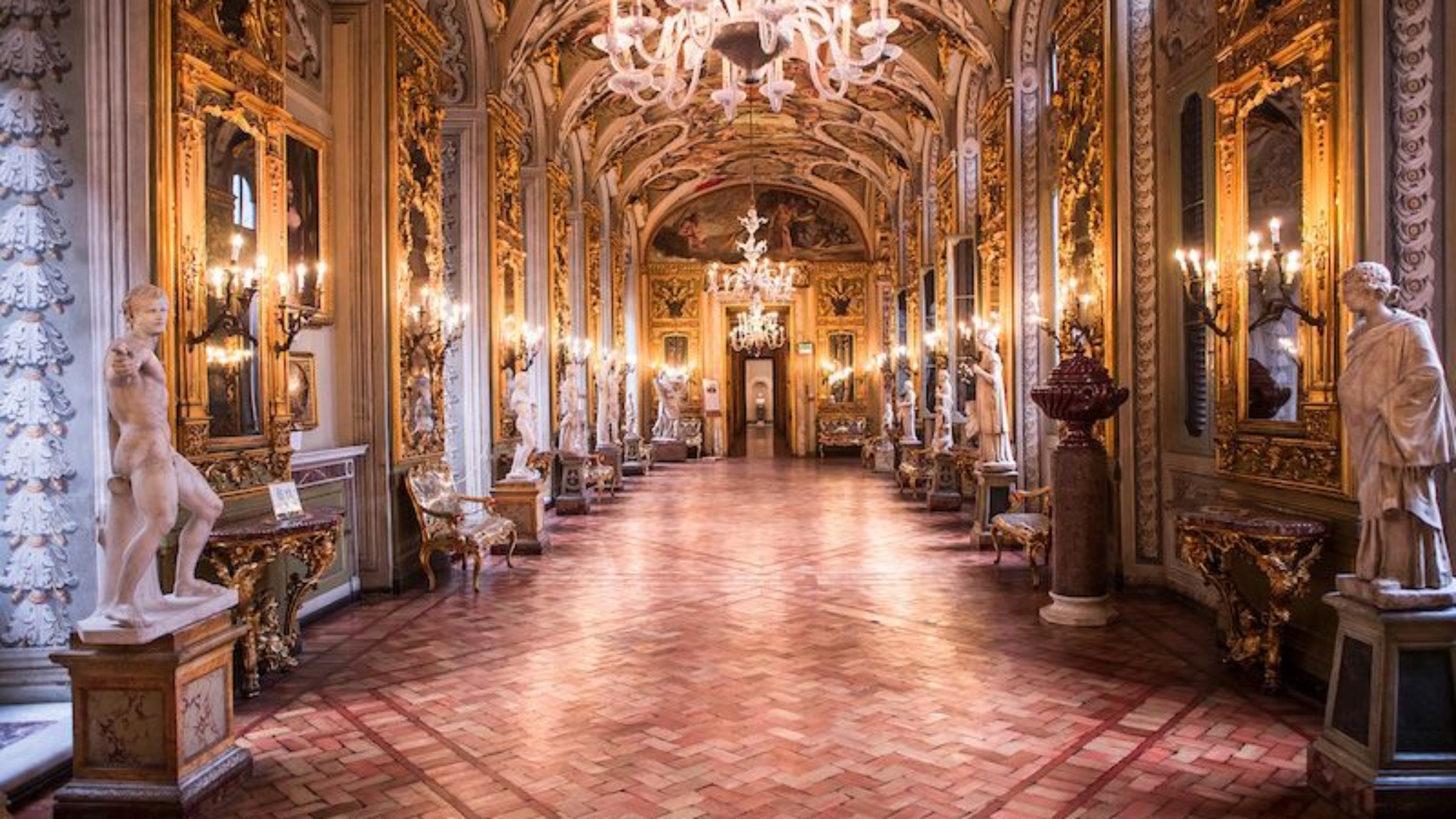
doria pamphili gallery

Discovering the Doria Pamphilj Gallery: A Treasure Trove of Art in Rome

The eternal city, in addition to its numerous monuments, squares, churches, and shopping streets, boasts invaluable private art collections housed in marvelous period residences that stand in the heart of Rome.

Unveiling the Doria Pamphilj Gallery: Rome’s Hidden Gem

One of these, the Doria Pamphilj Gallery, is located in the prestigious Palazzo of the same name on the central Via del Corso. The venue is the result of evolutions and expansions that occurred over five centuries. The palace originally belonged to the Della Rovere family, then passed to the Aldobrandini, before being transferred to the Pamphilj in 1647, following the marriage of Olimpia Aldobrandini to Camillo Pamphilj. Four years later, in 1651, Giambattista Pamphilj ascended to the papal throne as Innocent X and decided to establish the Gallery within the Palace. In 1760, the direct descendants of the Pamphilj were succeeded by the Doria Pamphilj branch.

The Museum

Palazzo Doria Pamphilj is an incredible snapshot of what Italian noble families represented in past eras. The Pamphilj, Doria, Colonna, Aldobrandini, Della Rovere, and Savoia families are narrated through the museum, depicting their unions and the power they exerted over Rome and the Italian peninsula. The Gallery still maintains a specific layout in its Four Arms, which make up the exhibition, following the indications contained in a document from 1767. Each work is precisely located according to a criterion of symmetry and stylistic affinity with the other works.

Exploring the Doria Pamphilj Gallery’s Magnificent Collections

Within its walls, paintings by Raphael, Titian, Parmigianino, Caravaggio, Guercino, Guido Reni, and Velazquez are safeguarded, among others. Not just paintings: the Doria Pamphilj Gallery also exhibits ancient sculptures and tapestries. The Gallery unfolds through the Four Arms, all overlooking the internal Bramantesque courtyard. The Aldobrandini Room and the Primitives Room concentrate most of the masterpieces from the Doria Pamphilj family’s private collection.

Immersing in the Opulent Halls

The visit to the Gallery begins with the grand representative Halls, richly furnished and decorated. Subsequently, you enter the Hall of Jupiter and the Pussino Hall, where magnificent paintings, especially landscapes, are displayed. The Velvet Room, named for the presence of precious cut-out velvets on the walls, and the Dance Hall follow. The Cadmo Room introduces you to the actual Gallery.

The Four Arms

The First Arm contains one of the Gallery’s masterpieces, Diego Rodriguez de Silva y Velázquez’s “Portrait of Innocent X” from 1650. The work is characterized by the absolute realism with which the painter portrayed the pontiff, who indeed deemed it “too true.”

The Second Arm consists of the splendid Mirror Gallery, sent from Venice in the early 18th century, and the Four Small Rooms on the Corso, which were originally the Palace’s apartments. In the second Small Room, you can admire, side by side, two paintings: the “Penitent Magdalene” and the “Rest during the Flight to Egypt,” both created by a young Caravaggio.

The Third Arm of the Gallery contains works by Correggio, Lorrain, Guercino, and Guido Reni. The Aldobrandini Hall houses a large bichrome marble sculpture from the Antonine era depicting a Centaur at its center. Among the paintings, standout “Salome with the Head of John the Baptist,” one of Titian’s early masterpieces, Raphael’s “Double Portrait,” and Guercino’s “Sleeping Endymion.” The Green Hall contains a significant collection of panel paintings.

The Fourth Arm of the Gallery houses two panels by Parmigianino, while in the center is placed the bust of Andrea Doria from 1844.

Conclusion

The Doria Pamphilj Gallery, with its priceless treasures, is much more than a simple collection of artworks; it is an open window into the life and culture of one of Rome’s most important noble families. Through the works of great masters, visitors can perceive the artistic legacy and refined taste that has characterized this extraordinary family over the centuries. A visit to the Doria Pamphilj Gallery represents the ideal conclusion to a day steeped in the history and art of the capital throughout multiple eras, after experiencing all the emotions of a tour exploring the Colosseum and Ancient Rome.

Stibbert Museum Florence

Exploring the Stibbert Museum’s Art and Armor Collection: Florence’s Hidden Gem

Florence, renowned for its rich cultural heritage, hosts numerous museums and art collections that capture the essence of Italian history and creativity. In addition to the more well-known and visited landmarks such as the Uffizi Gallery, the Cathedral of Santa Maria del Fiore, Palazzo Vecchio, and the Basilica of Santa Croce, among the lesser-known gems of the city is the Stibbert Museum, offering a journey through time with its eclectic blend of art and armor from around the world.

The Venue of the Stibbert Museum

What immediately strikes one upon approaching the Stibbert Museum is the architecture of the building, which resembles a veritable castle with coats of arms on the walls, battlements, and turrets. Previously, the museum was the Florentine home of Frederick Stibbert, an English entrepreneur and art collector who dedicated his life to building the museum that bears his name.

The Birth of the Museum

The Stibbert Museum was born out of Frederick Stibbert’s deep love for art. Stibbert, an Englishman born in Florence in 1838, inherited a substantial fortune and devoted his life to collecting artworks and objects from various cultures that he encountered during his numerous travels, bringing them back to his Florence.

Exploring the Stibbert Museum’s Armor Collection

What sets this museum apart is its extraordinary collection of armor and weapons from different historical periods and various territories. Today, these historical artifacts are grouped into rooms dedicated to individual geographic areas. Notable among them is the Islamic Room, which houses a collection of armor from those regions. The uniqueness lies in their lightweight design (heavy armor was impractical in high temperatures), and soldiers wore skull and nose protection instead of helmets.

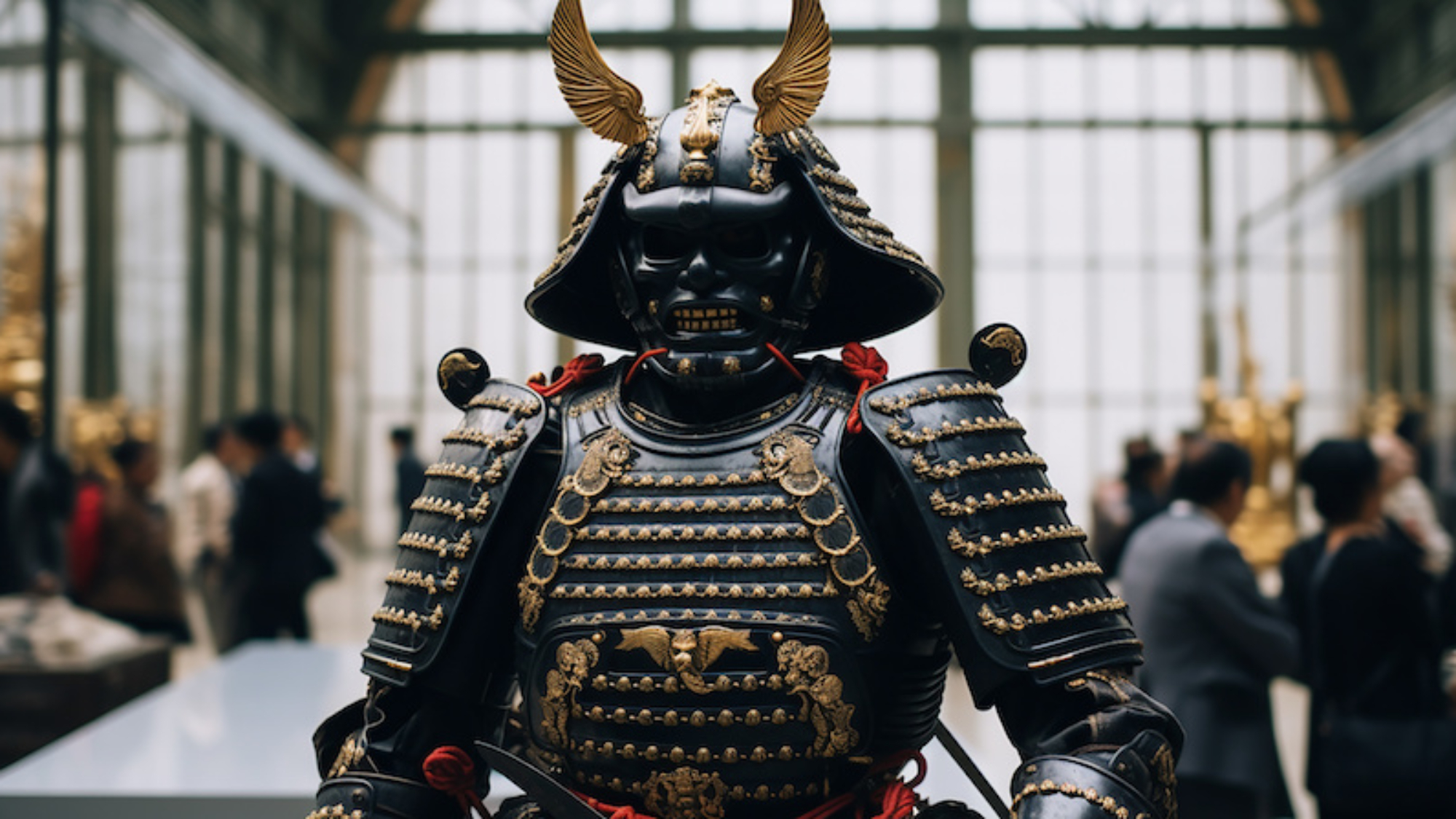
Another room is dedicated to Japan and the Samurai. The armor from the Land of the Rising Sun differs from Western and Middle Eastern ones, characterized by elegance, functionality, and the use of materials like silk and lacquer, which rendered the steel armor shiny.

The villa also features numerous paintings, acquired by Stibbert for the attire worn by the depicted characters.

Not Just Armor

In addition to the renowned armor collection, the museum also hosts a rich Costume Gallery with an array of historical garments, textiles, and accessories, providing insights into fashion trends of bygone eras.

Conclusions

If you are visiting Florence, carve out some time to explore this hidden gem characterized by the uniqueness of the exhibited artifacts, so different from those found in other Florentine exhibition areas. The various exhibition halls of the Stibbert Museum take visitors on a visual journey through different periods and cultures, offering a comprehensive overview of art and history.

A journey through time and across cultures that provides a unique perspective on art, history, and the evolution of craftsmanship.

tiber carnival rome

Dive into Rome’s Carnival Spirit: Don’t Miss the Tiber Carnival on February

Rome is a metropolis to be experienced at any time of the year; one of the moments when the calendar of events in the eternal city is filled with appointments is the month of February. The Roman Carnival, in fact, especially in recent years, has brought a breath of enthusiasm and joy to the capital of Italy, consequently attracting an increasing number of tourists.

Even in this 2024 the eternal city is set to experience an exciting month of February with a calendar full of events centered around Carnival, a traditional festival beloved worldwide and handed down in Italy from generation to generation through cherished traditions.

The Tiber Carnival: A Must-Attend Event in Rome

One of the must-attend events during the most colorful and festive month of the year is the Tiber Carnival, now in its 3rd edition, scheduled for Sunday, February 11th. Participants in the parade, both adults and children, are encouraged to join wearing their own Carnival masks.

How to Participate in the Tiber Carnival

The event is free, and there are various ways to participate. Water enthusiasts can navigate the planned route by canoe or stand-up paddleboard, while those less experienced can follow the path on foot or by bicycle along the Tiber’s banks. The event is organized by the Association of the International Descent of the Tiber, and the central theme of the parade revolves around raising awareness for the water quality of the Tiber River and the overall river environment, especially within the city. This aligns with the growing public focus on ecological issues and recycling initiatives.

Parade Program

Colors, music, and, above all, numerous masks will celebrate the Roman Carnival to the fullest. At the end of the event, prizes will be awarded to the best masks that best embody the river and material reuse theme.

The parade is set to begin at 10:00 am at Scalo de Pinedo (Metro Flaminio), with the mask parade, both on water and along the riverbanks, commencing at 11:00 am.

The water parade, for safety reasons, will be accompanied and coordinated by qualified guides for river descents. The route covers 6 km, with a maximum of 40 boats allowed, requiring prior registration. The bike or walking route along the riverbanks is more suitable for families, accompanied by dedicated entertainment for both young and old.

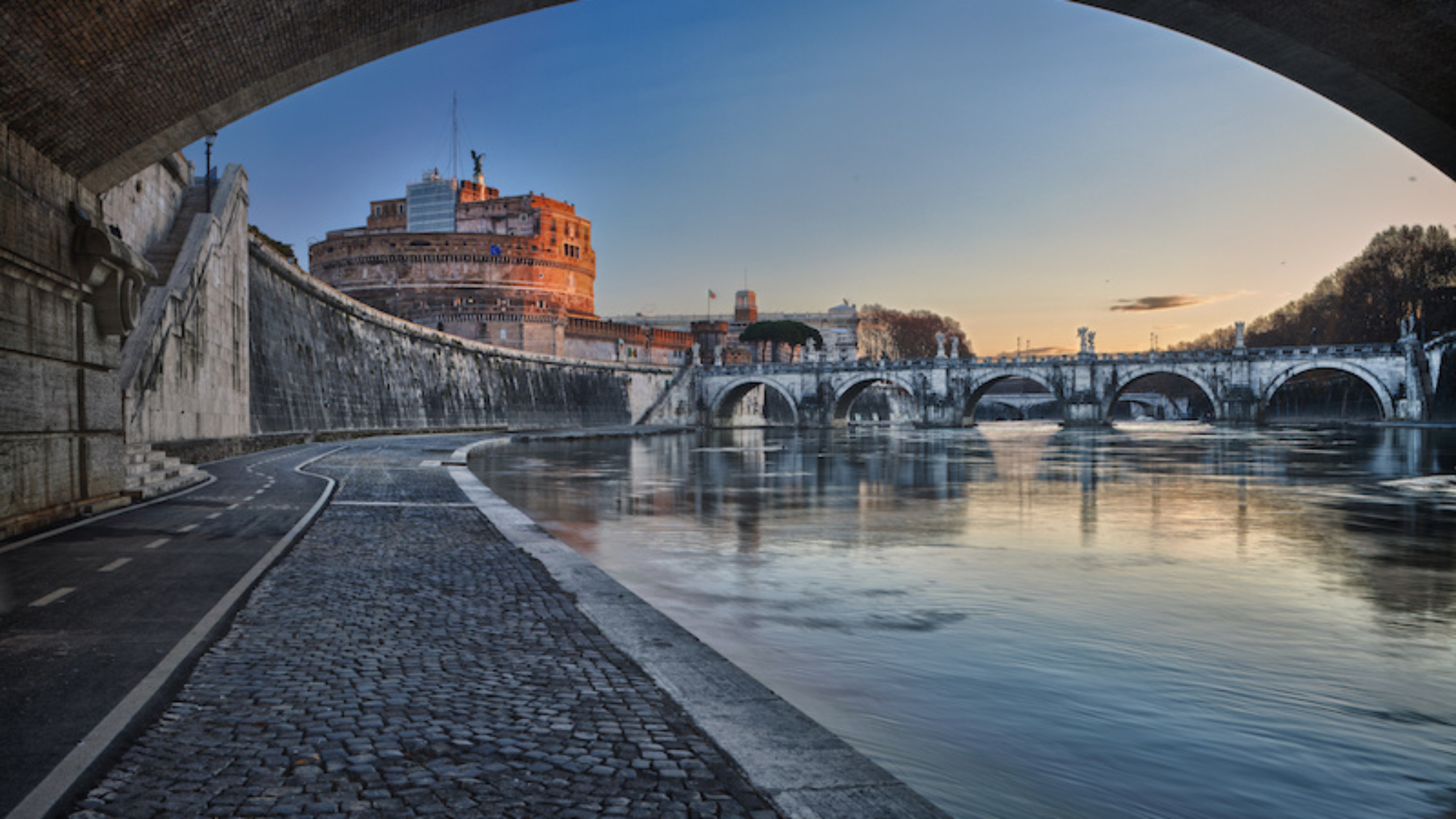
The first landing is scheduled at approximately 12:30 pm at Castel Sant’Angelo, about an hour after departure, with a return against the current. The second landing will take place at Ponte Sisto at 2:00 pm, returning to Scalo de Pinedo.

Are you staying in Rome during the Carnival season and looking for fun-filled performances? After a tour of Colosseum or the astonishing Vatican Museums, surely, the Tiber Carnival is an event not to be missed, especially for families and sports enthusiasts.

Save the date for February 11th on the banks of the Tiber for the 3rd edition of the Tiber Carnival.

galleria-sciarra-rome

Exploring Galleria Sciarra, Rome’s Art Nouveau Gem

The Eternal City of Rome is filled with infinite beauty, starting with its amazing historical buildings and symbols like the Colosseum, the Pantheon, Castel Sant’Angelo and many more and continuing with incredible monuments like the Trevi Fountain, the Obelisk in Piazza del Popolo and more, this city is never short of things to see! Every neighborhood and corner you turn, you might come across a hidden gem and a great example of this is Galleria Sciarra, a beautiful gallery located just a few steps away from the Trevi Fountain. This gallery creates a stunning and relaxing environment, especially if you’re coming from the infamous Trevi Fountain, which is usually quite crowded, and it’s filled with frescoes and colorful art.

Let’s find out something more about the beautiful Galleria Sciarra and why you shouldn’t miss out on visiting it when you’re in Rome!

A Historical Marvel in the Heart of Rome

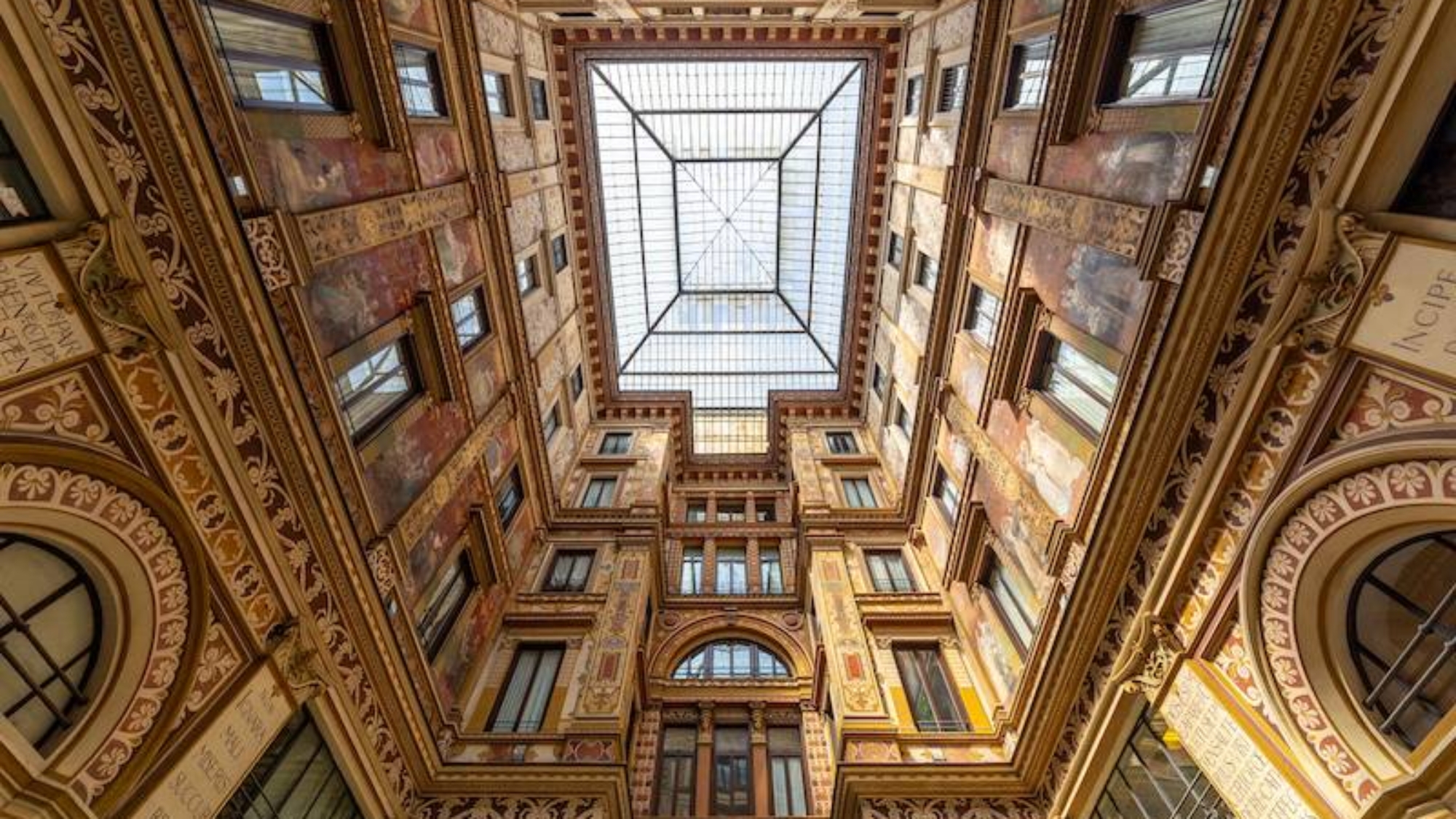
The Galleria Sciarra courtyard was created in the XIX century as a shopping mall under the commission of the Sciarra family. It never really turned into a shopping mall but, if it did, it definitely would have been one of the best ones in the peninsula.

Going more in-depth about the edification of this gallery, Galleria Sciarra was built between 1885 and 1888 in between buildings by architect Giulio De Angelis who had been commissioned this work by the Prince Maffeo Barberini-Colonna di Sciarra who had the desire to connect all of his properties.

Unveiling the Art Nouveau Splendor of Galleria Sciarra’s Frescoes

As previously mentioned, Galleria Sciarra is covered in beautiful frescoes and colorful art. These frescoes are designed in the Art Nouveau Style and cover most of the gallery, creating an intricate collection of art. All of the frescoes in the gallery are from its original construction and were not modified during the restoration works that the gallery underwent in 1970. One of the most interesting aspects about Galleria Sciarra is its iron and glass vaulted roof, a choice that was made due to the popularity of these kinds of roofs back in the day. Thanks to the glass roof, the gallery is beautifully lit, creating a bright and open space.

How to Find Galleria Sciarra: A Hidden Gem Near Trevi Fountain

If you’re getting more curious as you read this blog and are interested in knowing how to get to Galleria Sciarra, fear not, we’re here to help!

Galleria Sciarra is always open to visitors as it is used as a simple walkway between office buildings. Getting there is quite easy although you must keep an eye out for it since it is quite hidden. From the Trevi Fountain, which you can see through our Best of Rome Private Tour, you must go into Via delle Muratte and, right at the corner of this street and Via Santa Maria, you should be able to see Galleria Sciarra!

Conclusion

Visiting Galleria Sciarra is an amazing way to get to know more details about the city of Rome and explore less-touristy destinations. If you want to get to know more about the Eternal City of Rome and Italy in general, we suggest you check out our other blogs and, if you feel like you want to get to know more secrets about the city of Rome.

uffizi gallery florence

Exploring Florence’s Renaissance Marvels: A Guide to the Uffizi Gallery

With its incredible historical buildings, monuments and works of art that are worldwide known, the city of Florence is definitely not short of things to offer. Considered to be the Renaissance’s most representative city in Italy, Florence is filled with Museums and art galleries containing masterpieces. One of the most popular galleries in this city has to be the Uffizi Gallery, one of the most visited museums in Italy. The Uffizi Gallery houses art from some of the most influential artists of the Renaissance such as Caravaggio, Leonardo Da Vinci, Michelangelo Buonarroti, Raffaello Sanzio and many more.

Let’s discover all of the beauties held in the Uffizi Gallery and why you shouldn’t miss out on visiting it!

A Glimpse into History: The Fascinating Origins of the Uffizi Gallery

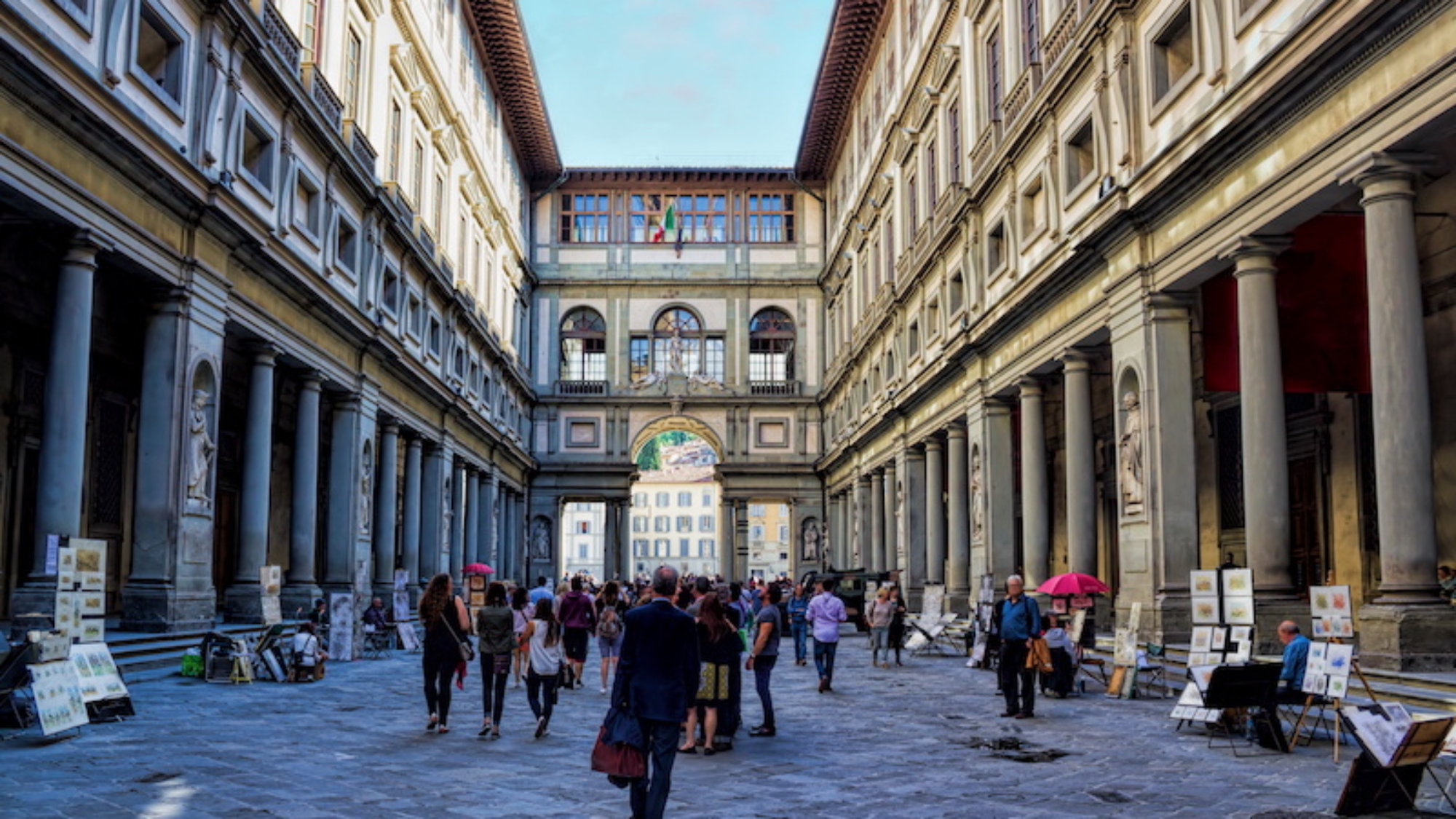
First built at the beginning of the 16th century by Giorgio Vasari under the commission of Cosimo I de’ Medici and only completed towards the ending of the same century by Parigi and Buontalenti, two very talented architects, the Uffizi Gallery is amongst the most visited Museums in Italy and it was created to house the art collection of the Medici Family. Its first name was the “Gallery of Statues” because the Medici Family’s collection was mainly made of Greek classical statues. It wasn’t until the end of the 18th century, more precisely in 1769, that the Uffizi Gallery actually opened as a Museum. 

Rooms and Wonders: exploring the Uffizi Gallery in Florence

As previously mentioned, the Uffizi Gallery is one of the most beloved Museums in Italy and especially in Florence. It has over 100 rooms on four floors filled with works of art mainly from the Renaissance made by some of the greatest artists that ever lived. Because of its popularity, the queues to enter the museum can get really long and this is why we suggest you book a skip-the-line Uffizi Gallery Small Group Tour with us for the best experience possible. You will, in fact, be able to get to know everything there’s to know about the masterpieces housed by the Uffizi Gallery with a local guide in under 2 hours!

The Uffizi Gallery is structured with an entrance at the ground floor which is also where you will be able to find history books to accompany your visit or buy souvenirs for your loved ones on your way out.

The first floor is furthermore divided into four parts: The Blue Rooms, the Red Rooms, the Caravaggesque Rooms and the Long Corridor. Each of these rooms contains works of art from different periods and different artists, starting in order with art from the XVI to the XVIII century for the Blue Rooms, art by Raffaello and Vasari in the Red Rooms, art made by the infamous Caravaggio in the Caravaggesque Rooms and a corridor filled with statues that leads to a fantastic balcony looking over the Arno River.

The second floor of the Uffizi Gallery is where most of the works of art that are commonly known and loved are located. They are divided into 45 rooms, housing art from artists like Da Vinci, Botticelli and more.

What to See in the Uffizi Gallery

If you’re planning on visiting the Uffizi Gallery, here’s a list of some of the works of art that we believe you should keep an eye out for: the Birth of Venus by Sandro Botticelli, Annunciation by Leonardo da Vinci and Andrea del Vecchio, Coronation of the Virgin by Fra Angelico, Madonna with the Long Neck by Parmigianino, Medusa by Caravaggio, The Spring by Rosa Genoni, Lacoon and His Sons by Bandinelli, Portrait of Pope Leo X with Two Cardinals by Raphael and Doni Tondo by Michelangelo.

Plan Your Visit: Opening Times of the Uffizi Gallery in Florence

The Uffizi Gallery is open from Tuesdays to Sundays from 08:15 AM to 06:50 PM and it’s closed on Mondays.

Conclusion

Visiting the Uffizi Gallery is one of the things you definitely shouldn’t miss out on when visiting the city of Florence. If you love immersing yourself in the beauty of Renaissance art, the Uffizi Gallery is the right place for you!

Get to know more about Italy and the city of Florence by checking out our other blogs and book a private tour with us for the best experience possible!

Piazza Navona Epiphany feast

A Guide to Rome’s Epiphany Celebration: from Piazza Navona to Sweet Treats

Visiting Rome during the Winter Holidays is one of the best ways to fully immerse yourself in the culture and traditions of this magical city. As the city fills up with Christmas lights and decorations, getting incredibly colorful, many activities and chances to have an unforgettable experience arise! Traditionally, Christmas Holidays come to an end when Italians celebrate The Epiphany, known in Italy as “L’Epifania” on January 6th, as the popular saying “L’Epifania, tutte le feste porta via!” says.

Let’s find out something more about spending the Epiphany feast in Italy, more precisely in Rome, and some of the best things to do on this day!

Legend and Traditions

First and foremost, let’s talk a little more about the protagonist of the Epiphany feast: la Befana. This beloved Christmas character is typically depicted as a witch who goes around on a broomstick during the night between the 5th and 6th of January to bring sweet treats and gifts to the kids that were good throughout the year, similar to Santa Claus. The kids that were mostly naughty receive a bucket full of coal (this is usually done as a joke and the coal given is actually made of sugar!). All of the sweet treats are placed by la Befana in an Epiphany Stocking that kids leave hanging before going to bed.

The Meaning of Epiphany

Even though traditions associate this feast with the legend of the Befana, the Epiphany is actually a Christian holiday that commemorates the arrival of the Three Kings, Caspar, Melchior, and Balthasar, also known as Re Magi to baby Jesus’ crib. They apparently traveled a long distance to honor the birth of Jesus Christ and brought him many gifts.

Piazza Navona Magic: Rome’s Epiphany Market

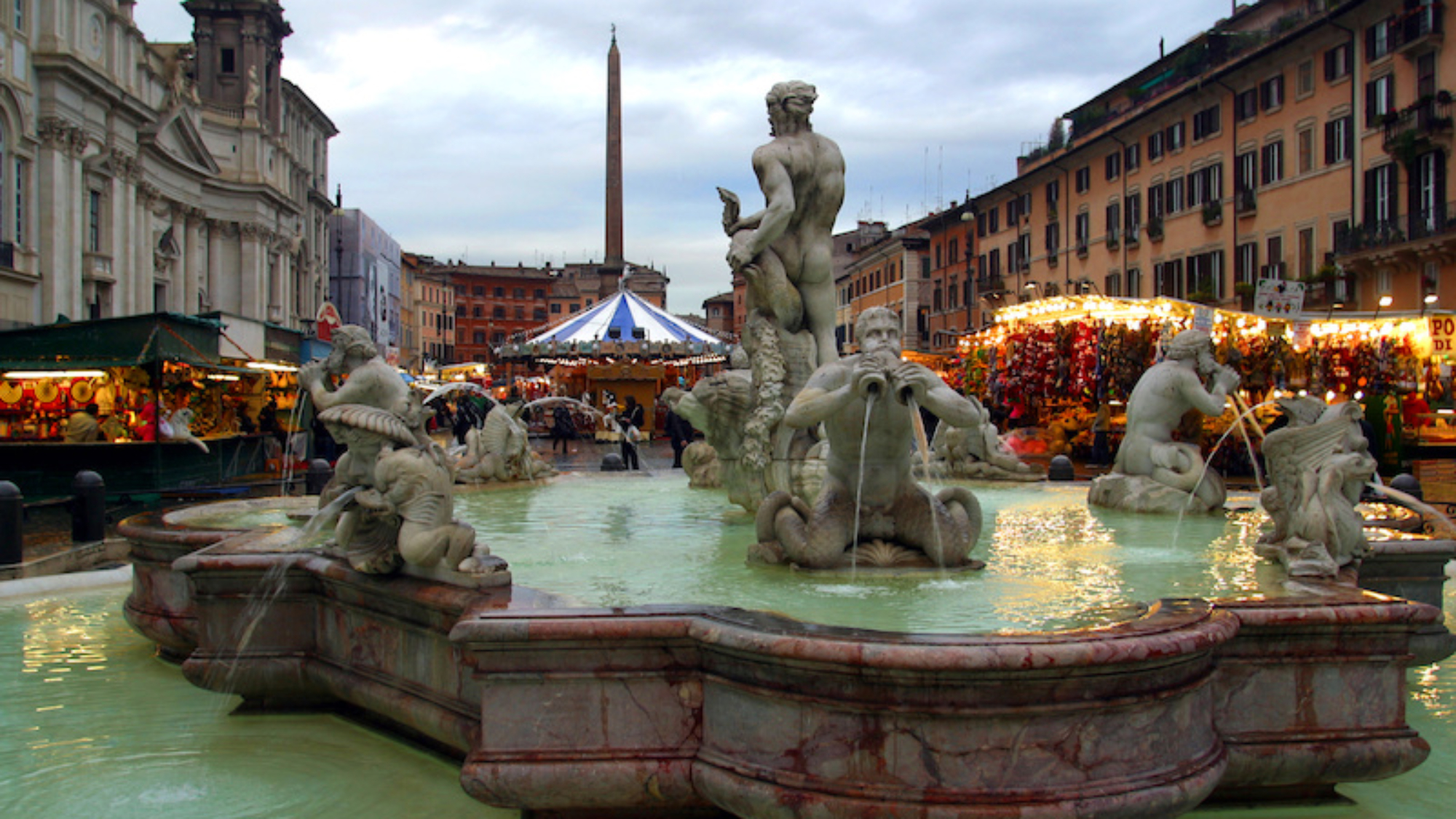
If you’re looking for things to do on this special feast whilst in Rome, we strongly suggest you go to the Piazza Navona Christmas Market! The Epiphany feast actually marks the last day that this market is held and, because of this, the atmosphere gets truly special. It fills up the whole square and it’s the perfect way to spend the day for both couples and families. It’s also one of the best places to buy souvenirs for your loved ones back home!

Important Tips for Epiphany Visitors: Opening Hours and Attractions

If you’re coming to Rome on the 6th of January to visit the main tourist attractions like the Vatican Museums, the Colosseum, or the Pantheon, there is some important info to keep in mind. The Vatican Museums are actually closed on January 6th, as well as many other Churches. We always recommend checking online for the opening times of these points of interest as they may vary. The Colosseum is instead open and you can visit it by booking a private tour with us here! If you want to get the full and best experience of the city of Rome, we strongly recommend you book a Best of Rome Private Tour with us.

Traditional Epiphany Foods to Try in Rome

Food is a core element of Italian culture and the Christmas Holidays are a very great example of this. If you’re in Rome on the Epiphany feast, make sure you take the time to try some of the most delicious traditional Christmas food such as Struffoli, Fugassa d’la Befana, Cavallucci di Siena, Cammelli di Pasta Sfoglia, Pepatelli and much more. Keep in mind that some of these traditional foods are tied to some regions and parts of Italy more than others so you may not find them everywhere!

Conclusion

Visiting the Eternal City of Rome during the Christmas Holidays is a fantastic way to get to know more about Italy’s Holidays and traditions and also immerse yourself in the beauty of the city of Rome covered in Christmas lights and decorations. If you want to get to know more about this magical city, make sure you check out our other blogs.

Gondolier, Rialto Bridge, Grand Canal, Venice, Italy

Befana Regatta Race: A Unique Twist to Epiphany Celebrations in Venice

Visiting the city of Venice always makes for an incredible experience that you won’t be able to forget easily. Its magical atmosphere creates an out-of-this-world sensation throughout the whole year but even more so during the Christmas Holidays. If you’re thinking of coming to Venice for the Epiphany feast, you’re in the right place! Today we’ll explore something more about what it is like to celebrate the Epiphany in Venice and what you can do in this city.

Let’s find out something more about celebrating the Epiphany Feast in Venice and the best experiences you can have during this incredible time!

Venice’s Epiphany Feast: A Blend of Tradition and Magic

Let’s start with going a little more in-depth as to what the Epiphany Feast is and why Italians celebrate it. The Epiphany feast is a Christian Holiday that celebrates the arrival of the three Re Magi, commonly known as the Three Kings, to the crib of Baby Jesus. It is believed that the Three Kings named Gaspar, Melchior and Balthasar traveled a long way to get to baby Jesus and bring him all kinds of gifts. This scene is often depicted in the Nativity Scenes, known in Italy as “Presepe”.

The Epiphany Feast Today

Nowadays, the Epiphany feast has become a particularly beloved Holiday by Italians, especially the kids. Similar to Santa Claus on Christmas, the Epiphany feast has its magical character: la Befana. La Befana is traditionally represented by an ugly witch who travels on a broomstick on the night between the 5th and 6th of January to bring sweet treats to the kids that were good throughout the year. These sweet treats are placed by her whilst the kids sleep in a Christmas stocking that the kids traditionally leave out before going to bed. This magical legend lights up the faces of kids all over Italy who wake up with a stocking full of treats!

La Befana Regatta: A Unique Epiphany Celebration in Venice

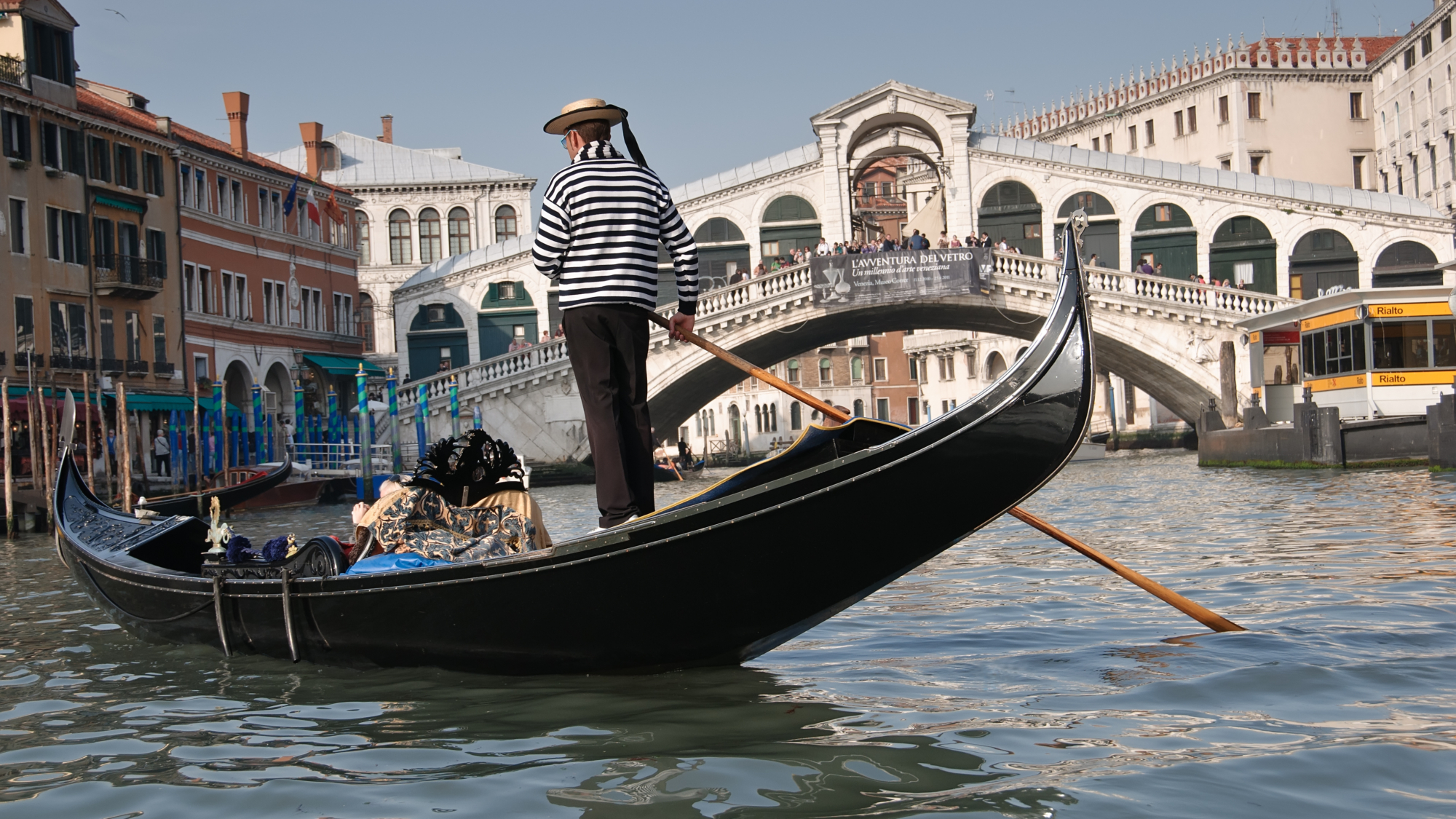
As previously mentioned, on the Epiphany feast day, many events and fun experiences are hosted but, one of the most interesting ones to go see in Venice has to be the Befana Regatta Race. This event sees circa 50 members of the Bucintoro (Venice’s most ancient rowing club) dressed as the Befana race from S. Tomà to the Rialto Bridge. Even though the actual race is between the athletes, this event is very popular amongst Venetian families who gather around to watch and sometimes even bet on how long it will take for certain boats to reach the finish line which is marked by a huge sock-hanging, symbolizing an Epiphany stocking! The event usually starts at 08:30 AM, when the athletes get dressed in Magazzini del Sale alle Zattere. They usually begin racing at 09:30 AM. If you’re in Venice on January 6th, we highly suggest you go see the Regatta Race.

If you don’t feel like watching the race but you still wish to explore Venice’s most beautiful aspects with your family, we suggest you book a Tour for Families of Venice and St. Mark’s Basilica here.

Conclusion

Visiting the city of Venice during the Christmas Holidays is always an incredible experience thanks to the beauty of this city covered in Christmas decorations and lights and also the welcoming atmosphere that locals give out to tourists. Visiting this city on the Epiphany feast is even more exceptional for Venice’s Epiphany Regatta Race, an incredible event that you won’t be able to stop talking about! If you want to get to know more about Venice and Italy in general, we suggest you check out our other blogs.

panoramic-terrace-venice

Fondaco dei Tedeschi: Luxury Shopping and Panoramic Views in the Heart of Venice

Whilst visiting the city of Venice, you will understand that there’s beauty all around. Starting with its incredible St. Mark’s Square, its monuments and architectural masterpieces, the city is definitely equipped with things to see. Sightseeing is not the only thing you can do in Venice though. As the Holidays are approaching more and more, shopping has become fundamental and this is why today we want to walk you through one of the most important Malls in the city of Venice; the Fondaco dei Tedeschi!

Let’s find out something more about Fondaco dei Tedeschi and its incredible panoramic terrace in Venice and why you should consider adding some luxury shopping to your itinerary!

Fondaco dei Tedeschi: A Historical Gem in Venice’s Shopping Scene

As previously mentioned, the Fondaco dei Tedeschi is a very important historical mall. Its origins date back to 1225 when the word “fundaq” referred to the places where merchants worked. The building was exactly where it is today and it was apparently built in the first years of the 16th century. Some say it was designed by the infamous painter Jheronimus Bosch but the sources are not certain. The outside of the building was instead decorated by Giorgione da Castelfranco and Tiziano Vecellio. Back in the day, only the German merchants could live in Fondaco and this place was the only trading spot for goods for the people that were arriving in Venice. The German merchants were controlled by the Venetian Republic and they could only make trades with Venetians. Nowadays the Fondaco dei Tedeschi is considered to be a historical, luxurious shopping mall.

Where is it Located?

The Fondaco dei Tedeschi is located right in the heart of Venice, as it is part of St. Mark’s district and it was edified near the Rialto Bridge.

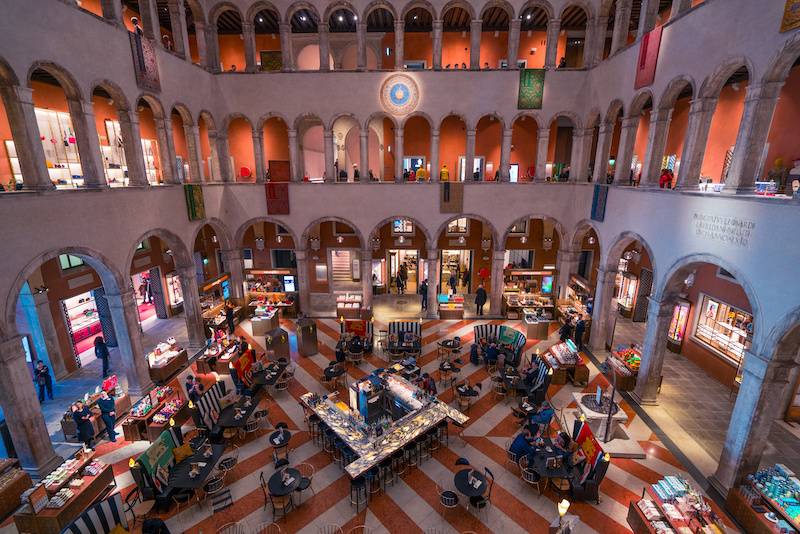
The building is divided into four floors with many different shops where you will be able to find very luxurious pieces of clothing, jewelry and shoes but also shops that sell fresh traditional products like pasta or wine. A great aspect of the Fondaco dei Tedeschi shopping mall is that its ceiling is almost completely made of glass, which provides natural light for the whole mall, creating a wonderful experience during your shopping.

The Rooftop Panoramic Terrace upon Venice

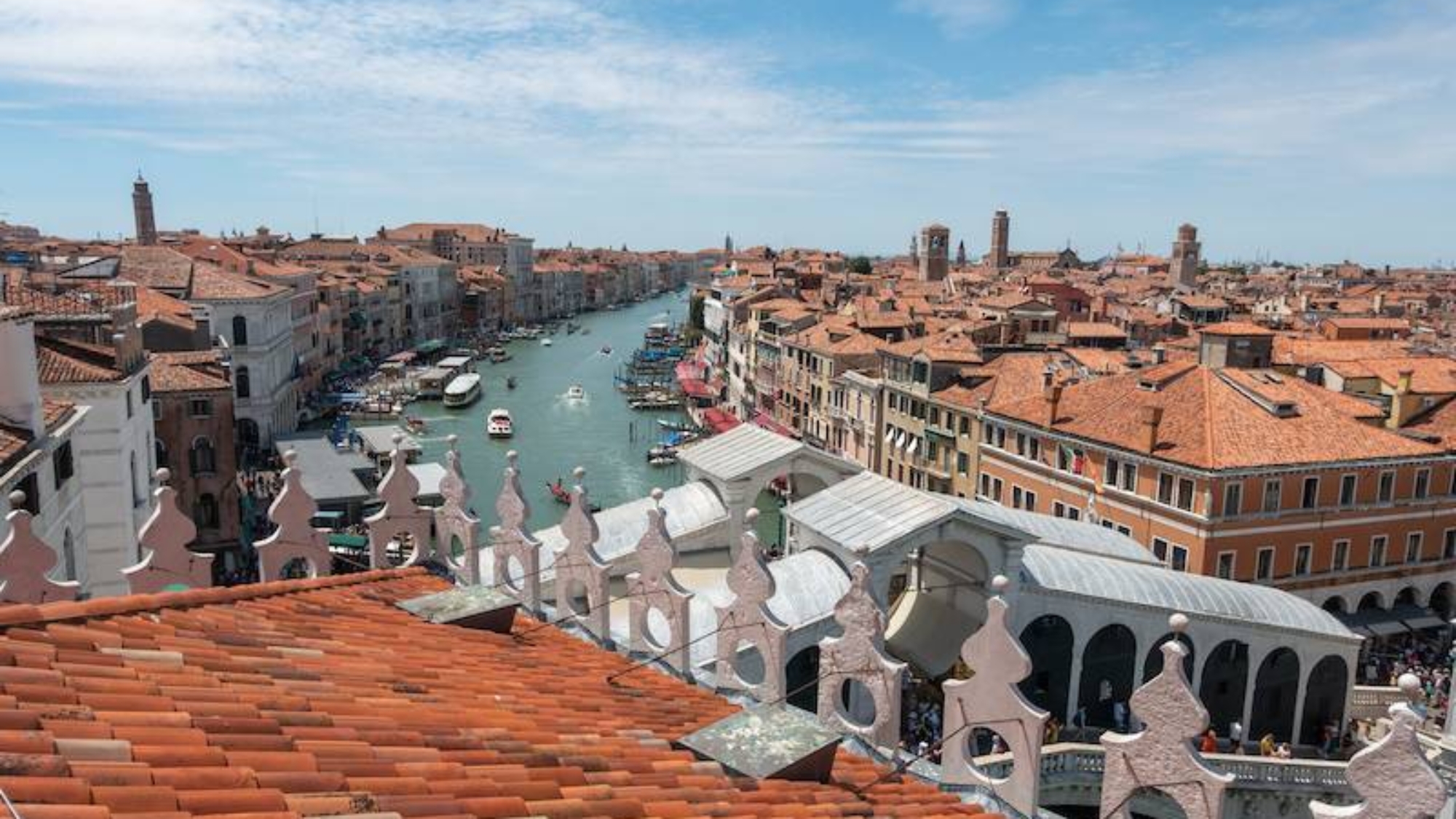
One of the most suggestive and interesting aspects of the Fondaco dei Tedeschi shopping mall is its Rooftop Panoramic View. This rooftop offers a unique view over the city of Venice, putting your eyes in front of what seems to be a work of art: Venice’s skyline. Some important info to keep in mind before visiting the rooftop is that the visits are completely free but are limited to 15 minutes per person. It is strongly suggested to make a reservation in advance as the terrace can only hold 80 people at a time.

The rooftop is open to the public from 10:15 AM to 08:15 PM from the month of June to the month of August. From 10:15 AM to 07:30 PM from April to May and from September to October and from 10:15 AM to 07:15 PM from November to March.

Conclusion

Taking a walk through the Fondaco dei Tedeschi shopping center in Venice is a very great way to make the most of shopping and sightseeing. The incredible view over the city of Venice from the rooftop of Fondaco dei Tedeschi is definitely worth noting and we strongly suggest you take the time out of your itinerary to spend 15 incredible minutes on this rooftop. If you want to get to know more about the city of Venice and Italy in general, make sure you check out our other blogs and, if you want to fully immerse yourself in the beauty of this city, book a private tour of the city of Venice here!