Three days in Rome is enough to see the city’s essential highlights without rushing: one day for Ancient Rome, one for Vatican City, and one for Baroque Rome and its fountains and piazzas. It’s a tight but realistic schedule for first-time visitors, and it leaves room to slow down, eat well, and actually enjoy the city rather than just checking off monuments. Here’s how to structure it.
Day 1: Ancient Rome
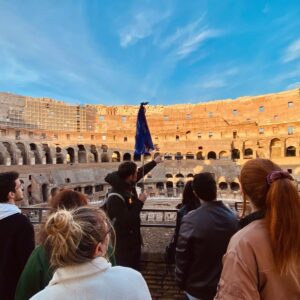
Start early — ideally by 8:30 AM — to beat both the heat and the crowds at the city’s most visited archaeological site.
- Colosseum, Roman Forum, and Palatine Hill: these three sites share a single ticket and form the heart of Ancient Rome. Budget 3 to 4 hours to see them properly. Skip-the-line access makes a real difference here, since general admission queues can run over an hour in high season.
- Circus Maximus: a short walk from the Palatine Hill, worth a quick stop to picture the site of Rome’s ancient chariot races.
- Afternoon: head toward Trastevere for lunch and a relaxed walk through its cobbled streets — a good contrast after a morning of ruins.
This is the day where a guide makes the biggest difference: without context, the Forum can look like “a field of broken columns.” A knowledgeable guide turns the ruins into a readable story — which is exactly the point we make in Is a Guided Tour in Rome Really Worth It?, if you’re still weighing whether to book one.
👉 See our Rome tours for skip-the-line options covering the Colosseum, Forum, and Palatine Hill.
Day 2: Vatican City
Vatican Museums are the second-most crowded site in Rome after the Colosseum, so book your entry time in advance — this is non-negotiable in peak season (April–June, September–October).
- Vatican Museums and Sistine Chapel: allow 3 hours minimum. The museums are enormous, but a focused route through the main galleries to the Sistine Chapel keeps the visit manageable.
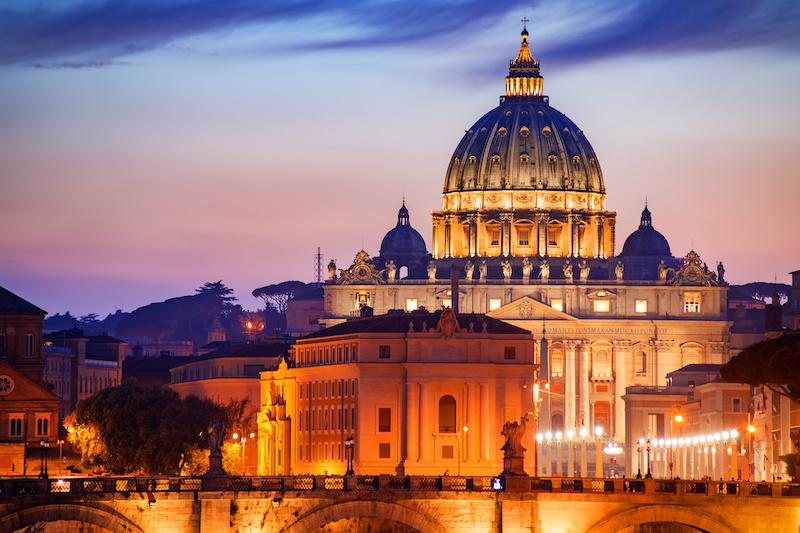
- Peter’s Basilica: free to enter, but expect security lines. The dome climb (551 steps, or 320 with the elevator to the base) is optional but rewards you with the best panoramic view in Rome.
- Peter’s Square: budget 30 minutes just to take it in — Bernini’s colonnade is worth the pause.
Dress code is strictly enforced: shoulders and knees must be covered for both the Museums and the Basilica.
👉 Explore our Vatican tours for guided access to the Museums, Sistine Chapel, and Basilica.
Day 3: Baroque Rome — Piazzas, Fountains, and the Historic Center
Your last day is for the compact, walkable center: the Pantheon, Piazza Navona, the Trevi Fountain, and Piazza di Spagna are all within 20 minutes of each other on foot.
- The Pantheon: free entry, but expect a line even so. Its dome and oculus remain one of the great engineering feats of the ancient world.
- Piazza Navona: Bernini’s Fountain of the Four Rivers is the centerpiece, surrounded by cafés — a good stop for a coffee break.
- Trevi Fountain: best visited early morning or after 9 PM to avoid the crowds that gather here almost all day.
- Piazza di Spagna and the Spanish Steps: a fitting way to close the itinerary. We go into the full history of the square in Discover the Iconic Beauty of Piazza di Spagna and Its Spanish Steps, including why it wasn’t always called that.
If you’d rather not plan the walking order yourself, our Best of Rome Private Tour covers this exact route with a guide who knows how to time each stop against the crowds.
Practical Tips for 3 Days in Rome
- Buy timed tickets in advance for the Colosseum and the Vatican Museums — same-day availability is unreliable in high season.
- Wear comfortable shoes. Rome’s historic center is cobblestone, and you’ll walk 6–10 km a day on this itinerary.
- Rome’s historic center is walkable, but the Vatican is about 30–40 minutes on foot from Ancient Rome — plan to use the metro (Line A) or a taxi to save time on Day 2.
- Water is free and everywhere: Rome’s public drinking fountains, the nasoni, are safe to drink from and worth using to refill a bottle.
FAQ
Is 3 days enough to see Rome?
Yes, for a first visit. Three days covers the essential sites — Ancient Rome, Vatican City, and the historic center — without feeling rushed, though you won’t see every museum or neighborhood.
What’s the best order to visit the Colosseum and the Vatican?
Either order works, but visiting the Colosseum first is generally easier logistically, since it’s more central and better connected by metro than trying to fit both in one day.
Do I need a guide for 3 days in Rome, or can I do it independently?
You can absolutely do it independently with pre-booked tickets, but a guide adds historical context that’s easy to miss on your own — particularly at the Forum and Palatine Hill, where the ruins alone don’t explain much without a story attached.
How much walking is involved in this itinerary?
Expect 6–10 km per day, mostly on uneven cobblestone streets, so comfortable, broken-in shoes are essential.
What’s the best time of year for a 3-day Rome itinerary?
April–May and September–October offer the best balance of mild weather and manageable crowds. July and August are hot (often above 35°C) and heavily crowded.